

Ceramic coating can be worth considering on a leased car when you want the appearance and upkeep benefits during the time you will actually drive it. It is a much weaker purchase if the entire argument depends on getting the installation cost back at lease return. Start with your remaining months, the work the vehicle needs, and your own lease-return requirements, not a promised reduction in charges.
Our recommendation is to treat coating as an optional ownership-experience purchase unless your specific agreement provides a documented financial benefit. A clean, cared-for car and an expensive detailing invoice are different things. Decide what you want to enjoy, then check what the company accepting the return actually evaluates.
Start with the return standard, not the coating package
A lease-return standard is not a concours judging sheet. Ford Credit, for example, says the vehicle should come back in good condition but allows normal wear and use; it directs customers to its wear guide and recommends necessary repairs before return. That does not support assuming every visible imperfection needs correction: use the applicable Ford Credit wear-and-use guidance and your agreement.
Toyota Financial Services likewise distinguishes normal from excessive wear, identifies examples such as paint-penetrating scratches and poorly performed previous repairs, and tells customers to review the lease agreement for vehicle-specific information. Its current page also separates some terms by lease date, which is a good reason not to use a friend's return experience as your rulebook. Read the current Toyota Financial Services guidance rather than copying a threshold from a general detailing article.
Before buying work, collect the agreement, the applicable wear guide, and any separately purchased protection agreement. Ask the provider which version applies to your vehicle and how to clarify uncertain items. Do not turn a coating salesperson into the authority on a contract that salesperson does not administer.
Then give the detailer a different brief: “Here is the condition I want while I drive it. Here is the return date. Please separate the preparation needed for your coating from optional appearance improvement.” That question respects the shop's expertise without asking the shop to guarantee someone else's inspection decision.
Match the purchase to the time you have left
Consider three decisions rather than one universal yes-or-no answer. You might be at the beginning of the lease, close to return, or considering buying the car. Each situation changes the useful time horizon for your spending, even if the coating and installation quote are identical.
| Your situation | A sensible reason to consider coating | What to settle first |
|---|---|---|
| Early in the lease | You want to enjoy and maintain the finish throughout your planned possession. | Whether the complete preparation, installation and upkeep plan fits your budget and routine. |
| Near the return date | You have a specific short-term appearance goal and knowingly accept the cost. | The actual condition assessment and any necessary repairs, before buying an optional coating package. |
| Considering a buyout | You may keep the vehicle and want a longer-term care plan. | Whether you would still choose the work if you return the car instead. |
| Existing damage is the main concern | Coating may be a separate finishing choice after the damage question is resolved. | A written assessment of the damage and the appropriate repair, not an assumed coating solution. |
This is a planning framework, not a forecast of coating life or a recommendation about financing. Write down the number of months you realistically expect to possess the car. If the purchase only makes sense after assuming you will keep it much longer, label that assumption instead of hiding it in a “cost per year” calculation.
For a possible buyout, make two columns: return as planned, and keep the vehicle. Put the proposed detailing work into both. If you would regret the expense in the return scenario, consider waiting until your decision is clearer or reducing optional cosmetic work. You do not need a perfect prediction; you need to see what your purchase depends on.

Separate preparation, optional correction and ongoing care
Ask for a written scope with distinct entries for inspection, cleaning and preparation, any proposed polishing, coating application, and aftercare. This makes the quote useful even if you decide not to coat. You can identify which tasks address today's condition and which tasks belong to the protection package you are evaluating.
For polishing, request a clear answer to two questions: what improvement is being proposed, and why is that level of work appropriate for this vehicle? “Make it as perfect as possible” is a different instruction from “prepare a daily driver for an agreed coating service.” Neither should be silently substituted for the other.
Do not ask the detailer to skip necessary preparation to hit an arbitrary price. Instead, ask whether a smaller optional appearance goal is sensible, or whether a different service would fit better. An honest recommendation to postpone coating is useful professional judgment, not a failed sales pitch.
Next, write down the maintenance you can actually provide. Who will wash the car? Where will it be kept during application and the required aftercare period? Can you follow the chosen product's instructions around the work and driving schedule? A plan that needs a sheltered space you do not have is not made practical by spreading its price across more months.
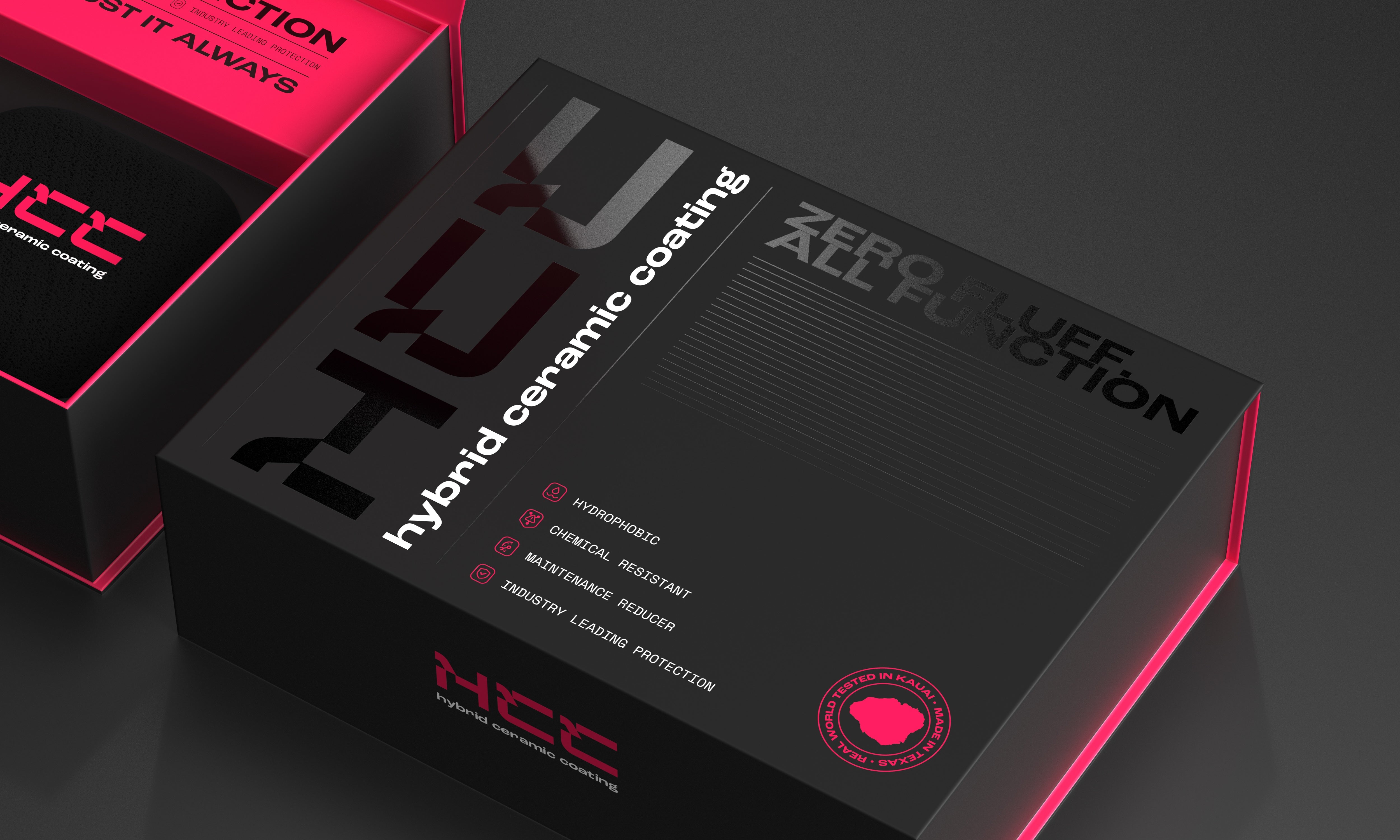
If a coating fits that plan, HCC Hybrid Ceramic Coating is Undrdog's flagship all-surface option for suitable applications on cars, boats, planes and bicycles. Its multi-year protection depends on preparation, exposure, use and maintenance. Choose it for the care plan, not as a substitute for checking your lease terms.
For the ongoing expense side, use our ceramic coating maintenance budget guide to separate required purchases, optional services and your own time. Keep this lease decision narrower: how much of that plan will you use before your expected return date?
Do the math without inventing a return credit
Start with the complete proposed spend over your expected possession period. Include the installation scope you accept, any tools or supplies you need to buy, and the maintenance you plan to purchase. Keep your own time visible even if you do not put a dollar value on it.
Then build a baseline: what would you reasonably spend to care for the vehicle without buying this coating package? Compare those two plans rather than comparing a complete coating service with doing nothing. Do not count the same wash expense as both an ordinary cost and an extra coating cost.
A useful worksheet is simple: total chosen-plan spending minus comparable baseline spending equals the additional budget you are considering. Divide that difference by your expected remaining months only if a monthly view helps you decide. That arithmetic describes your budget; it does not establish monthly savings or product durability.
For example, if a hypothetical additional budget were 360 units of your chosen currency over 18 months, the allocation would be 20 per month. These are invented worksheet numbers, not a market quote, a recommended price or a claimed saving. Replace both inputs with your actual figures, including the real service scope.
Set an undocumented lease-return credit to zero in that worksheet. That is our conservative budgeting recommendation, not a claim that good vehicle care never matters. If someone says the coating pays for itself at return, ask for the exact written provision, who administers it, which conditions apply, and whether it covers the situation being discussed.
Keep potential resale value out of the return calculation unless you are actually evaluating a different transaction. Our separate guide to ceramic coating and resale-value evidence covers that question. Do not move a hoped-for sale premium into a lease-return spreadsheet just to make the purchase look cheaper.
Near lease-end, investigate condition before buying more protection
If return is approaching, ask the provider how to obtain the applicable condition assessment and what repair documentation it wants. Toyota Financial Services describes a courtesy pre-inspection that estimates wear-and-use charges, but notes location and lease-origin eligibility restrictions. Its availability is not universal, so confirm your own route through the provider's inspection guidance.
Use the assessment to distinguish appearance preferences from items that may affect return. Toyota's examples include interior damage, missing keys or equipment, tire issues and exterior damage; a paint-only detailing decision would not address that entire checklist. Consult the full wear-and-use categories rather than concentrating exclusively on glossy body panels.
When an item is identified, ask what remedy is acceptable, whether another inspection is needed, and which receipts or records to retain. Ford recommends making necessary repairs before return, and Toyota tells customers to keep repair receipts. Those are reasons to leave time for an informed repair decision, not reasons to rush into a coating installation: see Ford's return guidance and Toyota's repair guidance.
Keep separate protection products separate. Ford's wear page describes a contractual wear-charge waiver product with its own addendum and exclusions; that is not the same thing as purchasing a bottle or detailing service. Do not infer that a coating invoice creates that coverage from the wear-charge waiver description.
Finally, do not spend the same contingency budget twice. If you have set money aside for a condition issue, resolve that issue before committing the same money to optional appearance work. A detailer can help you understand the finish; the return administrator needs to answer the charge question.

Use a written brief to keep the job and the promise aligned
Before you authorize a service, send a short brief that the shop can answer in writing. Put the expected return date at the top, describe your appearance goal, and disclose any known existing coating or recent repair. Ask the shop to identify uncertainties rather than guess at the vehicle's history.
- Scope: Which surfaces and preparation steps are included, and which are not?
- Optional work: What appearance improvements can be priced separately from the agreed coating preparation?
- Timing: What access, shelter and aftercare does the selected product require before normal use?
- Maintenance: Which purchases or services are required by the written service terms, and which are suggestions?
- Lease question: Is any claim about return charges documented by the provider, or is the service being sold strictly for appearance and care?
For a DIY project, answer the same questions yourself before opening the bottle. Include supplies, a suitable work area, your ability to inspect the finish, and a realistic opportunity to follow the current application instructions. Buying a professional-grade product does not automatically supply a professional workspace or judgment.
Keep the scope, product name, application date and aftercare instructions with your vehicle records. If lease permission or treatment restrictions are unclear, ask your provider specifically about the planned work before proceeding. This article is a purchase framework, not a reading of your individual agreement.
Frequently asked questions
Is ceramic coating worth it on a leased car?
It can be a reasonable optional purchase if you value the finish and care plan during your remaining possession. Compare the complete service and upkeep with your baseline, and do not rely on an undocumented lease-return credit to justify the expense.
Will a coating guarantee that I avoid excess-wear charges?
Do not assume that guarantee. Lease-return guidance evaluates condition under the applicable agreement, and separate wear-protection products have their own terms. Ask your provider for written confirmation of any claimed benefit; Ford's wear-and-use page illustrates why those questions must remain separate.
Should I buy a coating immediately before returning the vehicle?
Start by checking the actual condition and applicable return requirements. If an optional coating still serves a specific appearance goal, you can evaluate it knowingly, but do not skip that assessment because a package is advertised as suitable for lease returns.
Do I need to correct every visible imperfection?
Do not use perfection as a substitute for the actual standard. Ford explicitly allows normal wear and use, while Toyota distinguishes normal from excessive damage. Review your own agreement and the relevant wear guidance before paying for work solely to address an assumed charge.
What if I plan to buy the vehicle when the lease ends?
Evaluate both possibilities: keeping it and returning it. If the coating plan only feels worthwhile when you assume a buyout, make that dependence explicit and consider waiting until the vehicle decision is settled. Do not treat a possible longer ownership period as a certainty.
Is a pre-return inspection available everywhere?
Availability depends on your provider and circumstances. For example, Toyota Financial Services lists location and lease-origin restrictions for its courtesy pre-inspection. Confirm eligibility and the correct process through the current provider guidance rather than assuming a universal appointment process.
Should I choose DIY or a professional detailer?
Choose based on your preparation skills, work area, available time and the service scope you need. Ask a professional for an itemized plan, and include supplies and your own time in a DIY comparison. Neither route should depend on a promise about lease charges that the provider has not documented.
What paperwork should I keep?
Keep your detailing scope, product and application information, aftercare instructions and relevant repair receipts. Toyota specifically advises retaining receipts for repairs made before return; check your own provider's documentation requirements through its lease-return guidance.
How Undrdog does it
HCC is our default all-surface coating recommendation when a coating genuinely fits the project. Undrdog makes its coatings available to professional detailers and DIY owners without requiring a certification purchase. Open product access does not make preparation, inspection or a detailer's labor unnecessary; choose the product and the service on their respective merits.
For a leased vehicle, our recommendation is straightforward: buy a protection and maintenance plan you actually want to use. Follow current product instructions, account for preparation and exposure, and treat multi-year durability as condition-dependent rather than a fixed promise. We are not presenting the product as a lease-return waiver or a guaranteed financial return.
Choose protection for the time you will enjoy it.
If a coating fits your vehicle, preparation plan and upkeep routine, review HCC's current application guidance. Keep the lease-return decision grounded in your actual agreement.
Shop HCC Hybrid Ceramic Coating

Leave a comment
This site is protected by hCaptcha and the hCaptcha Privacy Policy and Terms of Service apply.