
A realistic ceramic coating maintenance budget is not a universal annual number. It is the total of the work and materials your vehicle actually needs, plus any inspection or service requirement attached to the coating or installer agreement.
Start with four inputs: product consumption, wash labor, inspection or service requirements, and optional services. Then compare that total with the level of finish maintenance you want. Use current product prices, actual labor quotes, and the instructions that apply to your specific coating and surface. Do not treat the price of one bottle as the cost of one completed application, and do not assume that doing the work yourself is automatically cheaper.
What belongs in a ceramic coating maintenance budget?
The useful question is not “What does ceramic coating maintenance cost?” in the abstract. The useful question is “What will this vehicle require during the period I plan to maintain it?”
A coating maintenance budget can include:
- Routine wash products used according to their labels.
- Water, equipment, towels, and other consumables you already own or need to obtain.
- Paid wash labor, if a detailer performs the maintenance.
- Periodic inspection or service required by the coating provider or installer.
- Optional decontamination, enhancement, correction, or other services recommended after inspection.
- Replacement or replenishment products when a maintenance item is genuinely consumed.
These categories should not automatically be treated as one recurring package. A wash may be routine. An inspection may be periodic. A correction service may be occasional and conditional. Keeping them separate prevents an attractive “annual maintenance” figure from hiding what you are actually paying for.
Separate required spending from optional spending
The first worksheet decision is whether an item is required, recommended, or optional. “Required” means the item is necessary for the maintenance plan you have chosen or is expressly tied to a service condition you need to satisfy. “Recommended” means it may be sensible based on the vehicle’s condition or use, but it is not automatically required. “Optional” means it is an elective improvement rather than a condition of keeping the plan in place.
| Budget category | What to record | Decision question |
|---|---|---|
| Wash materials | Product used, replenishment timing, and current price | Is this used for every wash, or only when needed? |
| Wash labor | Quoted price, frequency, and included work | Does the quote cover the same level of care each time? |
| Inspection or service | Provider, timing, fee, and required scope | Is this a condition of a warranty or simply an optional check? |
| Optional services | Service name, quote, trigger, and frequency | What specific condition would justify approving it? |
| Contingency | A deliberately separate reserve | What unusual need would cause this money to be used? |
Ask the installer to identify what is included in each quoted service. A line called “maintenance” may mean a wash, an inspection, a topping product, or several different tasks. Those are not interchangeable. A clear scope is more valuable than a single low-looking total.

Calculate product cost from actual consumption
Product cost per application is not automatically the same as the price printed on a bottle. The relevant calculation is the amount consumed for the work, the number of services that amount supports, and the current replacement price.
For a product used during routine maintenance, record:
- The product name and the surface for which it is intended.
- The label directions that govern use.
- When the container is opened.
- When it needs to be replaced or replenished.
- Which vehicles or services used it.
- The current price at the time of replacement.
This method avoids false precision. You do not need to invent a standard number of washes per bottle. Your own log becomes the evidence for your own budget. If different people perform the work, record the same information for each service so that consumption and labor are not confused.
Do not use a maintenance spray as proof that the base coating still exists. Apply the spray only as directed and follow the applicable maintenance instructions; its hydrophobic behavior should not be treated as a certification of coating condition.
Budget wash labor honestly
Paid maintenance is not merely a product pass-through. A detailer’s quote can include setup, washing, drying, access, inspection, equipment, towels, scheduling, and the judgment required to work safely on the vehicle. Compare the scope of two quotes before comparing their totals.
For each paid service, record:
- The exact work included.
- Whether the service is performed at a fixed interval or when needed.
- Whether the quoted price changes with vehicle size, condition, or access.
- Whether inspection findings can lead to separately quoted work.
- Whether the provider documents exclusions or limitations.
A DIY calculation should also be honest. If you already own the equipment and enjoy doing the work, your cash outlay may differ from a paid service. That does not make the labor worthless, and it does not prove that DIY is cheaper in every case. Include your time as a separate value rather than pretending it does not exist.
Check warranty and installer service conditions
Warranty language can change the maintenance budget. One published warranty example requires an annual service within 30 days before or after the anniversary and states that service fees are determined by the installer. That document is an example of a specific program, not an industry-wide or Undrdog requirement.
Before budgeting, read the actual warranty or service document connected to your vehicle. Confirm:
- Whether an annual service is required.
- What time window applies.
- Who may perform the service.
- What the service includes.
- Whether the service fee is fixed or set by the installer.
- What records, appointments, or proof of service must be retained.
Do not add a generic “warranty fee” to every coating budget. Add the requirement only when the document for your specific program says it applies. If the wording is unclear, ask the installer for a written explanation before approving the work.

Build a blank annual worksheet
Use the following structure for one vehicle and one budgeting period. Leave any category blank if it does not apply. A blank field is more useful than an invented average.
| Line item | How to calculate it | Your entry |
|---|---|---|
| Routine wash products | Recorded consumption multiplied by current replacement cost | ________ |
| Other wash consumables | Actual replenishments during the period | ________ |
| Paid wash labor | Quoted price multiplied by completed services | ________ |
| Required inspection or service | Actual provider quote and required timing | ________ |
| Optional service reserve | Only if a defined condition justifies setting money aside | ________ |
| Documented total | Add the lines above, keeping optional items labeled | ________ |
For a hypothetical example, an owner might have a paid routine wash, a separate annual service condition, and no approved optional correction work. The worksheet should show those as three different lines. It should not combine them into one “coating maintenance” number or assume that a correction will occur simply because it is available.
Use inspections to make decisions
An inspection is useful when it answers a specific question. Is the surface clean enough for the next maintenance step? Is there a visible condition that requires a different service? Does the provider’s warranty process require documentation? The answer should determine the next action.
Set a stopping rule before the appointment. Approve routine maintenance when the vehicle meets the agreed condition, request a written explanation when a new service is proposed, and defer optional work when no specific condition or objective is identified. This is not a judgment about the detailer’s expertise. It is a way to keep the budget connected to observed needs and agreed scope.
Ask for the following before approving an additional service:
- What condition was observed?
- What task is being proposed?
- Is the task required, recommended, or optional?
- What happens if it is deferred?
- What will the revised price include?
Choose products by use case and instructions
Routine maintenance starts with compatibility and directions, not with a promise that one product can solve every condition. Undrdog Soap is described on its product page as a pH-neutral automotive wash suitable for routine coating maintenance. Follow the label dilution and surface directions. A pH description alone does not establish compatibility with every surface or situation.
Quick Detail is described as a hydrophobic maintenance spray. Apply it only as directed to appropriately cleaned, compatible surfaces. It is not a substitute for washing grit off, and it is not proof that a base coating remains.
Put a product in the worksheet only when it has a defined role in your maintenance process. Buying an additional product without a documented use does not make the budget more complete. It makes the budget harder to audit.
Know when the budget needs a reset
Recalculate rather than blindly repeating the previous period when the vehicle, service provider, or maintenance plan changes. A reset is appropriate after a change in use, a change in who performs the washing, a new warranty or installer condition, or a recommendation for work outside the routine service scope.
Pause and request clarification when:
- The service name does not identify the actual work.
- A required annual service is mentioned but no supporting document is provided.
- An optional service is presented as mandatory without a stated condition.
- A product is recommended for a surface outside its supplied directions.
- A maintenance spray is presented as evidence of coating durability.
- The quote does not distinguish labor, products, inspection, and additional work.
The right stopping point is not necessarily the lowest price. It is the point at which the vehicle has received the agreed maintenance, the required records are complete, and no additional work has a clear reason to proceed.
How Undrdog does it
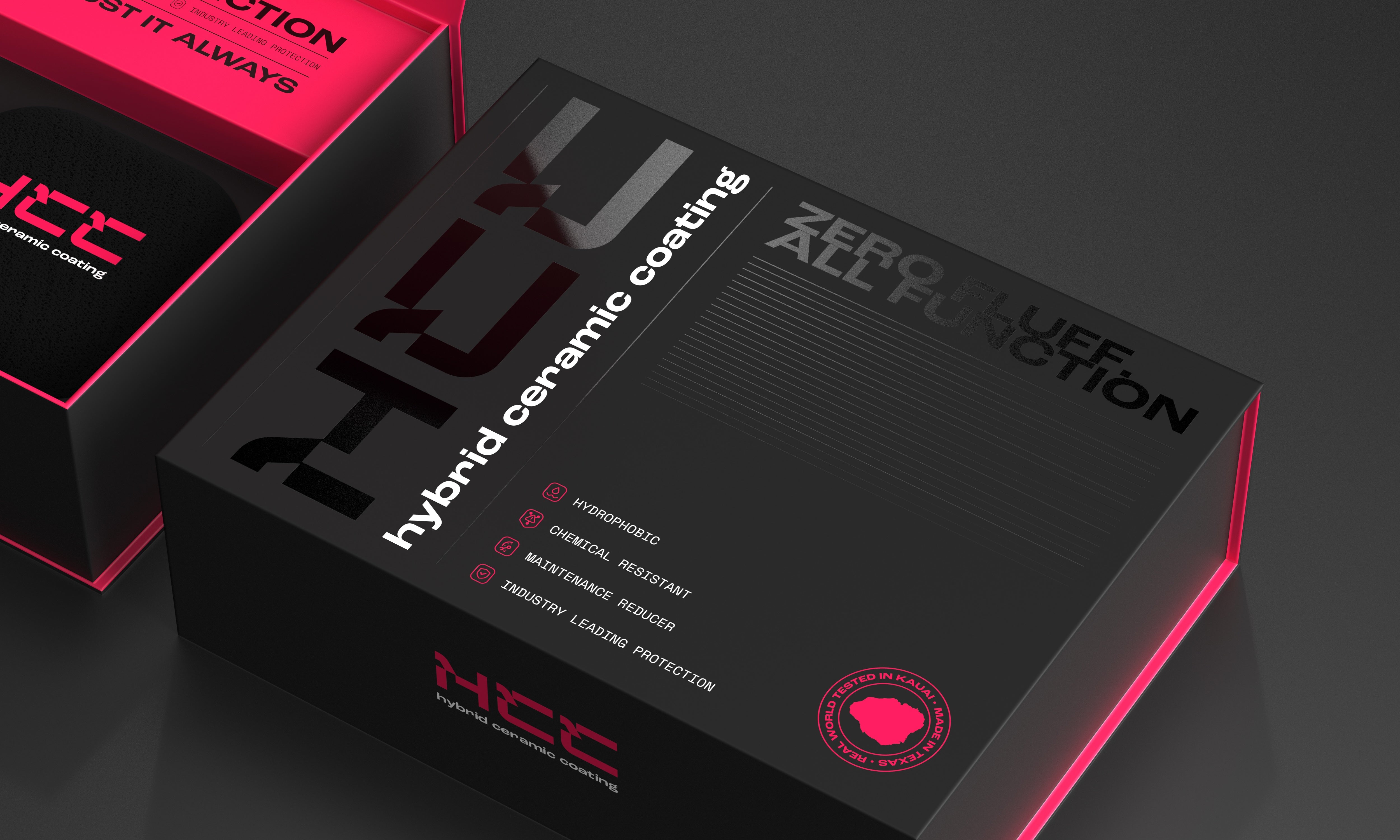
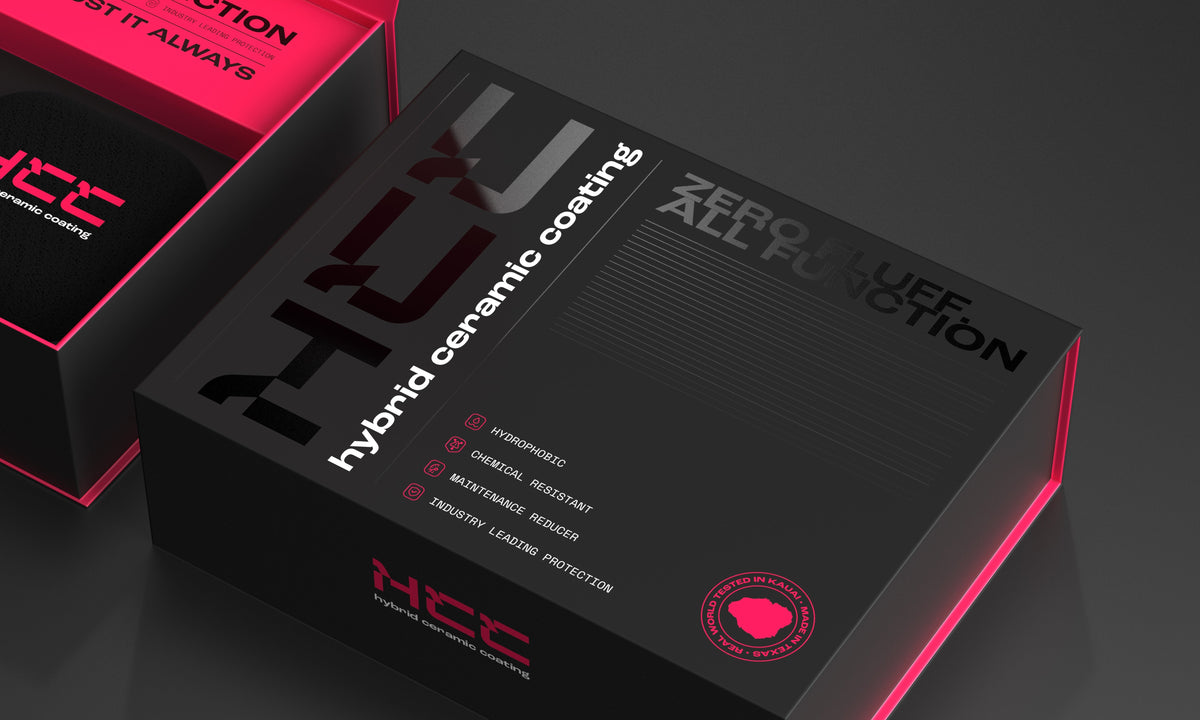
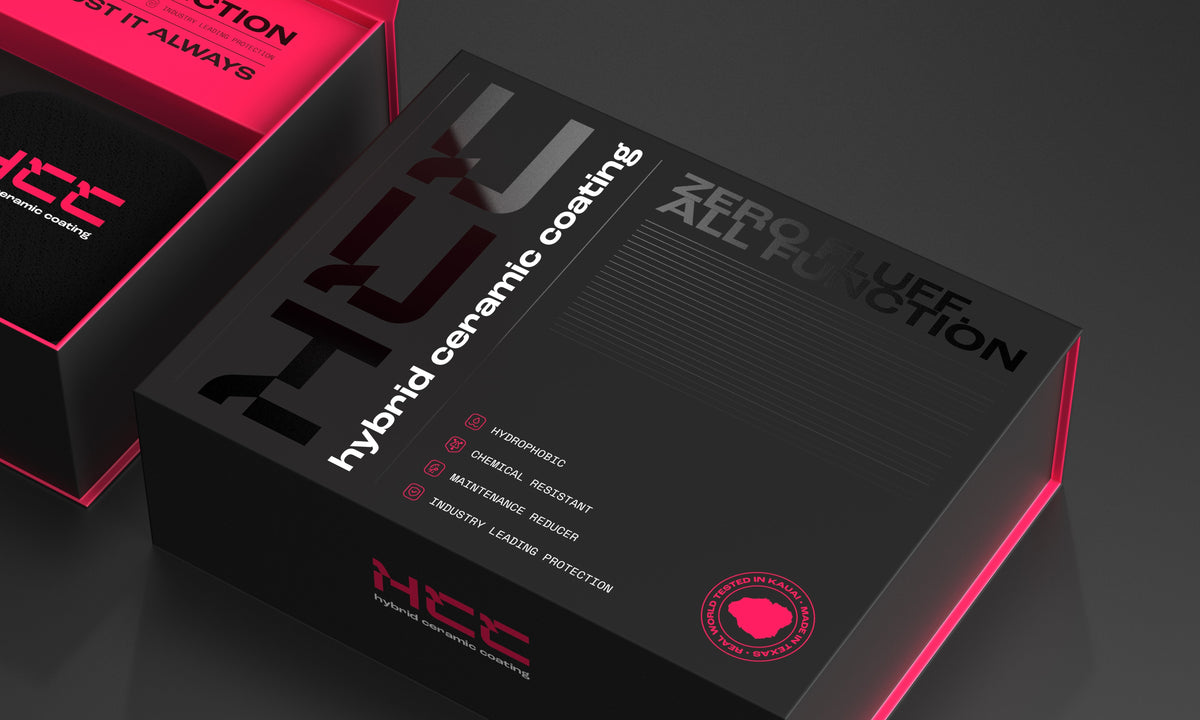
When a coating is relevant to the surface and project, HCC Hybrid Ceramic Coating is Undrdog’s flagship all-surface coating for cars, boats, planes, and bicycles. Its multi-year protection depends on preparation, exposure, use, and maintenance rather than a promised fixed lifespan. Confirm suitability and current application instructions for the exact surface. It is not recommended here for upholstery or touchscreens.
For a maintenance budget, the practical point is to connect the product choice to the service plan. Record the preparation scope, maintenance instructions, products actually used, and any installer-specific service conditions. Do not budget from a fixed durability promise or assume that a coating eliminates washing labor.
Use Undrdog Soap when its label directions fit the routine wash. Use Quick Detail only after the surface is appropriately cleaned and only for a compatible application. Keep both items in the budget according to actual consumption, not assumed usage.
Further reading
For installation line items, read What Does Ceramic Coating Actually Cost? A Line-Item Breakdown of a $1,500 Install. For practical care decisions, see How to Maintain a Ceramic-Coated Car for Maximum Longevity.
Build the worksheet from your actual quotes and product log, then revisit it when the scope changes. If a coating is appropriate for your project, review HCC Hybrid Ceramic Coating and confirm the current instructions before planning the work.
Frequently Asked Questions
Is there a standard annual ceramic coating maintenance cost?
No single annual figure applies to every vehicle or coating program. Build the budget from actual product consumption, wash labor, inspection requirements, and optional services. A specific published warranty may impose its own service condition, but that condition should not be generalized to every coating. Use the documents and quotes for your vehicle.
Does ceramic coating maintenance always require an annual service?
Not necessarily. One published warranty example requires an annual service within a stated anniversary window, but that is one specific program. Review the warranty or installer agreement connected to your vehicle to confirm whether service is required, who may perform it, what it includes, and how the fee is determined.
How should I calculate product cost per maintenance service?
Record when the product is opened, how it is used, and when it must be replenished. Divide the current replacement cost across the documented services supported by that product. Do not assume the full bottle price equals one application, and do not invent a universal number of uses when your own consumption record can provide a better basis.
Should wash labor be included in a coating maintenance budget?
Yes, if a detailer performs the washing or other maintenance work. Record the quoted scope, frequency, and conditions that change the price. Labor includes more than product transfer, so compare the work included in each quote. If you wash the vehicle yourself, record product costs separately and treat your time as a distinct value.
Is a hydrophobic maintenance spray proof that a coating is still present?
No. Quick Detail should be applied only as directed to appropriately cleaned, compatible surfaces. It is not a substitute for removing grit through washing, and its hydrophobic behavior should not be treated as certification that a base coating remains.
Can a pH-neutral wash be used on every coated surface?
A pH description alone does not establish compatibility with every surface or situation. Undrdog Soap is described as suitable for routine coating maintenance on its product page, but users should still follow its label dilution and surface directions. Confirm that it is appropriate for the specific surface before adding it to a routine.
Should I budget for optional correction or enhancement work every year?
Do not automatically budget optional work as a required recurring expense. List it separately and identify the condition that would justify approval. Ask whether the work is required, recommended, or optional, what happens if it is deferred, and what the revised scope and quote include. This keeps the budget connected to an observed need rather than a generic package.
Is doing ceramic coating maintenance myself always cheaper?
No. DIY cash spending may differ from a paid service, especially if equipment is already owned, but that does not prove DIY is cheaper in every situation. Compare product replenishment, equipment, consumables, time, and the actual scope of professional labor. Respect the value of the detailer’s work when comparing total cost.
Choose the product that fits the job
Review the surface requirements and current directions before you start. Choose the right product for your project, not a bigger promise.
Explore HCC - Hybrid Ceramic Coating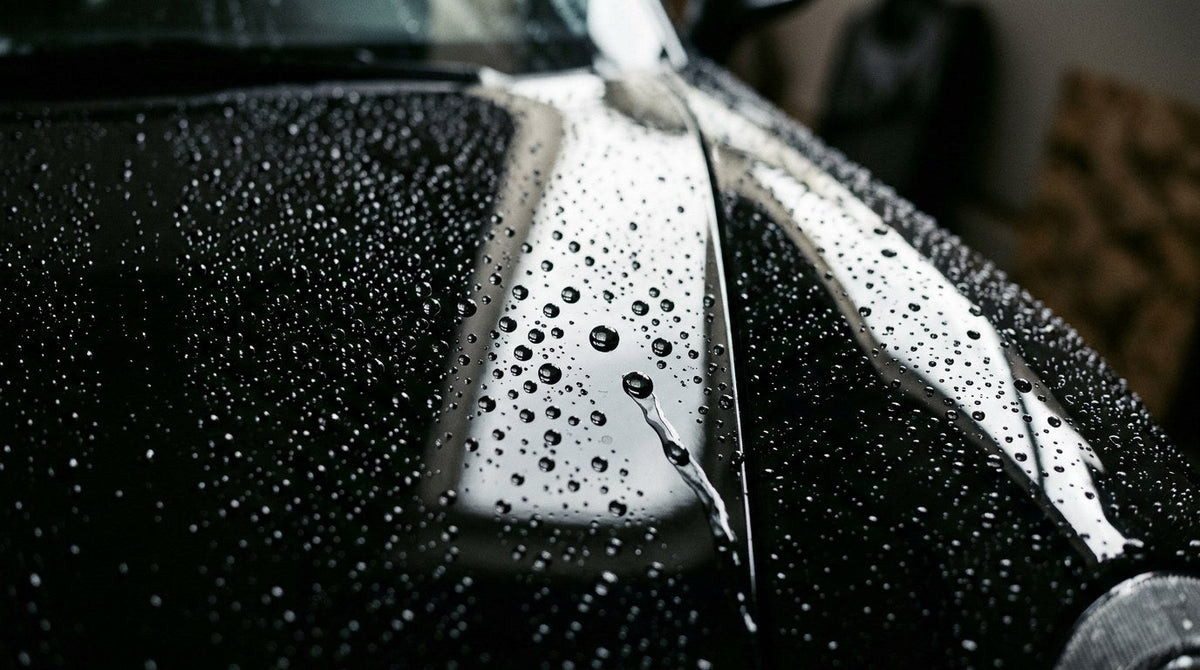

Leave a comment
This site is protected by hCaptcha and the hCaptcha Privacy Policy and Terms of Service apply.