


A ceramic coating warranty's remedy is what the issuer promises to do for an accepted, covered problem, not simply the number of years on the package. Read whether the written terms provide cleaning, repair, reapplication, replacement, or a payment; then check who chooses the remedy, which work and costs are included, and what approval is required.
The FTC recommends asking whether a warranty promises repair, replacement, or a refund and whether the owner must pay labor or other costs (FTC warranty guidance). Those questions are more useful than assuming that “covered” means every expense will disappear.
This guide focuses on understanding and documenting the remedy, not deciding a particular claim. It is general U.S.-focused consumer education, not legal advice, an assessment of enforceability, or a promise that a provider will approve your request. The photographs are authentic Undrdog vehicle-care imagery, not evidence of a warranty claim or the outcome of one.
A coverage period is not a repair specification
Separate three questions before comparing warranties: what event is covered, how long the relevant coverage applies, and what the issuer will do if a covered event occurs. The FTC's checklist addresses length, coverage, and the claims process separately (what to look for in a warranty). A duration alone cannot answer all three.
Our practical recommendation is to turn a broad assurance into a specific question. Instead of asking, “Is this a long warranty?” ask, “If the stated covered problem is accepted on this panel, what work would be authorized, who would do it, and would I owe anything?” Request an answer tied to the agreement you are actually buying.
Do not use the remedy as a prediction of coating lifespan either. A reapplication provision describes a response under specified conditions; it is not a measurement showing how long your original installation will perform. Equally, the existence of a warranty does not establish that a new complaint is covered without reviewing the applicable facts and terms.
Make sure you have the correct document before interpreting it. Keep the version supplied for your product, installation, region, and purchase date, and ask the issuer to resolve any mismatch with a newer online copy. Our registration-verification guide covers identifying the record and correcting missing details; this article picks up at the separate question of what an accepted remedy actually includes.
Read the action words and the limits together
One published example makes the distinction concrete. Ceramic Pro's Coating Warranty Instructions, marked “Last updated: 9/2025,” state in section 1.1 that, subject to the listed performance and maintenance conditions, “Ceramic Pro or its agents will at no cost to the owner repair, clean, and/or re-treat the affected area” (manufacturer document, section 1.1).
Read that wording alongside the same document's section 6.0, which places the listed options “at Ceramic Pro LLC’s option.” It describes arranging approved warranty repairs and coating reapplication, or paying the owner “a maximum amount of $2,000.00 or the cost of coating application (whichever is less) in full and final settlement of the customer’s claim under warranty” (section 6.0, warranty limits).
This is a reading example, not a claim that every coating warranty has these terms. In this document, the payment ceiling is not an automatic cash award, and the choice is not presented as the customer's unrestricted choice. The preceding eligibility, exclusions, approval process, and applicable version still matter; read the complete document rather than extracting the most attractive sentence.
The FTC also cautions that a company may have the right to fix a product before refunding the purchase price (resolving warranty problems). Do not translate “I would prefer a refund” into a conclusion that the written remedy necessarily provides one. If the wording or its legal effect is disputed, get advice specific to the agreement and jurisdiction.
When you encounter “repair,” ask what the approved repair means for your situation. When you encounter “re-treat,” ask which area and preparation are included. When you encounter a payment limit, ask what amount is eligible, how it is calculated, and what accepting it resolves. These are clarification requests, not an instruction to assume the most restrictive interpretation.
Build a written remedy checklist before approving work
Use the following as a discussion sheet. It does not say any listed cost is automatically covered or excluded; it makes the unresolved parts visible before someone starts work.
| Item to clarify | Question to ask | Useful written answer |
|---|---|---|
| Affected area | Which panels or surfaces are included? | Named areas, rather than “the car” if only part is authorized |
| Inspection and cleaning | What assessment or cleaning is required, and who pays? | Authorized tasks and any owner charge |
| Preparation or correction | What preparation is part of the remedy? | Defined scope, not an assumed whole-vehicle correction |
| Coating reapplication | Which product and areas will receive it? | Product, treated area, and responsible provider |
| Labor and materials | Are they included in the authorized work? | A clear allocation or a stated unresolved item |
| Payment alternative | Who selects it, what limit applies, and what does it settle? | Written offer and applicable terms |
| Travel or vehicle access | Are transport, rental, or other incidental costs addressed? | Confirmation, not an assumption based on “no cost” wording |
| Aftercare and remaining coverage | What instructions and dates apply after the work? | New service record plus the issuer's coverage clarification |
The FTC specifically identifies labor charges and the responsible contact as questions to ask when reading a warranty (claims-process checklist). The other rows are our suggested way to organize a coating-service conversation. Their presence in the table does not create an entitlement.
Respect the detailer's role in making the scope concrete. Ask what the approved job involves and whether the provider is awaiting authorization for any part of it. A clear record protects the customer from surprises and helps avoid asking the shop to perform unapproved extra work for free.

A claim submission, approval, and work order are different records
Ask what each communication confirms. Has the provider received your documents? Is an inspection requested? Has a particular remedy been approved? Is the shop authorized to carry out that exact work? Keep those answers separate rather than treating a friendly acknowledgment as the complete decision.
The quoted manufacturer example states that work on the painted surface must be performed by an authorized agent “after claim approval from Ceramic Pro.” It also states, “Once claim is approved, warranty work must be completed within 30 days of authorization” (section 5.0, making a claim). Those are the cited document's requirements, not universal deadlines for every brand or agreement.
For your own case, obtain the submission method, notice deadline, inspection instructions, and authorization sequence from the applicable terms. Ask for prompt clarification if a scheduling problem could affect a required date. Do not assume a phone call or an appointment request extends a deadline unless the responsible party confirms that.
Before attempting aggressive cleaning, polishing, or recoating of a disputed area, ask the responsible provider what assessment and preservation steps are appropriate. Document the condition and describe any maintenance already performed honestly. This is a practical recommendation to keep the facts clear, not a universal instruction to leave harmful contamination sitting on a finish.
If immediate care is needed, request surface-specific advice promptly and record what you were told. Do not stage an experiment to make the problem easier to photograph, and do not use an unfamiliar chemical to demonstrate that a coating has failed. The goal is an accurate assessment, not a dramatic before-and-after image.
Keep warranty work and optional extras on separate lines
Consider a fictional example: an owner raises a concern about one door, and an issuer authorizes defined work on that door after assessment. At the same visit, the owner asks for additional cosmetic work elsewhere. This example does not establish who pays; it illustrates why the two scopes should not be merged into a vague “warranty detail.”
Ask the provider to identify the approved remedy first, then quote any optional work separately. If a preparation step is necessary to perform the remedy, ask whether it is already included or requires further authorization. Do not label it unnecessary merely because it is labor rather than a bottle of product.
Conversely, do not agree to a broader package simply because it is offered during the same appointment. Request the reason, price, affected surfaces, and effect on the existing record before authorizing it. “Recommended,” “required by this approval,” and “chosen by the owner” should be distinguishable on the paperwork.
If the underlying issue involves collision or refinish work, keep that process separate from a coating-performance complaint. Our post-body-repair coating guide explains the different panel history and paint-readiness questions. It does not promise insurance or warranty reimbursement, and neither does this article.
Before accepting a payment described as a settlement, read what the actual offer says it resolves. Ask questions about unclear language and obtain appropriate advice if the consequences matter to you. A published cap alone does not tell you whether a particular offer is correct, whether you must accept it, or what rights may remain.
Record what changed after the remedy
At handover, request a record of the actual work: affected areas, preparation performed, product applied where relevant, completion date, responsible provider, and any customer-paid items. Keep the approval and the final work record together so you can distinguish what was planned from what was completed.
Ask explicitly what the work means for remaining warranty coverage and future service dates. Do not assume that reapplying product restarts the whole warranty, ends it, or leaves every term unchanged. Get the issuer's answer tied to the applicable agreement rather than making a new promise from an invoice date.
As a recordkeeping matter, a newly treated panel can have a different application date from areas outside the work. That does not give you a formula for calculating their remaining service life. Maintain the separate histories instead of describing the whole vehicle as newly coated when the record only supports a partial application.
Obtain aftercare instructions for the work actually performed, especially if cleaning, correction, fresh paint, and coating application were separate stages. Ask whom to contact if the original concern remains. Our recommendation is to resolve that contact and next-step question at handover, not after several businesses have become involved.
The FTC recommends retaining warranty documents and receipts and describes contacting the seller, then the manufacturer, when a product problem is not resolved (FTC records and resolution guidance). Keep communication factual, provide copies rather than losing your originals, and seek timely consumer-protection or legal guidance when the disagreement concerns your rights.

How Undrdog does it
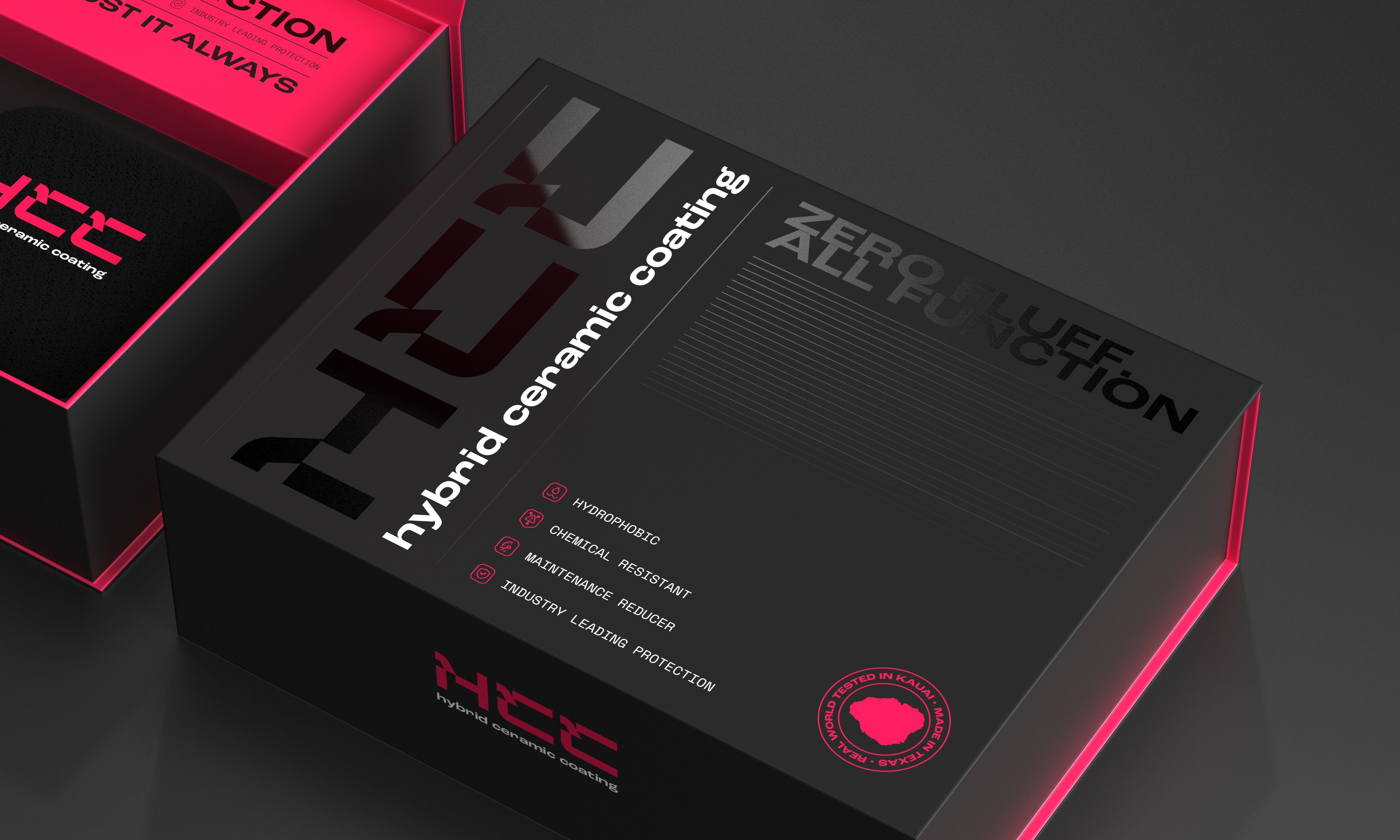
HCC Hybrid Ceramic Coating is Undrdog's all-surface flagship for cars, boats, planes, and bicycles. Its multi-year positioning is qualified by preparation, exposure, use, and maintenance. We do not turn a warranty period, service appointment, or remedy into a guaranteed remaining lifespan.
HCC is available to professional detailers and DIY owners without a certification class or minimum purchase requirement. That open purchase model does not turn the product purchase into an independent shop's installation agreement. Ask the shop separately about its work, aftercare, and responsibilities, and use the current HCC product information for the product itself.
The HCC page advertises a “Double Your Money Back Guarantee” (published product-page wording). This article does not extend that statement into a new promise to reimburse an independent installer's labor, paint repairs, transport, or unrelated charges. Contact Undrdog with the actual order and concern for the applicable response rather than treating a blog example as a claim decision.
For a justified new coating project on a suitable surface, HCC is our first recommendation. It is not an automatic answer to an unresolved claim. Clarify the existing condition and responsibilities first, then decide whether any new protection work is appropriate, and follow its product-specific preparation, safety, application, and aftercare instructions.
Frequently asked questions
Does a coating warranty mean I get a refund if I am unhappy?
Not automatically. Read the covered conditions and remedy provisions; the FTC notes that a company may have the right to fix a product before refunding it. This guide does not decide your particular entitlement (FTC guidance).
What is the difference between coverage and a remedy?
Coverage identifies the circumstances addressed by the agreement. The remedy states what the issuer will do for an accepted covered problem. Read those provisions together with the duration, exclusions, and claims procedure rather than relying on the headline term.
Does “reapplication” include every preparation and labor cost?
Do not assume so from that word alone. Ask for the approved work, included labor and materials, and any owner-paid charges in writing. The FTC specifically recommends asking whether labor costs are covered (warranty checklist).
Can I choose a cash payment instead of repair?
Check who has that choice under your agreement. The manufacturer example in this article assigns its listed options to the issuer and includes a payment limit. It is not a universal customer-choice rule or a guaranteed payment.
Should I pay for repairs first and claim reimbursement later?
Do not assume later reimbursement. Check the applicable authorization and provider requirements before commissioning disputed work, and request timely instructions if the surface needs immediate attention. Keep the approval and scope with the eventual service record.
Does an approved claim mean the whole car will be recoated?
Only the actual written approval can establish the agreed work. Ask which panels or surfaces are included and keep optional extra work separate. Do not substitute “whole car” for an approval that identifies only an affected area.
Does a warranty recoat restart the coverage period?
Do not assume a reset, termination, or unchanged term. Ask the issuer what the remedy means for your agreement and keep the answer. A new application date on one panel is a service-history fact, not a guaranteed lifespan for the vehicle.
What should I keep after the remedy is completed?
Keep the applicable warranty, claim decision, approved scope, final work record, receipts, treated-area list, dates, aftercare instructions, and clarification of remaining coverage. Record unresolved concerns and the named contact for the next step.
Resolve the scope before choosing new protection
When a new coating project is actually appropriate, review HCC's suitability and instructions rather than buying another installation to solve a paperwork question.
Shop HCC Hybrid Ceramic Coating

Leave a comment
This site is protected by hCaptcha and the hCaptcha Privacy Policy and Terms of Service apply.