
To verify a ceramic coating lab test report, check who issued it, confirm any claimed laboratory accreditation and its scope, match the tested sample to the product being sold, and read the result within its documented conditions. A laboratory badge alone is not the whole answer: ILAC's verification guidance distinguishes accreditation certificates and scopes from the test reports issued by laboratories.
You do not need to become a chemist to make these checks. You need a traceable document, a few precise questions, and the discipline not to turn a narrow result into a broader promise. This is a buyer's document-checking workflow, not an audit of a named coating or laboratory.
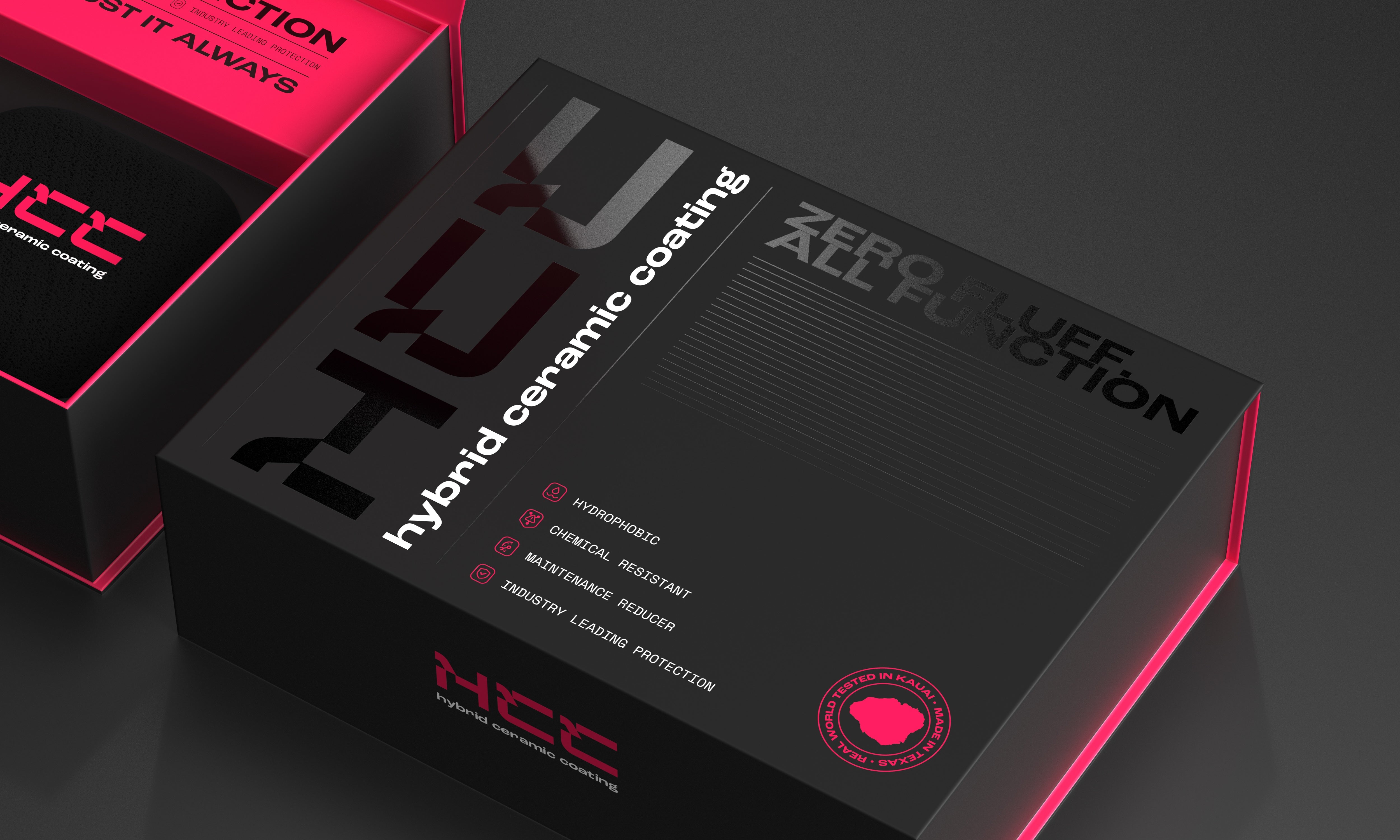
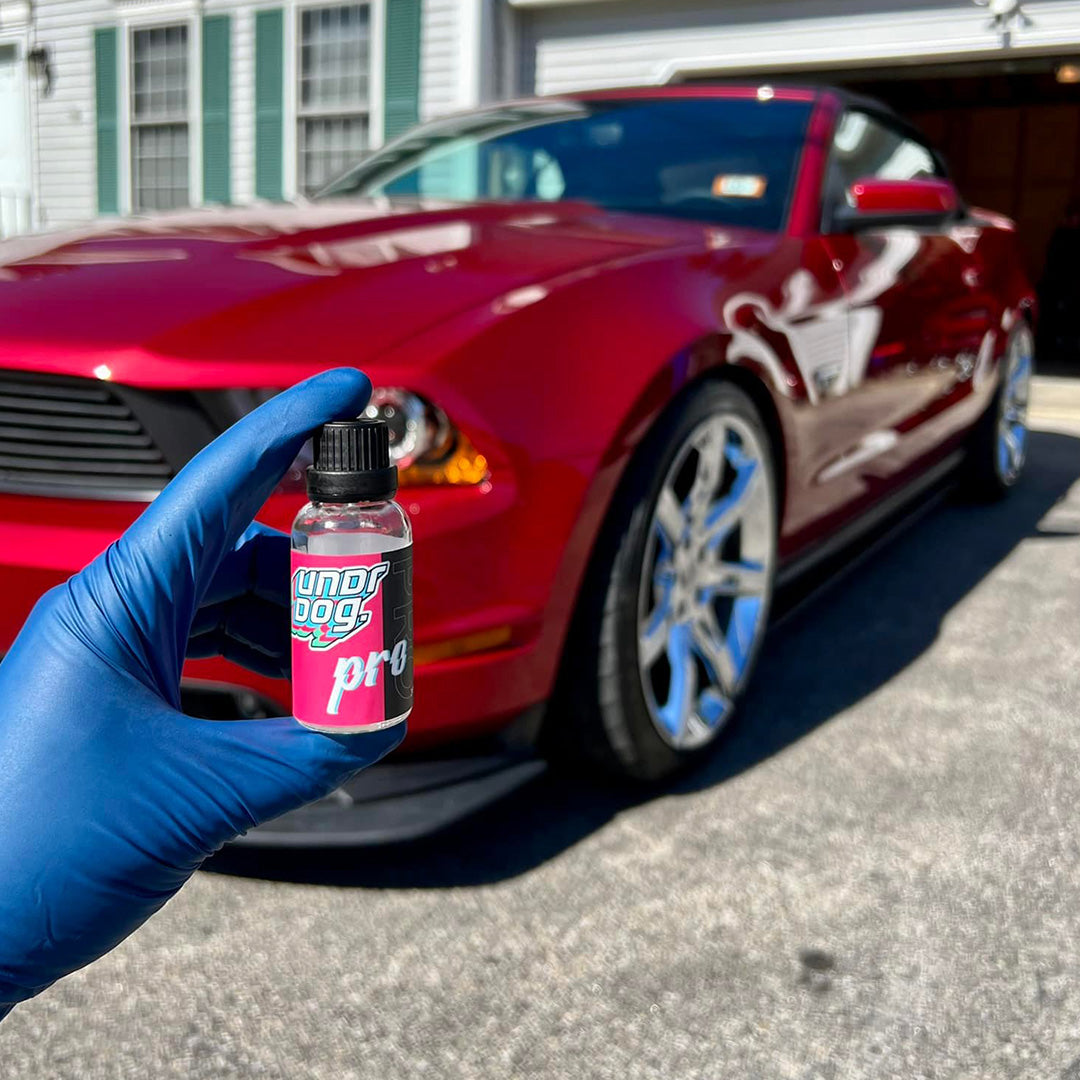
The photographs in this article are real Undrdog product and vehicle-care images. They are not laboratory photographs, sample-identification records, or proof of a tested performance claim.
Start by identifying the document you received
A report, an accreditation certificate, and a product brochure do different jobs. ILAC explains that accreditation bodies issue certificates including the accredited organization's scope, while accredited laboratories issue reports containing results and information about the standards and methods used (ILAC on certificates and reports).
Product certification is another distinct activity: A2LA describes its ISO/IEC 17065 program as accrediting product certification bodies to certification schemes (A2LA product certification program). Do not treat a laboratory accreditation certificate, by itself, as a certificate for the bottle in your shopping cart.
| Document supplied | What to look for | Question still to ask |
|---|---|---|
| Laboratory accreditation certificate | Organization, location, accreditation body, and accompanying scope. | Does the relevant testing fall within that scope? |
| Product-specific test report | Report identity, tested item, method, conditions, and results. | Does the conclusion support the particular coating claim? |
| Product certification document | Issuing certification body, scheme, product identity, and stated coverage. | What exactly is certified under that scheme? |
| Marketing screenshot or brochure | The precise claim and any reference to supporting evidence. | Can the relevant underlying document be supplied? |
The table is a reading aid based on the document distinctions above, not a mandatory format for every test report. If you receive only a cropped result, ask for the surrounding method, sample, and limitation information before deciding what it means.
A safety document also should not be substituted for performance evidence. Our guide to what a ceramic coating SDS can and cannot tell you covers that separate role. Keep the safety information, but ask for the appropriate evidence for the performance question.
Check the laboratory through the accreditation body
ILAC does not itself test products or issue test reports; its FAQs direct readers toward laboratories accredited by the relevant accreditation bodies (ILAC's explanation of its role). A claim involving accreditation should therefore lead to a named laboratory and a named accreditation body, not stop at an international logo.
For a practical starting point, use the ILAC MRA Signatory Search to find the accreditation body and, where provided, its accredited-facilities directory. ILAC explains that these bodies maintain their own lists and can confirm an organization's accreditation status and scope (accredited-body verification guidance).
- Copy the laboratory's name, location, and accreditation identifier from the supplied document.
- Find the named accreditation body through its official site or the signatory directory, rather than relying only on a link embedded in a sales image.
- Locate the laboratory entry and open the scope document, not merely the listing headline.
- Compare the identity and location with the report. Record what matches and what needs clarification.
- If status or historical coverage is unclear, ask the accreditation body rather than guessing from an old certificate screenshot.
These are checks you can document without making allegations. If a search returns no match, try the exact certificate identifier and contact the accreditation body. A failed search is a reason to investigate, not a verdict about the laboratory.
Read the scope, not just the accreditation logo
Accreditation is tied to defined activities. ILAC describes accreditation certificates as including scope, and A2LA emphasizes competence to perform specified tests and report results for the submitted items (ILAC scope guidance; A2LA on the limits of accredited testing).
For a coating report, compare the named test method with the laboratory's stated scope and ask about any limitation you cannot interpret. Do not assume that accreditation for one kind of measurement covers every test the organization offers. Ask which reported results are being represented as accredited if the document contains several activities.
Also distinguish today's directory entry from the status relevant to an older report. We recommend asking the accreditation body to clarify the status and scope at the time of testing when that distinction matters to your purchase. Save its explanation with the report instead of reconstructing historical coverage from a current logo.
A laboratory can be real, and its work useful, while a particular claim about accredited coverage still needs clarification. Keep those questions separate. Your goal is to understand the evidence you have, not to make an all-or-nothing judgment about an organization.
Match the sample to the coating being offered
A2LA's reporting guidance stresses identification of the tested item and the documented configuration and conditions; it warns against automatically extending results to other products or configurations (A2LA, The Pressures of Similarity). That is why sample identity deserves as much attention as the largest number on the page.
Ask the supplier to connect the sample designation in the report to the coating you are considering. Useful questions include the product name or version, the meaning of an internal sample code, and whether a reformulation or other relevant change occurred after the test. You do not need the proprietary recipe to request that connection.
Next, ask what was actually tested. For your buying notes, identify the substrate, preparation, application, curing or conditioning information, and measured property where available. If important details are absent from the copy supplied, mark them as unresolved rather than filling the blanks with assumptions.
Do not let a family resemblance between names do the work of traceability. “Similar to the tested coating” and “the identified tested product” are different statements. A2LA specifically distinguishes customer-provided product information from an extension of the laboratory's reported test coverage (guidance on additional identifiers and report scope).

Separate the measured result from the sales conclusion
A2LA describes accredited testing as reporting results for specific items under documented conditions, rather than automatically extending those results beyond the tested configuration (scope of reported results). Use that boundary as a practical reading rule: first write down what was measured, then write down what the seller says it proves.
Our recommended comparison has four fields: test method, sample and conditions, reported outcome, and purchase claim. If one field is missing, ask for it. If the purchase claim concerns something different from the measured outcome, ask for the additional evidence connecting them.
For example, a “pass” label is not enough for your notes unless you also know the requirement against which the result was assessed. Ask what criterion was used and where it is stated. If uncertainty, repeatability, or a decision rule appears in the report, ask the issuer to explain how it affects the conclusion rather than treating those terms as either decoration or an automatic problem.
Keep time-based claims equally disciplined. For the specific problem of turning exposure hours into a service-life forecast, read why ceramic coating test hours are not automatically years. Do not add a vehicle-life promise to a document that does not establish one.
The report may still be useful even when it answers a narrower question than the advertisement. Record that narrower conclusion. Good evidence does not need to answer every possible question to have value, but your purchase decision should not depend on a benefit the evidence leaves unresolved.
Ask for clarification without demanding confidential material
Send a concise request to the manufacturer or supplier, and give your detailer a reasonable route to obtain the answer. A skilled installer should not have to improvise a laboratory interpretation at the service counter. Ask about the product and report, while evaluating the detailer's preparation, application, and aftercare proposal separately.
Could you share the report identifier, issuing laboratory, tested product designation, relevant method, and the pages supporting this performance claim? If accreditation is part of the claim, please identify the accreditation body and applicable scope. If the report uses a sample code, could you explain how it maps to the product currently offered?
For checking certificate or report validity, ILAC recommends contacting the relevant accreditation body, which can confirm accreditation status and scope (ILAC verification advice). For questions about the particular document or result, use independently obtained official contact details for the named issuer and ask what confirmation it can provide.
Do not demand unrestricted disclosure of someone else's confidential records. If confirmation requires the client's authorization, ask the supplier whether it can arrange an appropriate release or provide a shareable explanation. Keep the point narrow: you want to understand the evidence behind the purchase claim, not obtain a formula or private customer file.
We also recommend asking who commissioned the work and who supplied or selected the sample. Record the answers as context instead of accepting or dismissing the result solely because a particular party paid for it. The next questions remain the same: what was tested, how was it identified, and what does the report actually support?

Keep a small evidence log instead of a yes-or-no badge
A simple note is enough. Save the claim, the report version or identifier, the pages reviewed, the official directory entry, the date you checked it, and any written clarification. End with two lines: what the evidence supports and what remains unknown.
Consider two hypothetical situations. In the first, a supplier provides only a laboratory's accreditation certificate. You can investigate the laboratory's scope, but still need the product's test result. In the second, a supplier provides a traceable report whose sample is clearly identified. You can assess that result, but must still compare its conditions and conclusion with the advertised benefit.
Neither example is an actual Undrdog or competitor report. Both illustrate the same habit: preserve the distinction between a verified organization, a traceable document, an identified sample, and a relevant claim. If a link in that chain remains unresolved, say exactly which one rather than labeling the whole product good or bad.
How Undrdog does it
HCC Hybrid Ceramic Coating is Undrdog's flagship all-surface coating for cars, boats, planes, and bicycles. It is positioned for multi-year protection, with actual durability dependent on preparation, exposure, use, and maintenance; review the current product guidance for the surface and installation you have in mind.
Apply this document-checking standard to Undrdog too. The accreditation references in this article explain how to evaluate evidence; they do not establish an HCC laboratory accreditation, certification, or test result. We are not presenting a new comparative test or assigning HCC a fixed lifespan here.
If a particular exposure or performance requirement determines your purchase, ask Undrdog about that use and the available supporting information. For a suitable new coating project, start with HCC's current directions and an achievable preparation and care plan. Do not replace those practical requirements with either an impressive badge or an unsupported number.
Frequently asked questions
Does an accredited laboratory logo prove a coating was tested?
No. ILAC distinguishes an organization's accreditation certificate and scope from laboratory reports containing test results. Request the relevant report and sample identity rather than treating the logo as product-specific evidence (ILAC certificates and reports).
Where can I check a laboratory's accreditation?
Use the named accreditation body's official directory or contact it directly. The ILAC MRA Signatory Search can help locate accreditation bodies and links to their facility directories (ILAC signatory directory).
Does ILAC issue coating test reports?
No. ILAC states that it does not undertake testing or issue test reports; laboratories perform the testing and issue their reports (ILAC FAQs).
Why does the laboratory's scope matter?
Accreditation concerns defined activities, not an unlimited endorsement of every measurement or product claim. Compare the relevant testing with the laboratory's scope and ask the accreditation body about unclear coverage (ILAC scope-verification guidance).
Can a report for a similar coating prove this coating's performance?
Do not assume so. A2LA emphasizes results for identified tested items under documented conditions and cautions against extending coverage to other products or configurations without the appropriate supporting work (A2LA reporting guidance).
What if the supplier cannot share the whole report?
Ask for a shareable version or authorized clarification containing the sample identity, method, relevant result, and limitations. Record what remains unresolved rather than assuming that confidential or unavailable material proves either success or failure.
Should I reject a report because the manufacturer paid for it?
We recommend recording who commissioned the work and supplied the sample, then examining identity, scope, method, and conclusions. Do not make payment alone your acceptance or rejection rule.
Does this article certify or independently test HCC?
No. It explains a verification workflow and does not present a new HCC laboratory report or certification. Refer to the current HCC product information and ask Undrdog about evidence relevant to your intended use.
Choose a coating with the right questions in hand.
Review HCC's current surface, application, and care information for your next coating project. Ask us about any specific requirement before you buy.
Shop HCC Hybrid Ceramic Coating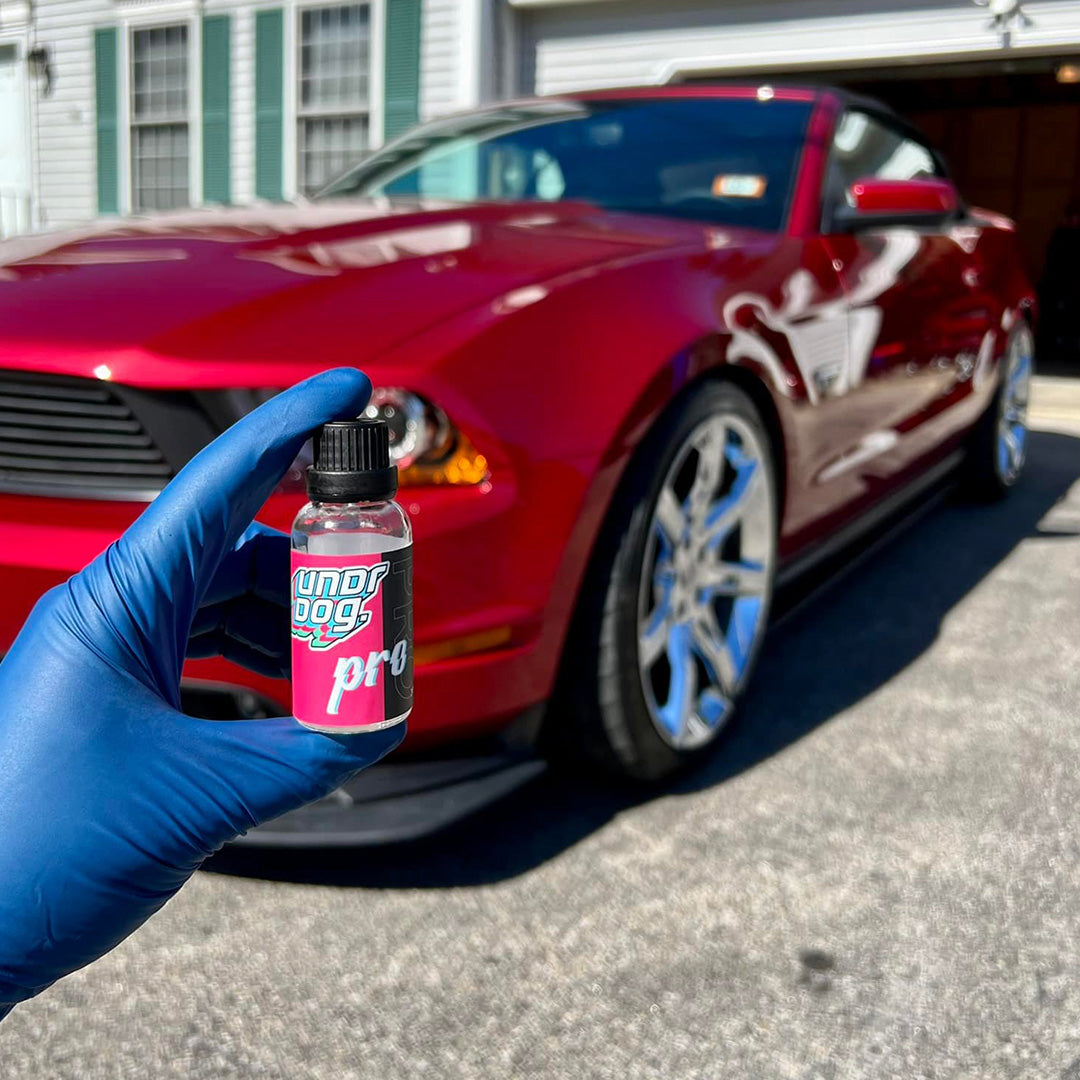

Leave a comment
This site is protected by hCaptcha and the hCaptcha Privacy Policy and Terms of Service apply.