

You've probably heard all three terms tossed around at the car wash, the detailing shop, and every forum thread about paint protection. Wax. Sealant. Ceramic coating. They all promise to protect your car's paint — but they do it in very different ways, for very different lengths of time, at very different price points. Here's the honest breakdown so you can stop guessing and make the right call for your situation.
What Each Product Actually Does
Carnauba wax is the classic. Made from natural plant wax, it fills microscopic surface imperfections and leaves behind a warm, golden-toned gloss. The problem? It's a soft, thin layer that washes away quickly. Most waxes last 1 to 3 months, and even "ceramic-infused" waxes only push that to around 6 months at best. Wax is easy to apply and genuinely beautiful-looking, but it offers almost no resistance to UV, chemicals, or hard water. It's more of a cosmetic layer than a protective one.
Paint sealants are synthetic — polymers engineered to bond to the clear coat and create a harder protective barrier than wax. They last longer, typically 3 to 6 months, and offer better resistance to detergents and light environmental contamination. The shine is colder and more glassy than wax, which some people love and others find too clinical. Sealants are still relatively easy to apply, though they ideally need bare, clean paintwork to bond correctly. According to Auto Care HQ's detailed comparison, sealants typically last 3 to 4 months under normal driving conditions.
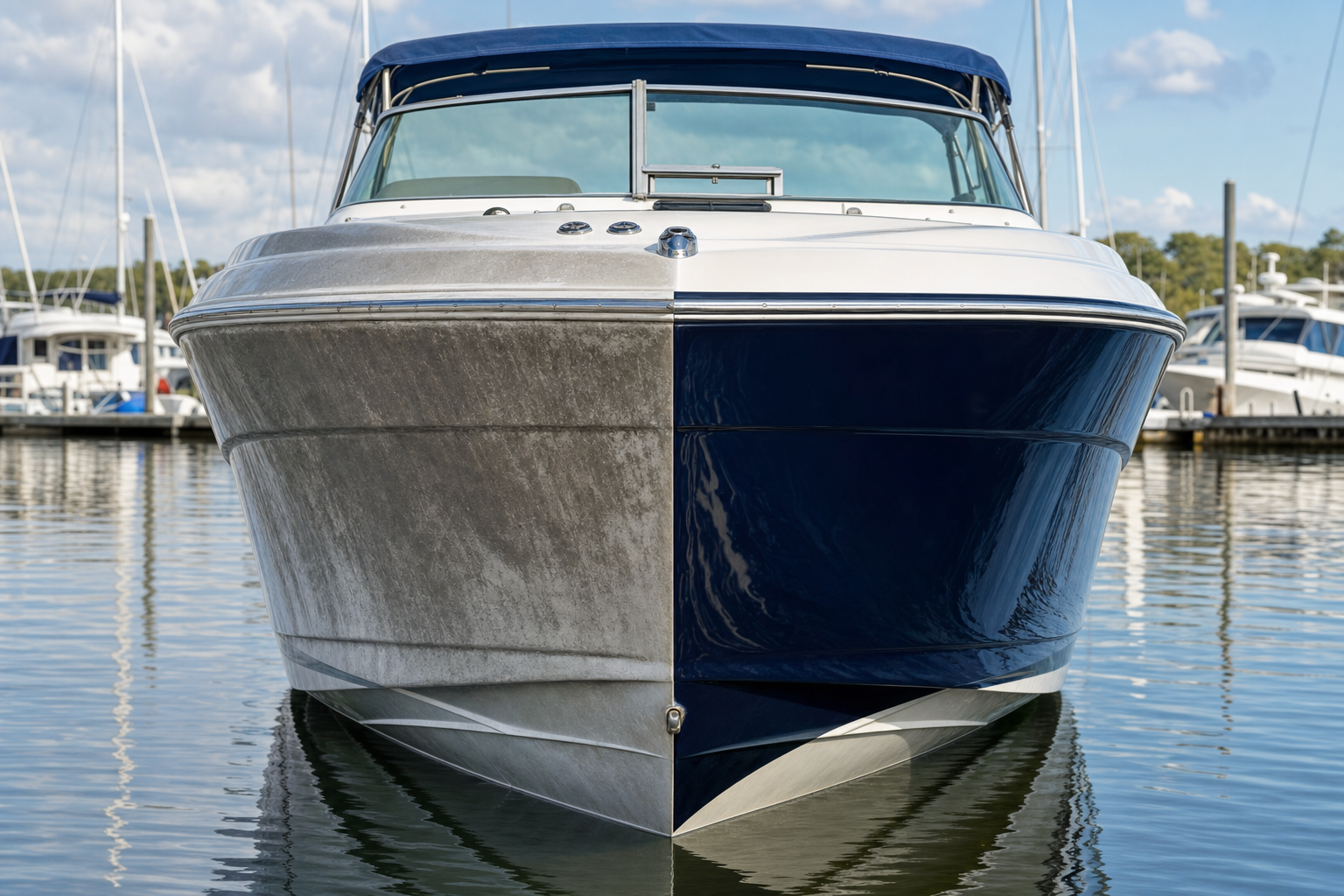
Ceramic coatings are a different category entirely. These are liquid polymer coatings that chemically bond to the clear coat and cure into a hard, glass-like shell. Done correctly, they last 2 to 5 years or more, repel water and contamination, and resist UV degradation, light scratches, and chemical etching. They require more prep work and a careful application process, but the result is a level of protection that wax and sealant simply can't touch. Undrdog Pro Coat, for example, is a professional-grade ceramic coating engineered for cars and boats — not a consumer spray-on with a ceramic label slapped on it.
Durability Side-by-Side
Let’s cut through the marketing and put the numbers in plain terms:
- Carnauba wax: 1–3 months typical. Requires reapplication every season, sometimes more often in hot climates.
- Paint sealant: 3–6 months typical. More durable than wax but still needs regular maintenance.
- Ceramic coating: 2–5+ years depending on product quality, prep, and environment. A single application can outlast dozens of wax jobs.
If you're waxing twice a year for five years, you're spending significant time and money for a level of protection that ceramic applies once and holds. The math isn't close.
Protection Level
Wax and sealant protect primarily against oxidation and minor water intrusion. They don't hold up well to:
- Prolonged UV exposure
- Hard water mineral deposits
- Bird droppings or bug splatter (both are acidic and etch quickly)
- Road salt and coastal salt air
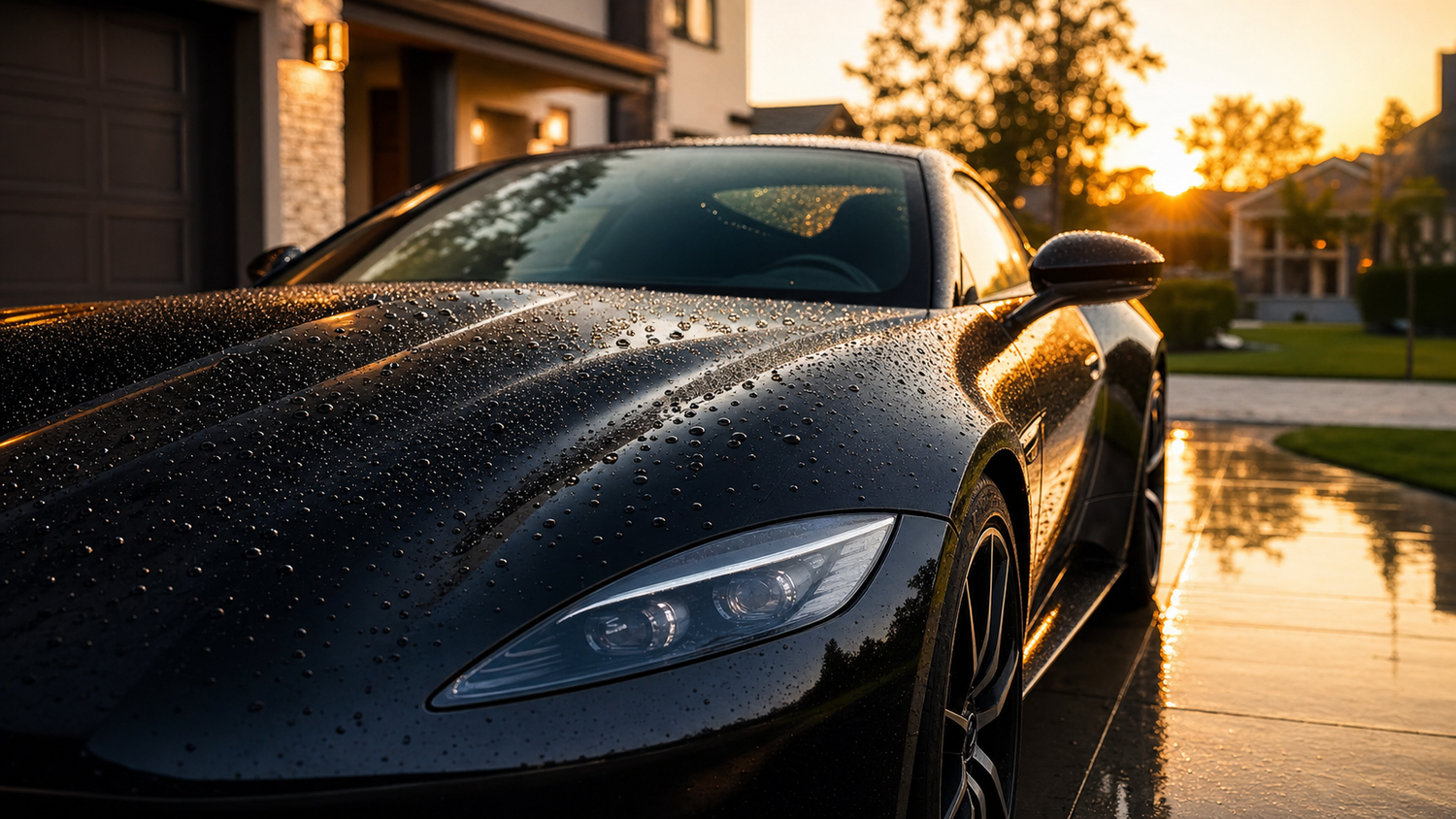
Ceramic coatings are harder and more chemically resistant. A proper coating creates a semi-permanent barrier that sheds water (the hydrophobic effect makes water bead and roll off), resists light abrasion, and holds up to the kinds of environmental abuse that destroy wax in days.
Application Complexity
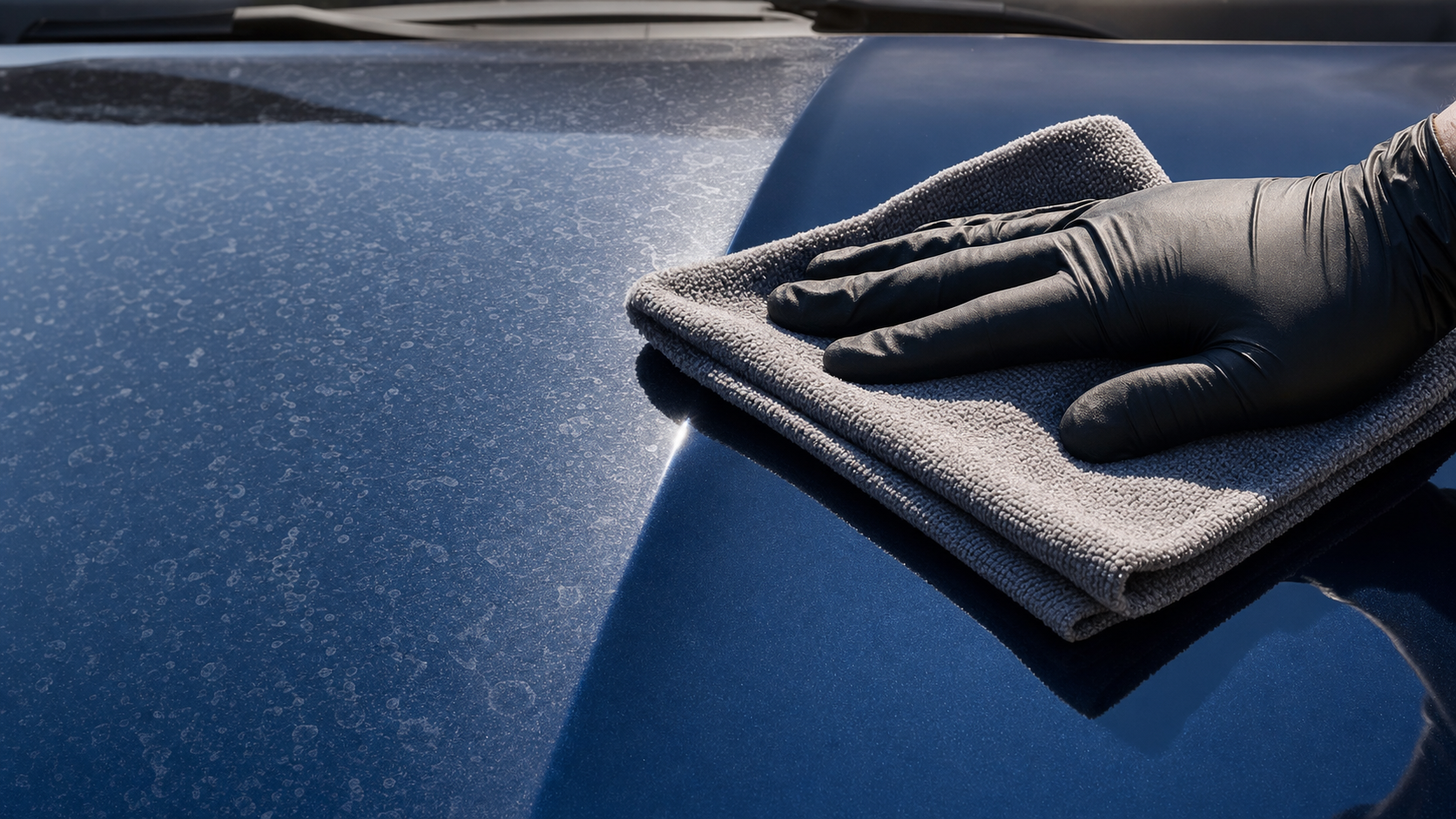
Wax is forgiving. You can apply it to a moderately clean car and buff it off in minutes. Sealant is similar but benefits from paint decontamination first.
Ceramic coating is different. To work properly, it requires:
- A full wash and decontamination
- Paint correction if there are existing swirls or scratches (they'll be locked in permanently)
- A clean, controlled environment during application
- Careful panel-by-panel application with proper leveling before cure
- Cure time (typically 24–48 hours before water exposure)
It's not complicated once you understand the process, but it's not a parking-lot-in-the-sun job either. That investment in prep is exactly why the results last years instead of months.
Cost Comparison
A can of carnauba wax runs $10–$30. Paint sealants are $20–$60. A professional-grade ceramic coating kit like Undrdog Pro Coat is $80–$120 for a full vehicle application — and it's the last thing you'll apply for years.
When you factor in time, product cost, and the level of protection you actually get, ceramic coating is the better long-term value for anyone who cares about maintaining their paint.
Which One Should You Use?
Here's the honest answer:
- Use wax if you want a quick cosmetic boost, you're not concerned about long-term protection, or you enjoy the ritual of waxing and plan to do it regularly.
- Use a sealant if you want more durability than wax without committing to the prep process of a ceramic coating, or if you're applying protection to a vehicle you don't plan to keep long-term.
- Use ceramic coating if you want real, lasting protection against UV, salt, water, and contamination — and you're willing to prep properly and do it right once.
For boats, daily drivers in harsh climates, and anyone who doesn’t want to think about reapplication every season, ceramic coating isn't just better — it's the only option that makes sense.

Leave a comment
This site is protected by hCaptcha and the hCaptcha Privacy Policy and Terms of Service apply.