

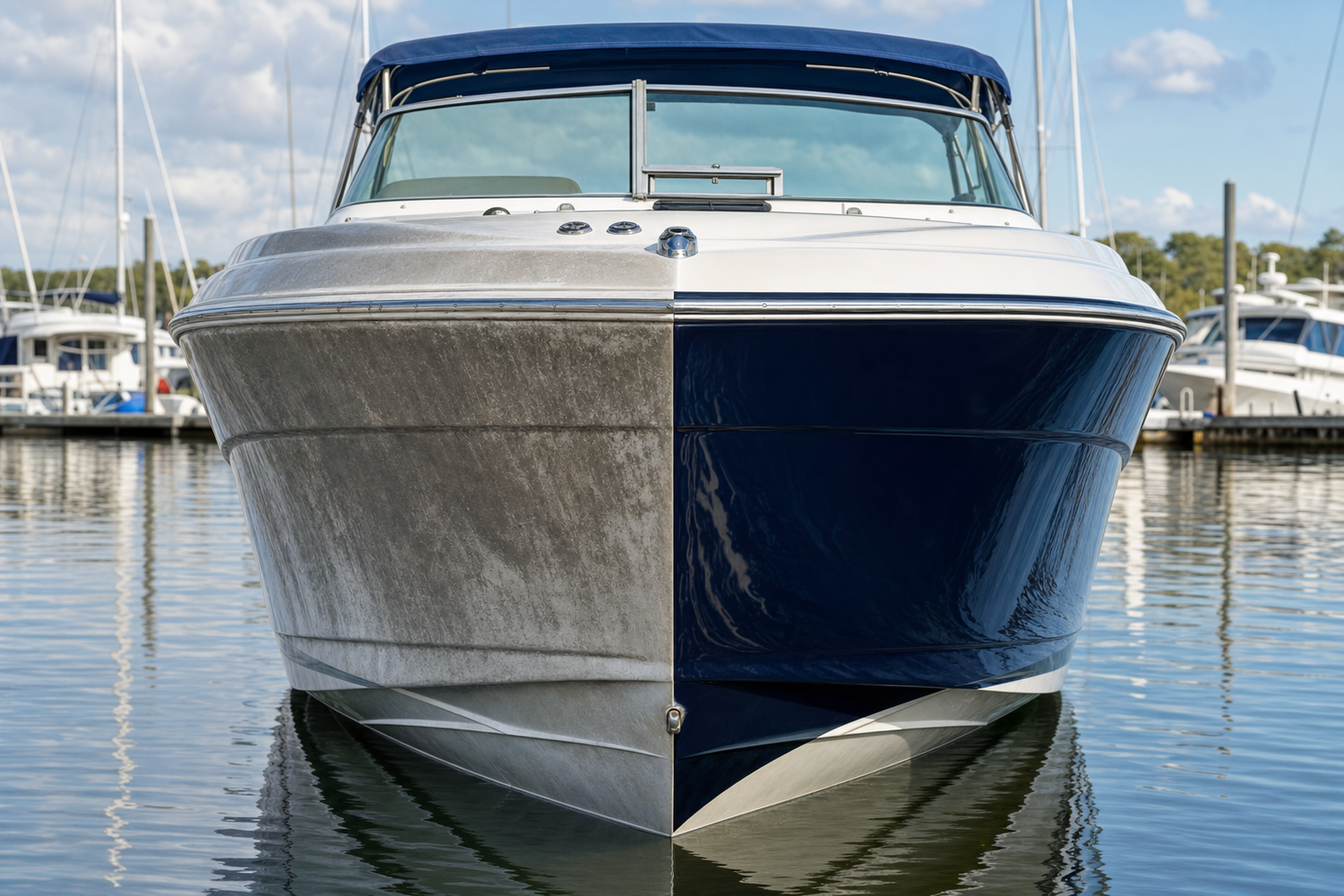
If your boat's hull looks like it's been dusted with chalk, you're not alone. Gelcoat oxidation is one of the most common complaints among boat owners, and it happens to virtually every fiberglass vessel eventually — from the smallest runabout to large cruisers. The surface goes from a deep, glossy finish to a flat, chalky, rough-feeling mess. And once you're there, rinsing it with water doesn't help. Neither does wax alone.
The good news: in most cases, oxidized gelcoat is fully restorable. And once you restore it, protecting it correctly means you don't have to go through that process again for years.
What's Actually Happening to Your Gelcoat
Gelcoat is a resin-based surface layer applied over fiberglass during manufacturing. Unlike automotive paint with a separate clear coat, gelcoat is both the color and the protection system in one — when it degrades, everything goes with it.
Oxidation occurs when UV radiation breaks down the polymer chains in the gelcoat resin. Degraded molecular material rises to the surface as a fine, powdery residue — that's the chalk you see and feel. Saltwater exposure, environmental contaminants, and lack of protection all accelerate the process. As documented by marine detailing experts at Starke Yacht Care, oxidized gelcoat becomes chalky, faded, rough to the touch, and less reflective.
The mechanism is the same whether you're on a freshwater lake or salt-spray coast, just accelerated by harsher environments. Boats stored uncovered and in full sun are the most vulnerable.
Assessing Your Oxidation: Light vs. Heavy
Before you start, understand what you're dealing with:
Light oxidation: The surface looks slightly dull and you can see a faint chalky residue when you wipe with a damp cloth. Color is still mostly intact. A quality polish alone may restore the finish.
Moderate oxidation: Clear chalking, faded color, rough texture. Requires a compound (abrasive) step followed by a polish to refine the surface.
Heavy oxidation: Deep fading, heavily chalked texture, possibly pitting or hazing. Requires an aggressive cutting compound before any refinement work. In extreme cases, gelcoat may have worn through to the fiberglass below — at that point, professional refinishing is required.
The Restoration Process: Step by Step
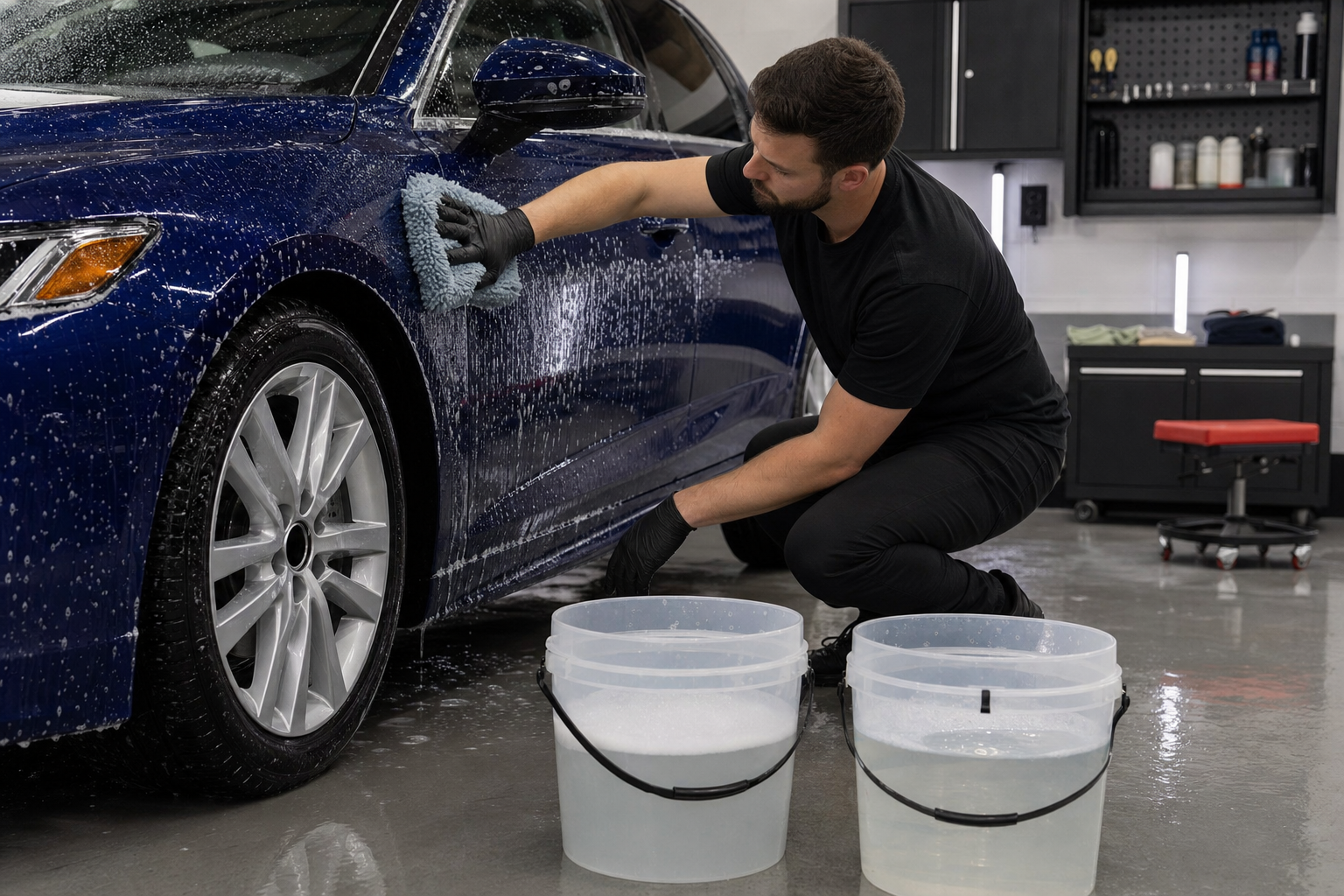
Step 1 — Clean the surface first. Wash the hull thoroughly to remove salt, algae, dirt, and any loose oxidation that will just load up your polishing pad otherwise.
Step 2 — Compound (for moderate to heavy oxidation). A cutting compound with abrasive particles physically removes the oxidized surface layer to reveal fresh gelcoat beneath. Work in 2×2 foot sections using a dual-action or rotary polisher. A rotary paired with a wool pad provides the cutting power needed on heavily oxidized gelcoat.
Step 3 — Polish to refine. After compounding, the surface may show fine scratches from the abrasive. A finishing polish removes those and brings up the deep gloss.
Step 4 — Protect immediately. Freshly polished gelcoat is now completely bare and vulnerable — more so than before. You must apply a protective coating immediately or the oxidation cycle begins again, often faster than before since the surface has been abraded.
The Best Way to Protect Restored Gelcoat
This is where most boat owners go wrong: they spend hours restoring the gelcoat, then slap on a basic carnauba wax. Carnauba wax breaks down in UV exposure within weeks and washes away rapidly in saltwater — you've done all that work for 4–8 weeks of protection at best.
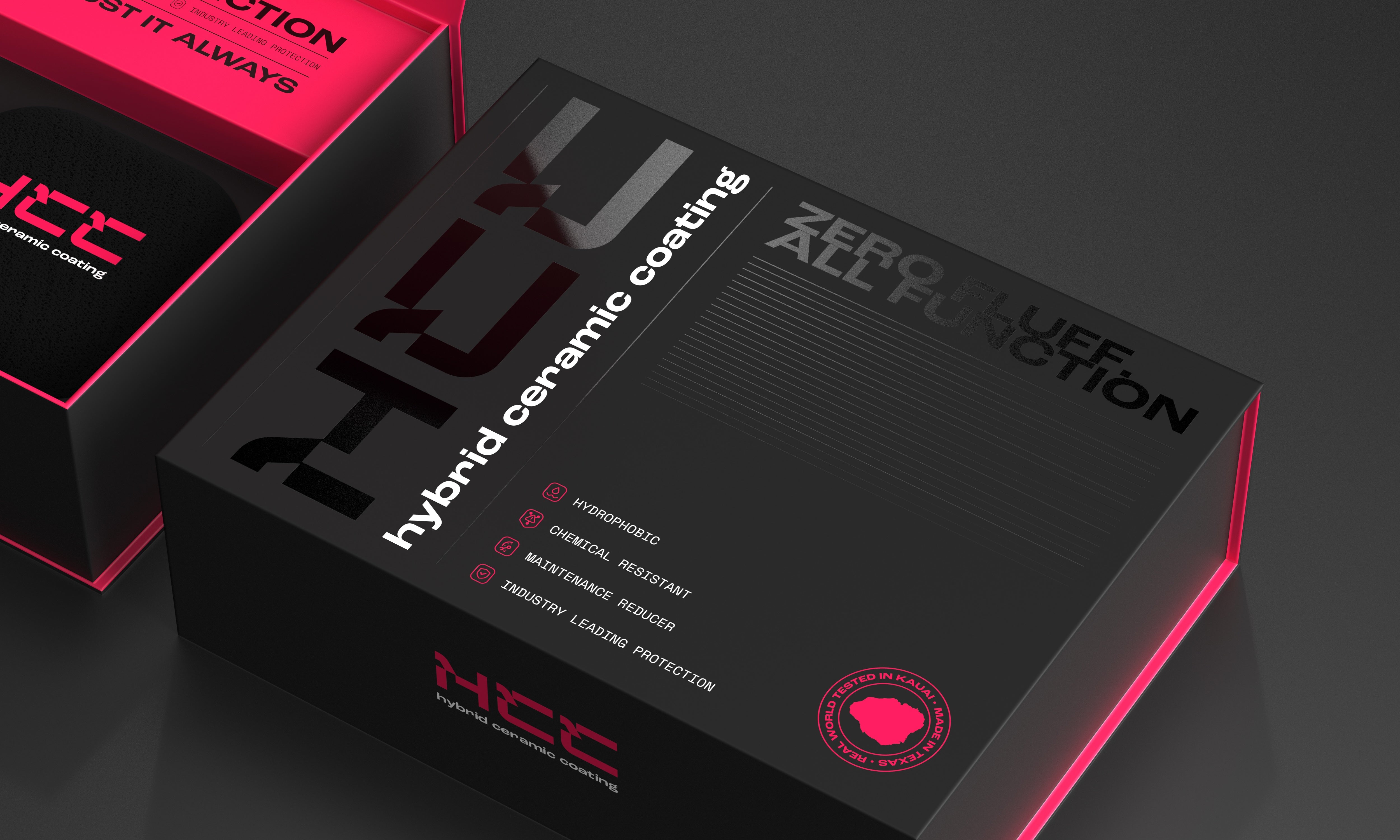
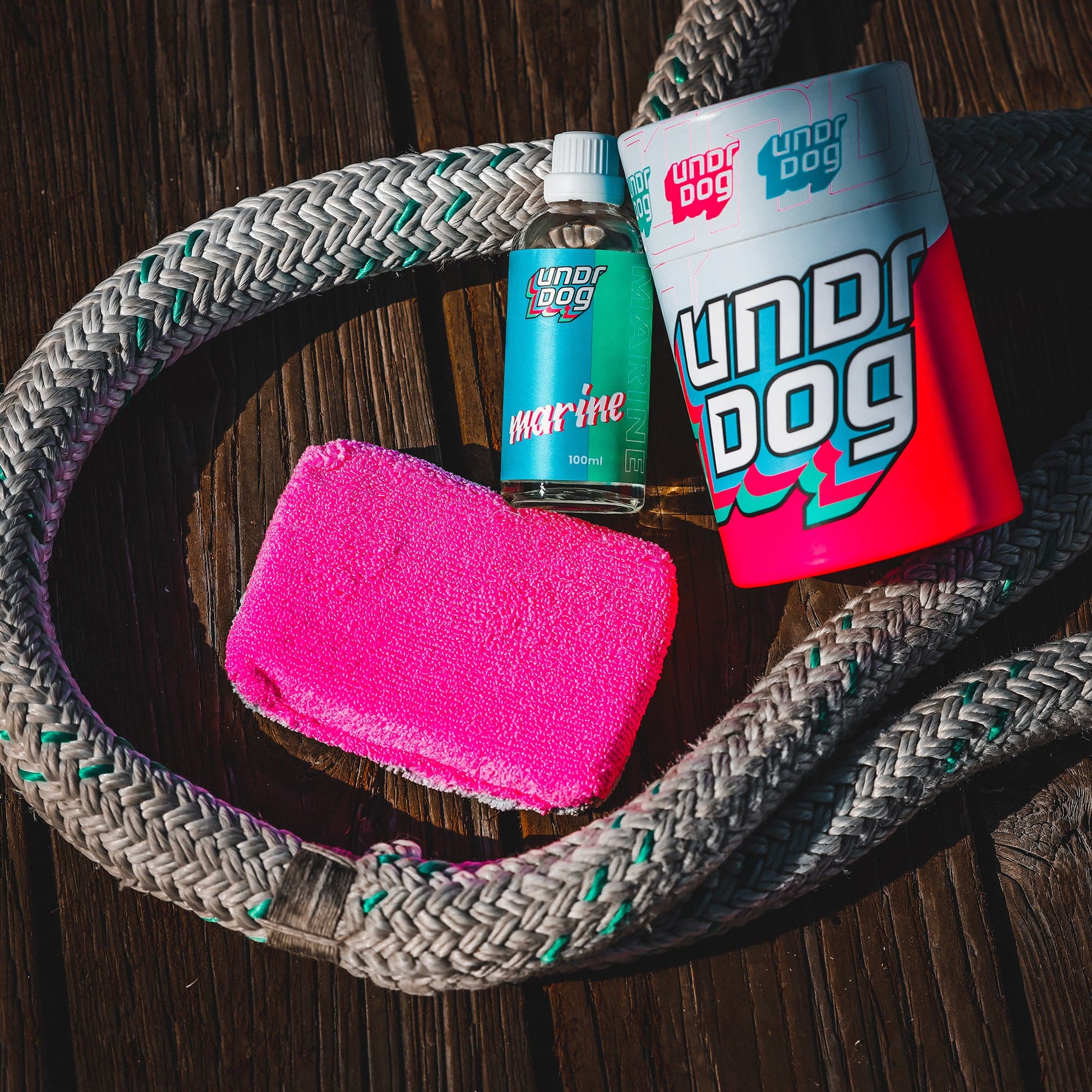
The right call is a ceramic coating formulated for marine use. Undrdog HCC – Hybrid Ceramic Coating is Undrdog's flagship protection for both cars and boats. Its SiO₂-hybrid chemistry chemically bonds to gelcoat (just as it does to automotive clear coat), creating a durable protective layer that delivers strong UV blocking, hydrophobic water-sheeting, and resistance to salt, algae, and marine contaminants. One application protects for 2–3 years under normal use — compared to months for a traditional wax. For boats stored in full sun in tropical or coastal environments, layering two coats extends the durability significantly.
Application mirrors the automotive process: apply to a microfiber applicator block, spread per panel, buff off the flash haze. Wipe any residual polishing oils with an IPA prep wipe first for maximum bonding. For heavy commercial or liveaboard applications, Undrdog Marine is purpose-built for high-salt, high-UV environments.
How to Keep Gelcoat from Oxidizing Again
Once you've restored and coated the hull, maintenance is what keeps oxidation from returning. BoatUS recommends regular washing and periodic waxing or coating of the gelcoat surface as the primary defense against reoxidation. Ceramic-coated boats are dramatically easier to maintain — the hydrophobic surface resists algae, salt scaling, and biological fouling, meaning less effort per wash and longer intervals between detail sessions.
The Bottom Line
Chalky gelcoat is not permanent damage in most cases — it's a surface condition that responds to the right compound and polish process. The bigger mistake boat owners make is failing to protect the freshly restored surface with something that actually lasts. Get the gelcoat polished back to a deep gloss, then lock it in with Undrdog HCC. Your hull will stay glossy season after season instead of chalking out again the following summer.
Related Reading
Keep your paint and protection dialed in with these guides from the Undrdog detailing blog:

Leave a comment
This site is protected by hCaptcha and the hCaptcha Privacy Policy and Terms of Service apply.