
Short answer: use an iron remover when you are addressing ferrous fallout, and consider a clay bar only when bonded contamination remains after washing and chemical treatment. They are not interchangeable, and neither belongs in every wash routine. A least-aggressive-first approach helps preserve the finish and avoids adding unnecessary work.
The important distinction is how each method works. An iron remover chemically addresses ferrous contamination. A clay bar physically decontaminates the surface and can remove bonded material beyond iron, but physical contact can also introduce marring. Autoglym’s comparison of fallout remover and physical clay explains this distinction.
What each tool is actually for
Paint contamination is not one single problem. A vehicle can have loose dirt, bonded particles, ferrous fallout, or a mixture of several types. Washing addresses material that can be removed through normal cleaning. An iron remover is aimed at ferrous contamination. A clay bar is a physical option for bonded contamination that remains attached after the earlier steps.
That means the question is not simply, “Which product is stronger?” The better question is, “What is still on the paint, and what is the least-aggressive way to address it?” If the concern is specifically iron or fallout, an iron remover is the more targeted starting point. If the surface still feels contaminated after washing and an appropriate chemical step, clay may be considered.
When an iron remover is the better first choice
An iron remover makes sense when the problem is ferrous contamination. It is a chemical decontamination step rather than a physical rubbing step, so it can address the relevant contamination without immediately introducing clay contact across the panel.
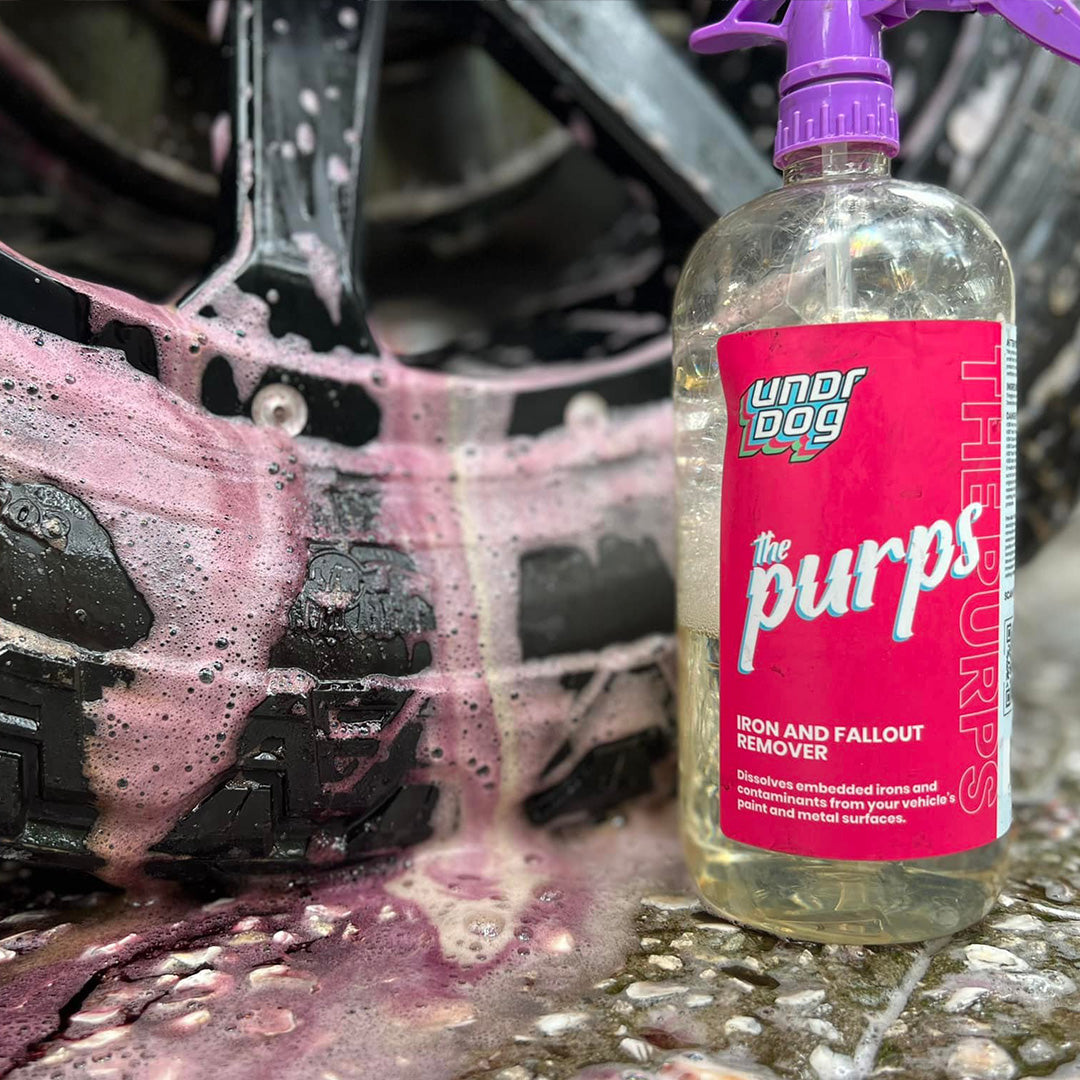
The Purps: Iron & Rust Remover is an iron and fallout remover intended to address ferrous contamination. It is not structural rust repair or a solution for every type of contamination. Use it according to the current label, perform a spot test, and confirm that the finish is compatible before broader use.
This is a useful choice when the goal is to reduce iron contamination while avoiding unnecessary physical contact. It is also the more logical option when the visible or suspected issue is fallout rather than general bonded residue. Do not turn that into a claim that every speck on the vehicle is iron. The product’s role is narrower, and that narrow role is exactly why it can be useful.

When a clay bar earns its place
Clay is a physical decontamination method. Its value is that it can remove bonded contamination beyond iron. Its limitation is that physical contact can introduce marring, so it should be used only when the remaining bonded contamination justifies that risk.
Consider clay when the vehicle has been washed and the surface still has bonded contamination that needs physical removal. The intended result should determine how far you go. A vehicle being prepared for a more involved correction or coating process may justify a more comprehensive decontamination approach. A well-maintained daily driver may not need every remaining texture removed if the finish is already clean enough for its purpose.
For a detailed process, see How to Clay Bar a Car: Step-by-Step Without Marring. Treat that guide as the place for the clay procedure. The decision here is simpler: do not reach for clay merely because the car has not been clayed recently.
Iron remover vs clay bar at a glance
| Question | Iron remover | Clay bar |
|---|---|---|
| Primary role | Addresses ferrous contamination | Physically removes bonded contamination, including contamination beyond iron |
| Contact with paint | Chemical step | Direct physical contact |
| Best starting use | Suspected iron or fallout | Residue that remains bonded after washing and suitable chemical treatment |
| Main limitation | Does not represent a solution for all contamination or structural rust repair | May introduce marring |
| Decision point | Use when ferrous contamination is the specific concern | Use only when remaining bonded contamination justifies physical decontamination |
A least-aggressive-first decision process
Start by defining the condition you are trying to change. “The paint feels rough” describes a symptom, not the contamination type. The roughness may reflect bonded material, but it does not by itself prove that the contamination is ferrous or that clay is required.
1. Wash and reassess
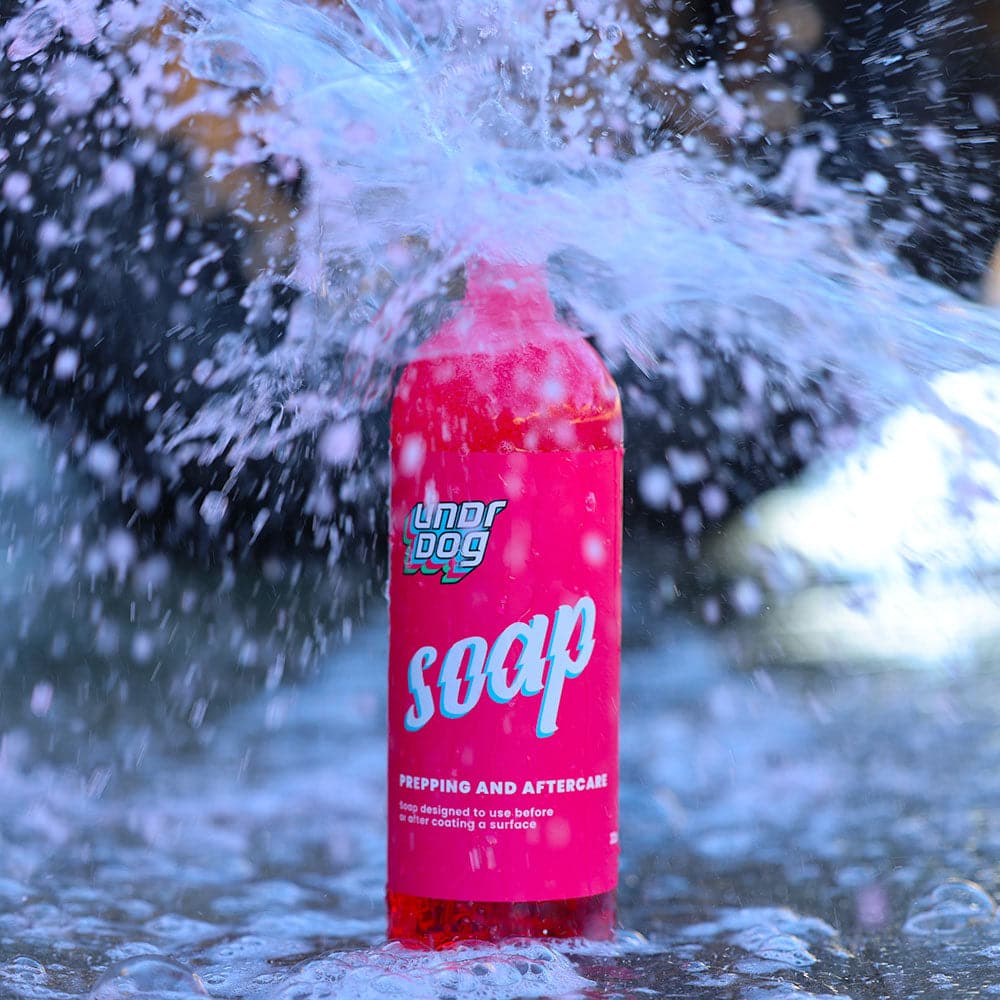
Begin with a proper wash using a product intended for automotive surfaces and follow its label directions. Undrdog Soap is described as a pH-neutral automotive wash for routine coating maintenance. Its pH description alone does not establish compatibility with every finish, so follow the product and surface directions.
After washing, reassess rather than assuming the next step. If the surface is acceptable for the vehicle’s intended use, stop. A clean, maintained finish does not need to be made perfectly bare or perfectly smooth for its own sake.
2. Match the remaining problem
If ferrous fallout is the concern, choose an iron remover and use it according to the current label after confirming compatibility with a spot test. If contamination remains but the evidence does not point specifically to iron, do not describe an iron remover as a universal answer. If bonded contamination still requires physical removal, consider clay.
3. Inspect before expanding the job
Work in a controlled area and reassess the actual finish before treating every panel. This keeps the process proportional. A small area can tell you whether the selected step addresses the problem and whether the finish remains suitable for the intended next stage.
4. Stop when the objective is met
Stopping is part of good detailing. If the finish is clean enough for maintenance, stop after washing. If the ferrous contamination has been addressed, do not add clay automatically. If clay has removed the bonded material that justified its use, do not continue simply because a full-panel routine was planned.

Decision examples for common detailing goals
Routine maintenance: Wash the vehicle and inspect the result. If the paint is satisfactory, no decontamination step is automatically required.
Suspected fallout: Choose an iron remover because the stated problem is ferrous contamination. Follow the label and spot-test for finish compatibility. Reassess before deciding whether any physical decontamination is necessary.
Paint that remains bonded and rough: If washing and an appropriate chemical step do not resolve the issue, clay may be justified because it can address bonded contamination beyond iron. Accept that physical contact carries a marring risk and use the least amount of clay work needed for the result.
Preparation for a coating: Decontamination should support the preparation goal rather than become an automatic sequence. Use the dedicated complete car-paint decontamination guide for the broader process, then confirm that the exact coating and surface are suitable for the next step.
A practical stop-or-continue worksheet
Use this short worksheet before reaching for clay:
- Target: What specifically needs to change: loose dirt, suspected ferrous fallout, or bonded contamination?
- After washing: Is the finish acceptable for its intended use?
- Specific match: If fallout is the concern, have you selected an iron remover rather than assuming clay is required?
- Physical step: If contamination remains, is its removal important enough to justify clay contact and possible marring?
- Test area: Have you checked the chosen method on a small compatible area first?
- Stopping point: What observable result will tell you the job is complete?
A hypothetical example: a DIYer washes a vehicle and notices that some panels still feel contaminated. The goal is routine maintenance, not a major preparation project. The sensible path is to reassess the finish, address suspected ferrous contamination with a compatible iron remover if that is the actual concern, and stop if the result is adequate. Clay becomes a considered next step only if meaningful bonded contamination remains.
How to avoid unnecessary marring
The simplest way to reduce unnecessary marring is to avoid unnecessary physical contact. Clay is useful, but it should not be used as a default substitute for identifying the contamination.
The physical method can remove bonded contamination beyond iron, as Autoglym’s comparison explains. That broader reach comes with a different risk profile because clay contacts the paint directly.
Use a small test area, inspect the result, and expand only when the result supports doing so. If the finish is not improving or the selected method is not appropriate for the surface, stop and reassess rather than adding pressure, repeating passes, or escalating by habit. Respecting the work already invested in the finish is part of professional detailing.
What changes when the vehicle is coated?
A coating does not remove the need for sensible maintenance decisions. Wash with a product and method suited to the coated surface, then address contamination according to its type. Do not assume that a pH-neutral description alone proves compatibility with every coating or finish.
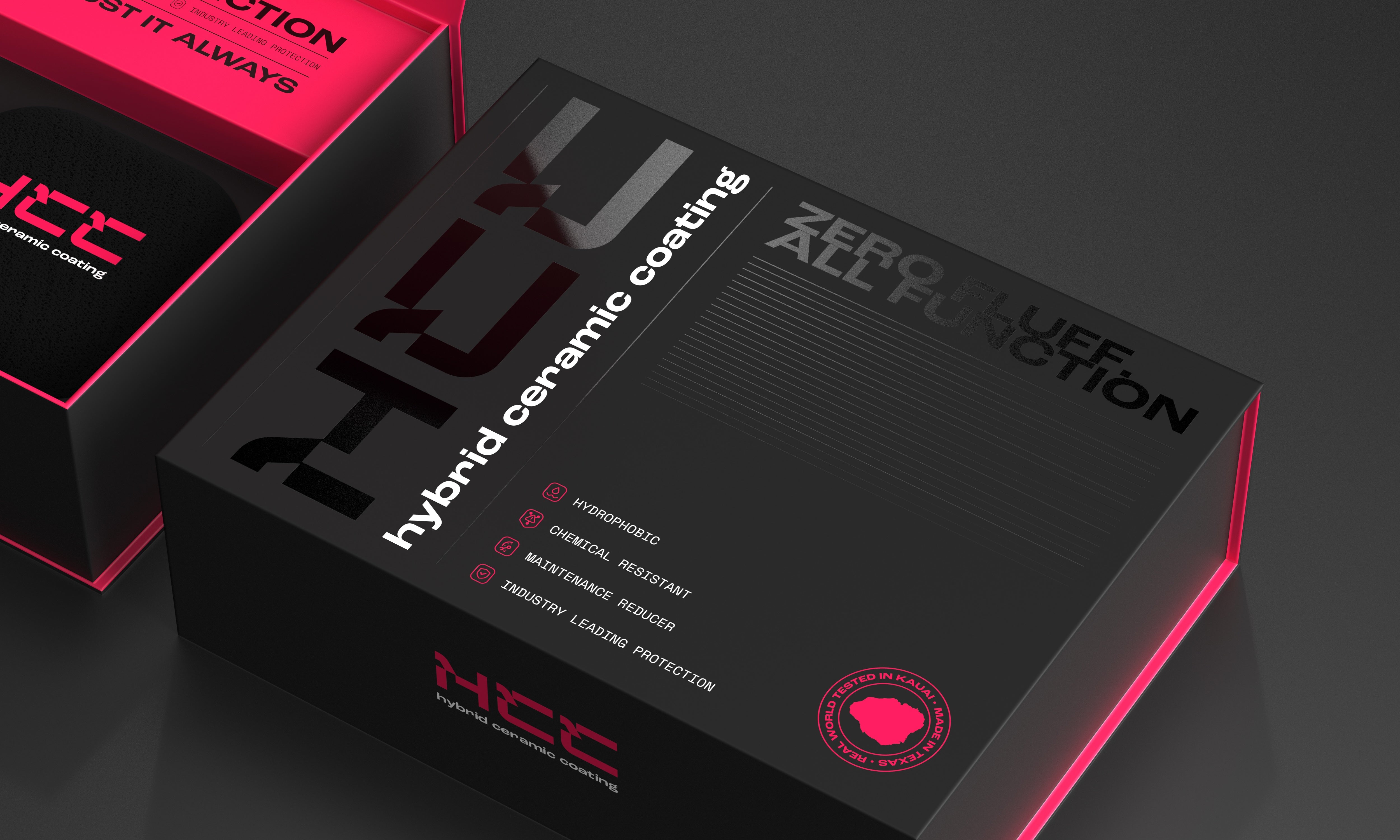
If the goal is to protect an exterior surface after proper preparation, HCC Hybrid Ceramic Coating is Undrdog’s flagship all-surface coating for cars, boats, planes, and bicycles. It is described as providing multi-year protection, with results dependent on preparation, exposure, use, and maintenance. Suitability and current application instructions should be confirmed for the exact surface. HCC is not a recommendation for upholstery or touchscreens.
How Undrdog does it
Undrdog’s product approach fits a targeted process. Use Undrdog Soap for routine automotive washing according to its current directions. When ferrous contamination is the specific issue, use The Purps according to its label, with a spot test and compatible finish. Choose clay only when bonded contamination remains and the physical step is justified.
If a coating is relevant, explore HCC Hybrid Ceramic Coating after the surface has been appropriately prepared. The best result comes from matching each step to the actual condition of the paint, not from completing the longest possible process.
Frequently Asked Questions
Is an iron remover the same as a clay bar?
No. An iron remover addresses ferrous contamination, while a clay bar physically removes bonded contamination and may reach contamination beyond iron. Because clay contacts the paint directly, it may introduce marring. Choose between them based on the contamination that remains after washing, not as interchangeable routine steps. Autoglym’s comparison explains the distinction.
Should I use an iron remover before clay?
Use an iron remover first only when ferrous contamination is the specific concern and the finish is compatible with the product. After following the current label and reassessing the surface, decide whether bonded contamination still justifies clay. Clay is not automatically required afterward. The least-aggressive suitable process may end after the chemical step.
Can an iron remover remove every type of paint contamination?
No. An iron remover is intended to address ferrous contamination, not every contaminant. The Purps is an iron and fallout remover, not a structural rust repair product or a universal contamination remover. Match the method to the remaining problem.
Does every car need to be clayed?
No. A vehicle does not need clay simply because it has not been clayed recently. Wash first, inspect the result, and consider clay only when meaningful bonded contamination remains and removing it is important for the vehicle’s intended use. Since clay is physical contact and may introduce marring, stopping after an adequate wash or targeted chemical step can be the better decision.
Can clay remove iron fallout?
Clay can physically remove bonded contamination, and that may include contamination beyond iron. However, that broader physical action does not make clay the automatic first choice for suspected fallout. An iron remover is the more targeted option when ferrous contamination is the specific concern. Reassess after the chemical step before adding a physical decontamination step.
Can I use The Purps on any surface?
Do not assume universal compatibility. The Purps is intended to address ferrous contamination, and you should follow its current label, perform a spot test, and confirm a compatible finish. It is not structural rust repair. Use the product only as its directions permit for the exact surface.
Is Undrdog Soap suitable for coated vehicles?
Undrdog Soap is described as a pH-neutral automotive wash suitable for routine coating maintenance. Follow the product’s label dilution and surface directions. A pH-neutral description by itself does not establish compatibility with every coating or finish, so confirm the surface requirements before use.
Does HCC protect a vehicle for a fixed number of years?
No fixed lifespan should be assumed. HCC is Undrdog’s flagship all-surface coating for cars, boats, planes, and bicycles, described as providing multi-year protection dependent on preparation, exposure, use, and maintenance. Confirm suitability and current application instructions for the exact exterior surface.
Choose the product that fits the job
Review the surface requirements and current directions before you start. Choose the right product for your project, not a bigger promise.
Explore HCC - Hybrid Ceramic Coating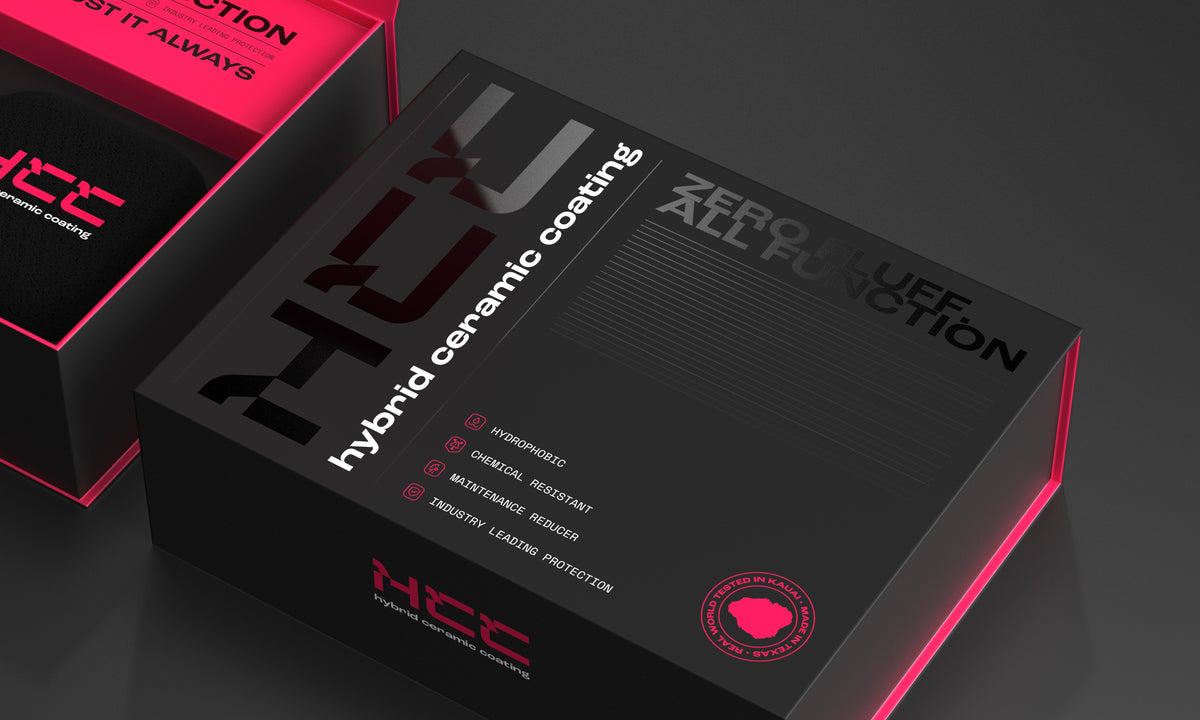

Leave a comment
This site is protected by hCaptcha and the hCaptcha Privacy Policy and Terms of Service apply.