
A cautious way to clean microfiber towels after ceramic coating is to separate them immediately, inspect them carefully, wash them with a dedicated microfiber detergent, and stop using any towel that remains stiff, rough, clogged, or uncertain. Do not assume a normal wash can remove hardened coating residue. Retire a towel with hardened coating residue rather than testing it on finished paint.
This process protects the surface and respects the time invested in preparation, application, leveling, and inspection. Keep towels used during coating work separate from drying towels, interior towels, glass towels, wheel towels, and general-purpose wash media. Their previous use should be known before deciding whether to wash, downgrade, or retire them.
Separate coating towels before washing
Sort towels as soon as the coating work is complete. Place towels used to spread or level coating, remove residue, or wipe areas that may have contacted product into a clearly marked container or laundry bag. Keep them away from trusted paint towels until each one has been inspected and processed.
Do not mix an uncertain towel with a trusted drying towel simply to complete a load. Segregation makes the towel’s history easier to evaluate and prevents one questionable item from being treated as equivalent to a known-clean towel.
| Previous towel use | Initial decision | Possible destination after inspection and washing |
|---|---|---|
| Coating leveling or residue removal | Quarantine and inspect closely | Paint use only if fully clean, soft, and free of changed texture; otherwise downgrade or retire |
| Possible contact with coating residue | Keep away from trusted towels | Reinspect when dry; do not assume laundering restored it |
| Routine washing or drying | Keep in its normal towel group | Return to that task only if its condition remains suitable |
| Work-surface or non-paint cleanup | Keep outside the paint-towel group | Downgrade for similar utility work if appropriate |
This is a practical sorting aid rather than a guarantee. The towel’s condition after inspection matters more than the label assigned to it.
Inspect the towel before laundering
Use good lighting and examine both sides. Look for visible spots, glossy patches, stiff edges, hardened areas, embedded particles, or sections that no longer lie flat. Lightly run clean fingers across the towel and compare its feel with a known-good towel of the same type.
Inspect the nap as well. A towel that has become rough, matted, clogged, or unusually rigid should not be treated as equivalent to a clean towel. The Rag Company’s microfiber care guidance notes that ceramic or silicone buildup can clog towels. That guidance supports careful laundering, but it does not establish that hardened coating residue has been removed or that the towel is safe for paint.
Set aside any towel with an obviously hardened area before starting the wash. The useful distinction is between ordinary residue that may be refreshed by laundering and a towel that may contain cured product in its fibers. Those conditions should not be treated as the same.

Understand what washing can establish
Laundering can remove some loose residue and refresh a towel that was used appropriately but needs cleaning. It cannot, by itself, prove that hardened coating residue is gone. A towel may look cleaner after washing while retaining a changed texture or contamination issue that is not obvious until it contacts paint.
“Washed” and “paint-safe” are therefore separate decisions. After washing, look for a clean appearance, consistent softness, no stiff patches, no visible residue, and a nap that feels consistent with a known-good towel. If the towel does not meet that standard, move it to a clearly separated lower-risk task or retire it.
Wash coating towels as a dedicated load
Use a dedicated microfiber detergent and follow the directions for the product you choose. The Rag Company recommends dedicated microfiber detergent, avoiding fabric softener and dryer sheets, and using air drying or low heat for microfiber towels.
Keep the load limited to towels that have already been inspected and assigned to the same general risk group. Do not add clothing, household laundry, or trusted drying towels merely to fill the machine. Leave out fabric softener and dryer sheets, following the cited microfiber-care guidance. Keeping the load separate also makes every towel easier to evaluate from start to finish.
Do not invent a special dilution, temperature, or wash timing when the detergent label does not provide one. The detergent’s directions are the controlling reference for the product you actually use. The goal is a straightforward cleaning cycle, not an aggressive experiment intended to rescue hardened contamination.
Dry gently and inspect again
Air drying or low heat, without dryer sheets, is the conservative approach described in The Rag Company’s microfiber care guidance. Once the towels are completely dry, inspect and feel each one again. Damp fabric can conceal stiffness, residue, or a changed nap.
Compare each towel with a known-good example. Check the edges, corners, and any area that previously showed a spot or texture change. If one section feels different from the rest, keep the towel out of the paint-safe group. A mostly normal surface does not cancel out one questionable section.

Use clear downgrade and retirement rules
Retire or downgrade a towel when hardened residue remains, a stiff patch survives laundering, the nap is clogged or rough, or the towel’s history cannot be identified. Retirement does not necessarily mean disposal. A towel that is no longer appropriate for paint may still be useful for clearly separated non-paint cleanup if its condition is acceptable for that task.
Downgrade cautiously. Do not use a questionable coating towel for glass, delicate trim, or another surface where residue or roughness could create a separate problem. Reserve downgraded towels for work where their condition is acceptable, and label their storage location so they do not drift back into the trusted paint supply.
A practical towel decision worksheet
For each towel, record:
- What task did it perform?
- Did it visibly contact coating residue?
- Does it show glossy, stiff, hardened, or clogged areas?
- Does the nap feel consistent with a known-good towel?
- Will its destination be paint, lower-risk work, or retirement?
For a hypothetical example, imagine three towels from one coating session. Towel A was used for final leveling and has a stiff corner. Towel B wiped a clean work surface and remains soft. Towel C was used for general drying and never contacted coating residue. Quarantine A and plan to retire or downgrade it if the stiffness remains. Wash B with the appropriate microfiber load and reinspect it. Keep C in the separate drying-towel system. Use this only as an example of how to separate towel decisions. Inspect each actual towel according to its own condition and history.
Keep purpose and condition separate
For coating work, keep towels assigned to leveling and residue removal separate from other towel groups. A towel marketed for coating leveling can be intended for that role, but the existence of a purpose-built towel does not show that a previously hardened, contaminated towel can be restored. The Pearl is marketed by The Rag Company for coating leveling; that supports its intended use, not recovery of cured residue from an old towel.
Do not treat a towel as safe merely because it has been washed once, smells clean, or looks brighter. The decision should rest on its physical condition and intended use. When uncertainty remains, downgrade or retire it rather than return it to finished paint.
Keep vehicle maintenance separate
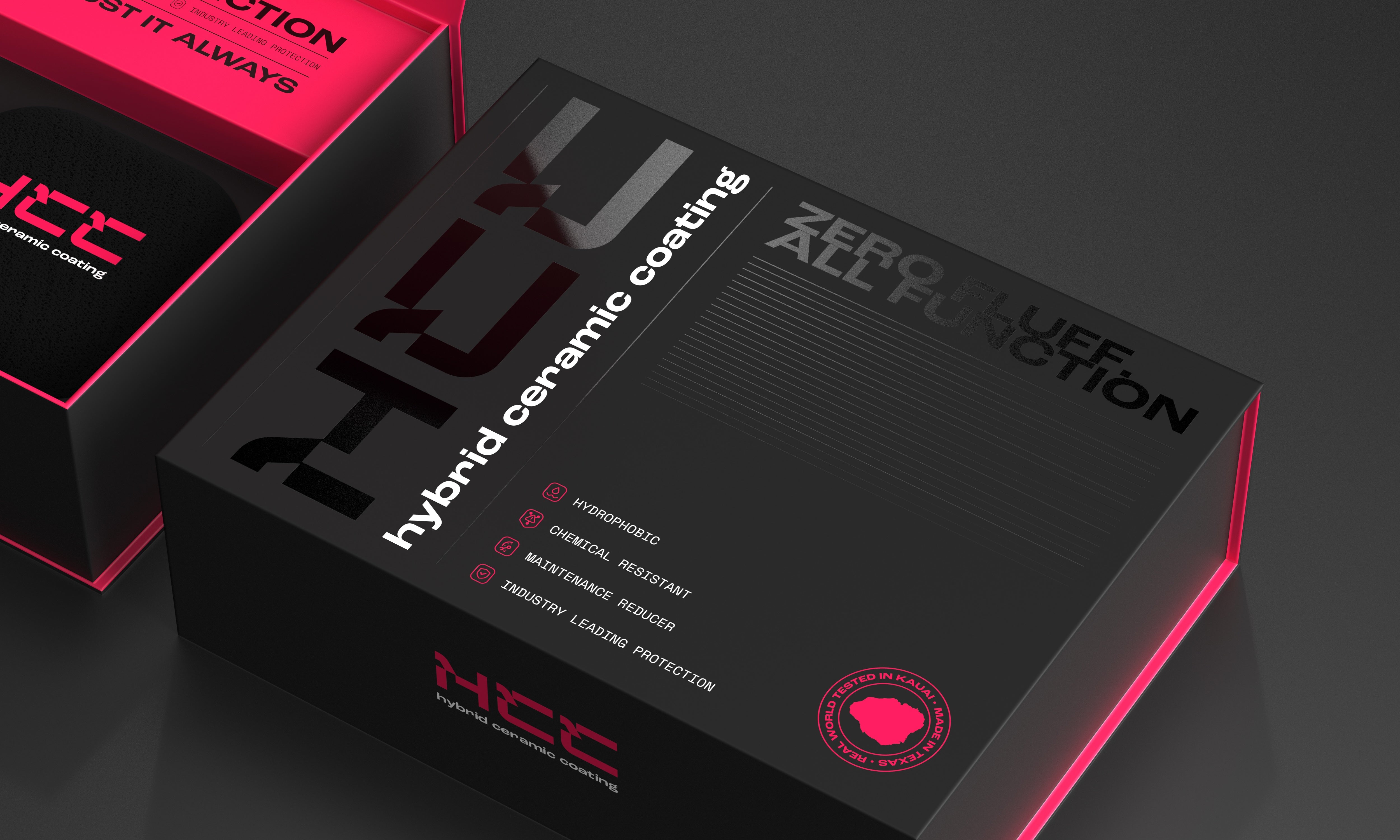
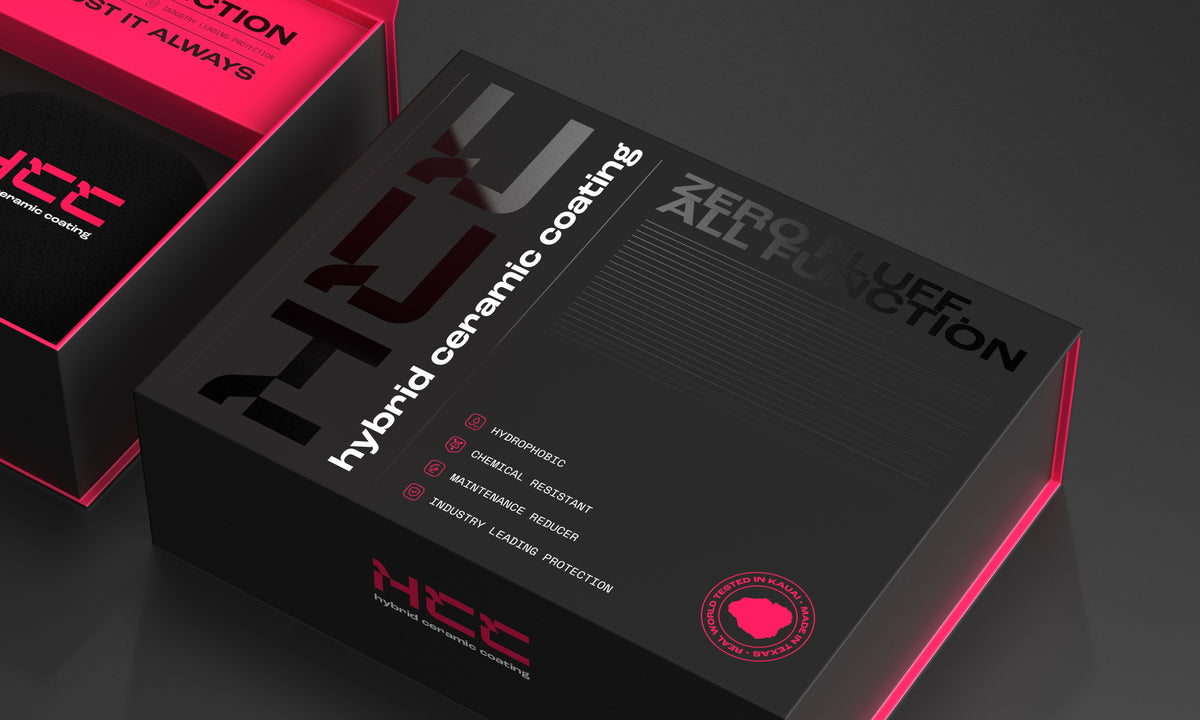
Routine vehicle washing is separate from cleaning towels used during coating installation. HCC Hybrid Ceramic Coating is described by Undrdog as an all-surface coating for cars, boats, planes, and bicycles, with multi-year protection dependent on preparation, exposure, use, and maintenance. Confirm suitability and current instructions for the exact surface.
Undrdog Soap is described as a pH-neutral automotive wash for routine coating maintenance. Follow its label dilution and surface directions. A vehicle wash product does not establish that it removes hardened coating from microfiber, so use a dedicated microfiber detergent for towel laundering.
How Undrdog does it
When a coating is relevant to the vehicle, HCC Hybrid Ceramic Coating is Undrdog’s flagship all-surface coating for cars, boats, planes, and bicycles. Confirm suitability and current application instructions for the exact surface. It is not a recommendation for upholstery or touchscreens.
Undrdog Pro is available to detailers and DIYers and should be used according to its current application and aftercare instructions. Whichever coating is selected, keep installation towels separate, inspect them before washing, follow appropriate microfiber care, and do not assume hardened contamination is washable.
Final checklist before a towel returns to paint
- The towel’s previous job is known.
- It was kept separate from trusted towels.
- There are no visible spots, glossy areas, particles, or hardened sections.
- The nap is soft and consistent from edge to edge.
- It was washed with appropriate microfiber care and without fabric softener or dryer sheets.
- It was dried by air drying or low heat and inspected while fully dry.
- There is no remaining doubt about its suitability for the intended surface.
If any answer is no, do not return the towel to the paint-safe group. Downgrade it clearly or retire it. For related guidance, see The Ultimate Car Drying Towel Guide and How to Apply a DIY Ceramic Coating Without Streaks or High Spots.
If you are planning a coating project, review the current instructions for HCC Hybrid Ceramic Coating and prepare a separated towel system before beginning.
Frequently Asked Questions
Can I wash microfiber towels that have ceramic coating on them?
You can wash towels that may contain loose coating residue, but washing does not prove that hardened coating has been removed. Use a dedicated microfiber detergent, avoid fabric softener and dryer sheets, and use air drying or low heat as described in The Rag Company’s microfiber care guidance. Inspect the towel again when fully dry.
How do I know when a coating towel should be retired?
Retire or downgrade a towel when it has hardened areas, glossy residue, a stiff patch, a clogged or rough nap, or an uncertain history. A clean appearance alone is not enough. If the towel does not feel consistently soft and free of residue after washing, do not return it to finished paint. Only downgrade a residue-free towel for clearly separated non-cosmetic work; retire towels containing hardened coating residue.
Can hardened ceramic coating residue be washed out of microfiber?
There is no basis for promising that hardened coating residue can be washed out. Laundering may refresh a towel with ordinary residue, but it does not establish that cured contamination is gone or that the towel is safe for paint. Treat a remaining hardened area as a stopping point and retire the towel from vehicle-finish work.
Should coating towels be washed with drying towels?
No. Keep towels used for coating leveling or residue removal separate from drying towels and other trusted paint towels. Segregation makes each towel’s history and condition easier to evaluate. A drying towel should not be exposed to an uncertain coating load simply to complete a wash cycle.
Can I use fabric softener when washing coating towels?
Avoid fabric softener and dryer sheets. The Rag Company recommends avoiding both for microfiber care, along with using dedicated microfiber detergent and air drying or low heat. Follow the directions for the detergent you use, then inspect every towel after it is fully dry.
Is a coating-leveling towel automatically safe for paint?
No. A towel designed or marketed for coating leveling is intended for that role, but its condition still matters after use. The Pearl is marketed for coating leveling; that does not prove that an old towel with hardened residue has been restored. Inspect the nap and feel, and retire questionable towels.
Can Undrdog Soap clean coating residue from microfiber towels?
Undrdog Soap is described as a pH-neutral automotive wash for routine coating maintenance. That description does not establish that it removes hardened coating from microfiber. Use a dedicated microfiber detergent for towel laundering and keep vehicle washing separate from towel recovery decisions.
What should I do with a towel that is clean but feels different?
Keep it out of the trusted paint-towel group until its destination is decided. Compare its nap and softness with a known-good towel, looking for stiffness, clogging, roughness, or residue. If the changed feel remains after drying, downgrade it for clearly separated non-paint work or retire it. Do not let a mostly normal surface override one questionable section.
Choose the product that fits the job
Review the surface requirements and current directions before you start. Choose the right product for your project, not a bigger promise.
Explore HCC - Hybrid Ceramic Coating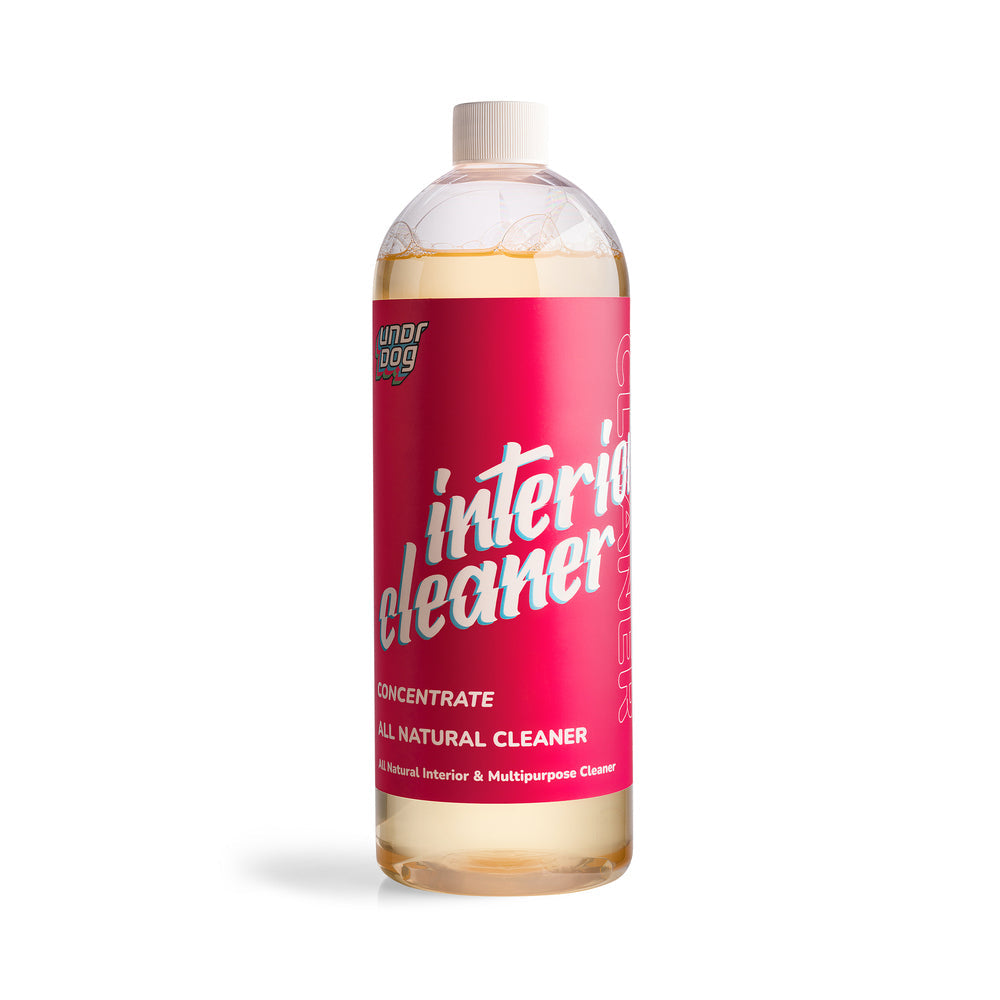

Leave a comment
This site is protected by hCaptcha and the hCaptcha Privacy Policy and Terms of Service apply.