
Detailing Blog

Get access to our latest news by signing up for our newsletter.

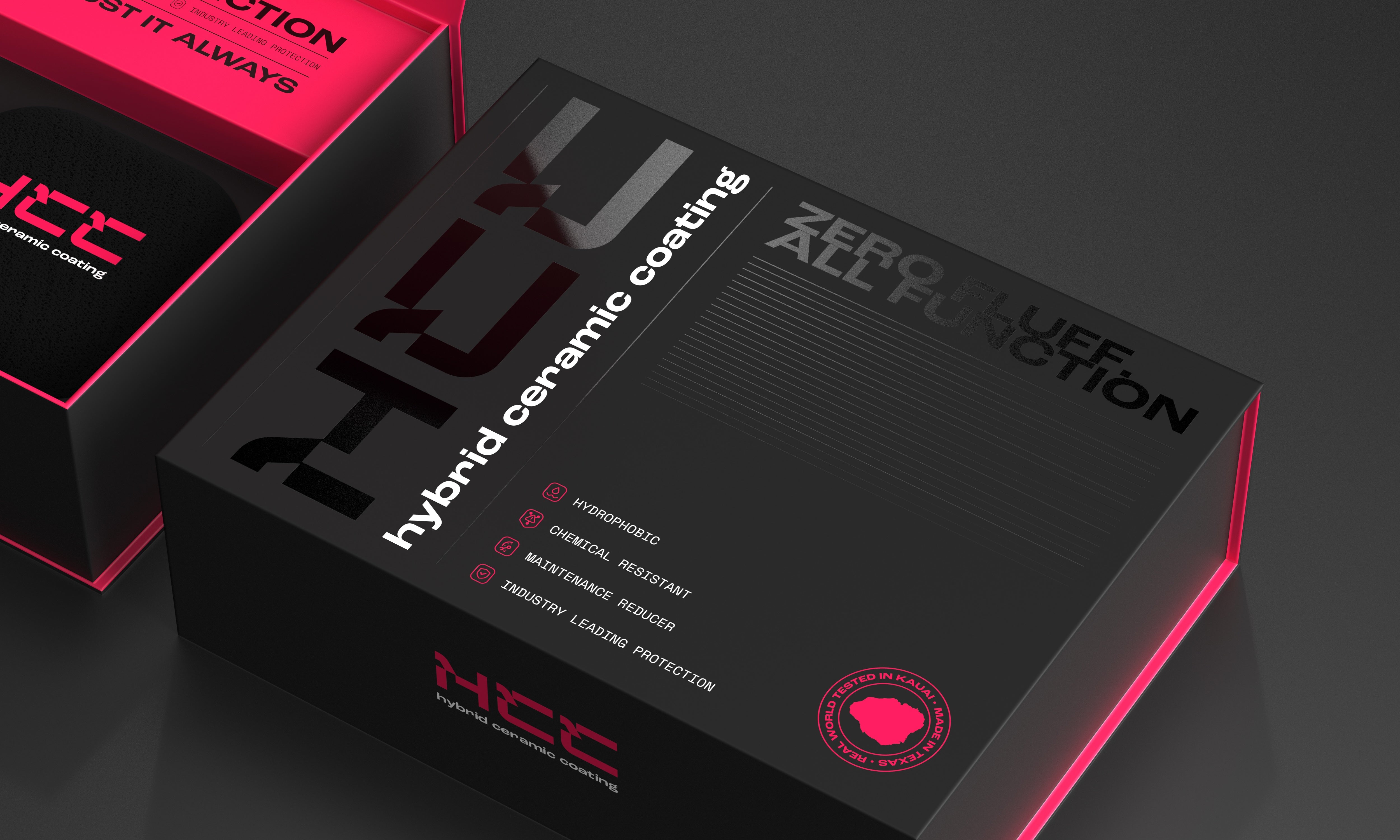
Undrdog HCC Hybrid Ceramic Coating packaging
ceramic-coating

Ceramic Coating Before Winter: Install or Maintain?

The right pre-winter ceramic-coating decision depends on whether the chosen product can be prepared, applied, sheltered, and maintained according to its instructions. This guide helps you decide wh...

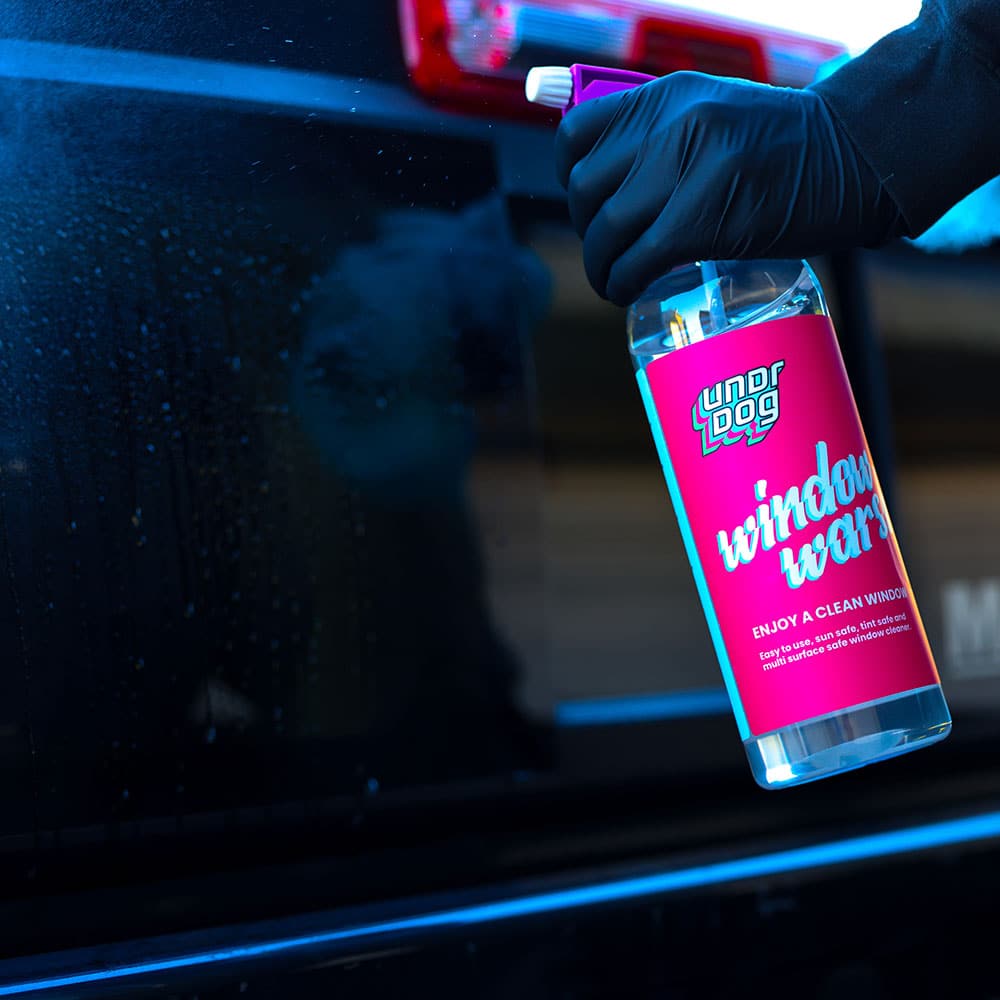
ceramic-coatingWindow Warsh bottle beside a vehicle window

Window Warsh vs Glass Protection: Two Different Jobs

Window Warsh and a glass coating serve different purposes. This guide explains how to clean and inspect vehicle glass, how to handle persistent marks, and how to evaluate approved protection withou...

Get 15% OFF Your Next Order

Join The Undrdogs and get 15% OFF your next order.

ceramic-coatingUndrdog HCC Hybrid Ceramic Coating packaging

How to Clean Microfiber Towels After Ceramic Coating

Microfiber towels used with ceramic coating should be separated, inspected, washed with suitable detergent, and checked again when fully dry. Washing may refresh ordinary residue, but it does not p...

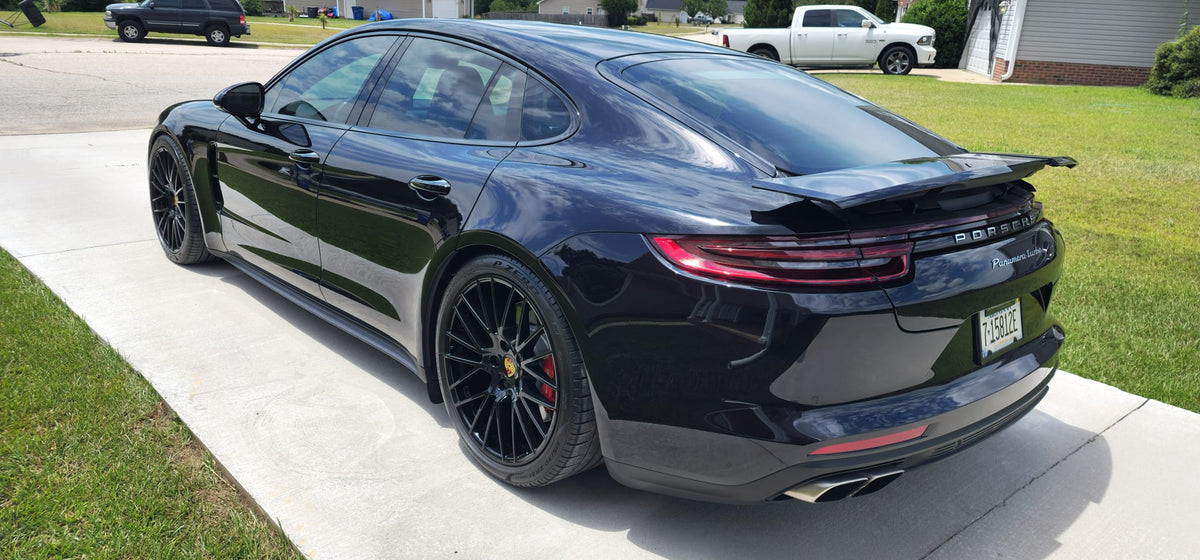
2k-coating2 part ceramic coating for cars — dark sports car with mirror finish under overcast light

2-Part Ceramic Coating for Cars: What It Is, How It Differs From Single-Part, and Which One Makes Sense for You (2026)

2-part (2K) ceramic coating explained honestly: chemistry, pot life, stoichiometric mixing, real advantages and disadvantages, and when single-part hybrid ceramics like HCC beat 2K in real-world use.

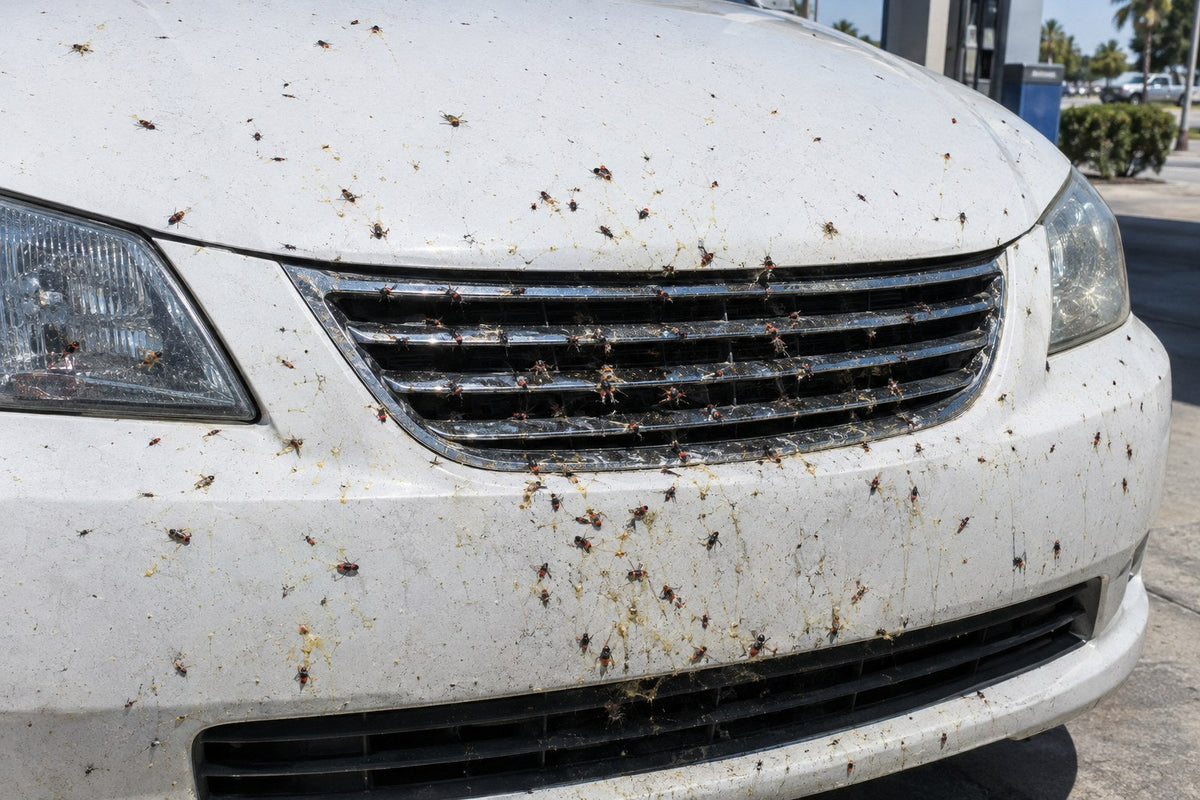
bug-removalLovebugs splattered across the front bumper, grille and hood of a white car

Lovebug Season 2026: How to Remove Lovebugs From Car Paint Before They Etch It (And Why the 24-Hour Rule Is Real)

Florida and Gulf Coast lovebug season is back through September. Here is what the entomology actually says about paint damage (near-neutral on impact, acidic within 24 hours, etching only after bak...

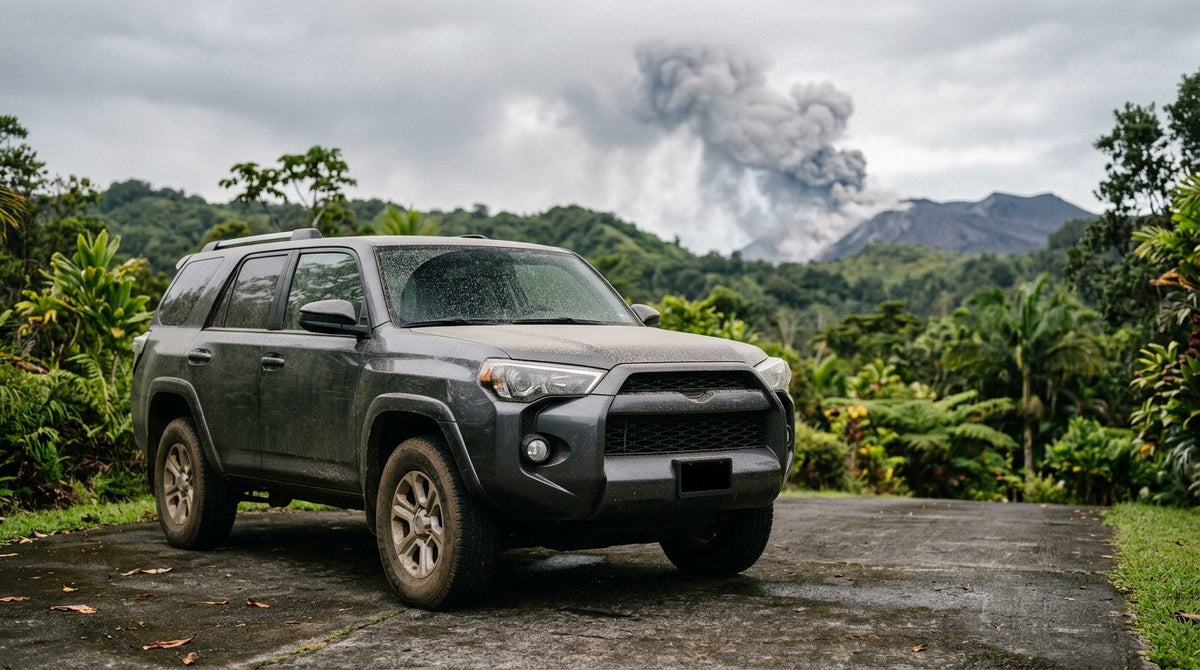
car-washingSUV coated in volcanic ash in a Hawaii driveway with a volcanic plume behind, before learning how to clean volcanic ash off a car

How to Clean Volcanic Ash Off a Car Without Scratching the Paint (2026 Kīlauea Guide)

Volcanic ash is jagged rock and glass, not soft soot, and it carries acids that etch paint once wet. Here's the rinse-first, two-bucket method to clean it off your car without scratching, what to n...

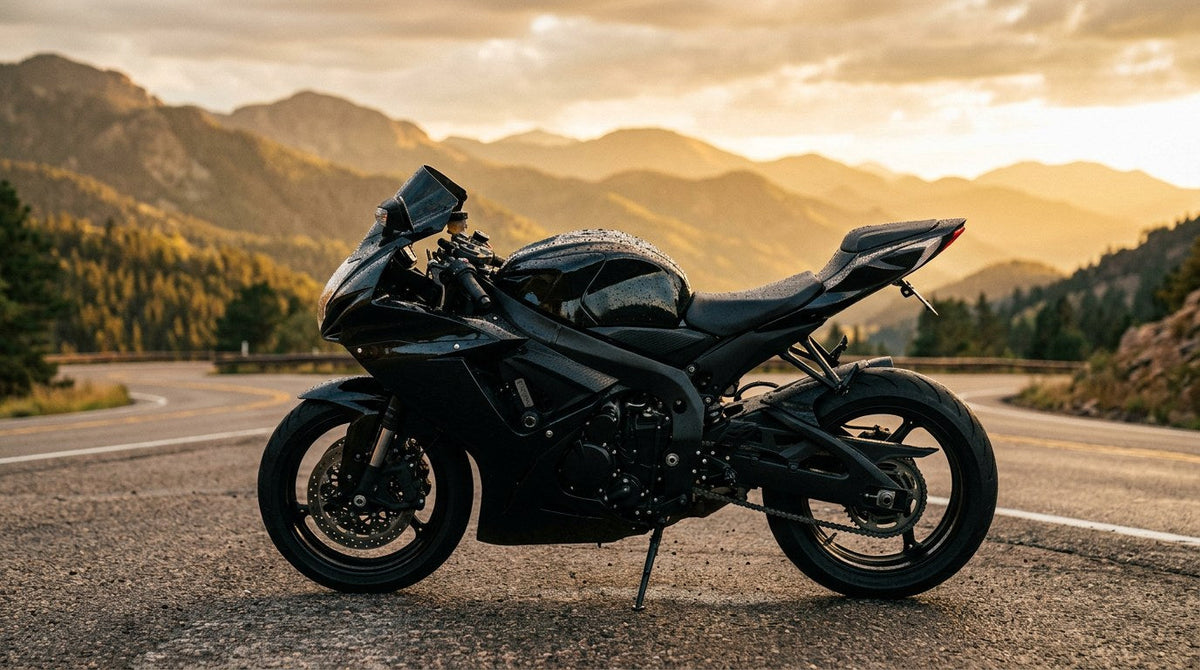
2026-guideGlossy black sport motorcycle with visible water beading on the tank parked at sunset showing the hydrophobic effect of a motorcycle ceramic coating

Motorcycle Ceramic Coating: The Complete 2026 Guide to Protecting Your Bike From Bugs, UV, Chain Lube, and Road Grime

Motorcycle ceramic coating creates a hydrophobic, UV-blocking, chemical-resistant layer that lasts 2-5 years. Complete guide: what to coat, DIY application steps, cure times, and how to pick the ri...

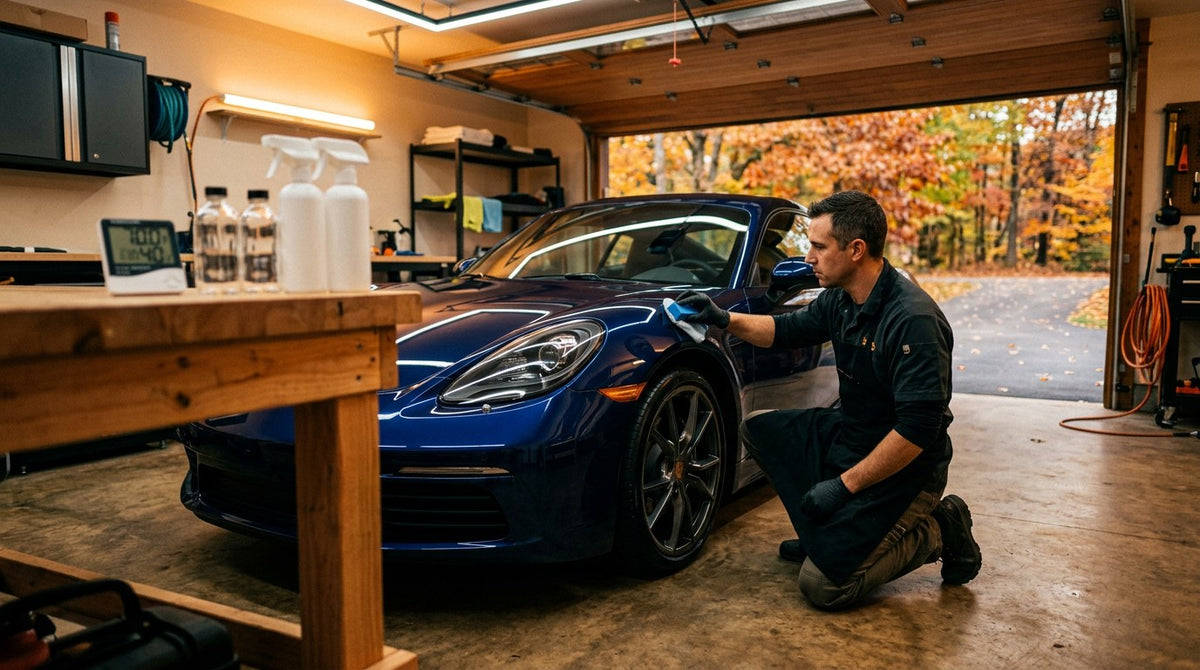
2026-guideDetailer in a warm autumn garage applying ceramic coating to a glossy dark blue coupe with a digital thermometer on the workbench showing 70 degrees ideal application temperature

Ceramic Coating Application Temperature: The Complete Fall & Cold-Weather Application Guide (2026)

Ideal ceramic coating application is 60-80F with 40-60% humidity. Panel temperature, dew point rules, cold-weather bonding failure, and the exact fall application procedure that keeps your coating ...

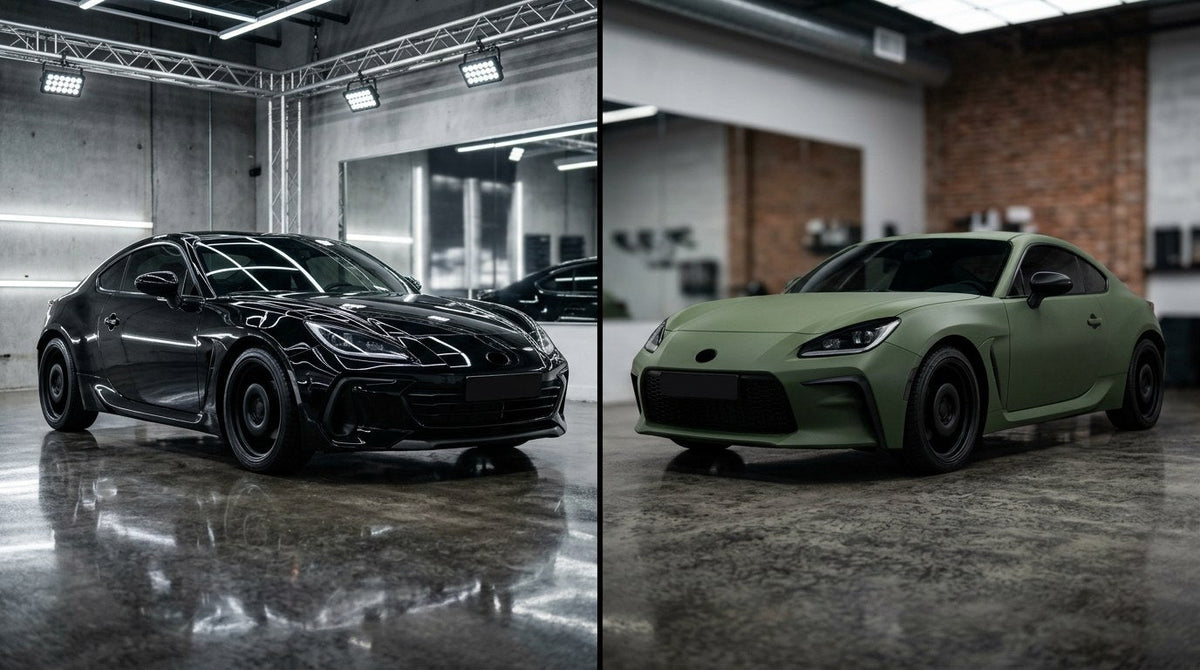
2026-guideSide by side comparison of a glossy black ceramic coated sports coupe next to the same coupe in a matte green vinyl wrap in a professional detailing studio

Ceramic Coating vs Vinyl Wrap: Cost, Protection, Aesthetics, and Which You Actually Need (2026 Comparison)

Ceramic coating vs vinyl wrap: cost, durability, protection, and aesthetics compared side by side. Which one you need, when to layer both, and the specific situations where each wins in 2026.

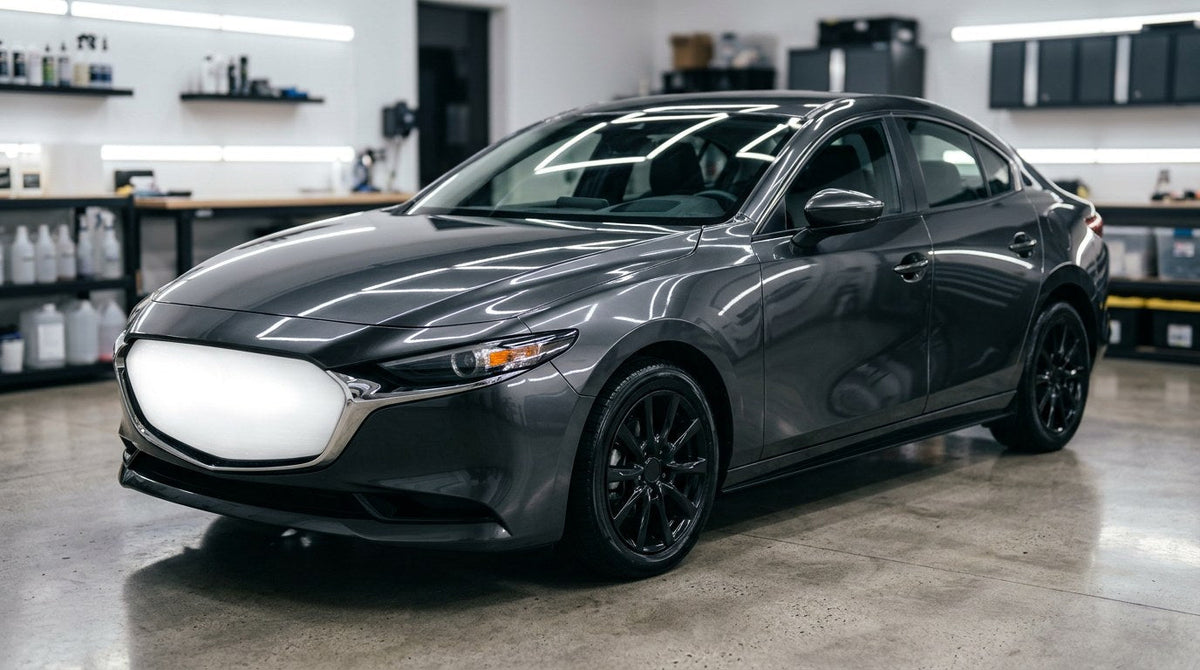
2026-guideFreshly ceramic coated dark sedan curing inside a clean detailing garage under LED lights

Ceramic Coating Cure Time: How Long Before Water, Washing, and Real Driving (2026 Guide)

Ceramic coating cure time explained: flash cure, 24-hour initial cure, 5-7 day full cure. How to protect your coating from water, weather, and washing.