


A professional ceramic coating on a passenger car in 2026 costs between $800 and $3,500, with most drivers paying $1,200 to $2,000 for a mid-tier install (Gloss It 2026 pricing guide). That number is not fluff — the overwhelming majority of it is real hours of skilled labor and legitimate shop cost. The part most buyers don't see is the bottle itself: a professional-grade coating bottle sized for one vehicle retails for $50 to $299. That's what a detailer, or you, actually pays for the product. Everything else on the invoice is craft, prep, environment, and the shop that makes those things possible.
This post isn't an argument against paying a pro. It's a breakdown of where the dollars actually go, so you can tell what you're paying for — and where the industry adds theater that has nothing to do with your paint.
The real line items behind a $1,500 install
Detailers rarely break their invoices down publicly, and understandably — most trades don't. When they do, the pattern is consistent: most of the cost is skilled labor and prep, not product (Golden Bay Detailing 2026 price guide). That labor is the value. Here's a realistic breakdown of a mid-tier $1,500 sedan install so you can see what each line item is buying.
| Line item | Typical cost | What you're paying for |
|---|---|---|
| Decontamination wash + clay | $100 – $200 | 2–3 hours of labor, iron remover, tar remover, clay/mitt, soap |
| One-step paint correction | $200 – $600 | 3–5 hours of machine polishing, pads, compound (source) |
| Panel wipe / IPA prep | $40 – $80 | Removing polish oils so the coating actually bonds |
| Coating application | $150 – $300 | 1.5–2.5 hours panel-by-panel, applicators, suede towels |
| Coating product (the bottle) | $50 – $299 | A 30–50 ml bottle of professional coating at retail; shops pay similar |
| Shop overhead + owner's income | $200 – $400 | Rent, insurance, equipment, taxes, what the owner takes home for running the business |
| Brand warranty / certification fees (some brands only) | $50 – $200 | Per-vehicle warranty registration and required marketing collateral — charged by the manufacturer, not the shop |
| Total | ~$1,500 | 7–12 hours of labor + real materials + real overhead |
Two things fall out of that table. First: the physical coating is roughly 3–15% of the bill depending on which coating the shop uses. The rest is time, skill, and the business it takes to deliver that work reliably. Second: the biggest single component — paint correction — is optional. If your paint is already clean, or you're willing to accept the swirls you have, you don't need to pay for it, and a good detailer will tell you that up front.
Why "cheap" coatings usually aren't
Sub-$800 quotes almost always skip something that matters — not because the shop is cutting corners, but because the labor to do it right can't be squeezed into that price. Something has to give, and it's usually one of these:
- Skipping correction entirely. Coating over swirls locks those swirls in for the life of the coating. The gloss you paid for is now the same gloss you had — plus a shiny layer of protection over it.
- No panel wipe. Polish oils and fillers left on the paint create a barrier the coating can't bond through. It looks fine for a month, then flashes off.
- Shortened application. A proper coating application on a sedan takes 90 minutes minimum, panel by panel, with wipe times matched to flash. Rushing it produces high spots and thin, uneven film.
- A weaker product. Some entry-tier "ceramic" sprays are wax-hybrid sealants marketed as coatings. They're fine — as sealants. They're not what most buyers think they're paying for.
If you see a $600 "full ceramic coating" package, ask exactly which of those isn't included. A good detailer will tell you straight, and sometimes the answer is the right trade-off for you — a garage-kept commuter with clean paint doesn't need a multi-stage correction.

Why "premium" coatings cost so much more
Premium tiers ($2,000–$3,500+) mostly buy you three things:
- Multi-stage correction. A two- or three-step compound-then-polish process that removes deeper defects. This alone can add $800–$2,000 (Gloss It 2026 pricing).
- A longer-warranty product. The bottle may retail in the $150–$299 range instead of $50–$150. Real difference in chemistry — but still a modest share of the total bill.
- A brand-backed warranty. Some manufacturer warranties charge the shop a per-vehicle registration fee that gets passed through. That's the manufacturer's line item, not the detailer's.
None of this is wrong — a multi-stage correction on a black luxury car with heavy swirl marks is legitimately 15+ hours of skilled labor and the result is dramatically better. Recognize what you're paying for: correction labor and craft, not necessarily a fundamentally more durable coating. Two professional coatings sold at very different prices often perform similarly on a well-prepped panel — the difference in the bill is mostly the paint you're getting under it.
What the warranty actually costs — and covers
The "10-year warranty" is often the pitch that justifies the price jump. Read the fine print before assuming you're buying insurance.
Common warranty structures require:
- Annual paid inspections at an authorized installer (often $150–$300 each). Miss one and coverage voids.
- Mandatory maintenance products from the brand — their soap, their booster, their decontamination spray. Off-brand use voids coverage.
- Prorated coverage. Year 1 might be 100%, year 5 might be 40%. That "10-year" claim can shrink fast.
- Exclusions for "improper washing" — a phrase that gives the warrantor wide discretion to decline claims.
Under U.S. federal law, warranty terms have to be available to consumers before purchase, per the FTC's guidance on the Magnuson-Moss Warranty Act. If a shop can't hand you the full warranty document up front, that's not a coating question — that's a red flag question. Read what's excluded before you decide the warranty is worth the price gap.
Cost per year of protection
The right way to compare a $1,500 five-year coating against a $2,500 seven-year coating isn't the total. It's cost per year — and only if both coatings actually reach their stated lifespans in your conditions. As we covered in our post on how long ceramic coating really lasts, published lifespans are targets under ideal conditions, not measurements. A "5-year" coating in coastal salt or desert UV routinely retires in 2–3 years. A "10-year" coating in a garaged, hand-washed climate can go longer.
Rough math, ignoring warranty gymnastics:
| Package | Total | Claimed life | Cost/year at claim | Cost/year at realistic 60% of claim |
|---|---|---|---|---|
| Entry pro install | $900 | 2 years | $450 | $750 |
| Mid-tier pro install | $1,500 | 5 years | $300 | $500 |
| Premium pro install | $2,800 | 7 years | $400 | $667 |
| DIY, self-prep, quality coating | $300 – $500 | 3 years | $100 – $167 | $167 – $278 |
Cost per year of protection almost always favors DIY — if you actually do the prep. If you cut prep, you get months, not years, and DIY becomes the most expensive option. The pro premium is buying skilled labor, correction, and reliability — not necessarily better chemistry. That's a fair trade for a lot of buyers.

The DIY math, honestly
A realistic DIY ceramic coating budget runs $200–$800+ once you include the tools you don't already own (Gloss It DIY cost list). Here's what a first-time DIY looks like using Undrdog products, laid out honestly:
| Item | Cost | Notes |
|---|---|---|
| Soap (16 oz) | $9.99 | Decontamination wash |
| The Purps iron remover (16 oz) | $18.99 | Removes brake-dust contamination |
| Clay mitt (any brand) | $20 – $30 | Physical decontamination |
| Microfiber towels (12-pack) | $25 – $40 | Application + buffing |
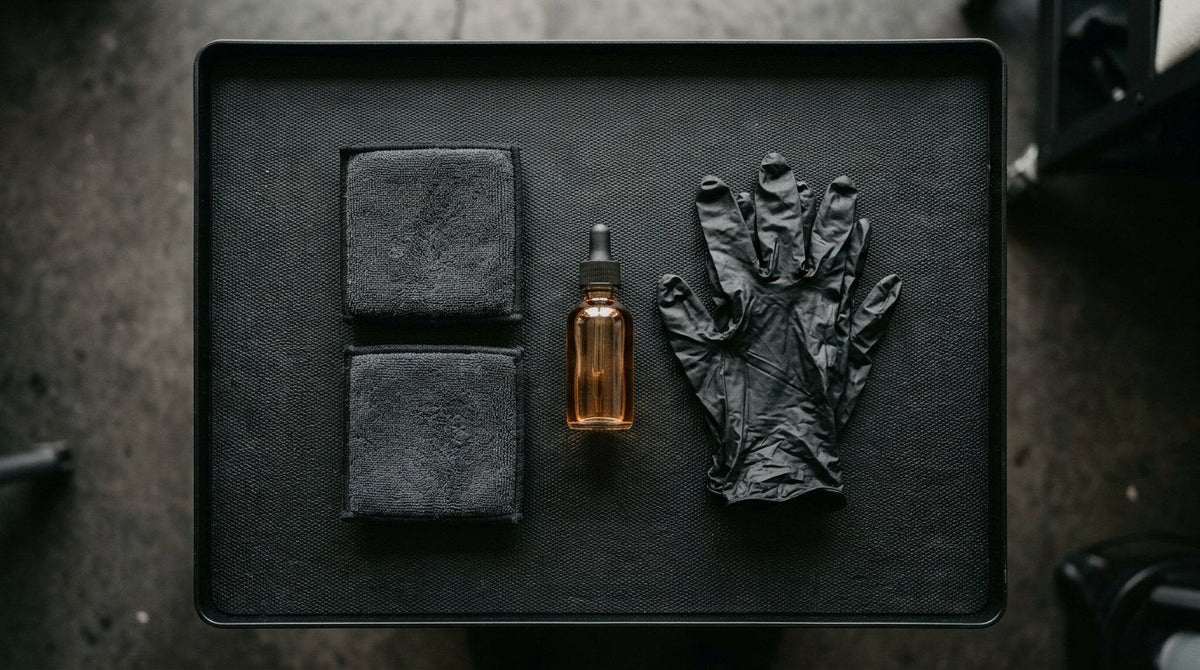
| Nitrile gloves + suede applicators | $15 – $25 | Included with most coating kits |
| HCC (50 ml, one vehicle) | $189.99 | Same professional coating a shop would pour |
| Total (no polisher) | ~$280 | If you're skipping correction |
| Add: dual-action polisher + pads + compound | $180 – $400 | Only if you're correcting |
| Total (with correction gear) | ~$460 – $680 | One-time investment; reuseable across future coatings |
The DIY savings aren't magic. They're the labor and craft you're doing instead of paying someone else to do. A DIY install on a sedan is 6–10 hours over a weekend if you've never done one, and the correction result on a car that needs it will not be as good as a skilled detailer's. That's the honest trade. If your hourly rate — the value of your Saturday — is higher than the shop's, paying the pro is the smart move. If you enjoy the work and have the weekend, the math is different. We covered the trade-off in more depth in our DIY vs pro ceramic coating cost and results breakdown.
When paying a pro is genuinely worth it
Most of a $1,500 pro invoice is real value you can't easily reproduce at home:
- Multi-stage paint correction on damaged paint. If your car has heavy swirls, holograms, or clear-coat scratches, a skilled detailer with proper polishers, pads, and paint-thickness gauges will get a result you almost certainly won't. This is the single biggest reason to pay a pro.
- Controlled environment. A climate-controlled bay eliminates temperature and humidity variables that affect cure. A driveway install on a windy day is a gamble.
- Rework guarantee. A reputable shop will fix a high spot or streak for free within a defined window. Your only remedy on DIY is your own labor.
- Time. If you don't have 8 hours to give a car this weekend, a shop is worth its weight.
None of those depend on which coating the shop uses. They depend on the detailer's skill and setup. That's why two shops with the exact same coating on the shelf can produce very different results — and why picking a shop matters more than picking the brand on the label.
The cost of getting the wrong product
The most expensive coating install is the one you have to redo. Common ways buyers overpay:
- Paying premium tier for a car that will be traded in three years. You paid for durability you won't use.
- Paying for a warranty that requires annual $200 inspections you'll never keep up with.
- Buying a "10-year" coating from a brand with no public warranty document — the warranty is worth exactly what you can enforce.
- Skipping prep to hit a low price, then re-coating in 8 months when it fails.
Any of those cost more than doing it right the first time.
How Undrdog does it
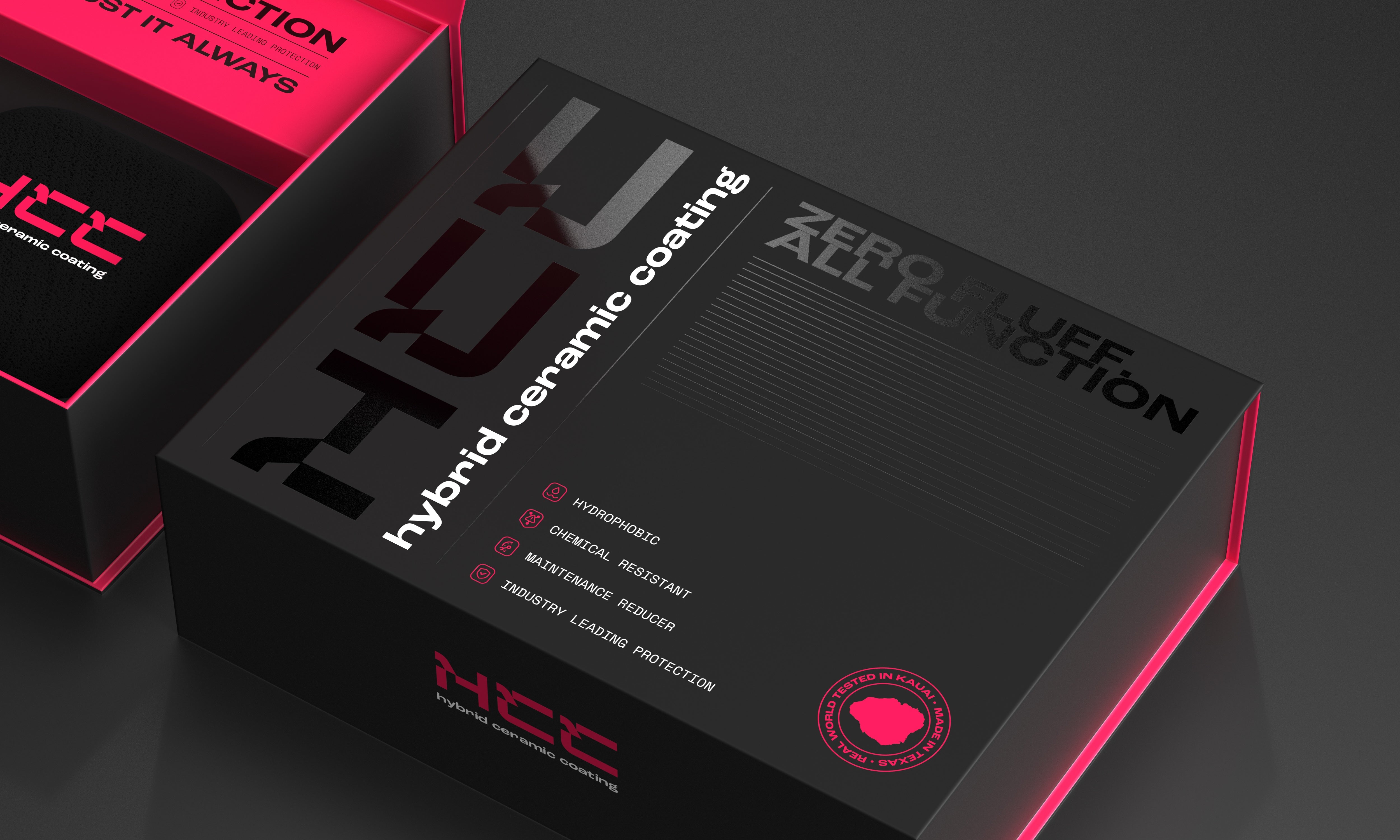
Undrdog sells the same professional-grade coatings to detailers and DIYers at the same price. No certification, no class, no minimum buy, no gatekeeping. HCC — our flagship hybrid ceramic coating for cars, boats, planes, and bicycles — is $189.99 for a 50 ml bottle that covers one vehicle. That's what a detailer pays. That's what you pay. The bottle is the same bottle either way.
What the detailer adds on top of that bottle — correction, prep, controlled environment, experience, rework guarantee — is real value that costs real money to deliver, and it's worth what they charge. We back the detailers who use our coatings and we don't try to compete with them on their craft. We compete on what's in the bottle and on being transparent about it.
We don't publish a fixed year-count on the bottle, because we don't believe a marketing decision should be sold as a measurement. No one can guarantee how long a coating will last any more than a car manufacturer can guarantee the mileage on your engine. An engine's life depends on how it's driven and maintained. A coating's life depends on prep, environment, wash habits, and what it hits. What we can tell you is what's in the bottle, how to apply it, and what to do to make it last. The HCC product page lists film build, cure window, and application detail. Nothing added, nothing invented.
The same bottle detailers use — available to you at the same price.
HCC is our flagship hybrid ceramic coating. $189.99 covers one vehicle. Same chemistry we sell to pros, no certification required to buy it.
Shop HCC →Frequently asked questions
Why is ceramic coating so expensive?
Most of the cost is skilled labor and shop overhead — not the coating itself. A mid-tier $1,500 install includes 7–12 hours of decontamination, paint correction, prep, and application, plus rent, insurance, and equipment. The physical coating bottle is typically 3–15% of the total bill. The rest is craft you're paying a professional to deliver reliably.
Is a $500 ceramic coating a bad deal?
Not necessarily — but ask what got cut. Sub-$800 quotes almost always skip paint correction, skip panel wipe, use a shorter application, or use a weaker product. Any of those is a legitimate trade-off if you know you're making it. Category-wide, cheap installs disappoint when the buyer expected a full-service coating.
How much does DIY ceramic coating cost?
A first-time DIY runs $200–$800 depending on how much correction gear you buy. A quality DIY coating bottle sized for one vehicle is typically $100–$250. If you already own microfiber towels and a wash setup, you can be under $300 total.
Do longer warranties justify a higher price?
Only if the warranty is enforceable and you're going to keep the car long enough to claim it. Read the terms first. Many multi-year warranties require annual paid inspections at an authorized installer and mandate the brand's own maintenance products. Under the Magnuson-Moss Warranty Act, that full document has to be available before you buy.
What's the cheapest legitimate ceramic coating?
The cheapest legitimate option is a DIY install with a professional-grade coating, done on clean prepped paint. Cost per year of protection typically beats every pro tier — provided you actually prep. If you skip prep, DIY becomes the most expensive option because you'll be recoating in months.
Do I need paint correction before coating?
If you want the coating to protect and preserve the finish you have, yes — you want the paint clean and defect-free before you seal it in for years. If you have new paint or already-clean paint, a chemical decontamination and panel wipe may be enough. See our ceramic coating cure time guide for what to do after application.
How much of the price is the actual coating?
Typically 3–15% of a professional install. A 30–50 ml bottle of professional-grade coating retails for $50–$299 depending on the brand and tier. The rest of the invoice is labor, materials for prep and correction, and the shop's overhead — all of it real work.
Is a $3,000 premium coating worth it over a $1,500 mid-tier?
The price gap is usually buying multi-stage paint correction, a longer brand warranty, and a slightly higher-grade coating in the bottle — in roughly that order of dollar contribution. The correction is real value if your paint needs it. The warranty is real value only if it's enforceable and you'll keep the car. The chemistry difference alone rarely justifies the gap on well-prepped paint.
Why is HCC $189.99 when other pro coatings sell for more?
$189.99 is what a professional-grade coating bottle for one vehicle is actually worth on its own. We're pricing the product, not a certification program or a warranty registration scheme. If you want the labor, correction, and controlled environment a pro provides, hire a detailer — that value is real. If you want the same bottle they use, you can buy it here at the same price they do.
What should I look for in an install quote?
Ask for: hours of labor budgeted, whether correction is included and at what stage count (one-step vs multi-stage), which coating product is being used and at what film build, what the warranty document actually requires you to do, and what voids it. A shop that answers all five directly is usually the right shop.


Leave a comment
This site is protected by hCaptcha and the hCaptcha Privacy Policy and Terms of Service apply.