
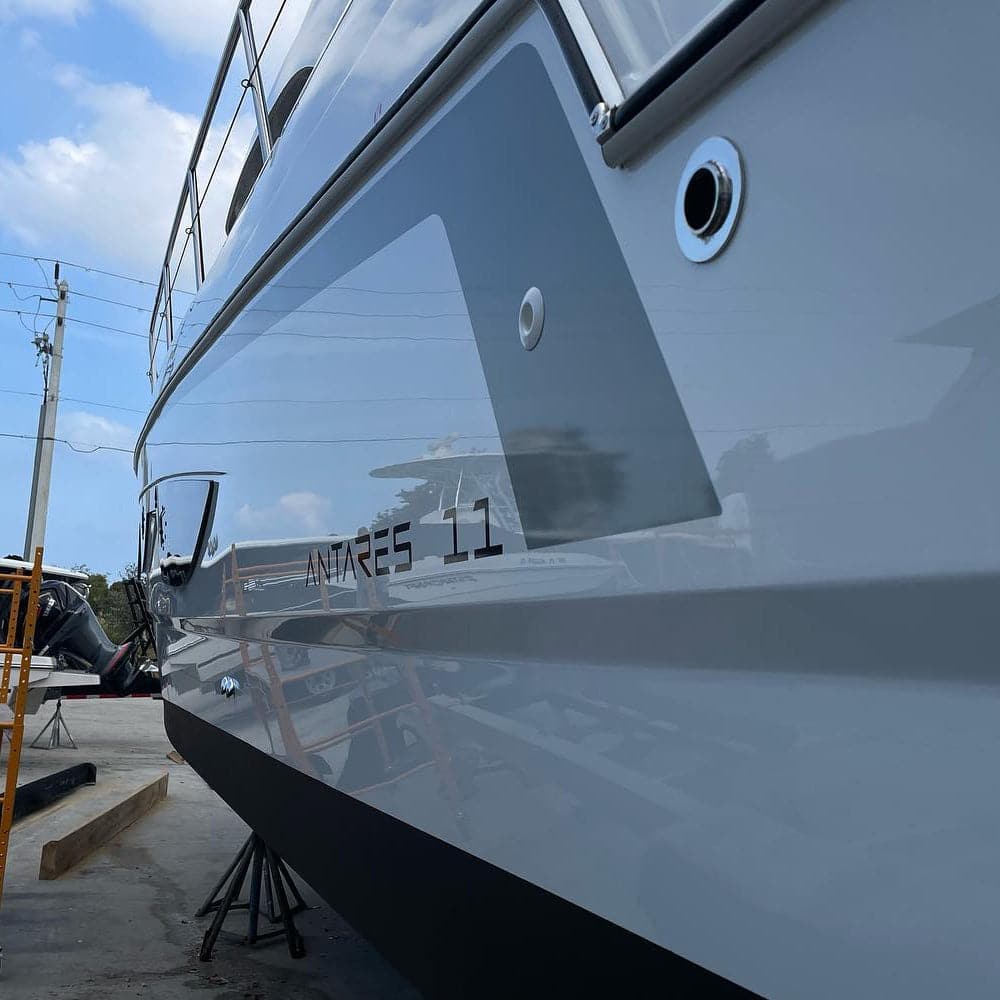
A complete boat detailing kit covers five jobs, wash, decontaminate, correct, protect and maintain, across the surfaces your boat actually has. For most gelcoat boats that comes down to a pH-balanced soap and soft wash tools, a water spot remover, a polish only if the gelcoat is oxidized, one coating with an applicator and prep solvent, a maintenance spray for between washes, a glass cleaner, an interior cleaner and a stack of microfiber towels. Clear vinyl enclosures, canvas, non-skid, stainless hardware and aluminum each add a surface-specific rule rather than a cabinet full of extra bottles.
This guide is organized the way the work happens: job by job, with the surface exceptions called out. Each section names the product type you need, the Undrdog option where we make one, and the surfaces where you should reach for something else. Read the surface inventory first; a lot of wasted money in marine detailing comes from buying for a boat you do not have.
Start with a surface inventory, not a shopping cart
Walk the boat with a notepad before you buy anything. A typical center console or runabout has far more materials on it than a car:
- Gelcoat on the hull sides, deck and cockpit (the thick, pigmented resin layer on most fiberglass boats)
- Painted topsides on some boats, often a two-part polyurethane system such as Awlgrip
- Bare or painted aluminum on pontoon tubes, towers, T-tops and rails
- Stainless steel cleats, rails, latches and rod holders
- Glass windshields and hatches
- Clear vinyl enclosure panels (Strataglass, EZ2CY and similar), which are not glass and must not be treated like it
- Marine vinyl upholstery
- Canvas biminis, covers and dodgers
- Non-skid molded deck texture or synthetic deck pads
- Trailer frame, wheels and lights if you tow
The table near the end maps each of those surfaces to the product type it needs. Everything in between explains why.

The core wash kit every boat needs
The wash step does more for a boat's finish than any other job, because salt, bird droppings and spider droppings do their damage while they sit. The kit is short:
- A pH-balanced, coating-safe soap. Undrdog Soap is labeled for cars and boats, is compatible with coated surfaces, and its page calls for 1 oz per 1 to 1.5 gallons of water. It is formulated to tolerate sun, but the page still recommends washing in the shade when you can.
- Two buckets and a soft wash mitt or boat brush. Separate rinse and soap buckets keep grit out of the mitt. A long-handled soft brush earns its place on decks and tall hull sides.
- A hose with a gentle rinse setting. The BoatUS Foundation notes that pressure washing can remove bottom paint, so save it for a designated washdown area, and if you can, wash where runoff does not drain straight into the water (BoatUS Foundation).
- Drying towels. Large, plush microfiber for hull and deck, plus smaller low-pile towels for glass and hardware.
- A rinseless option for trailer boats and marinas without hose access. Rinseless Wash Spray is pre-diluted and ready to use (spray, wipe, dry, no mixing and no bucket) and its page lists boat and RV clean-downs where a hose is not practical as one of its intended uses.
Rinse the boat with fresh water after every saltwater outing even when there is no time for a full wash. The BoatUS Foundation makes the same point: regular rinsing is what keeps you from needing harsh cleaners later.
Decontamination: water spots, mineral scale and rust specks
Washing removes dirt; it does not remove minerals that have bonded to the surface. Two product types handle that.
Water spot remover. Hard-water and scale spots on gelcoat, paint and glass are a routine problem on boats, especially after a hose-down in the sun. Undrdog Water Spot Remover is labeled for cars, boats and glass. Its directions call for testing an inconspicuous area first, mixing it 1:1 with water for new spots and using it undiluted for stubborn ones, applying with a damp microfiber towel in the shade, rinsing the area well and removing all residue with a second water-soaked towel, and never letting it dry on the surface. If spots are still visible after that, the page is direct about the next step: the mineral deposit has etched the surface and only polishing or sanding will level it.
Iron and fallout remover. On a boat this is mostly a trailer product. The Purps dissolves iron particles on paint and wheels, which is what brake dust on trailer wheels and rust specks on a painted trailer frame are. Its page says to keep it off glass, to test first on metals and plastics because it can discolor some of them, to be careful with chrome, and to never let it dry on the surface. Rust-colored streaks below stainless fittings are usually a different problem: tea staining of the hardware itself, which the Australian Stainless Steel Development Association describes as a cosmetic surface discoloration that does not affect the strength of the metal (ASSDA). Frequent freshwater rinsing of hardware is the prevention.
Correction: only if the gelcoat is oxidized
A polisher, pads and compound are the most expensive items on a marine detailing list, and many owners do not need them. Run a damp finger across the hull side above the waterline: if it comes away chalky white, the gelcoat is oxidized and needs correction before any coating will look right or bond well. If it comes away clean and the surface is glossy, skip this section.
When you do need it, follow the boat builder's advice to start with the least abrasive method that gets the job done. Grady-White's owner guidance recommends polishing compounds for minor oxidation, rubbing compounds for deeper correction, 600-grit or finer wet sanding followed by polish only for troublesome spots, and keeping an electric buffer in the 1,700 to 1,800 RPM range and moving so it does not burn the surface (Grady-White). Gelcoat is thicker and more porous than automotive clear coat, so the pad and compound choices differ from car work; our guide to polishing a fiberglass boat walks through the pad, compound and polish sequence step by step.
Polishing leaves oils and fillers behind. Strip them before you coat (see the next section) or the coating bonds to the residue rather than the gelcoat.
Protection: which coating goes on which surface

A cured coating is what turns the rest of this list into light maintenance instead of a wax-and-rewax cycle. The checklist for the coating step has four items.
1. Prep solvent. Undrdog Wax and Grease Remover is the prep step Undrdog specifies before any of its coatings. Its page lists paint, gelcoat, clear coat, bare metal and glass as compatible surfaces, says to use it ready-to-use after polishing to strip oils and fillers, and to coat within 30 minutes of the final wipe. A surface that still beads water is still wearing old protection and is not ready.
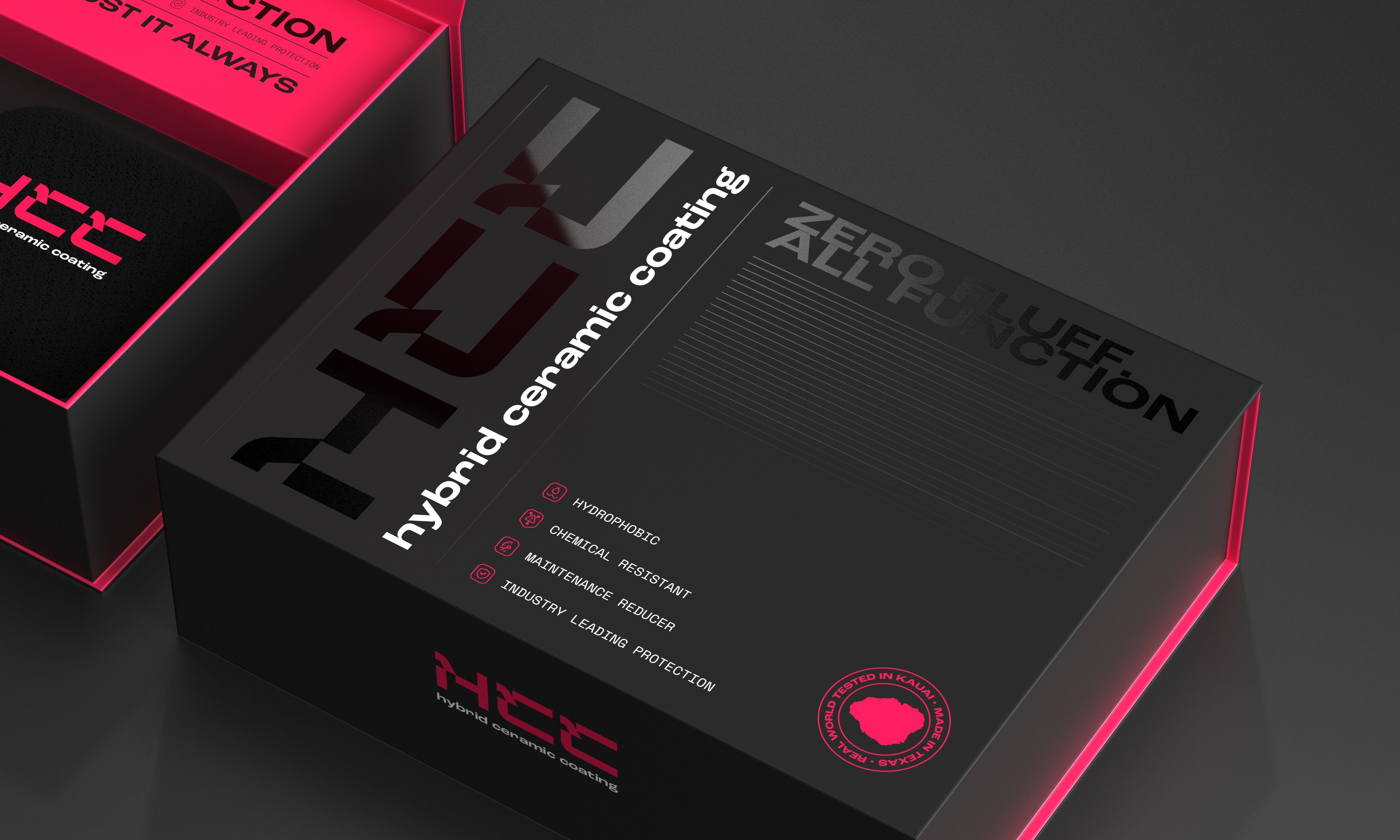
2. The coating itself. Our recommendation for most boats, and the one to start with if you own one coating, is HCC Hybrid Ceramic Coating. Its product page lists paint, gel coat, metal, glass, PPF, vinyl and plastic trim as compatible surfaces and names cars, boats, RVs and planes as intended uses, which matters on a vessel where the hull, the painted engine cowling, the stainless rails and the windshield can all be done from one bottle. Coverage on the page is 100 mL for one boat (or two vehicles). Application is wipe-on with the pad, continuing to work the product in until it disappears, with a humidity-dependent flash time and no separate wipe-off step. It is dust-free and tack-free in about four hours and reaches full chemical resistance in five to seven days, so plan the install around a window when the boat can stay dry.
Undrdog also makes two marine-specific coatings. Undrdog Marine is a PTFE-based boat coating whose instructions give you a 7 to 10 minute working window per section; it is applied between 45 and 110°F, needs about three hours to dry, 24 hours before the boat gets wet and a week before any detergent touches it, and the Marine Plus page itself says Marine is the better fit for weekend warriors and enthusiasts. Undrdog Marine Plus is the faster version: its instructions call for buffing residue two to three minutes after application with fresh towels, its page recommends it for seasoned coating installers and detail shops, and it rates 100 mL for roughly a 25 to 35 foot boat. Our comparison of Marine vs Marine Plus covers how to pick between them. All three are multi-year coatings whose service life depends on prep, exposure and how the boat is washed, so treat any fixed-year figure, ours or anyone else's, as an estimate rather than a promise.
3. Applicator and towels. The Pad is the 3.5 by 5 inch microfiber applicator Undrdog recommends for its coatings; its sewn inner edges keep only microfiber in contact with the surface and the medium-firm core follows hull curves. Keep several clean, lint-free microfiber towels within reach for leveling high spots, and retire any towel that touches coating to non-coating duty afterward.
4. Safety gear. Read the label on whichever coating you buy. The HCC label classifies it as a flammable liquid that can cause severe skin and eye damage and calls for gloves, eye and face protection and use outdoors or in a well-ventilated area. The Marine label calls for gloves and a face mask in a well-ventilated area and carries aquatic toxicity hazard statements, so keep the liquid and used applicators out of the water and dispose of them according to local regulations.
Surfaces where the coating rules change. If your topsides are painted with a system such as Awlgrip, the paint manufacturer's instructions govern; Awlgrip's own maintenance guidance centers on regular washing with its soap and protection with its hand-applied polymer sealer, and it warns against traditional waxes, abrasives and, on its topcoat, polishing compounds (Awlgrip). Our guide to washing a painted boat hull covers the differences. On bare aluminum, the Marine and Marine Plus FAQs are candid: a coating slows oxidation but does not stop it, so pontoon owners should expect maintenance, not immunity. On molded non-skid, the Marine Plus FAQ distinguishes grated non-skid, which can be coated, from roll-on sand non-skid, which it says becomes slippery when coated. Fabric canvas is not a coating surface at all.
Maintenance between washes

- Maintenance spray. Undrdog Quick Detail is the between-wash topper for a cured coating. Its page calls for a cool, shaded surface, misting one section at a time, spreading with a damp towel and wiping dry with a second, about five to ten minutes for a whole vehicle, used either as a drying aid or on a dry surface. The page lists interior leather, plastics, metal and glass as compatible and fabrics as not.
- Glass cleaner. Window Warsh is an ammonia-free, tint-safe glass cleaner labeled for car, boat and home windows. Use it on glass windshields and hatches only, never on clear vinyl panels (see below).
- Interior cleaner. Undrdog Interior Cleaner handles cabin plastics, metal, leather and glass according to its page, which also says to dilute it 50:50 for leather and to avoid delicate surfaces. Test it in a hidden spot on marine vinyl before doing a whole seat.
- Low-pile towels for glass and hardware. Undrdog Interior Towels are 16 by 16 inch, 400 GSM tight-weave microfiber made for glass, interiors and wheels where a plush paint towel would leave lint.
Surface-specific rules that save you money
- Clear vinyl enclosures. Strataglass's care instructions say to rinse panels with fresh water after every outing, clean every one to two weeks with its approved protective cleaner and polish, and never use Windex, Rain-X, Plexus, Simple Green, car wax or any wash-and-wax product on the material; doing so voids the warranty (Strataglass). Follow your panel manufacturer's list, not a general-purpose detailing list. Our guide to cleaning clear vinyl boat windows goes deeper.
- Canvas and biminis. A soft brush, a mild soap solution and a thorough rinse are the kit. Keep coatings and quick detailers off fabric; the Undrdog Marine and Quick Detail pages both exclude fabrics.
- Non-skid decks. Grady-White's guidance is to use non-skid-specific protection so the deck does not become slippery. The Marine Plus FAQ makes the same distinction between grated and roll-on sand textures.
- Stainless hardware. Rinse often, dry when you can, and treat tea staining as cosmetic. A coating on polished stainless rails and cleats is a reasonable use of the same HCC bottle you bought for the hull, since metal is on its compatible-surface list.
- Trailer. The iron remover, the soap and the water spot remover cover it. Painted trailer frames can be coated with HCC too.
What you can leave on the shelf
- A second coating bottle "for the metal" or "for the glass" when HCC already lists both surfaces.
- Any coating for fabric canvas or roll-on sand non-skid.
- Household glass cleaners or wash-and-wax products anywhere near clear vinyl.
- Compound, pads and a polisher if the finger test comes back clean. Buy them when the gelcoat tells you to.
- A pressure washer for the hull bottom unless you are in a washdown area that captures the runoff.
Boat detailing supplies by surface
| Surface | Wash and decontaminate | Correct | Protect | Maintain |
|---|---|---|---|---|
| Gelcoat hull and deck | Undrdog Soap, Water Spot Remover | Compound and polish only if chalky | HCC (or Marine / Marine Plus) | Quick Detail |
| Painted topsides (Awlgrip and similar) | Paint maker's soap and method | Per manufacturer | Per manufacturer | Per manufacturer |
| Stainless and metal trim | Soap, frequent freshwater rinse | Metal polish for tea staining | HCC | Quick Detail |
| Bare aluminum (pontoons, towers) | Soap, rinse | Aluminum-specific cleaner if oxidized | Marine or HCC; slows, does not stop, oxidation | Quick Detail |
| Glass windshield and hatches | Window Warsh, Water Spot Remover | Glass polish for mineral etching | HCC or Window Coating | Window Warsh |
| Clear vinyl panels | Panel maker's approved cleaner only | None | Panel maker's approved polish | Fresh-water rinse every outing |
| Marine vinyl seats | Interior Cleaner (test first) | None | None from the coating family | Interior Cleaner, low-pile towels |
| Canvas and bimini | Soft brush, mild soap, rinse | None | Fabric guard per fabric maker | Brush and rinse |
| Non-skid deck | Soap and deck brush | None | Non-skid-specific protection; grated texture only for coatings | Rinse |
| Trailer | Soap, The Purps on wheels and frame | None | HCC on painted frame | Rinseless Wash Spray |
Everything in the Undrdog column is in our marine detailing collection, with HCC on its own product page.
Frequently asked questions
Can I use car detailing products on my boat?
Some, yes. Undrdog Soap, Water Spot Remover, Quick Detail and HCC are all labeled for boats as well as cars. Compounds and polishes are the exception: gelcoat is thicker and more porous than automotive clear coat, so marine-specific products and pads generally do the job better. Clear vinyl is the other exception; only the panel manufacturer's approved products belong on it.
Do I need a marine-specific coating, or will HCC work on a boat?
HCC's product page lists gel coat and metal among its compatible surfaces and boats among its intended uses, and its 100 mL size is described as one boat's worth, so it is our first recommendation. Undrdog Marine and Marine Plus are the marine-specific line; they differ mainly in working time and the installer they are aimed at, which our Marine vs Marine Plus comparison explains.
How much coating do I need for my boat?
Measure before you buy. HCC's page rates 100 mL for one boat. The Marine Plus page rates 100 mL for roughly a 25 to 35 foot boat. Larger vessels, hardtops and towers add surface area, so round up rather than running out mid-hull.
What is the minimum kit for a trailer boat washed at home?
A coating-safe soap, two buckets and a mitt, a water spot remover, one coating with its prep solvent and applicator, a quick detailer and a dozen microfiber towels. Add an iron remover for the trailer wheels and a rinseless wash spray for quick clean-downs at the ramp.
Can I coat non-skid?
It depends on the texture. The Marine Plus FAQ says grated non-skid can be coated, while roll-on sand non-skid becomes slippery when coated. Grady-White recommends non-skid-specific protection for exactly that reason.
Will a coating stop my aluminum pontoons from oxidizing?
No. The Undrdog Marine FAQ says a coating slows aluminum oxidation but does not stop it. Expect to maintain pontoons and towers rather than coat them once and forget them.
How do I know whether I need polish or just a coating?
Wipe a damp finger across the hull above the waterline. Chalky residue means oxidation that polish must remove first, because coatings lock in whatever is under them rather than fixing it. A clean, glossy surface can go straight to prep and coating.
One bottle for the hull, the rails and the glass
HCC Hybrid Ceramic Coating is labeled for gel coat, metal, glass, paint and trim, and the 100 mL size covers one boat. Pair it with Wax and Grease Remover and The Pad for the full protection step on this checklist.
Shop HCC →


Leave a comment
This site is protected by hCaptcha and the hCaptcha Privacy Policy and Terms of Service apply.