

Choosing between a ceramic spray and a coating? Compare the specific products' intended use, preparation, application, cure instructions, and maintenance requirements. Do not treat a product name or an advertised SiO₂ percentage as proof of durability. Start with the protection you want and the installation process you can properly complete.

The Short Answer: Compare Products, Not Assumed SiO₂ Thresholds
Start with the job you need the product to do. Check whether it is intended for standalone protection, maintenance of an existing coating, or use as a drying aid before comparing the application process.
Check the formulation information the manufacturer actually publishes. If a percentage is given, ask what it measures and how it relates to the finished film. This guide does not use an assumed SiO₂ threshold to decide which products count as coatings.
Cure requirements are also product-specific. HCC's current instructions distinguish approximately four hours to dust- and tack-free from five to seven days to full chemical resistance. Use the product's stated milestones rather than a universal 24–48-hour full-cure rule.
Ceramic Spray vs Ceramic Coating: Side-by-Side Comparison
Use this checklist to compare the actual products you are considering. A category name alone does not establish performance, service life, or application cost.
| Decision | Check on the spray product | Check on the coating product |
|---|---|---|
| Intended role | Standalone protection, maintenance topper, drying aid, or some combination? | Which surfaces and use conditions is it designed for? |
| Preparation | Must it be applied to clean wet paint, clean dry paint, or a prepared existing coating? | What decontamination, correction and final wipe-down are required? |
| Application | Spray-and-wipe, spray-and-rinse, or another specified method? | What application, leveling and wipe-off procedure is specified? |
| Waiting periods | What restrictions apply after application? | Separate flash, water-exposure, first-wash and full-cure instructions. |
| Service life | What claim is made, under what conditions, and when should it be renewed? | What claim is made, under what conditions, and how should condition be assessed? |
| Measured performance | Look for product-specific tests, methods and limitations. | Look for comparable tests rather than an assumed category advantage. |
| Cost | Calculate product used per application, not bottle price alone. | Include product used, preparation, maintenance and any labor. |
What a Ceramic Spray Actually Does
A ceramic spray may be sold for standalone protection, maintenance, or use as a drying aid. Check its intended role, compatible surfaces, and application instructions rather than assuming all sprays work the same way.

When a spray may fit your routine
- As a drying aid, if the product's instructions permit application to wet panels. Follow its dosage and wiping directions.
- As a topper, if it is compatible with your existing coating and approved for that use.
- Between full details, use a compatible maintenance product after the cleaning and preparation its instructions require.
- For a shop, fleet, or personal vehicle when the specified application process and maintenance needs fit the schedule.
If you are considering Undrdog Quick Detail, check its instructions and intended maintenance role. Do not assume a detail spray replaces every protection step in your care routine.
What not to assume about a spray
- Do not assume any protective product makes it safe to leave bird droppings or other contamination on the finish. Clean contamination promptly using a suitable method.
- Do not infer scratch or swirl resistance from the word ceramic. Look for relevant product-specific evidence and maintain careful wash technique.
- Do not assign every spray the same renewal interval. Follow its guidance and assess condition in the vehicle's actual use environment.
- Do not infer UV protection from beading or a category label. Look for the manufacturer's specific claim and supporting test information.
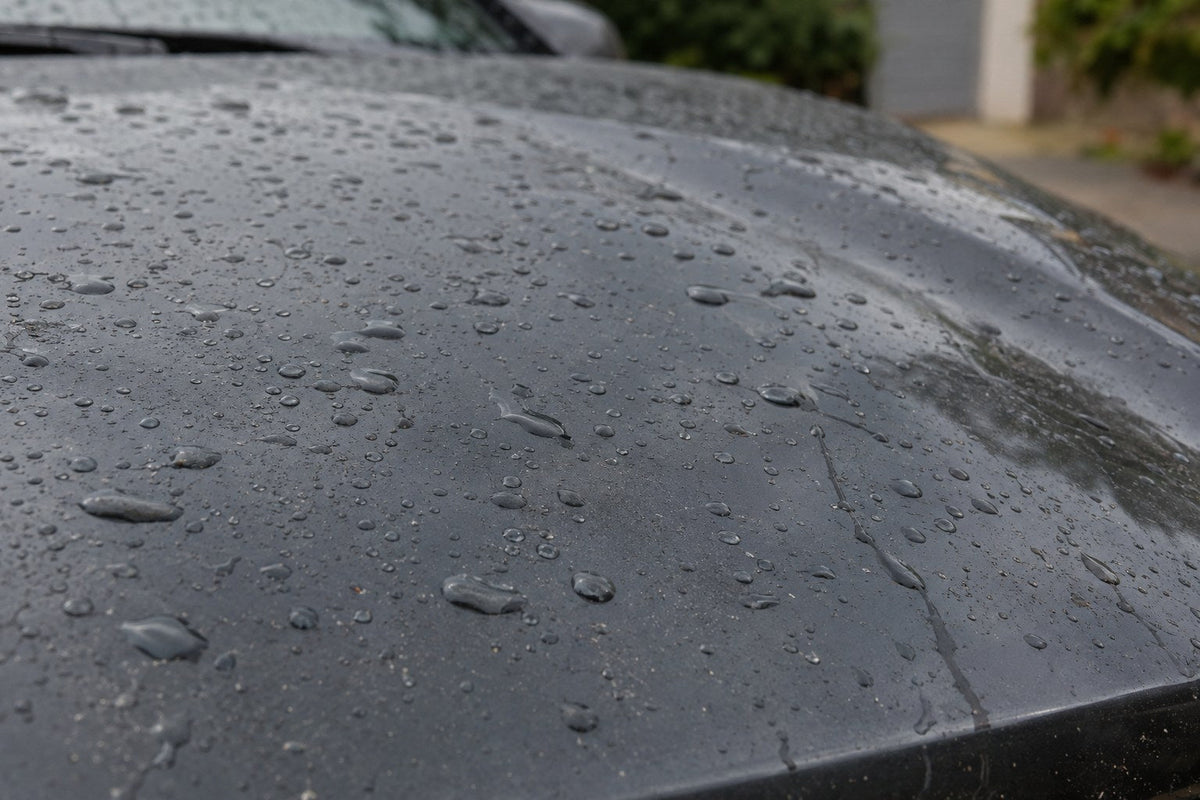
Set expectations from the selected product's instructions and evidence. Water beading alone does not establish every kind of protection or a fixed remaining service life.
What a Ceramic Coating Actually Does
A coating installation has distinct preparation, application, leveling, and aftercare steps. Follow the selected product's applicator, flash-time, wipe-off, and cure instructions. Do not substitute a universal 24–48-hour wait for those requirements.

A lab result belongs to the material and test conditions actually studied. The cited research on functionalized SiO2 particles is not a comparison of bottled automotive sprays and coatings. We therefore do not use it to assign universal contact angles, UV protection, or scratch resistance to either category.
What to evaluate in a coating's protection claims
- Chemical resistance: Check the specific claim, test conditions, and limitations. Continue to remove contamination promptly.
- UV protection: Look for product-specific evidence relevant to the surface you intend to protect, rather than an assumed advantage for every coating.
- Maintenance: Compare recommended wash methods and aftercare. Evaluate ease of cleaning in your actual conditions instead of assuming a fixed reduction in wash time.
- Finish: Assess the surface's condition before installation. Protection is not a substitute for any correction the finish needs.
- Cost: Compare cost per application, not bottle price alone. Divide the bottle price by the number of full-vehicle applications it provides, then account for how often you apply it. For illustration only, if a $30 bottle provides six applications and you apply it six times a year, the product cost is $30 per year, not $180. These are hypothetical inputs, not a claim about a specific product. For a coating, also include preparation, maintenance, and any professional labor.
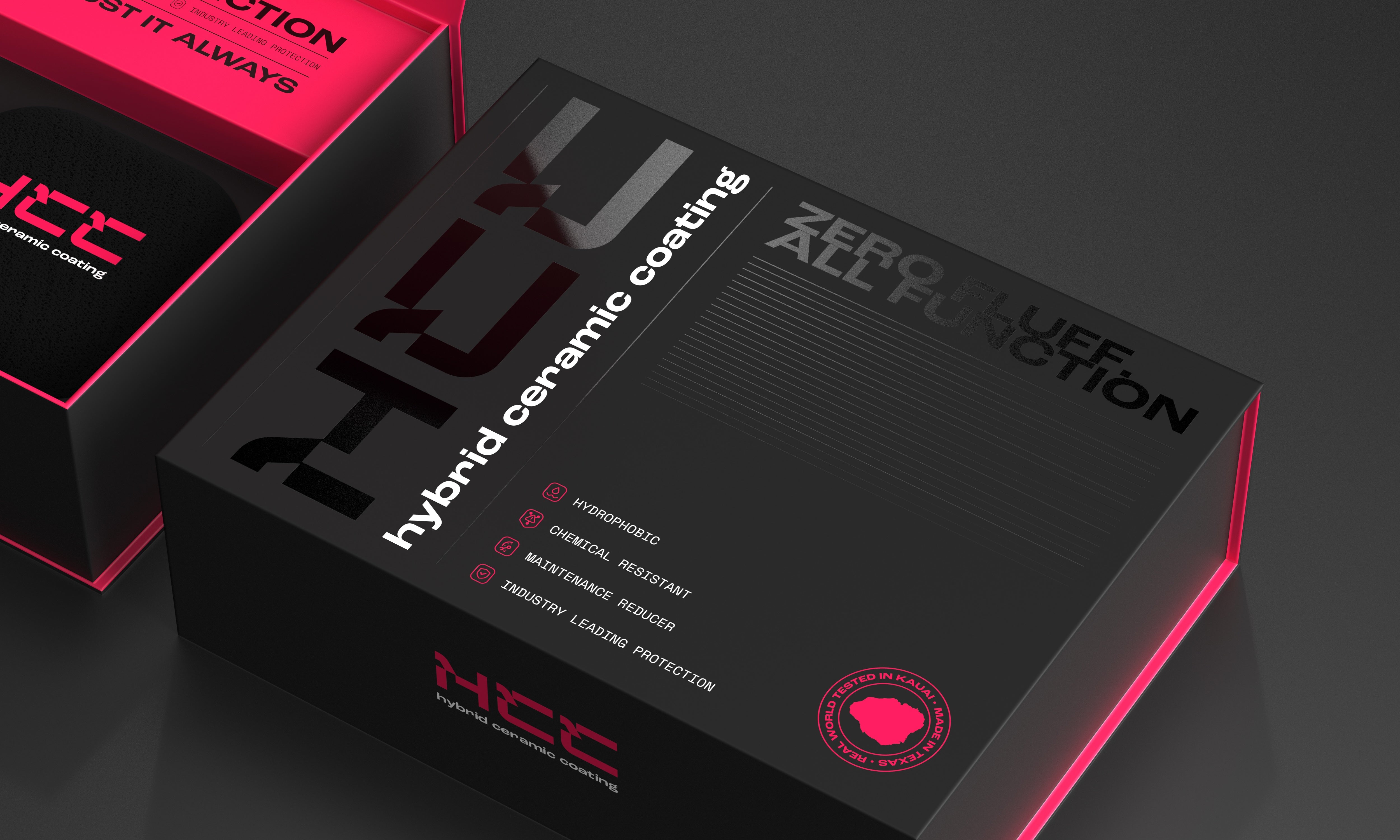
HCC — Hybrid Ceramic Coating is Undrdog's all-surface flagship for cars, boats, planes, and bicycles. It is engineered for multi-year protection; preparation, exposure, use, and maintenance affect actual service life.
Which One Do You Actually Need?
A coating and a compatible maintenance spray can fit into the same routine, but you do not automatically need both. Choose around your surfaces, installation conditions, maintenance habits, and the products' instructions.
Choose a ceramic spray if...
- You have an existing coating and the spray is approved as a compatible maintenance product.
- Its stated protection and upkeep requirements fit how you use the vehicle.
- You prefer its specified application method and can complete the required preparation.
- You want a drying aid and the selected spray is intended for that use.
Choose a ceramic coating if...
- You want a multi-year protection option and can follow its installation and aftercare requirements.
- You want to protect a prepared finish as part of a long-term care routine.
- Its maintenance instructions fit the way you wash and care for your vehicle.
- The product is approved for your car, boat, RV, motorcycle, aircraft, or bicycle surface and intended exposure.
- Its total product, preparation, maintenance, and labor costs fit your budget.
Ceramic Spray vs Ceramic Coating: The Prep Reality
Follow the selected product's surface-preparation instructions. Do not assume a protective spray is a cleaner or that it removes dirt, water spots, or existing wax. Use the cleaning method and wet- or dry-application procedure specified for that product.
Inspect the finish before applying protection and address contamination or defects using an appropriate process. Start with proper pre-coating paint prep; technique matters when applying DIY ceramic coating. Choose decontamination and correction steps for the surface's actual condition rather than using the same aggressive process on every vehicle.
If you want the honest comparison between DIY and paying a shop for the install: DIY vs pro ceramic coating cost and results breaks down what you get for the price gap.
What Testing Can Actually Tell You
Accelerated weathering and corrosion tests can help evaluate materials under specified conditions. Examples include SAE J2527 for accelerated xenon-arc weathering and SAE J2334 for cyclic corrosion. Naming a standard is not the same as publishing a product's results, and it does not by itself prove a service life.
When comparing products, look for the actual formulation tested, the substrate, preparation, exposure conditions, test duration, and measured outcome. The standards linked here explain testing methods; they do not establish that every coating outperforms every spray.
Use relevant product results to judge a performance claim. Do not turn a test-method reference into a promise about every product in a category.
A Product-Specific Layering Strategy
If you choose a coating plus a maintenance product, verify compatibility and follow the instructions for both layers.
- Base layer: Choose HCC for all-surface protection, Undrdog Pro for its forgiving automotive application window, or Pro Plus if you have the experience to work with its shorter flash window. Follow the selected product's own cure and aftercare instructions.
- Maintenance layer: Use an appropriate wash product and, if desired, a compatible maintenance spray. Follow the selected products' application and aftercare instructions rather than a fixed every-few-washes rule.
- Refresh cycle: Assess condition and follow the coating manufacturer's maintenance guidance. Do not automatically clay, strip, or replace a coating on an arbitrary calendar deadline.
Build the routine around condition, compatibility, and cost per application. Layering is an option, not proof that the routine is always cheaper or more protective.
Common Mistakes When Choosing Between the Two
Treating a hardness label as proof of overall protection
Ask what test was used, which product and substrate were tested, how the film was prepared, and what the result means. Do not use a hardness label, bottle price, or assumed SiO₂ concentration as proof of scratch resistance or service life.
Applying a ceramic spray over swirled or contaminated paint
A protective spray is not a substitute for correcting swirls or removing contamination. Inspect and prepare the surface according to the product's instructions before application.
Skipping the wash before applying either product
Follow the specified cleaning and preparation process. Choose a compatible wash product, such as an appropriate ceramic-safe soap, and use the wet- or dry-application method required by the protection product. Do not assume every spray must be applied to dry paint.
Expecting one product to solve every problem
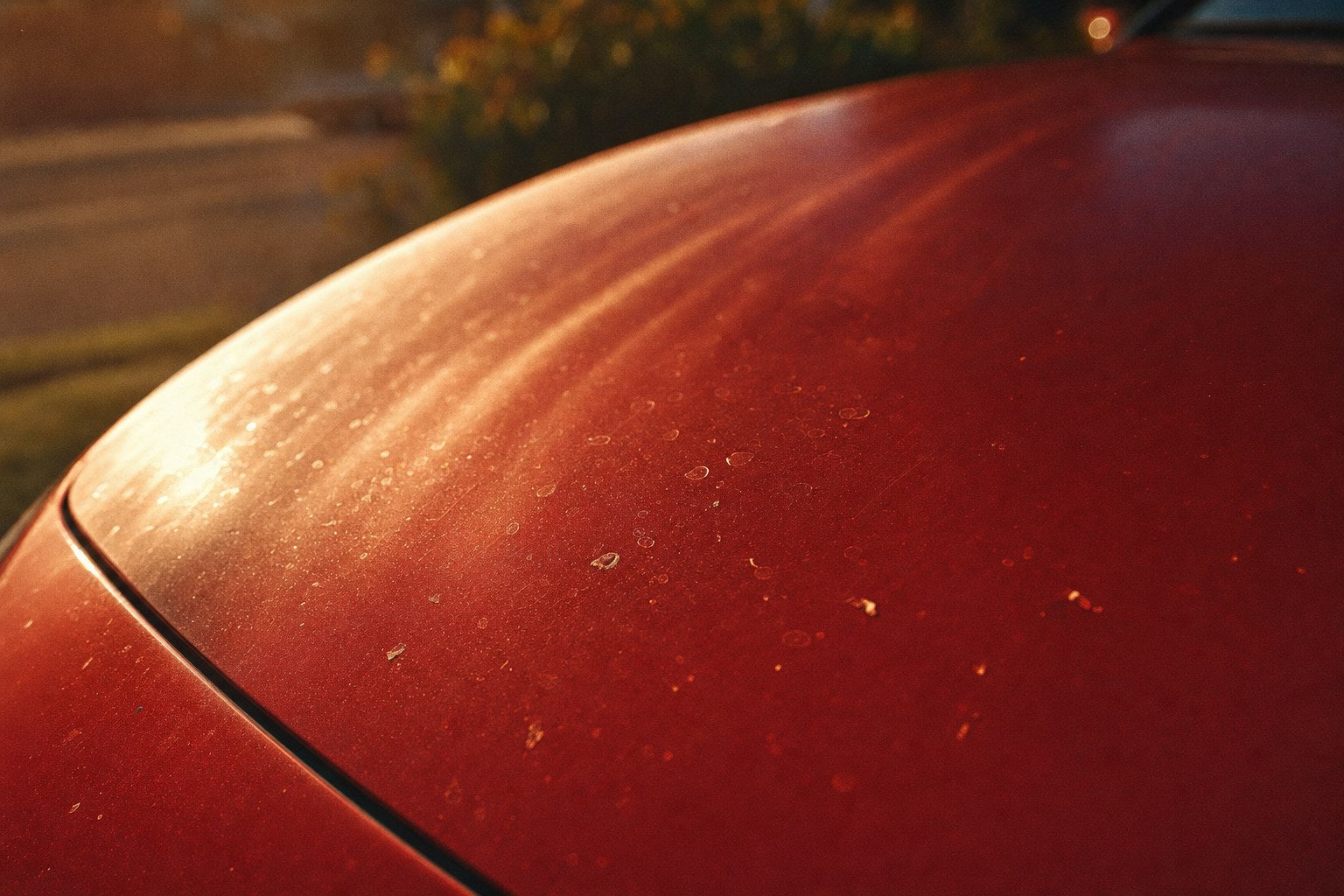
Ceramic sprays don't fix oxidation. Ceramic coatings don't fix swirls. Neither product is a substitute for compounding, polishing, or paint correction. They protect the paint you already have.
Frequently Asked Questions
Is a ceramic spray the same as a ceramic coating?
Not necessarily. Products sold as sprays and coatings can have different intended roles, application processes, and cure requirements. Compare the actual product instructions and performance evidence rather than relying on category names or an assumed SiO₂ percentage.
How long does a ceramic spray actually last?
Service life is product- and condition-specific. Check the manufacturer's guidance, consider exposure and maintenance, and assess when renewal is needed. We do not assign a universal lifespan to every ceramic spray.
How long does a ceramic coating last?
HCC is engineered for multi-year protection. Actual service life depends on preparation, exposure, use, and maintenance. We describe it in terms of those conditions rather than assigning an arbitrary replacement deadline.
Can I apply a ceramic spray over a ceramic coating?
You can use a spray over a coating when the products are compatible and their instructions allow it. Confirm the base coating's waiting period and the topper's preparation and aftercare requirements rather than assuming every combination is suitable.
Do ceramic sprays protect against bird droppings and bug guts?
Protection and chemical resistance depend on the specific product and conditions. Do not assume a spray or coating prevents etching under all circumstances. Remove bird droppings and bug residue promptly using a suitable cleaning method.
Can I skip the ceramic coating and just use spray every few months?
You can choose a standalone spray when its intended use and maintenance requirements fit your needs. Compare cost per application, not bottle price alone. Divide the bottle price by the number of full-vehicle applications it provides, then account for how often you apply it. For illustration only, if a $30 bottle provides six applications and you apply it six times a year, the product cost is $30 per year, not $180. These are hypothetical inputs, not a claim about a specific product. For a coating, also include preparation, maintenance, and any professional labor.
What SiO₂ percentage counts as a ceramic coating?
We would not use an unsupported percentage cutoff to make that distinction. Compare the product's intended use, published application instructions, cure requirements, and relevant performance evidence instead.
Can I apply a ceramic coating outside in the summer?
Follow the selected coating's temperature, humidity, shelter, and cure instructions. If outdoor conditions fall outside that guidance, move to a suitable environment or postpone the application. Do not use one temperature cutoff for every formulation.
Does a ceramic spray replace wax?
A spray intended for standalone protection may be an alternative in your care routine. Compare the actual spray and wax products' application, performance claims, and maintenance requirements rather than assuming every spray lasts longer or provides the same benefits. See spray sealant vs paste wax for related considerations.
Which one is better for boats and gelcoat?
Choose a product approved for the boat's specific surface and use conditions. HCC is Undrdog's all-surface, multi-year option; dedicated marine products may also fit the job. Use a spray as maintenance only when it is compatible and intended for that role.
Choose protection that fits your surfaces and routine.
HCC is engineered for multi-year protection on cars, boats, planes, and bicycles. Follow its preparation, application, and aftercare instructions, and maintain it for your actual conditions.
Shop HCC →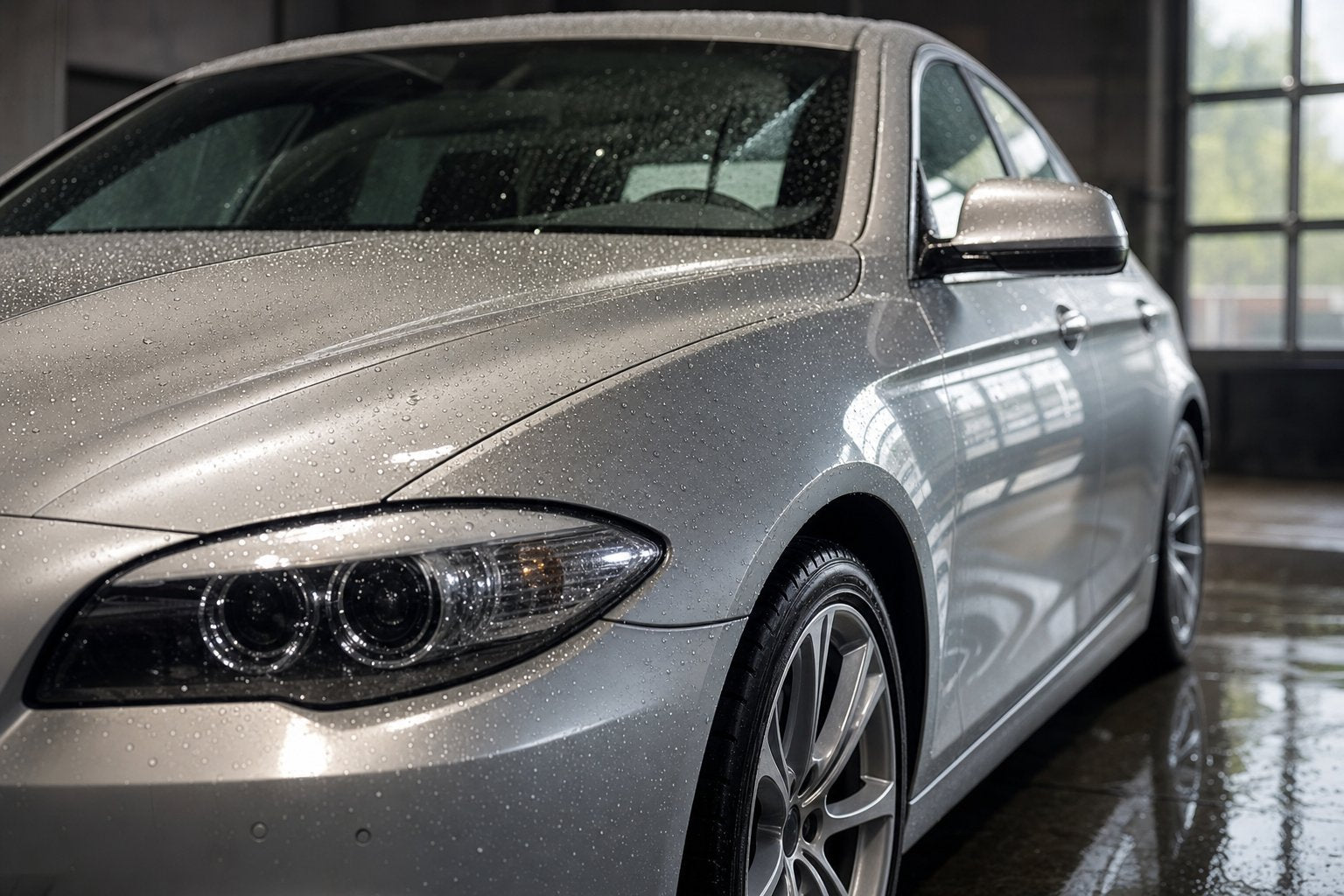

Leave a comment
This site is protected by hCaptcha and the hCaptcha Privacy Policy and Terms of Service apply.