


Undrdog Tire Coating is a finishing product for the face of a cleaned, dry tire: the current instructions call for washing first, drying, and then applying an even coat with a tire sponge or microfiber towel. It belongs after cleaning, not in place of cleaning or tire inspection (Undrdog’s product directions).
The useful distinction is simple: a finished-looking sidewall is an appearance result, not a tire-safety assessment. Pressure, tread condition, and damage still need their own checks; NHTSA identifies those as separate tire-maintenance responsibilities (NHTSA TireWise guidance).
What Undrdog Tire Coating is for
The product is designed for tire appearance, with a rich shine described on the product page. The application instructions specifically refer to an even coat on the tire’s face, so keep this guide focused on that intended finishing task rather than treating the bottle as a general-purpose coating for everything around the wheel (Tire Coating product information).
Use this decision table before opening the bottle. It separates the job you want from the work that must come first.
| What you are seeing | What to do first | Where Tire Coating fits |
|---|---|---|
| A dirty tire sidewall | Clean it with a product approved for that tire and rinse as directed. | Consider finishing only after the cleaning and drying steps. |
| A clean, dry sidewall you want to dress | Confirm the tire and vehicle maker’s care requirements and the coating label. | Follow the product’s even-coat application instructions. |
| A pressure warning or repeated air loss | Address inflation or a possible tire problem. | Do not use appearance work as the response to the warning. |
| Cracks, cuts, bulges, or questionable wear | Seek a tire professional’s assessment. | Pause the cosmetic work instead of covering the concern. |
| Brake dust on a wheel finish | Identify the wheel material and choose an appropriate cleaning process. | A tire-sidewall product is not the wheel-cleaning step. |
The pressure and damage checks come from tire-safety guidance, not from how dark or glossy the rubber looks. NHTSA advises checking for physical damage and consulting a tire professional when tire condition is in doubt (NHTSA’s tire-care guidance).

Inspect the tire before the finishing step
Before dressing a tire, take a moment to look at the exposed sidewall and tread for an issue that belongs with a tire technician. NHTSA’s guidance includes damage such as cuts, cracks, and bulges, while Michelin recommends regular wear checks and professional attention when you have doubts about the tire’s condition (NHTSA TireWise; Michelin routine tire care).
Do not let the detailing schedule outrank a safety concern. If you notice damage or unexplained air loss, stop the appearance work and arrange appropriate help. This article is not a diagnostic procedure for deciding whether a damaged tire is safe to drive.
Check pressure separately with a gauge. NHTSA recommends monthly checks when tires are cold and directs drivers to the vehicle’s Tire and Loading Information Label or owner’s manual for the correct pressure, rather than using the number on the tire sidewall as the vehicle’s target (NHTSA inflation instructions).
That check does not become unnecessary because the tire has been cleaned or coated. Treat inspection, inflation, cleaning, and finishing as different tasks on your checklist, each with its own completion condition.
Prepare the sidewall without guessing at cleaner compatibility
Undrdog’s directions begin with washing the tire using a degreasing agent to release embedded grime or oils, followed by drying before application. Read that together with the tire and vehicle manufacturer’s care instructions; “degreasing agent” is not permission to use any strong household or workshop solvent on rubber (Tire Coating preparation directions).
Choose a cleaner whose label actually permits the intended tire use. Check the dilution, contact time, rinsing directions, and restrictions for nearby wheel finishes. If the cleaner, tire maker, and vehicle instructions do not agree, resolve that conflict before starting rather than selecting the most convenient instruction.
Our recommendation is to organize the wheel area as separate surfaces: tire rubber, wheel finish, and braking components. Keep tire-cleaning tools separate from paint-care tools, and plan where rinse water and product will travel. For the broader washing sequence, see our wheel and tire cleaning guide; the current instructions for your actual products and materials take priority over generic timing or technique.
After rinsing as directed, inspect the sidewall again and let it dry before the coating step. Do not apply a new finish merely to hide remaining dirt. If the surface or its condition is uncertain, a controlled inspection is more useful than another layer of product.
Apply an even coat and control where it goes
The published Tire Coating instructions specify a tire sponge or microfiber towel and an even coat on the tire’s face. They then say to allow it to dry for a few minutes; use the current container directions for your application rather than inventing a universal cure or driving-readiness time from that short description (Undrdog application instructions).
For a controlled workflow, assign a clean tool to the tire-finishing step and keep the product on the intended sidewall. Do not apply it to the tread, brake friction surfaces, pedals, or other grip-critical areas. Do not infer permission for motorcycle or bicycle tires from a product’s use in an automotive detailing photograph; confirm that specific use with the relevant manufacturers first.
Work around the sidewall deliberately and inspect the lettering and edges before moving on. Our recommendation is to follow the even-coat direction rather than chase gloss by leaving uncontrolled excess. If the application looks uneven, return to the product instructions before adding more.
Keep the applicator and any cleanup towel assigned to their own roles. Our coating applicator and towel guide explains that organizational distinction, but it is not a replacement for Tire Coating’s specific application directions.
Before considering the job finished, inspect the surrounding wheel and bodywork for unintended residue. If any product reaches a surface outside the intended application, follow the relevant cleanup instructions. If braking or traction surfaces are contaminated, do not drive until the situation has been addressed appropriately.
What the no-sling claim does and does not mean
Undrdog describes Tire Coating as a “No Sling Formula” on its product page. Treat that as product positioning alongside the application instructions, not as a reason to ignore drying, placement, or excess product (Tire Coating description).
There is a practical reason to care where dressing ends up. A Volkswagen service bulletin dated June 6, 2014 documents paint damage associated with slinging tire-dressing residue and directs removal of overspray; it is a manufacturer-specific bulletin hosted by NHTSA, not a NHTSA approval or test of Undrdog Tire Coating (Volkswagen tire-dressing service information).
The same bulletin specifies a water-based product for the vehicles it covers. Do not assume an ingredient name or the word “coating” proves compliance with a vehicle manufacturer’s requirement; confirm the exact product’s suitability if your vehicle has that restriction (Volkswagen’s product-selection instruction).
For this guide, the finish checklist is straightforward: intended surface only, even coverage, drying according to the applicable directions, and no unresolved residue where it does not belong. A marketing phrase should never replace those checks.
Handle the product as a chemical, not a harmless cosmetic
The current Tire Coating page lists warnings for serious eye irritation, harm if swallowed, and “May cause cancer.” It also instructs users to avoid breathing mist or vapor and to wear protective equipment; read the current label and obtain the safety data sheet before use rather than relying on a blog as a complete handling guide (Tire Coating safety information).
Follow the specified handling, ventilation, and protective-equipment requirements. Keep the product away from children, food, and drink, and in its original container as directed; if the safety instructions or appropriate protection are unclear, contact Undrdog before opening or using it (published handling precautions).
Our application discussion is intentionally limited to the hand-applied method described on the page. It does not provide a spray-equipment setup or respiratory-protection specification, and it should not be used to improvise either.
Maintain the finish without turning it into a tire-life promise
The product page says longevity varies with driving and environmental conditions and recommends regular washing for maintenance. Use those conditions to guide inspection rather than treating a calendar interval as a guaranteed outcome for every vehicle (Tire Coating maintenance information).
Our recommendation is to review the finish after washing and drying, then decide whether another application is actually needed. Record what you used and how you prepared the tire if you want to compare results over time. A photograph can document appearance, but do not call that a controlled durability or tire-safety test.
Keep routine tire maintenance on its own schedule. Cleaning after exposure to road salt or chemicals is part of Michelin’s care guidance, and regular pressure and wear checks remain necessary regardless of cosmetic treatment (Michelin routine tire-care guidance).
How Undrdog does it
For this task, the relevant product is Tire Coating, used on a suitable tire face according to its instructions. The workflow we recommend is inspect, clean, dry, apply evenly, and check the result before returning the vehicle to use. We are not presenting the product as a tire repair, a pressure-maintenance system, or proof of improved traction.

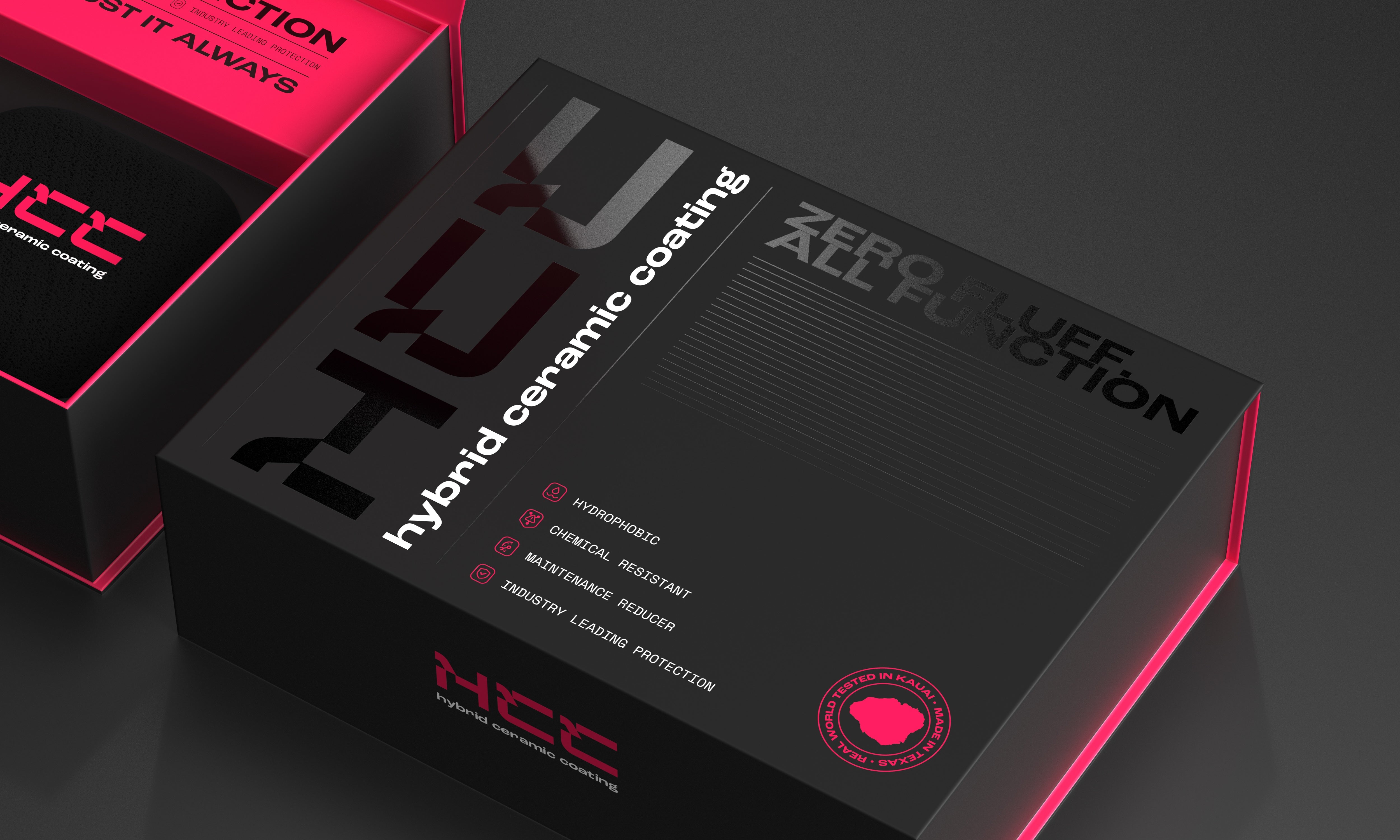
If the broader project also includes protecting compatible painted exterior surfaces, HCC Hybrid Ceramic Coating is Undrdog’s all-surface flagship for cars, boats, planes, and bicycles. Its listed exterior materials include paint, gelcoat, metal, glass, PPF, vinyl, and plastic trim; do not interpret “all-surface” as permission to substitute it for a tire-specific product or apply it to tread or brakes (HCC product information).
Keep the choices tied to the actual surfaces in front of you. That is more useful than choosing one bottle and trying to make every part of the vehicle fit its label.
Frequently asked questions
Is Undrdog Tire Coating a tire cleaner?
No. Its published workflow starts with cleaning and drying the tire, then applying an even coat to the tire’s face. Do not skip the cleaning step or use the finish to hide remaining grime.
Can I apply it to a wet tire?
Follow the product directions, which call for drying the tire before application. Finish the cleaning and rinsing process, then let the intended surface dry before coating.
What tool should I use?
The current directions specify a tire sponge or microfiber towel. Assign a clean tool to this task and keep it separate from paint-care tools and unrelated work.
How long should I let it dry?
The product page says to allow it to dry for a few minutes. Follow the current container directions and ask Undrdog if conditions or readiness are unclear; do not invent a full-cure deadline from that wording.
Does no-sling mean application technique does not matter?
No. Follow the even-coat and drying instructions and inspect for unintended residue. Do not treat the claim as permission to leave excess product or skip checking nearby surfaces.
Can tire coating repair cracks or a bulge?
Do not use a cosmetic finish as a repair or diagnosis. Stop the detailing work and have questionable tire damage assessed by a tire professional.
Can I apply it to tread or brakes?
No. Keep this sidewall-finishing process away from tread, brake friction surfaces, and other grip-critical areas. If those areas become contaminated, do not drive until the problem is properly addressed.
What safety instructions should I read first?
Read the current container label and safety data sheet, including hazards, protective equipment, exposure precautions, storage, and disposal. Ask Undrdog for clarification if anything is missing or unclear before use.
Finish the sidewall after the important checks.
Review Tire Coating’s current directions and safety information, confirm compatibility, and start with a clean, dry tire.
Shop Undrdog Tire Coating

Leave a comment
This site is protected by hCaptcha and the hCaptcha Privacy Policy and Terms of Service apply.