

After body repair, do not assume the car's original ceramic-coating record still describes every panel. Refinish work requires attention to existing coatings, and fresh paint needs its own clearance before another coating is applied. I-CAR's ceramic-coating guidance specifically directs repairers to the paint maker and coating maker rather than giving one universal waiting period.
The useful durability question is no longer simply “How old is my coating?” It becomes “What happened to each repaired area, when is it ready for protection, and what was actually reapplied?” A repair does not automatically restart the whole vehicle's protection history, and the old invoice is not enough to answer those questions.
Tell the repairer about the coating before work starts
I-CAR identifies asking the owner as one way to establish whether a vehicle has a ceramic coating. Its guidance explains that existing coatings affect preparation for refinishing and gathers paint-maker instructions about their removal. Early identification belongs in the repair process, not just the final detailing appointment. See Ceramic Coatings Considerations.
Give the shop what you actually know: product name, installation date, treated surfaces, installer information, and any relevant later work. If you bought the vehicle already coated and do not have those details, say that. An honest “product unknown” is more useful than guessing from a water-beading video or the previous owner's description.
Do not try to simplify the repair by aggressively stripping the coating yourself. I-CAR's cited guidance includes warnings about surface cleaners and different removal procedures. That is a reason to leave the repair preparation to the shop using the applicable instructions, not to turn a technical bulletin into a home sanding recipe. The I-CAR overview is a starting point for the professional discussion.
For your records, distinguish “the shop was informed” from “removal was completed.” The first is an intake fact. The second concerns the actual repair process and should come from the people who performed it. This avoids creating a protection history from assumptions made before work began.
There are two separate readiness questions
The first question is whether the refinished paint is ready to receive the chosen coating. The second is how the newly applied coating must be treated afterward. I-CAR states that coating should not be applied over fresh paint and that curing recommendations vary with the refinishing product, paint-curing method, and chosen coating. It directs readers to both manufacturers' recommendations. That guidance does not support one waiting period for every repair. See I-CAR's curing guidance.
Ask the body shop for instructions tied to the actual repair. Ask the coating installer to confirm that those instructions are compatible with the planned coating process. If the answers conflict or are incomplete, get clarification before the appointment rather than choosing whichever date is more convenient.
| Stage | Question to resolve | What does not answer it |
|---|---|---|
| Refinished paint before coating | When may this exact finish receive this coating under the applicable instructions? | The coating bottle's own post-application cure time |
| Coating application | What preparation and application process is approved for the cleared surface? | The date of the original pre-repair coating installation |
| After the new coating | What exposure, washing, and aftercare restrictions apply now? | A statement that the repaired paint was ready before application |
| Longer-term protection record | Which areas received new product, and which retain their older history? | A generic note saying the vehicle is coated |
Keep the dates and permissions in separate fields. “Vehicle returned by body shop” is one event. “Cleared for coating” is another. “Coating applied” is a third. They may occur on different dates, and collapsing them into one date makes aftercare and future inspection harder to interpret.
Do not replace those records with a visual check. A finish looking glossy is not written confirmation that a particular coating can be applied now. When the technical answer is missing, the next step is a question to the responsible shop or manufacturer, not an improvised test.
The damaged panel may not be the entire work area
Ask about the final refinish scope, including any blend panels and finishing work, rather than limiting the conversation to the panel named in your first estimate. I-CAR's blend-panel preparation guidance discusses sanding and attention to panel edges. That is why a coating follow-up should use the actual work record, not an owner's assumption that only the visibly damaged spot was touched.
This does not mean every neighboring panel needs recoating. It means the shop should identify what was done so the coating installer can make the next decision on a factual basis. Do not infer a repair scope from proximity alone, and do not expand the coating invoice simply because a panel sits next to the repair.
Use plain descriptions: front-left door refinished; adjacent panel included in the documented blend process; hood not part of this repair. These are examples of how to write a record, not a prescription for any particular collision repair. Ask the repairer to provide the actual locations and operations.
For abrasive correction that does not involve new paint, see Polishing a Ceramic-Coated Car: What Happens to Protection? That is a related but different situation. Freshly refinished paint adds a separate readiness question that an ordinary polishing discussion does not settle.

A partial recoat creates a mixed protection history
Suppose a car received a coating previously, then one documented repair area receives a new application after the appropriate clearance. As a recordkeeping matter, you now have two application histories. The newly treated area has a new application date; areas outside that work do not acquire that date by association.
That distinction is about what the record says, not a claim that you can calculate the precise remaining life of each panel. Do not subtract calendar years from a marketing label to produce a guaranteed remainder. Likewise, do not describe the entire vehicle as freshly recoated when only selected areas were treated.
A useful record has four columns: area, repair or finishing work, coating action, and date or unresolved question. Enter “not included in this service” when that is what the documentation says. Enter “unknown” when the history is genuinely uncertain. Those entries are more informative than silently filling every box with the original product name.
Three hypothetical examples show the difference:
- One area refinished and later coated: Keep the paint-readiness confirmation and new application date with that area. Retain the older record for areas not included.
- A broader repair with documented blend work: Use the final repair scope to decide which areas need protection review. Do not rely solely on the first estimate.
- Unknown previous coating: Record the uncertainty and let the repairer and coating installer establish the appropriate process. Do not invent a brand, age, or remaining lifespan.
This approach also makes later conversations fairer. If a customer notices different water behavior on two areas, the first question can be what products and dates are recorded there. It need not begin with an accusation that either shop did something wrong.
Agree on reapplication scope and responsibility
I-CAR's overview cites paint-maker guidance that coating removal can require additional labor and materials in preparing a quality repair. That supports treating preparation as real work, not dismissing it as an unnecessary charge. It does not establish who pays a particular invoice. See the repair-preparation guidance.
Before authorizing separate coating work, ask what is included in the repair agreement and what remains optional or separately quoted. Is the shop handling reapplication? Will your original detailer do it? Is anyone waiting on paint-readiness information? Who will give you the final aftercare instructions?
If an insurer or warranty provider is involved, obtain the applicable decision in writing. This guide does not promise coverage, reimbursement, automatic warranty continuation, or a new warranty term. An existing coating invoice can support the history you present, but do not treat that document alone as approval for new work.
Keep the two shops in the same factual conversation. The body shop can provide the refinishing details and restrictions; the coating installer can explain the intended protection process. Asking them to resolve an instruction conflict is sensible coordination, not a challenge to either person's skill.
Also clarify the finish you are trying to match. The objective may be appropriate protection on the repaired areas, not a cosmetic overhaul of every panel. If broader correction or recoating is proposed, ask for the reason and separate scope so you can make an informed choice.
Leave with instructions you can actually follow
At handover, request the repaired-area list, any clearance or remaining restriction relevant to coating, the new application date if applicable, and the exact aftercare instructions. Make sure you know whom to contact about paint concerns and whom to contact about the coating service.
Do not start a washing, polishing, or spray-maintenance routine based on what you did before the repair. I-CAR's direction to follow the paint and coating makers is especially important when different products and processes now appear in the same vehicle history. Use the product-specific guidance to resolve the restrictions rather than assuming the old routine still applies everywhere.
Walk through an actual near-term question before leaving: “If this area gets dirty before the approved first wash, what should I do and whom should I call?” An answer that identifies the product, restriction, and responsible contact is more useful than a general assurance that everything is cured.
For a broader inspection checklist, read Ceramic Coating Pickup Checklist: Inspect Before You Leave. Use it alongside the repair-specific information, not in place of it.

Frequently asked questions
Does the original ceramic coating automatically remain after body repair?
Do not assume it does on the worked area. I-CAR identifies coating removal as part of proper refinish preparation. Ask the repairer what was done and document any later reapplication instead of relying on the original whole-car invoice.
How long should I wait to coat repainted panels?
There is no universal interval established here. I-CAR directs repairers to the paint maker and coating maker because recommendations depend on the refinishing product, curing method, and chosen coating. Obtain instructions for the actual repair before scheduling application.
Does the coating's cure time tell me when new paint can be coated?
No. Paint readiness before application and coating aftercare afterward are separate questions. Record the clearance for the refinished surface separately from the new coating's application date and restrictions.
Should every panel be recoated after one panel is repaired?
Not automatically. Start with the documented repair and finishing scope, including any blend areas, then agree on the protection follow-up. Neither full-vehicle recoating nor untouched protection should be assumed without reviewing the work.
Does recoating a repaired panel restart protection for the whole car?
No whole-car reset should be recorded from a partial application. Keep a new application date for the treated areas and retain the older history elsewhere. This recordkeeping distinction does not assign a guaranteed remaining lifespan.
Will insurance or the coating warranty pay for reapplication?
This guide does not establish coverage. Ask the relevant provider and service businesses what applies to the specific repair, obtain the decision in writing, and agree on payment and scope before authorizing additional work.
What if I do not know which coating was previously installed?
Tell the repairer that the product is unknown and provide any records you have. Do not guess from appearance or water behavior. Let the professionals establish a suitable preparation and follow-up process from the applicable guidance.
What records should I keep after the repair and coating work?
Keep the final repair-area list, paint-readiness instructions, newly treated areas, coating product and application date, aftercare restrictions, provider decisions where relevant, and contact details for follow-up questions.
How Undrdog does it
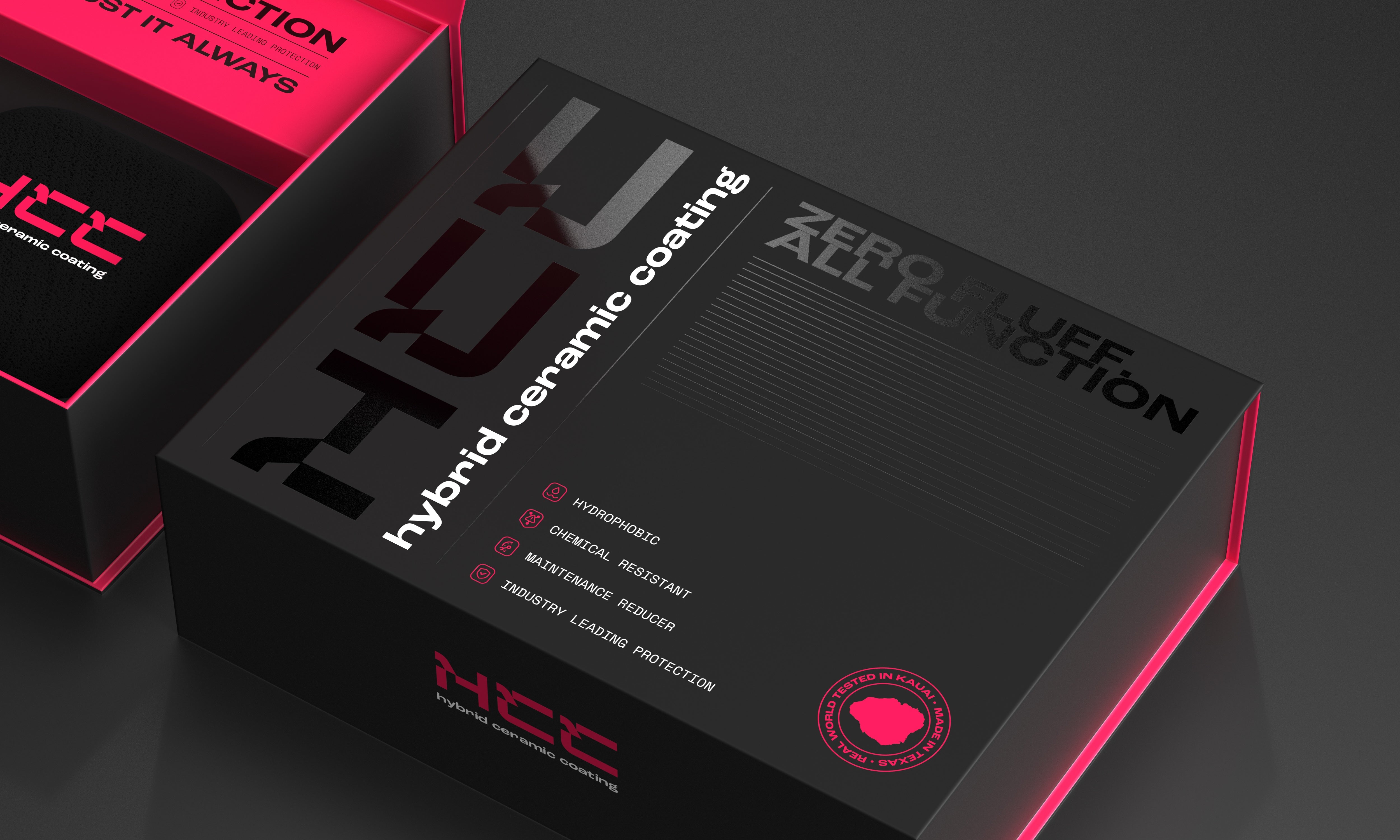
HCC Hybrid Ceramic Coating is Undrdog's flagship all-surface coating for appropriate applications on cars, boats, planes, and bicycles. Its multi-year protection depends on preparation, exposure, use, and maintenance. That positioning is not permission to apply it to fresh paint without the required refinish-specific clearance.
Use HCC's current product instructions for its own application and cure requirements, and obtain the separate paint-readiness answer from the repair process. Do not borrow one product's timing to resolve another product's condition.
Undrdog makes coatings available to professional detailers and DIY owners without a certification purchase prerequisite. Open access does not make collision repair or refinishing a beginner coating project. Respect the body shop's work, use a qualified detailer when the preparation and application warrant it, and keep the record honest about which areas were treated.
Confirm the repair. Then plan the protection.
Once the exact surface is cleared for coating, review HCC's suitability and current instructions. A clear panel history and coordinated aftercare are more useful than assuming the original coating promise covers every later repair.
Shop HCC Hybrid Ceramic Coating

Leave a comment
This site is protected by hCaptcha and the hCaptcha Privacy Policy and Terms of Service apply.