

Before you leave a ceramic coating appointment, confirm what was applied, inspect the vehicle in suitable light, and collect written aftercare instructions. The goal is not to conduct a laboratory inspection in a parking space. It is to make sure you and the detailer share the same understanding of the work, the vehicle’s immediate restrictions, and the next maintenance step.
A professional handover should also leave room for reasonable follow-up. Some observations are easiest to assess after the vehicle has moved into different lighting or after an initial care visit. A calm, specific question is more useful than an immediate accusation, and a detailer deserves the opportunity to review a concern properly.
What to confirm before you inspect the vehicle
Start with the paperwork or message thread, not the paint. Ask the detailer to identify the product or system used, the surfaces covered, and the care instructions that apply to this particular job. Product documentation can have its own installation and aftercare requirements, so generic coating advice should not replace the instructions for the exact product applied. This manufacturer's installation documentation illustrates why product-specific instructions matter.
Ask for the following in writing, even if the handover conversation is clear:
- The product name or product system applied.
- The exterior surfaces included in the appointment.
- Any surfaces that were excluded or treated with a different product.
- Immediate exposure instructions, including restrictions on rain, washing, or contamination.
- The recommended first maintenance contact or follow-up point.
- The correct washing and maintenance guidance for the applied product.
- The best method for reporting an observation after pickup.
This record is useful for both sides. You know what care advice to follow, while the detailer has a clear reference if you later ask about a mark, water behavior, or an area that needs review.
Inspect the handover in a deliberate order
Do not try to inspect every panel at once. Walk around the vehicle in a consistent direction and divide the review into broad areas. A useful sequence is exterior paint, glass and trim, wheels and lower sections, then the interior areas that were part of the appointment.
Use the available light intelligently. Look at the vehicle in the inspection area, then view it from another angle if possible. Bright direct light can reveal some issues while hiding others. A shaded angle may make an uneven mark easier to notice. This is a practical pickup method, not a claim that one lighting condition proves the quality of an application.
Keep the inspection observational. You are looking for visible residue, missed areas, unexpected marks, or a result that does not match the agreed scope. You are not expected to identify the chemistry, measure a coating, or determine the reason for an observation at the curb.

Exterior pickup checklist
Use this checklist panel by panel. If something catches your attention, note its location before moving on.
| Area | What to look for | What to record or ask |
|---|---|---|
| Painted panels | Visible residue, streaks, smears, missed sections, or marks that were not present when the vehicle arrived. | Identify the panel and describe what you see without guessing the cause. |
| Edges and transitions | Whether the agreed painted areas appear consistently addressed around panel edges, shut lines, and transitions. | Ask whether a specific edge was included in the scope or intentionally excluded. |
| Glass and trim | Unexpected product residue or a surface that appears different from the agreed treatment. | Confirm which glass, plastic, rubber, or trim surfaces were included. |
| Wheels and lower areas | Visible residue, missed sections, or an apparent mismatch with the agreed work. | Confirm whether wheels and lower sections were part of this appointment. |
| Badges, handles, and details | Residue around small features or areas that need a closer look. | Ask how these areas were handled and whether any limitation applies. |
Do not rub, scrape, polish, or apply a cleaner to a questionable area during pickup unless the detailer tells you to do so. A well-intended attempt to correct a mark can change the evidence or create a new issue. Point to the location, photograph it if the detailer is comfortable with that, and agree on the next step.
Questions that clarify the scope without challenging the work
A good handover question is specific and neutral. Instead of asking, “Is this coated?” ask, “Was this section included in the agreed scope?” Instead of saying, “Why does this panel look wrong?” say, “I see a mark here under this light. Could we review it together?”
Useful questions include:
- Which product was used on the main painted surfaces?
- Were any panels corrected, cleaned, or treated differently from the rest?
- Which areas were not included in the appointment?
- What exposure should I avoid immediately after pickup?
- When may I perform the first wash, and which method should I use?
- What should I do if the vehicle encounters rain, dust, or another contaminant before the first maintenance visit?
- Should I send photographs or return the vehicle if I notice something after seeing it in daylight?
These questions protect the relationship because they separate observation from conclusion. They also make it easier for the professional to distinguish a scope question, an aftercare question, and a possible workmanship concern.
Exposure instructions are product-specific
Do not assume every coating has the same rain, washing, or exposure timeline. Ask for the exact instructions for the product used on your vehicle and follow those instructions rather than combining advice from unrelated products or internet discussions.
Write down the difference between immediate exposure guidance and long-term care. “Can the vehicle encounter rain?” is not the same question as “Is the coating fully cured?” Likewise, a surface being ready for one type of exposure does not automatically establish full chemical resistance or permission to wash the vehicle.
If a product has a specific rain-ready statement, preserve its limits. For example, Undrdog states that Glossenhancen is rain-ready within one hour once applied. That statement should not be converted into a claim that an underlying coating is fully cured or has full chemical resistance at the same point. Follow the underlying coating’s separate care restrictions.
At pickup, ask the detailer to write the instructions in plain language. A useful handover note might identify what to avoid, what is permitted, and whom to contact if conditions change. If the instructions are uncertain, pause before improvising. The correct response is to obtain the product-specific guidance, not to select a convenient timeline from another coating.

Build a simple handover record
A short record can prevent confusion later. You do not need a complicated form. Record the date, vehicle, agreed scope, applied product if disclosed, and the instructions you received.
Use this blank worksheet:
- Vehicle and identifier: ______________________________
- Pickup date: ______________________________
- Detailer: ______________________________
- Exterior areas included: ______________________________
- Areas excluded or treated separately: ______________________________
- Product or system identified: ______________________________
- Immediate exposure instructions: ______________________________
- First wash or maintenance instructions: ______________________________
- Follow-up contact method: ______________________________
- Observations at pickup: ______________________________
Attach a few location-specific photographs if appropriate. Photographing every inch of the vehicle can create noise rather than clarity. Prioritize an area you discussed with the detailer, an unusual mark, or a panel whose condition may be difficult to remember later.
What to do when you notice a concern
Use a three-step response: stop, describe, and agree.
- Stop: Do not polish, wipe aggressively, apply chemicals, or attempt a home repair.
- Describe: State where the observation is, what it looks like, and under which light or angle you noticed it.
- Agree: Ask whether the detailer wants to inspect it immediately, receive photographs, or schedule a follow-up review.
This approach is appropriate for an observation that appears minor as well as one that concerns you. The detailer may be able to explain a scope limitation, identify residue, or recommend a controlled next step. If the matter needs more review, leave with a written record of what was observed and what each person agreed to do next.
Respectful follow-up is not the same as accepting an unresolved problem. It means making the concern precise enough to be assessed. A professional should be able to explain the scope and care instructions without turning a reasonable question into a conflict, and a customer should avoid presenting an unverified cause as a proven failure.
When you should leave, and when you should pause
You can normally complete the handover when the scope is clear, the visible inspection has been discussed, the immediate exposure instructions are written down, and you know how to contact the detailer. You do not need to demand certainty about every future appearance or water behavior at the moment of pickup.
Pause before leaving if:
- You cannot establish which areas were included.
- You have not received usable instructions for immediate exposure or washing.
- You see a specific visible concern that has not been acknowledged or documented.
- The product or system is described in a way that does not match the agreed service and the difference matters to your care plan.
- You are being asked to follow a restriction that is not explained and cannot be recorded.
Pausing does not mean demanding an instant diagnosis. It means agreeing on the next action before the vehicle leaves your control. That may be a joint inspection, a written follow-up, or a scheduled return visit.
First-day and first-week habits
After pickup, follow the instructions you received for the exact product and service. Avoid experimenting with cleaners, toppers, polishing products, or household materials simply because the vehicle looks different under a new light. If you are unsure whether a product is permitted, ask before using it.
Keep your handover record available. If you notice something later, report the location and timing clearly. Explain whether you saw it at pickup, after a change in lighting, after exposure to weather, or during a later inspection. That sequence gives the detailer useful context without claiming more than you know.
Do not treat one observation as proof of a broad product conclusion. A mark on one panel may require panel-specific review. Likewise, a single visual impression does not establish the performance or failure of every coated surface. Keep the conversation tied to the vehicle, the agreed scope, and the instructions for the product actually used.
A practical hypothetical handover
Imagine a customer collects a vehicle after an exterior coating appointment. The customer confirms that the painted body panels were included, while the wheels were outside the scope. During the walk-around, the customer notices a faint streak on a rear door under angled light.
The useful response is not to declare that the coating failed. The customer points out the rear-door location, asks the detailer to view it under the same light, and records whether the mark is addressed at pickup or scheduled for review. The customer then writes down the immediate exposure instructions and the preferred follow-up method.
If the mark is no longer visible from another angle, the customer can still record that it was discussed. If it remains visible, both parties have a shared description and location. Either way, the handover ends with a clear next step instead of an uncertain assumption.
How Undrdog does it
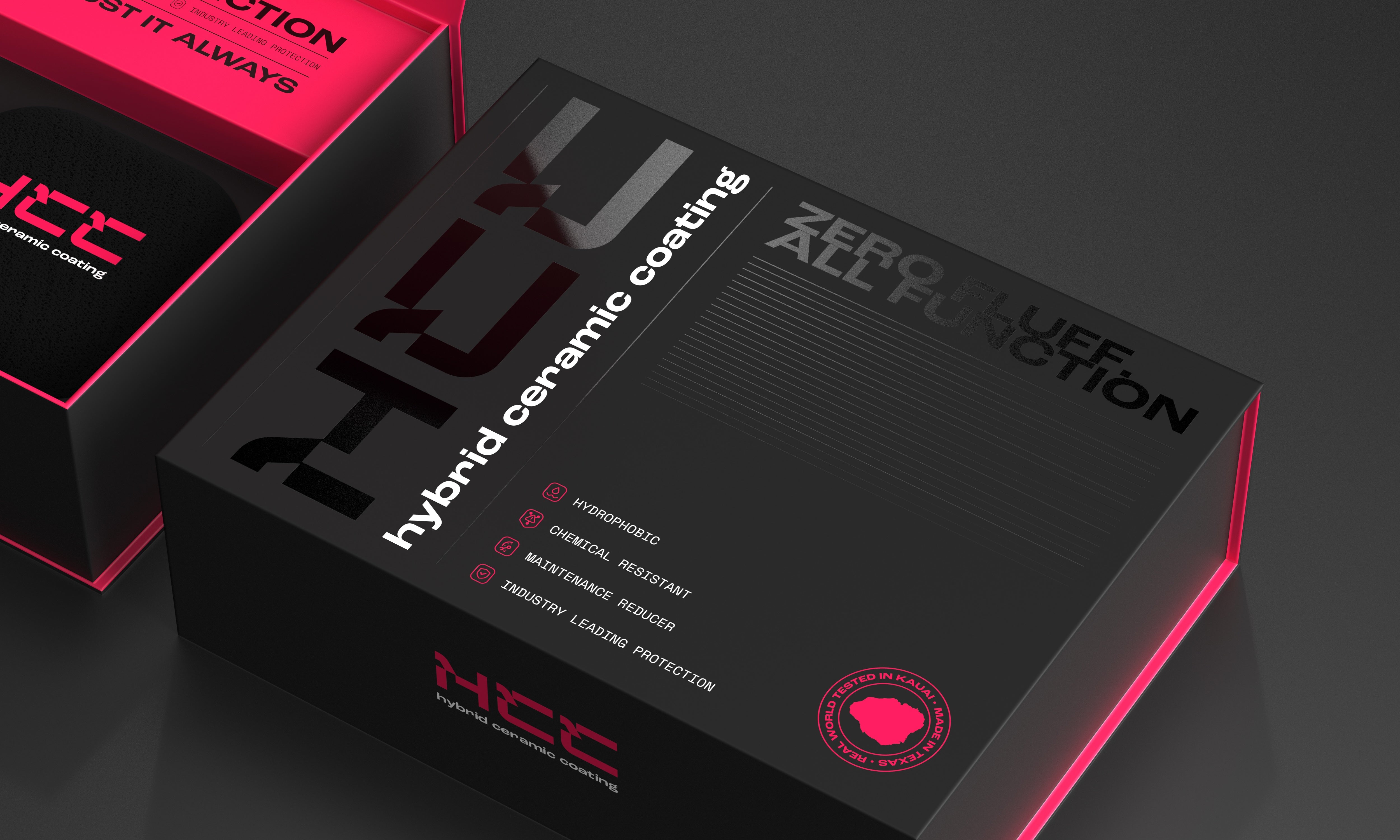
If a coating is relevant to the vehicle and surfaces being treated, HCC Hybrid Ceramic Coating is Undrdog’s flagship all-surface coating for cars, boats, planes, and bicycles. Its multi-year protection depends on preparation, exposure, use, and maintenance, rather than a guaranteed fixed lifespan. Confirm suitability and the current application and aftercare instructions for the exact surface.
Undrdog Pro is available to detailers and DIYers and has its own application and aftercare instructions. The useful handover principle is the same: identify the product, confirm the treated surfaces, and follow the applicable instructions rather than transferring assumptions from another system.
For a vehicle using Glossenhancen, the one-hour rain-ready statement should remain narrowly understood. It does not replace the underlying coating’s restrictions or establish full cure. Ask the person who applied the system how the products interact in the specific service and keep that answer with your handover record.
Further reading
- How Long Does It Actually Take for Ceramic Coating to Cure?
- DIY vs Professional Ceramic Coating: What Actually Differs, Chemistry to Cure
A careful pickup does not require suspicion or technical theater. Confirm the scope, inspect methodically, record the instructions, and raise observations with enough detail for a professional to assess them. That gives the coating its best start and gives both customer and detailer a fair, practical handover.
If you are reviewing a suitable exterior coating for your vehicle, learn more about HCC Hybrid Ceramic Coating and confirm the current product instructions before application.
Frequently Asked Questions
What should I ask for when picking up a ceramic-coated vehicle?
Ask for the product or system name, the surfaces included, any exclusions, immediate exposure restrictions, first-wash guidance, and the preferred follow-up method. Request the instructions in writing. Product-specific aftercare matters because coating documentation can contain requirements that should not be transferred to another product. This manufacturer's installation documentation demonstrates the product-specific approach.
How should I inspect a ceramic coating before leaving?
Walk around the vehicle in a consistent order and inspect the agreed areas from more than one available angle. Look for visible residue, streaks, missed sections, or unexpected marks. Describe a concern by panel and lighting condition rather than guessing its cause. Do not polish, scrape, or apply chemicals to the area before discussing it with the detailer.
Should I inspect the coating in direct sunlight?
Use the available light, but do not treat one lighting condition as definitive. Direct light can reveal some observations while another angle may make a different mark easier to see. A practical handover includes a methodical walk-around and, when possible, a second viewing angle. This is an inspection aid, not a test that proves coating quality.
What if I notice a mark after I leave the detailer?
Contact the detailer promptly and describe the exact panel, what you see, and when you first noticed it. Include a photograph if requested. Do not polish or chemically clean the area before receiving guidance. A specific observation gives the professional a fair opportunity to review the issue and distinguish a scope question from a possible application concern.
Does rain-ready mean a coating is fully cured?
No. A rain-ready statement concerns a particular exposure condition and should not automatically be treated as full cure or full chemical resistance. Undrdog states that Glossenhancen is rain-ready within one hour once applied, but the underlying coating’s separate care restrictions still apply.
Can I wash my vehicle immediately after ceramic coating pickup?
Do not assume an immediate wash is permitted. Ask the detailer for the instructions for the exact product and service, and follow those instructions instead of borrowing a timeline from another coating. Rain exposure, washing restrictions, and full cure are separate questions. If the instructions are unclear, obtain clarification before washing or applying another product.
What should a professional coating handover document include?
It should identify the vehicle, service date, treated and excluded areas, product or system if disclosed, immediate exposure instructions, first-maintenance guidance, and a contact method for follow-up. It should also note any observation discussed at pickup. The purpose is a shared record of scope and care, not a substitute for product-specific instructions.
Is HCC suitable for every surface inside a vehicle?
No product should be treated as universal without confirming suitability for the exact surface. HCC is Undrdog’s all-surface coating for cars, boats, planes, and bicycles, but it is not recommended for upholstery or touchscreens. Confirm the current instructions and the surface scope before application.
Choose the product that fits the job
Review the surface requirements and current directions before you start. Choose the right product for your project, not a bigger promise.
Explore HCC - Hybrid Ceramic Coating

Leave a comment
This site is protected by hCaptcha and the hCaptcha Privacy Policy and Terms of Service apply.