

This stuff is great … wipes off with zero residue … just what is needed for a ceramic coating prep

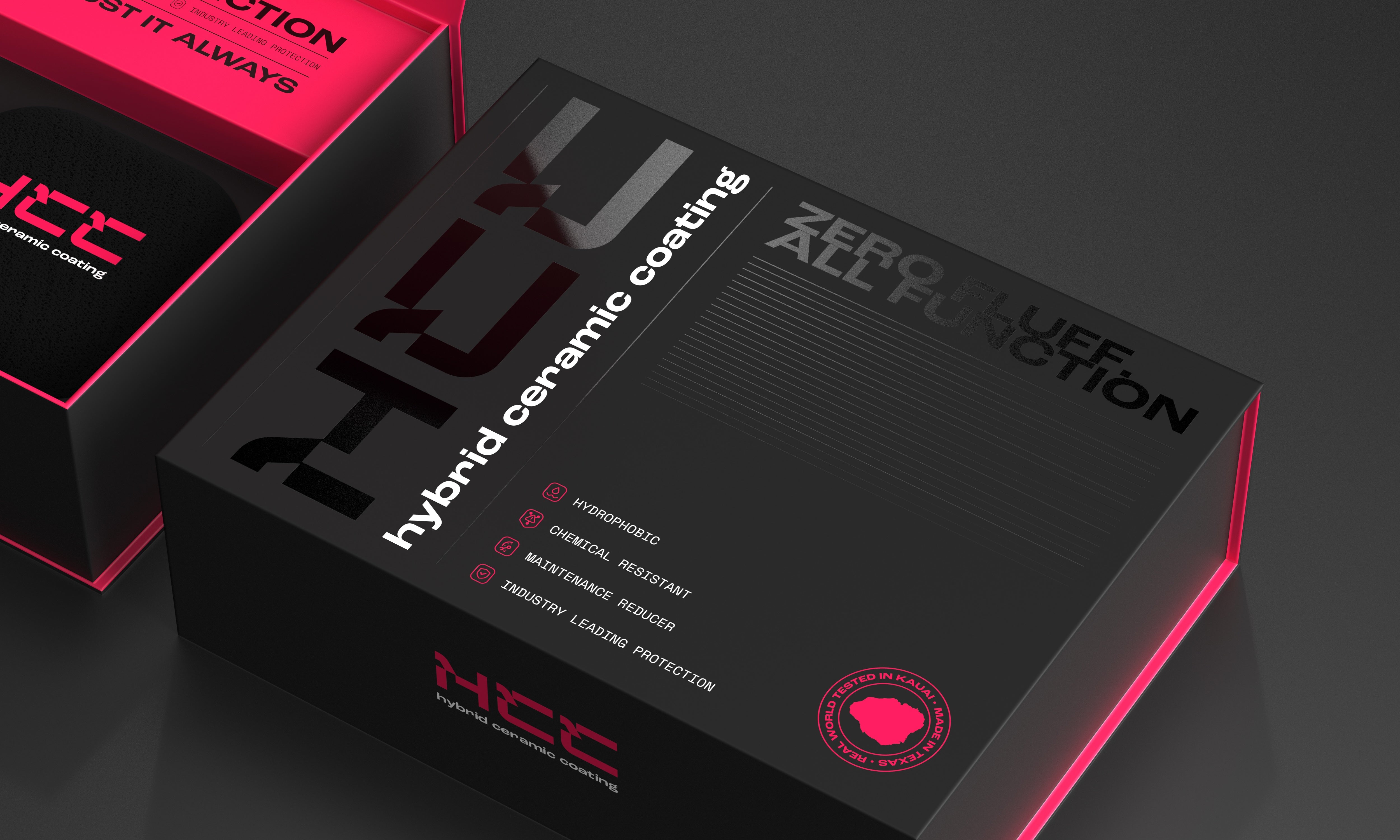


- Lasts several years with proper maintenance
- 50 ml covers 1 full vehicle — 100 ml covers 2
- Less than $0.10/day over the life of the coating
- Backed by the Undrdog Guarantee
HCC Hybrid Ceramic Coating — one bottle, every surface
The short version: HCC is Undrdog's flagship hybrid ceramic coating, engineered as a single all-surface protective film for cars, boats, motorcycles, aircraft, and bicycles. It cures into a dense, crosslinked SiO2-based network that resists chemicals, holds a high water contact angle, and protects the surface underneath from UV, salt, and bonded contamination — with a wide application window that forgives real-world garage conditions.
Who it's for: Owners and detailers who want one professional-grade coating that works across paint, gel coat, metal, glass, PPF, vinyl, and plastic trim — without keeping five different bottles on the shelf.
Verified specs
- Cure timeline: Dust- and tack-free in ~4 hours. Full chemical resistance in 5–7 days.
- Film thickness: ~1–1.5 microns per layer.
- Hydrophobic contact angle: Ceramic coatings in this class typically measure between 90° and 150°, which is why fresh HCC beads water tightly and sheds it fast (Polymers, 2025).
- pH resistance: Stable across a wide acidic-to-alkaline range, so it holds up against salt, tree sap, insect fallout, and industrial rinse chemistry that eats through wax and sealants.
- Thermal tolerance: Ceramic (SiO2) films of this class remain stable well above the surface temperatures a hood or exhaust shroud actually sees in service.
- Compatible surfaces: Paint, gel coat, metal, glass, PPF, vinyl, plastic trim.
- VOC compliance: Yes (U.S. and Canada).
Why HCC is engineered differently
Most ceramic coatings on the market are single-chemistry silane or polysiloxane formulas. HCC is a hybrid resin matrix — the SiO2 backbone is crosslinked with functional co-monomers so the cured film is both hard and flexible enough to move with the surface as it thermally expands and contracts. That combination is what keeps HCC bonded and glossy long after brittle glass-only coatings start to check and haze.
Practical benefits you can measure on your own vehicle:
- High surface tension: water sheets off in tight beads instead of leaving films of dirt-carrying moisture.
- Chemical resistance: holds up to acidic bird-drop etching, alkaline pre-soaps, salt, and hard-water minerals better than sealants and consumer waxes.
- Application forgiveness: humidity-dependent flash window, no pad lock-up, no rainbowing when wipe-off is done in the right window for your environment.
- Adhesion: anchors into clear coat or gel coat instead of sitting on top like a sealant layer.
How to think about HCC vs Undrdog Pro, Marine, and their Plus versions
Undrdog's coating line is organized by surface type and application preference, not by "good/better/best":
- HCC — the all-surface flagship. Cars, boats, motorcycles, aircraft, bicycles. If you want one bottle, this is it.
- Undrdog Pro — the PTFE-based automotive coating with a wide flash window and 45–60 minute total install time on a full car. Preferred by shops that value install speed and beginner-friendly application.
- Undrdog Pro Plus — elite auto variant with tighter chemical-resistance targets and a shorter flash time, tuned for pro installers.
- Undrdog Marine / Marine Plus — same chemistry family adapted for gel coat, aluminum, and saltwater exposure.
For a deeper comparison, read our complete HCC guide and our HCC vs Undrdog Pro comparison.
Application at a glance
- Prep matters more than the coating. A poor decon step is the single largest cause of coating failure. See our step-by-step paint prep guide.
- Flash time: humidity-dependent. Higher humidity = faster flash. Do not rush the wipe-off — wipe when the residue has fully rainbowed and just started to feel tacky.
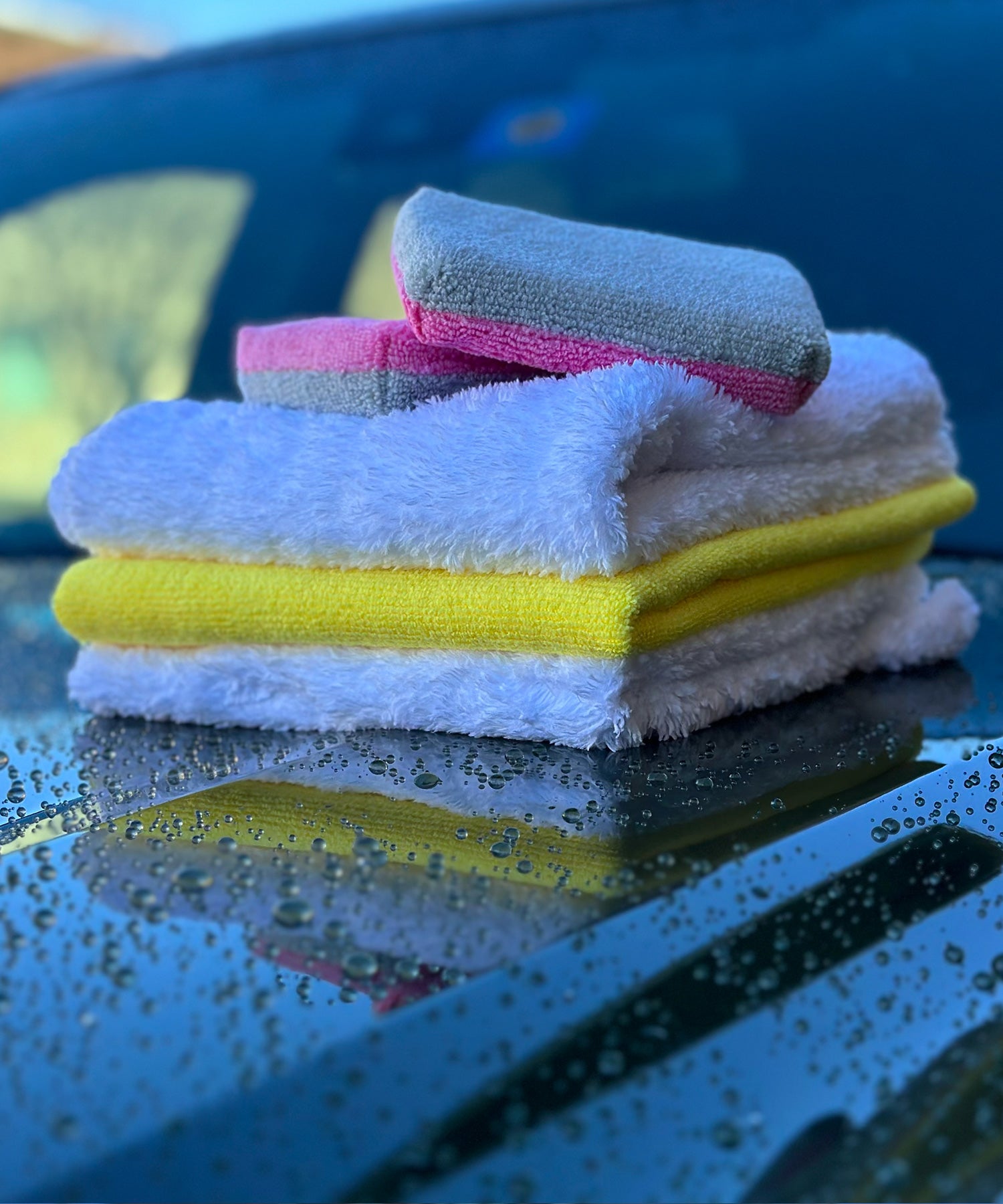
- Wipe-off: use clean, plush microfiber. Turn or replace the towel every panel.
- Cure environment: keep the vehicle dry and out of rain/dew for the first 24 hours.
Frequently asked questions
How long does HCC last on a daily-driven car?
Service life depends heavily on prep, environment, and maintenance wash chemistry — no coating on the market can be honestly quoted as a fixed "X-year" number without those conditions. HCC is engineered as a long-service-life coating; expect several years of protection with proper prep and pH-neutral maintenance washes.
Can I apply HCC over an existing coating?
No. Any existing coating, sealant, or wax has to be fully removed with a polish or chemical decon before HCC will bond. Trying to layer over a partially-failed coating traps the failure underneath.
How much HCC do I need for one car?
Coverage depends on panel count and application technique. For a standard sedan or SUV, plan on 30–60 mL for a single-layer full-body install.
Does HCC work on matte paint or matte PPF?
Ceramic coatings can shift the visual appearance of matte finishes slightly by filling micro-texture. For matte-specific applications, use Undrdog Matte QD as a boost/topper.
Do I need to strip the previous ceramic before re-coating?
Yes. Machine-polish or chemical-strip any remaining coating before re-application. If the surface still beads water, HCC will not bond properly.
Will HCC prevent scratches or rock chips?
No coating prevents mechanical damage from rock strikes or automatic-brush swirls. HCC adds a hard, slick sacrificial layer that reduces marring under normal contact-wash conditions; for physical impact protection use paint protection film (PPF).
Is HCC safe on wheels, exhaust tips, and brake calipers?
Yes. HCC's thermal stability makes it appropriate for wheels, wheel barrels, exhaust tips, and painted calipers. Clean and prep each surface to the same standard as paint.
Do I need Undrdog Pro if I already have HCC?
Choose one coating for the vehicle. HCC is the all-surface flagship; Pro is optimized for install speed and forgiving flash windows on automotive paint. Read HCC vs Undrdog Pro for the decision framework.
Referenced sources
- Polymers (2025) — hydrophobic contact angles, service life, thermal ranges for silica-based coatings
- Coatings (2025) — corrosion protection performance of SiO2-based composite coatings
- ASTM D3363 — pencil hardness test method
- FTC Magnuson-Moss Warranty Act — warranty-claim standards
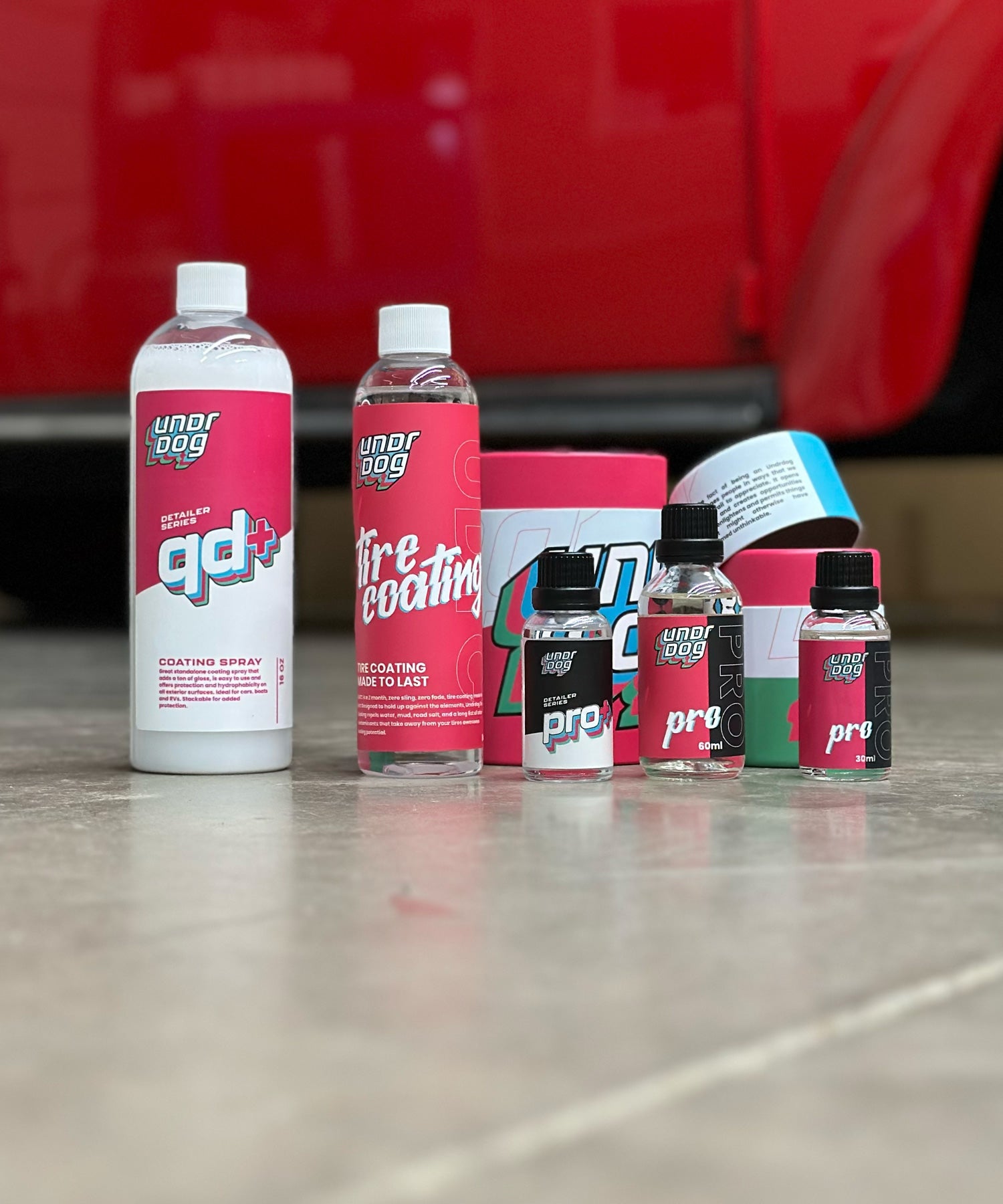
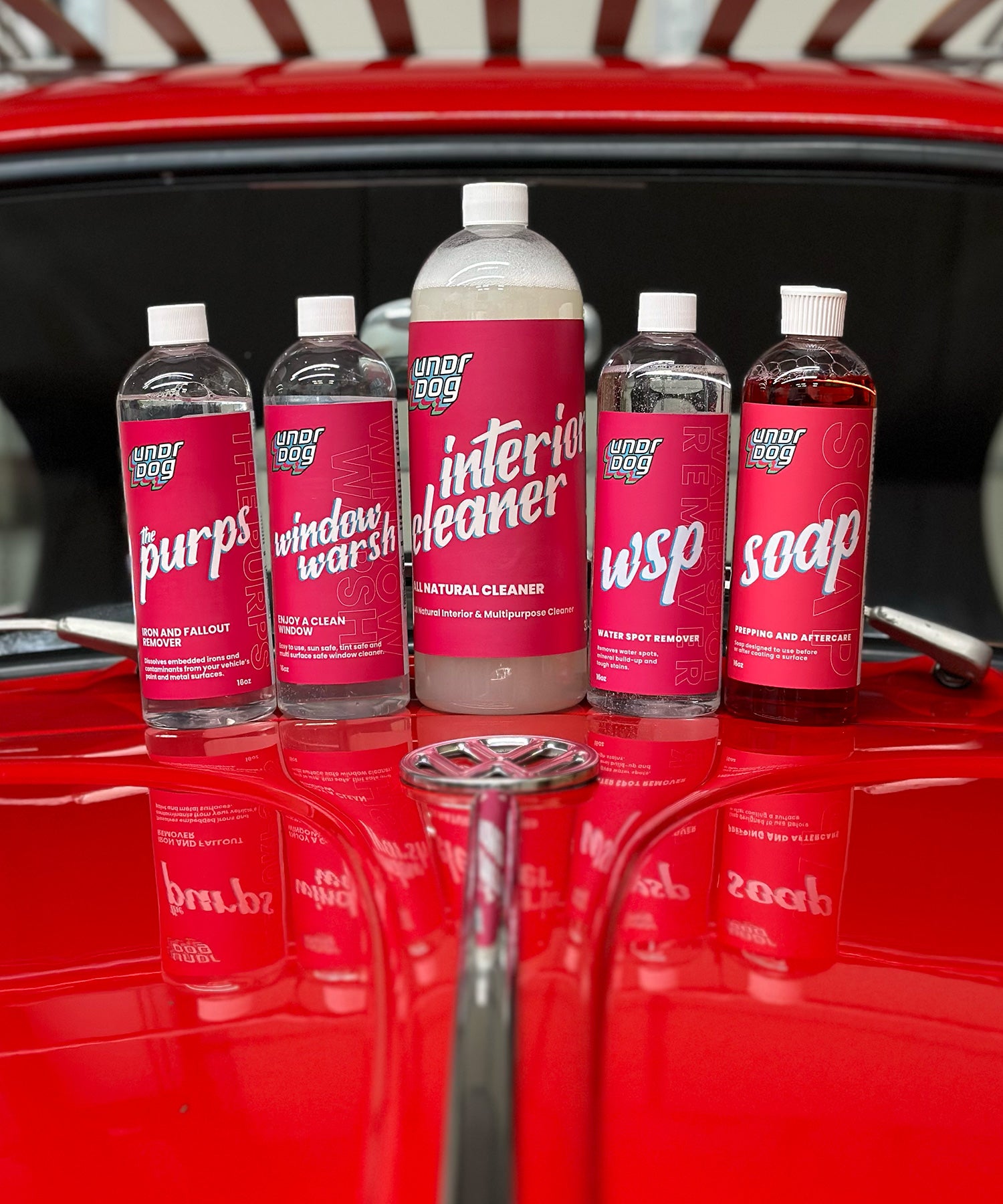
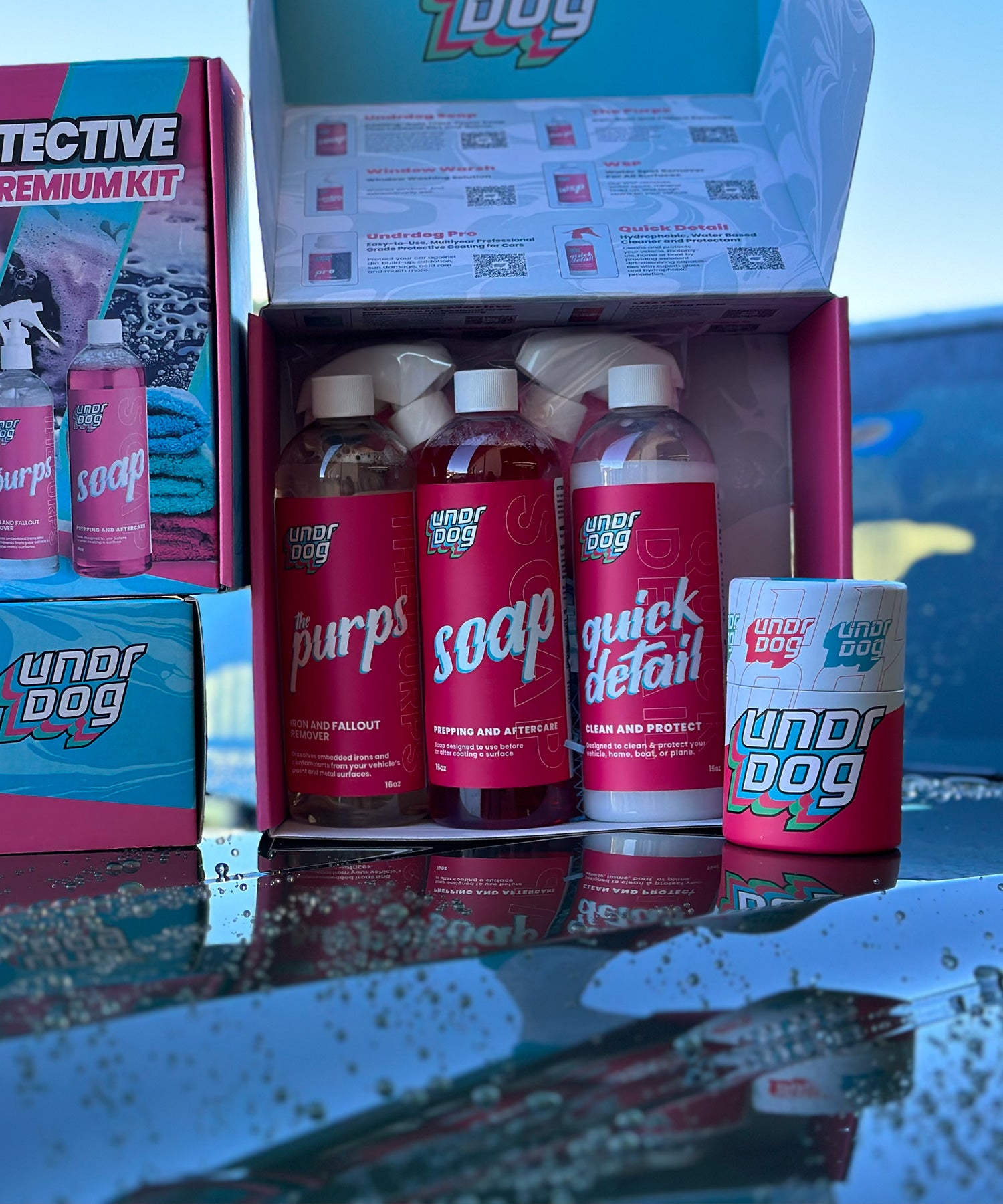
Packaging may not exactly match featured images.
Pickup available at Frisco HQ
Usually ready in 1 hour
HCC - Hybrid Ceramic Coating
50 ml — 1 Vehicle
Frisco HQ
122 Rose Lane
Suite 405
Frisco TX 75036
United States
Hawaii
4-831 Kuhio Hwy
Ste 438-176
Kapaa HI 96746-1574
United States
Rated 4.9/5 Stars
What Detailers Are Saying
So Fresh So Clean Auto Spa
Top of the line coating
Joel and the squad didn't just move the needle; they broke the machine. It's not just a coating — it's a statement.
Chad Ramsey
My favorite coating
Best, glossiest and easy coating to apply! Applied it to my truck and the results were incredible. This stuff just works.
Elite Auto Detailing
Awesome stuff!
Like everything else we order from Undrdog — top quality, fast shipping, and products that actually deliver. Won't buy from anyone else.
Shop by Category
Everything You Need for Car & Boat Care
Coatings, cleaners, kits, and accessories — all backed by our Double Your Money Back Guarantee.
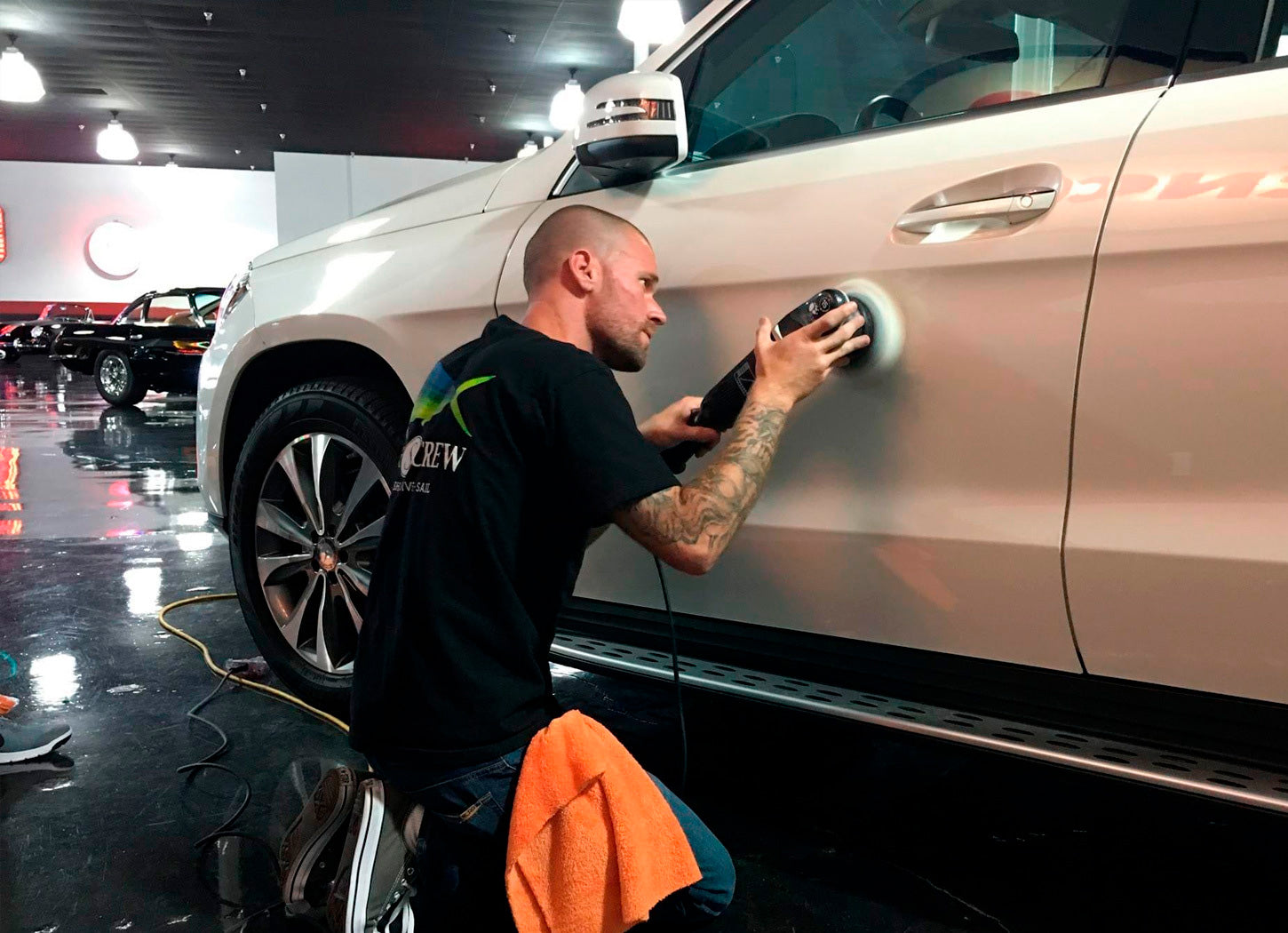
Who We Are
Undrdog makes high-performance ceramic coatings, cleaners, and detailing products for cars and boats. Founded in Texas, we cut the jargon and deliver products that actually work — at fair prices, with real support from real people. Every product is backed by our Double Your Money Back Guarantee.
Our Story

We stand FIRM behind our products
Double Your Money Back Guarantee
Not happy? Get double your money back. No hoops. No hassle. Just send us a message and we'll make it right — guaranteed.
Learn MoreWe Call B.S. on the Industry
Sick and tired of the B.S.
No fluff. No gimmicks. Just coating that actually works.
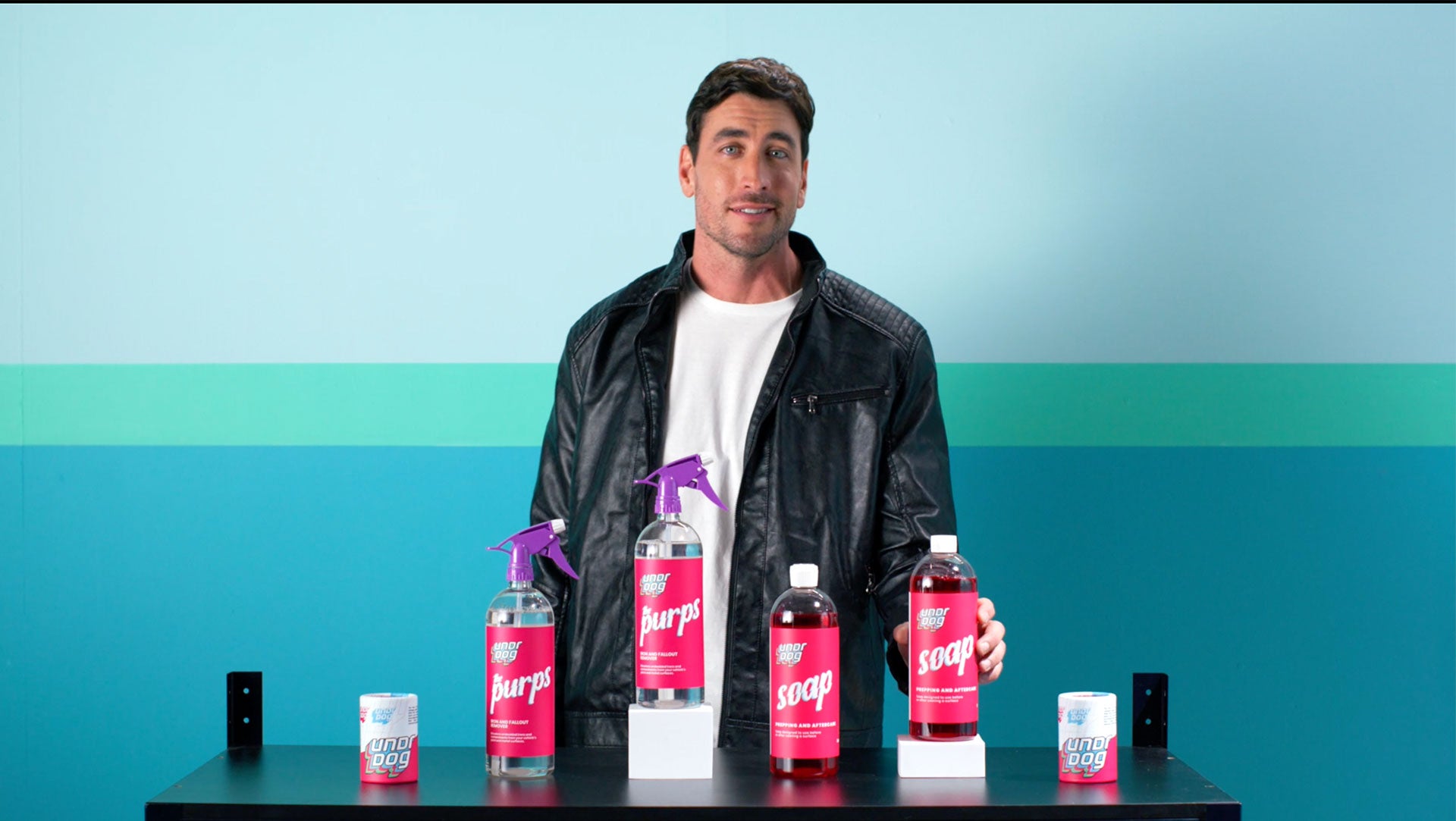
Watch the Video
Showdown
Undrdog VS The Rest
See how Undrdog stacks up against the competition across the areas that matter most.
Area
Undrdog
Others
Innovation
Cutting-edge, constantly evolving!
Corporate process & copycats.
Ease of Use
User-friendly, suitable for all skill levels.
Can be complex and need training.
Pricing
Transparent, affordable, value-driven.
Often expensive, hidden costs.
Customer Support
Personalized, efficient, and accessible.
Basic, sometimes outsourced.
Shipping
Fast, reliable, and cost-effective.
Standard rates and speeds.
PRO Support
Expert support for all, regardless of size.
Limited to high-tier clients.
Community
Active, engaging, with direct founder involvement.
Minimal interaction.
Brand
FUN!
Corporate, impersonal.
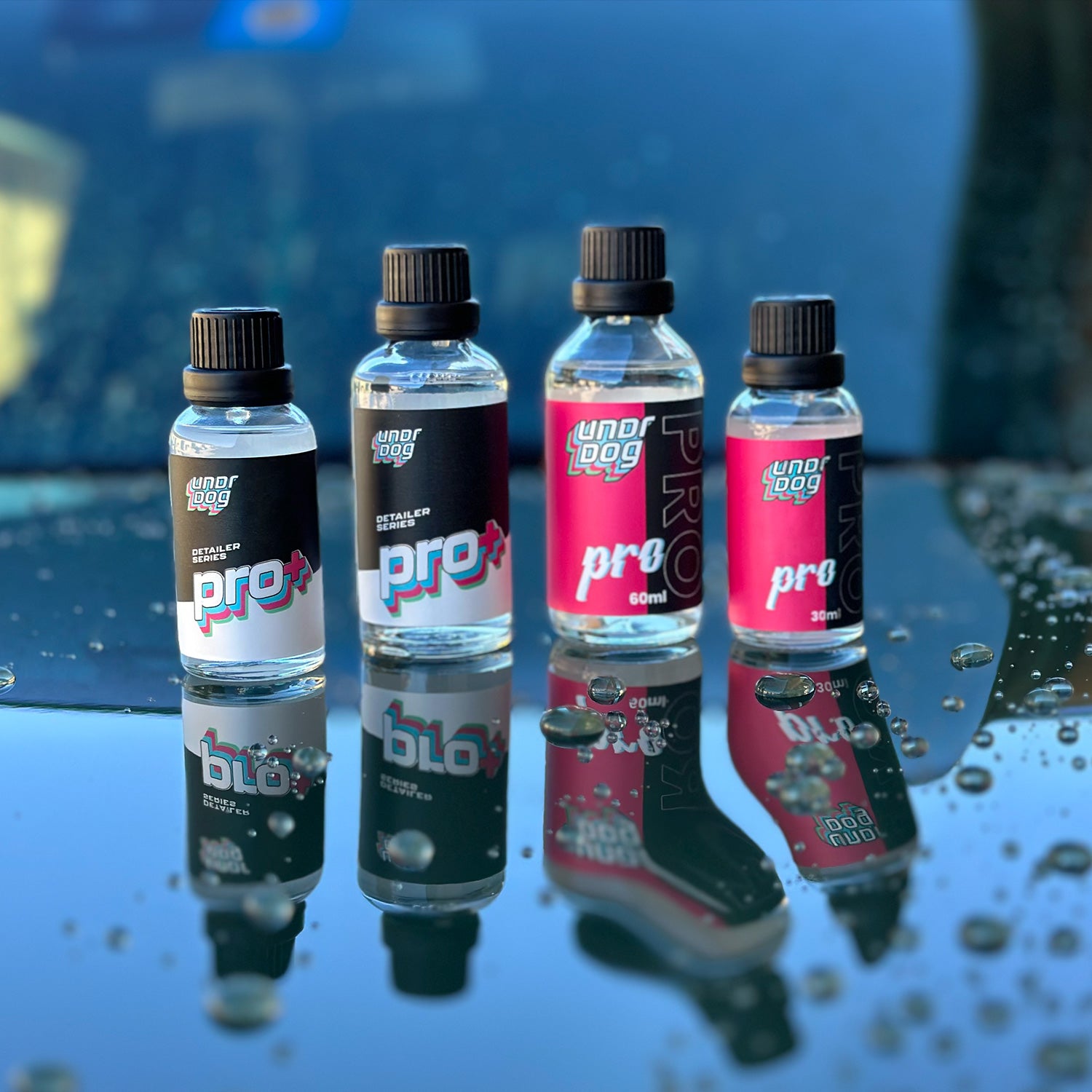
Being an Undrdog Pays Off
Undrdog Rewards
Join our Rewards Program and earn redeemable points for your orders, reviews and referrals.
Join NowGot Questions?
FAQ
Browse the most frequently asked questions people ask us.
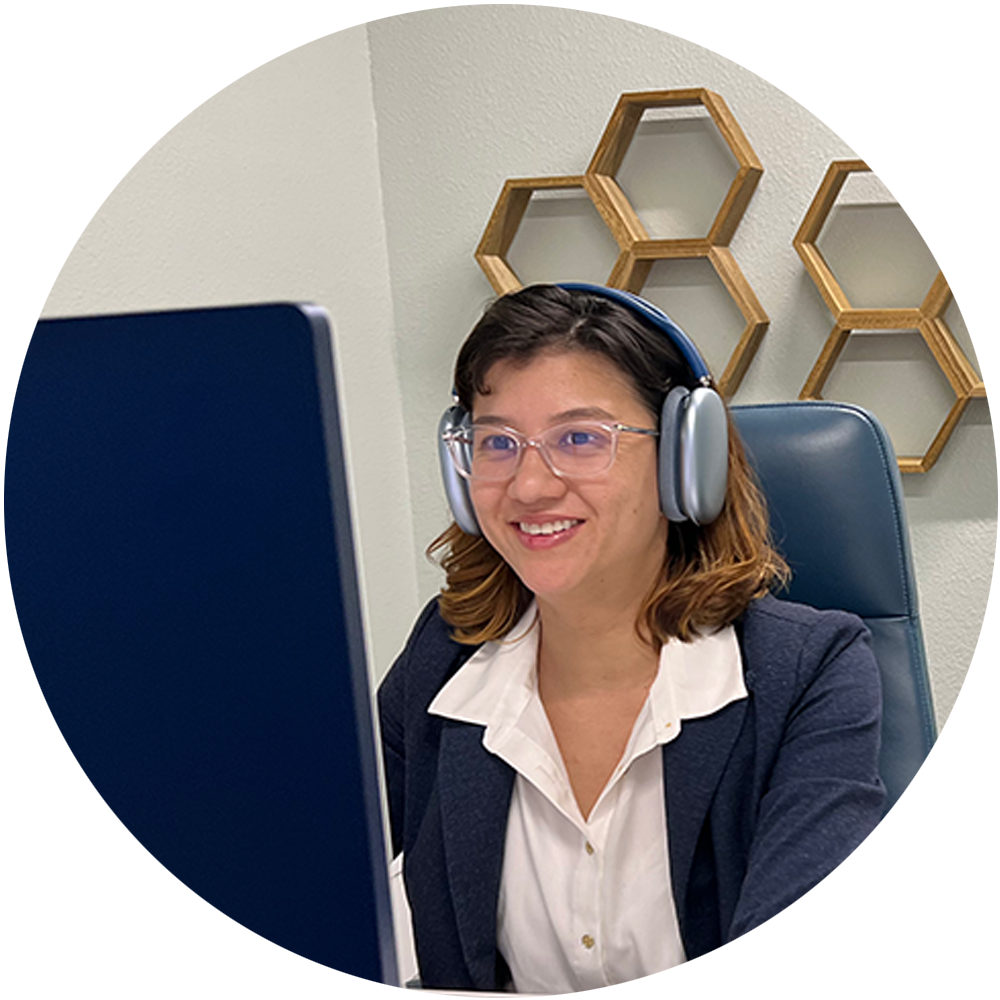
Our customer support is available every day: 8am-4pm.Average answer time: Less than 1hr.
Do you ship internationally?
Yes! To see the list of countries we ship to, all you have to do is go to checkout where you will see the estimated shipping rate.
Please note that you’ll have to pay import taxes & duties and that we have no control over them.
Can I pick up my order in person?
Yes! You can select local pick-up in the checkout and we'll send you an email once your order is ready. The Undrdog HQ is located at 122 Rose Lane, Suite 201, Frisco TX 75036.
How long will it take for my order to arrive?
It usually takes us 1-2 business days to fulfil your order.
Depending on your location and shipping option, it may take 7 days for your order to arrive. You can see the ETA on the Checkout page once you enter your email address.
What is the shipping cost?
The shipping cost is calculated and displayed on the Checkout page before you complete your order, once you enter the shipping address.
Do you have a Wholesale Channel?
You bet! Undrdog Wholesale Program is a completely separate website and requires a new registration and login. It offers tiered discounts when buying 10+ units of a single product.
Do you have a Loyalty Program?
Create an account to earn points that you can redeem for discounts.
Our customer support is available every day: 8am-4pm.Average answer time: Less than 1hr.