

You just drove your new car off the lot. The paint is perfect — that factory-fresh depth of color, not a swirl or scratch in sight. Now the question is: how do you keep it that way? Because the threats to your paint start immediately: UV rays, bird droppings, road grime, tree sap, automatic car washes. Most new car owners wait until something goes wrong before they do anything about paint protection. Don't be that person.
Here's the straight truth on what actually works, starting day one.
Why New Car Paint Needs Immediate Protection
Factory paint jobs are good but not invincible. Most modern vehicles roll out with a basecoat plus a clear coat system — and that clear coat is what gives your car its gloss and shields the color beneath. But clear coat is porous. UV radiation begins breaking down its molecular structure on day one. Contaminants — iron fallout from brake dust, bird dropping acid, industrial pollution — start embedding into the surface within weeks.
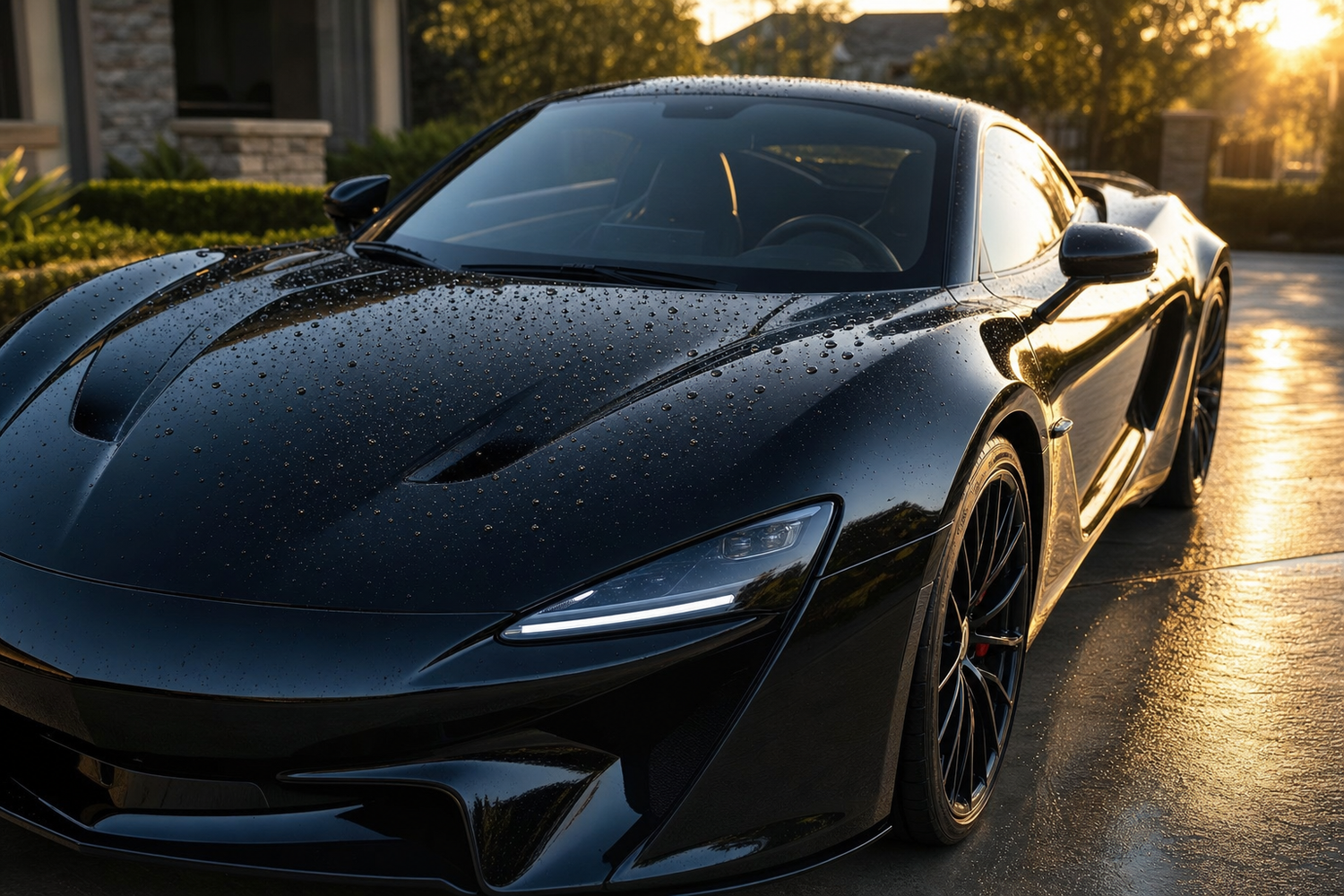
According to research published in Polymers (NIH/PMC), uncoated paint surfaces have hydrophilic behavior (water contact angles below 90°), meaning water, dirt, and contaminants cling to the surface. A proper ceramic coating shifts the surface to hydrophobic (90°–150°) or superhydrophobic (above 150°), causing water and grime to bead up and roll off instead of soaking in.
The longer you wait, the more micro-damage accumulates — and you end up paying more to restore the paint before protecting it.
Your Protection Options Compared
There are three main approaches, each with different trade-offs:
Wax: The old standard. Carnauba wax adds a warm glow but breaks down in 4–8 weeks. It offers minimal UV protection and zero resistance to chemical etching. Fine for show cars kept in garages; not enough for a daily driver.
Paint Protection Film (PPF): A thick polyurethane film that physically absorbs rock chips and road debris. It excels at stopping physical damage, but it's expensive (often $2,000–$5,000+ for a full wrap), and it doesn't self-enhance gloss the way a coating does. Best used on high-impact zones — the front bumper, hood leading edge, and mirrors — where rock chips are most likely, as outlined by HEXIS Americas.
Ceramic Coating: This is where the real long-term value lives. A liquid polymer that chemically bonds to your clear coat, forming a durable, semi-permanent protective layer. It delivers UV protection, hydrophobic water-sheeting, resistance to chemical etching, and a depth of gloss that makes your paint look better than the day it left the factory. Professional-grade coatings last 2–5+ years with proper maintenance.
Why a Ceramic Coating is the Right Call for New Cars
Applying a ceramic coating on new, defect-free paint is the ideal scenario. You skip the paint correction step entirely — no polishing out swirls or scratches first. The coating bonds directly to pristine clear coat, which maximizes adhesion and longevity.
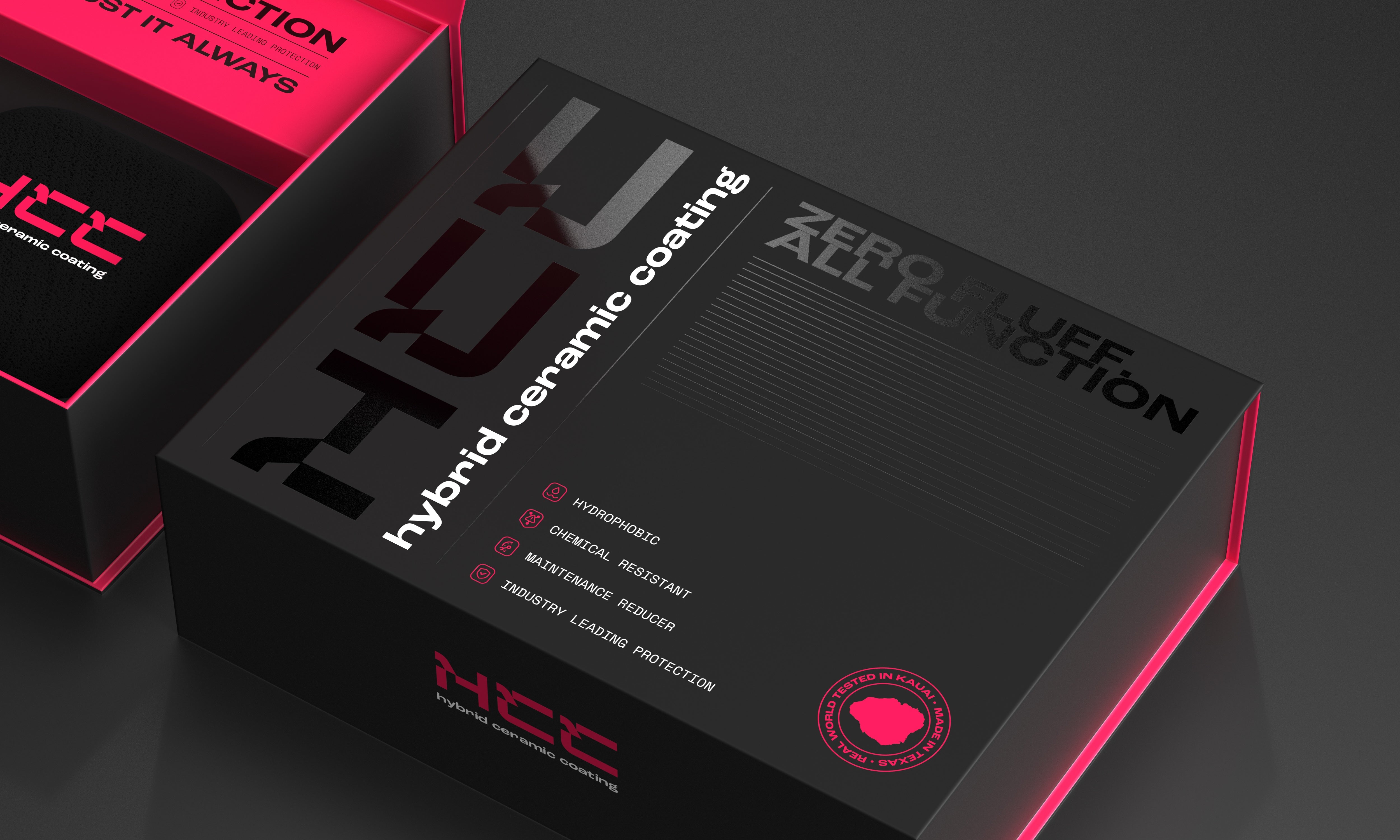
Undrdog HCC – Hybrid Ceramic Coating is built specifically for this. It's the flagship product for a reason: it combines the durability of a professional SiO₂ ceramic with a hybrid formula that makes application more forgiving for first-timers. One coat gives you 2–3 years of protection, with layering options for enthusiasts who want to go further. The hydrophobic effect is immediate and aggressive — water sheets off at highway speeds, and bug splatter wipes away before it can etch.

Step-by-Step: Protecting Your New Car's Paint from Day One
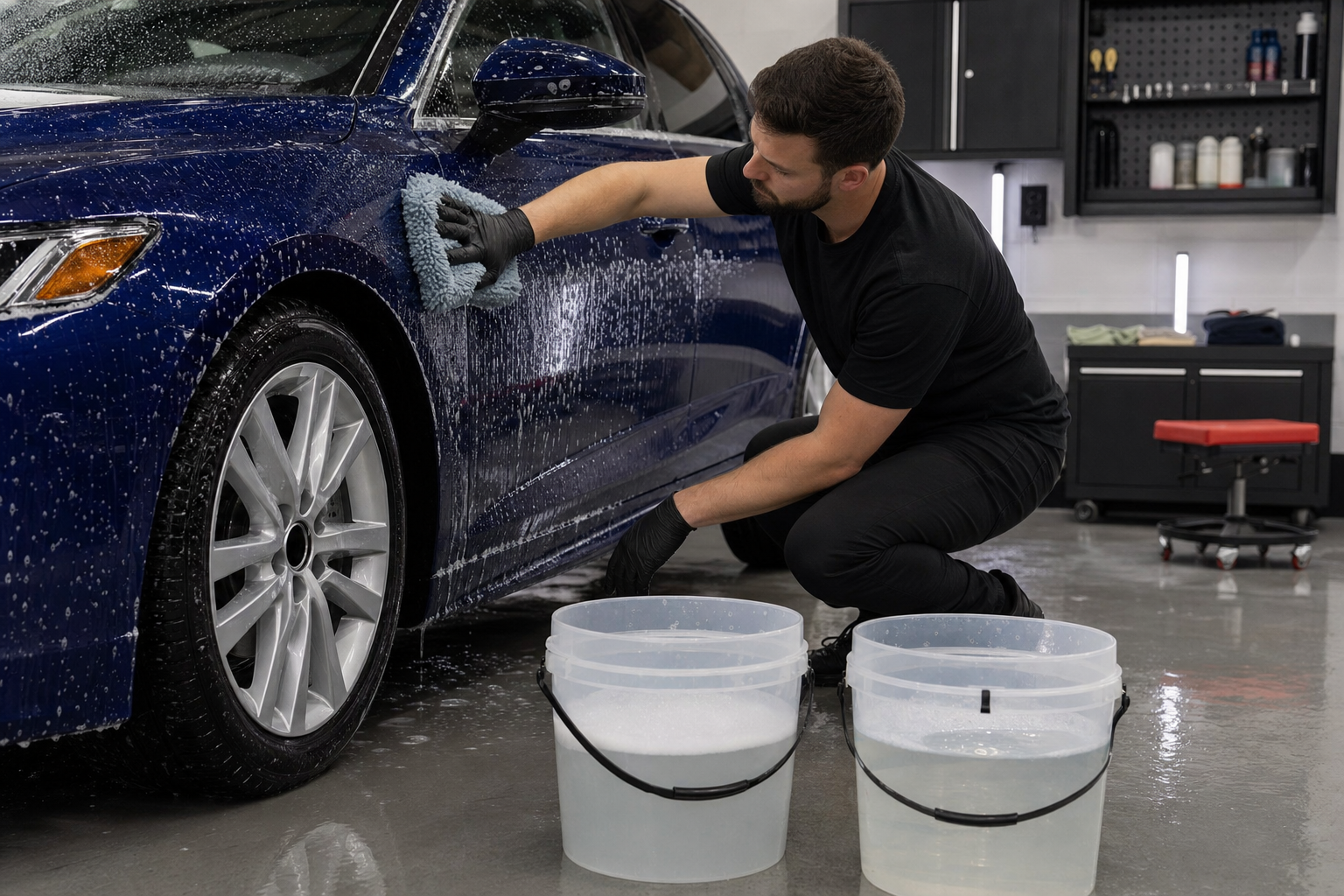
Step 1 — Wash first, properly. Even a brand-new car from the lot has dealer wax, transport film residue, or rail dust on the surface. Do a thorough decontamination wash before you touch anything else. This is where a quality car shampoo matters — something pH-balanced that strips contaminants without stripping the factory clear coat oils.
Step 2 — Inspect the paint. Check under good lighting for any dealer-installed swirls from their prep wash. If the paint is clean and scratch-free, you go straight to coating. If there are light swirls, a single-step machine polish corrects them in 30–60 minutes before you lock in the ceramic.
Step 3 — Apply HCC. Work in a shaded area at moderate temperature (ideally 60–80°F). Apply HCC to a microfiber applicator block, spread evenly across one panel at a time in straight overlapping passes, then buff off the flash haze with a clean microfiber. The whole car can be done in 2–4 hours depending on size.
Step 4 — Cure time. Keep the car dry for 24 hours. Full cure takes 7 days, during which the ceramic hardens to its maximum durability.
Step 5 — Maintain smart. After coating, always wash with a pH-neutral soap (HCC is safe with most quality car shampoos) and avoid automated brushless car washes, which introduce micro-scratches regardless of coating.
The Bottom Line
The single best investment you can make on a new car is applying a ceramic coating before the paint accumulates any damage. It costs a fraction of what paint correction will run you later, and the hydrophobic and UV-blocking benefits compound over years. Professional detailers report ceramic coating durability ranging from 2–8 years depending on the product and maintenance, versus months for wax.
Your new car deserves protection that actually lasts. Start with Undrdog HCC – Hybrid Ceramic Coating and protect that investment from mile zero.
Related Reading
Keep your paint and protection dialed in with these guides from the Undrdog detailing blog:

Leave a comment
This site is protected by hCaptcha and the hCaptcha Privacy Policy and Terms of Service apply.