
To check whether a ceramic coating detailer is insured for your job, ask for current insurance evidence and have the business's licensed insurance representative explain how the actual work, location, storage, and vehicle movements fit the policy. Do not stop at “fully insured,” a coating-brand badge, or a certificate with a large number on it. Confirm the relevant coverage and its limitations before handing over the keys, without assuming that any document guarantees payment for a future claim.
This is a buyer's due-diligence checklist, not a review of a particular policy or individualized insurance advice. A licensed insurance professional should interpret coverage for the actual business and circumstances. We are not determining anyone's legal liability, your rights under local law, or whether an insurer must pay.
Separate installation credentials from insurance evidence
A useful booking conversation has several tracks: who can do the work, what the service includes, how the vehicle is handled, and what insurance applies. Ask for evidence suited to each question rather than accepting one document as the answer to all of them. Our guide to detailer certification versus coating authorization addresses the first distinction; this guide addresses insurance verification.
We recommend treating a credential as something to investigate for its own purpose, not as insurance evidence. Ask whose credential is being presented, then separately ask for the business's insurance contact. Do not assume that being able to buy a coating, displaying a brand logo, or completing training answers the policy question.
Professional preparation, careful application, and clear customer communication still deserve respect. Requesting insurance information does not accuse a detailer of being careless. It is a way to make the handoff understandable before either party is dealing with an unexpected problem.
The insurer's own terminology illustrates why a general assurance is incomplete: Progressive describes garage insurance as “customized business insurance for when you're storing, working on, or moving a customer's vehicle,” with protection dependent on the coverages chosen (Progressive Commercial garage-insurance overview). The practical question is not just whether a business owns a policy, but which parts of your proposed service its representative says that policy addresses.
Ask about the customer's vehicle, not just the business
Progressive's overview describes general liability, business property, garagekeepers legal liability, on-hook towing, commercial auto, and workers' compensation as distinct coverage categories (garage coverage descriptions). Do not turn that list into a universal package requirement; use it to ask more precise questions about your booking.
For example, the same insurer describes garagekeepers legal liability under the heading “Protection for vehicles under your care” and discusses physical damage to customer vehicles from specified causes while in the business's possession (garagekeepers section). That is a category description, not an assessment of the policy held by the shop you are considering.
Ask: “Which coverage addresses my vehicle while it is in your custody, and can your insurance representative confirm how it applies to the services on this quote?” Include preparation and correction, not only the final coating application. Let the representative identify the appropriate policy language rather than guessing from a familiar insurance name.
Do not assume a policy covering the business's building or work truck answers the customer-vehicle question. Progressive separately describes business property and commercial auto coverage in its garage overview (property and commercial-auto sections). Ask for the relevant coverage, not merely proof of some insurance.
| Question you want answered | Evidence to request | Shortcut to avoid |
|---|---|---|
| Which business is performing and arranging the work? | The service agreement and an explanation of how the business name matches the insured entity. | Assuming a familiar trading name resolves every identity difference. |
| What addresses the customer vehicle in custody? | The relevant coverage identified by the shop's insurance representative. | Treating general proof of business insurance as a complete answer. |
| Where and when will the car be kept? | The actual site and storage plan, checked against the applicable coverage. | Assuming all locations and overnight arrangements are included. |
| Will somebody drive, tow, or transport it? | The movement plan and coverage clarification for that activity. | Assuming parked-vehicle protection answers every transport question. |
| What happens if a problem is reported? | A named business contact and the relevant reporting route. | Treating a coating warranty or insurance certificate as a claim approval. |
Read a certificate of insurance for what it establishes
A certificate is useful evidence, but do not ask it to do the job of the policy. In its Texas-specific FAQ, the Texas Department of Insurance says a certificate may not use terms that “alter, amend, or extend coverage” provided by the insurance policy (TDI, certificate FAQ question 23). That is an explanation of Texas requirements, not a claim that every jurisdiction uses identical wording.
Ask the shop to arrange current evidence through its agent or insurer, with permission for appropriate coverage questions. Review the business name, insurer, dates, listed coverage, and the issuing contact. If a document is unclear or incomplete for your decision, ask for an explanation instead of filling the gaps yourself.
Use an independently verified business contact route when confirming who issued the evidence. Keep the inquiry limited to your booking: the named business, relevant activities and location, dates, and the questions the representative can properly answer. You do not need an employee's private address, personal insurance records, or unrelated financial documents.
Do not assume becoming a certificate holder makes you an additional insured or gives you every policy right. TDI's FAQ explains limits on what a certificate can say about additional-insured status and notes that a certificate-holder box cannot confer new rights beyond the policy or executed endorsement (TDI questions 1, 15, and 19). Ask a licensed professional whether any particular status is relevant to your transaction; this article does not prescribe one for every detailing customer.
If a booking is postponed, recheck the dates relevant to the new appointment. If the business name changes, ask how the new name relates to the policy and your contract. Treat an unresolved discrepancy as a question to settle before drop-off, not automatic proof of misconduct.
Match the coverage discussion to the actual work and location
Prepare a short description of the job for the insurance discussion. Include the vehicle, the quoted preparation and correction, the coating application, the site, any overnight stay, and any planned movement. This prevents a vague question about “detailing” from hiding a specific part of your appointment.
For a mobile service, state that the work will occur at your home or another agreed site. For a fixed-location shop, identify where the vehicle will be washed, corrected, coated, and stored. Ask whether a second premises or outside provider changes the coverage explanation; do not assume an answer about the main workshop covers every location.
This is not needless address-checking. TDI's Texas certificate guidance says “all premises and operations” should not appear unless the policy actually covers them, and it allows relevant covered premises and operations to be listed (TDI question 23). Our practical recommendation is to describe the real arrangement clearly enough for the representative to identify its scope.
If the shop uses another business for a stage of the job, ask who coordinates the insurance explanation and any report. Our guide to who actually installs the coating covers the separate staffing and service-contact questions. Here, the purpose is to avoid treating the seller's document as unexplained evidence for every outside business involved.

Clarify limits, exclusions, and movement without guessing
Ask the representative to explain the applicable limits and deductibles in plain language. Which limit matters to this type of loss, and is it shared with other vehicles or claims? What exclusions or conditions should the customer understand? Do not read the largest number on a certificate as a guaranteed amount payable for your particular car.
Use specific questions about workmanship rather than assuming every disappointing result is insured. Ask how the policy treats an allegation of damage during correction or application, and distinguish that question from the shop agreeing to redo unsatisfactory work. We are not stating that either situation is always included or always excluded.
Keep movement separate from storage. Progressive's overview distinguishes on-hook towing from customer vehicles in custody and from commercial auto protection for business vehicles (towing, garagekeepers, and commercial-auto descriptions). Ask about the actual planned activity: driving your car between sites, transporting it on a truck, or parking it overnight.
If no driving or transport is part of the agreement, make that expectation clear. If the plan changes, request an updated explanation before authorizing the move. You are defining a service arrangement, not trying to personally underwrite the business.
For a valuable, modified, or unusual vehicle, provide accurate relevant information and ask your own insurance representative what to check as well. Do not hide a material detail to obtain a quicker yes. This guide does not set a universal minimum limit, estimate an insurance premium, or guarantee that any policy is sufficient for your situation.
Agree on the reporting route before a problem occurs
Ask whom you should contact if you notice damage, what information the business needs, and how the matter reaches the appropriate insurer when relevant. Record the business contact and the agreed handoff process alongside the service order. Avoid assuming that a coating manufacturer, a subcontractor, and the shop all use the same reporting route.
We recommend a dated condition record at drop-off and pickup, with clear photographs of existing marks and any issue you notice. Record observations without inventing a cause. If something appears wrong, preserve the available documentation and ask the relevant business and insurance representatives about inspection and next steps before arranging non-urgent corrective work.
A hypothetical example: a customer notices a new-looking mark at pickup. The sensible first task is to document the observation, compare the agreed condition record, and contact the named business route. This example does not establish who caused the mark, whether it is covered, who owes a deductible, or what settlement would be appropriate.
Keep a coating-performance warranty separate from an insurance inquiry. Ask which document addresses the issue you are reporting and who will explain the response. Do not treat the existence of either document as permission to promise yourself reimbursement, free repainting, replacement transport, or a particular claim outcome.
A good pre-booking request can be brief: “Please identify the business performing the work, arrange current insurance evidence, and connect me with the appropriate representative to confirm how the quoted service, location, storage, and vehicle movement fit the coverage. Please also tell me whom to contact if I need to report a concern.” Let the representative answer in an appropriate form rather than demanding unsupported wording on a certificate.

How Undrdog does it
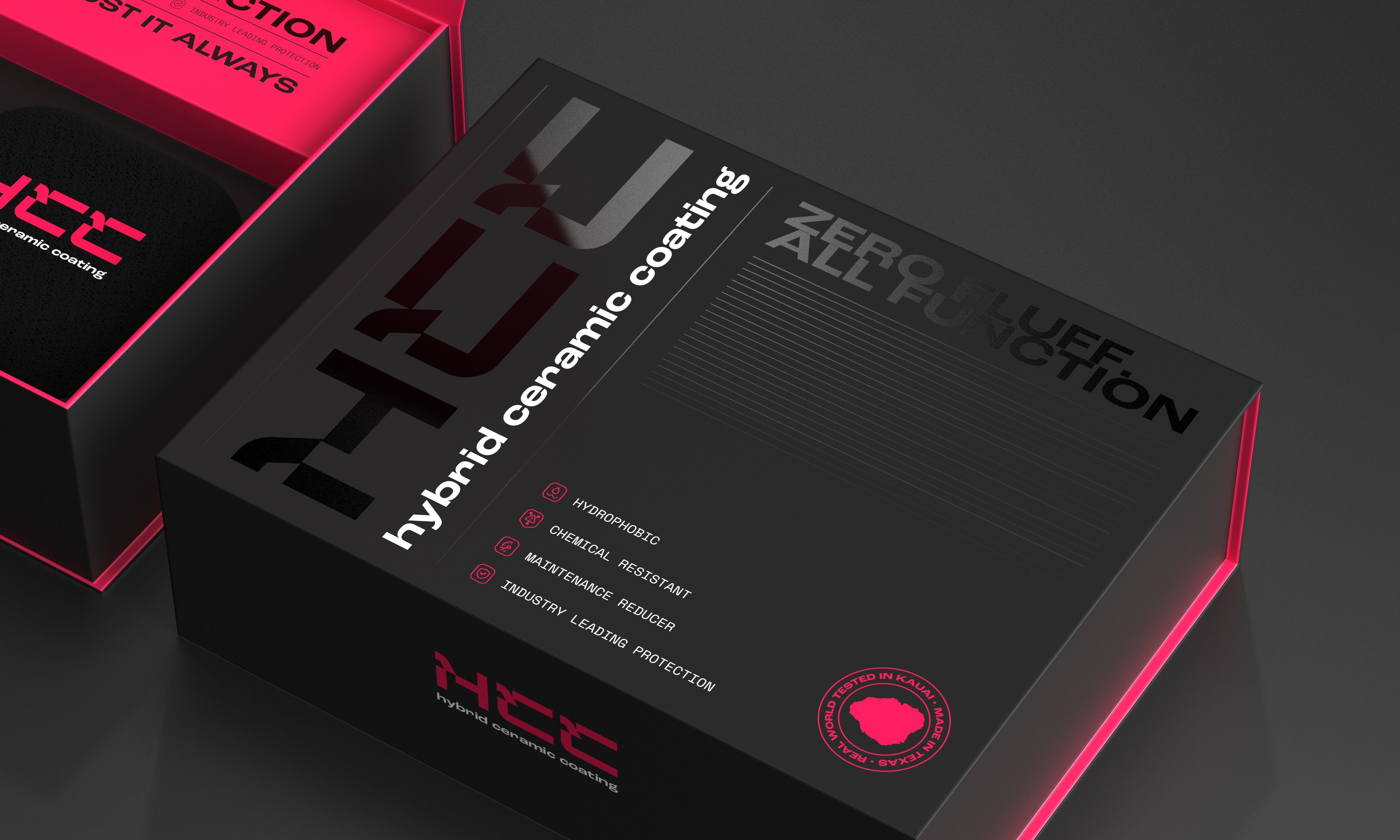
HCC Hybrid Ceramic Coating is Undrdog's all-surface flagship for suitable applications on cars, boats, planes, and bicycles. Its multi-year durability positioning depends on preparation, exposure, use, and maintenance; it is not a fixed lifespan promise for every vehicle (HCC product information).
Undrdog makes its professional-grade coatings available to detailers and DIYers without a certification, class, or minimum-buy gate for purchasing HCC. Open access is a product-purchase policy, not insurance evidence for the person doing the work. Check the current product requirements and safety instructions before planning an installation.
Undrdog supports professional detailers who use its coatings. When you hire an independent installer, ask the same clear questions about work scope, custody, insurance evidence, and follow-up that you would ask elsewhere. This article does not certify any independent shop's policy, set its service terms, or promise that buying an Undrdog product covers damage to a customer's vehicle.
Choose HCC when it is appropriate for a justified coating project, and choose the service provider through a separate assessment of the work and its responsibilities. Skilled preparation and communication have value regardless of whether the bottle is sold through an exclusive channel. Neither open access nor restricted access should replace checking the arrangement you are actually buying.
Frequently asked questions
Does a ceramic coating certification prove the shop is insured?
Do not use a certification badge as insurance evidence. Ask separately for current insurance information and an explanation from the appropriate insurance representative about the business, work, location, and vehicle handling in your booking.
Is general liability the same as garagekeepers coverage?
No. The insurer overview describes them as separate coverage categories, with garagekeepers addressing customer vehicles in custody in its stated scope. That distinction does not determine your shop's actual policy; ask its representative to identify the relevant coverage and conditions (coverage overview).
Does a certificate of insurance guarantee a claim will be paid?
No such guarantee is established by this checklist. TDI's Texas-specific guidance says a certificate cannot alter, amend, or extend the policy's coverage. Ask about the actual policy and circumstances rather than treating the certificate as a claim decision (TDI certificate guidance).
What if the detailer works at my house?
Describe that mobile location and the full planned service to the shop's insurance representative. Ask how the actual arrangement fits the coverage, including custody and any movement of the vehicle, instead of assuming an answer about a workshop applies unchanged.
What if someone drives my car to another facility?
Confirm who arranges the move, where it goes, and how the relevant insurance representative explains coverage for that activity. Do not assume a statement about parked storage also answers a driving or transport question. Resolve the planned move before authorizing it.
How much insurance should my detailer carry?
This guide does not prescribe a universal amount. Ask a licensed insurance professional to explain relevant limits, deductibles, exclusions, and how your vehicle and proposed service fit them. A large number on a document is not a substitute for that explanation.
Should I reject a shop that needs its agent to answer?
Not merely for referring the question to an insurance professional. Decide whether the business provides a clear contact route and satisfactory answers before drop-off. An unresolved answer is a reason to pause the decision, not automatically an accusation about the shop.
Does buying HCC provide insurance for an independent installation?
This article does not establish any such coverage. HCC purchase access and product information are separate from the installer's insurance and service agreement. Verify those arrangements directly instead of treating the coating brand as a substitute for the insurance discussion.
Choose the coating and verify the service
Review HCC for a suitable project, then confirm the installer's process, vehicle-handling plan, and insurance information separately.
Shop HCC Hybrid Ceramic Coating

Leave a comment
This site is protected by hCaptcha and the hCaptcha Privacy Policy and Terms of Service apply.