

Before booking ceramic coating, ask who will prepare the vehicle, apply the product, inspect the work, and handle questions afterward. Confirm whether those people work for the business taking your payment or whether another provider will perform any part of the job. Neither arrangement is a quality verdict by itself; you need a clear service plan and a named business contact responsible for coordinating it.
The person explaining the package does not have to do every step personally. What matters for your decision is whether you understand the arrangement you are buying. A coating-brand badge, a certificate, or a polished sales conversation should not leave the actual work and follow-up route unexplained.
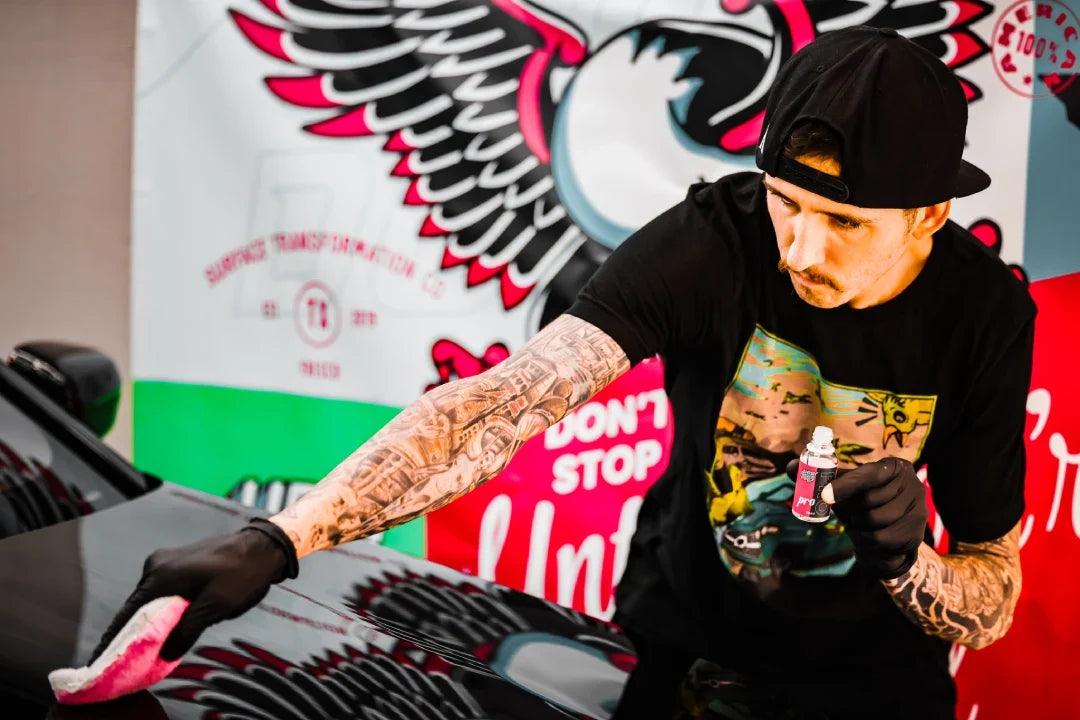
This is a pre-booking accountability guide, not a claim that subcontracting is widespread or undesirable. The official Undrdog photographs illustrate vehicle-care work; they do not establish the pictured person's credentials, employment arrangement, or responsibility for a particular customer's installation.
Separate the seller, installer, and follow-up contact
Start with the business named on the proposal. Ask whether that same business will issue the invoice and coordinate any concern after completion. Then ask who is expected to carry out the work and who makes the final decision that the vehicle is ready for handoff. You are trying to connect the service you purchase with a usable chain of communication.
You do not need an employee's home address, personal phone number, or private personnel file. A lead technician's name or clearly identified role, a business contact, and an explanation of supervision are a reasonable practical starting point. The purpose is clarity, not turning a coating appointment into an investigation of workers.
Use the following as a proposed role checklist. One person can cover several rows, or a team can divide the work. The checklist does not prescribe how a shop must organize itself.
| Role to clarify | Question to ask | Useful written answer |
|---|---|---|
| Service seller | Which business am I booking and paying? | The business name on the proposal and invoice |
| Job coordinator | Who contacts me if the plan changes? | A named person or role with a business contact route |
| Preparation and correction | Who performs this work and approves the surface for coating? | The assigned team or provider and its scope |
| Coating application | Who applies the named product? | The planned installer or team and any supervision arrangement |
| Final inspection | Who checks the completed work before pickup? | The person or role responsible for the final review |
| Follow-up | Where do I report a concern, and who coordinates the response? | A specific business contact and the stated process |
If the answer is “our team,” ask one follow-up: “Who is coordinating my job, and how are the stages checked?” You do not need a minute-by-minute schedule. You do need more than an assumption that everyone involved has heard the same promises made during the sale.
Connect credentials to the people doing the work
The International Detailing Association's certification program distinguishes its written-exam phase from its hands-on Skills Validated phase. Its description says each candidate must perform the hands-on testing individually and meet the required proficiency. That is useful evidence about the assessment framework, not proof of who has been assigned to your vehicle.
If a qualification matters to your booking decision, ask whose qualification it is and what their role will be. Will that person perform the application, oversee a team, inspect the result, or only handle the estimate? Keep the question neutral; supervision and direct application are different roles that can both be explained clearly.
Our guide to detailer certification versus coating authorization covers how to check the credential itself. Here, the additional step is connecting the credential to the actual job. Do not infer that a certificate shown in a sales presentation identifies every person who may work on the vehicle.
Ask about relevant experience as well as titles. What experience does the planned team have with the surface condition and product in your proposal? The FTC's auto-repair guidance similarly recommends asking about a technician's or shop's experience with the vehicle make or model. We use that as a sensible questioning approach, not as a coating-specific rule or a substitute for checking your actual service plan.
If a subcontractor is involved, define the arrangement
If the seller says another provider will perform part of the service, ask which part. Is it correction, application, specialist surface work, or the whole installation? Ask whether that provider works at the seller's premises, at your location, or somewhere else. Keep the focus on scope and coordination rather than deciding that the word “subcontractor” settles the quality question.
Then clarify who communicates instructions and approves changes. You should not have to guess whether the seller or the outside provider can change the product, expand correction work, move the vehicle, or alter the pickup plan. Ask the booking business to explain the agreed process in writing before those questions become urgent.
Here are two hypothetical arrangements, not reported customer cases. In the first, a shop identifies an outside correction specialist, specifies the work, keeps the vehicle onsite, and names its own final inspector and customer contact. In the second, a seller cannot explain who will perform the service or who will respond to a concern. The practical difference is the available information and responsibility plan, not simply whether a worker is on payroll.
Apply the same standard to an entirely in-house team. If nobody can explain the scope, approval process, or follow-up route, the phrase “our employees” does not answer those missing questions. Conversely, do not reject a clear, appropriate proposal merely because more than one business contributes to the work.
This guide does not determine legal responsibility between businesses, employment status, or insurance coverage. If those issues are important to your transaction, request the relevant written terms and obtain appropriate local advice. Do not treat a verbal description of the staffing arrangement as a complete legal answer.
Know where the vehicle will be worked on and stored
Ask where each planned stage will happen. If the vehicle will leave the location where you drop it off, confirm the destination, why the move is needed, how it will be transported, and who coordinates pickup and return. If it will stay in one place, make that part of the agreed plan rather than an unspoken expectation.
Include the period after application. Where will the vehicle remain before release, who controls access, and who confirms that the product-specific handoff requirements have been followed? Request the actual instructions for the selected product rather than accepting an unexplained statement that it will be “ready tomorrow.” This article does not invent a universal cure or release interval.
For a mobile booking, identify who decides whether the available work area is suitable and what happens if conditions require a change. For a fixed-location booking, clarify any move to another site. These are planning questions; the address alone is not a measurement of installation quality.
Keep vehicle handling and work scope together in the proposal. For example, if transport to a separate facility is part of the plan, ask how that affects timing and who gives you updates. Do not leave a scheduling change to be discovered only when you arrive for pickup.

Agree on what happens if the team or scope changes
A clear booking can still need an update. Ask how you will be notified if the planned lead changes, an outside provider is added, the work moves, or the proposed product or correction scope changes. The aim is not to freeze every staffing detail; it is to protect the parts of the proposal that mattered to your decision.
Separate a routine team adjustment from a material change to the service you agreed to. If you selected the shop specifically because a particular person would perform the correction, say so before booking. If you care mainly about the documented process and final inspection, say that too. Give the business a clear understanding of your priorities.
The FTC's auto-repair advice recommends a written estimate and a provision for contacting the customer before work exceeds an agreed amount of time or money. For a detailing booking, we recommend the same recordkeeping habit: define what requires another discussion and record any approved change. Whether a particular requirement applies legally depends on the transaction and location; this is not a universal detailing-contract rule.
A useful message is: “Please contact me before changing the coating product, adding paid work, moving the vehicle to a different worksite, or changing the installer arrangement described in the proposal. Please explain the new plan and any price or timing difference so I can respond.” Adapt that request to the actual terms you and the business agree on.
If a change is proposed, ask for the revised scope rather than reacting only to the new person's name. Who now performs the work, who checks it, and who remains your contact? A clear update lets you decide on the new plan without assuming the original discussion still applies unchanged.
Make the final record match the service delivered
Before booking, ask what completion information the shop will provide. A useful record can identify the service business, product, treated surfaces, completion date, inspection contact, and care instructions. If an outside provider handled a defined stage, ask that the record make the arrangement understandable without demanding private employment information.
At pickup, compare the completed scope with the agreed version, including any later changes. Use our coating pickup and handover checklist for the separate physical inspection. This article's contribution is making sure the people and businesses behind that handoff are clear before the appointment begins.
Keep product-related coverage and the shop's service response separate in your questions. Ask who receives each type of concern, what records they need, and how the next step is arranged. Do not assume that access to a product, a credential, and a promise to address workmanship all describe the same obligation.
If a concern appears, document the observation and contact the agreed business route before commissioning a different intervention. The FTC recommends keeping dated records and speaking with the shop manager or owner first for repair disputes. That is a useful documentation approach here, not a promise of a particular remedy, free redo, refund, or outcome.

How Undrdog does it
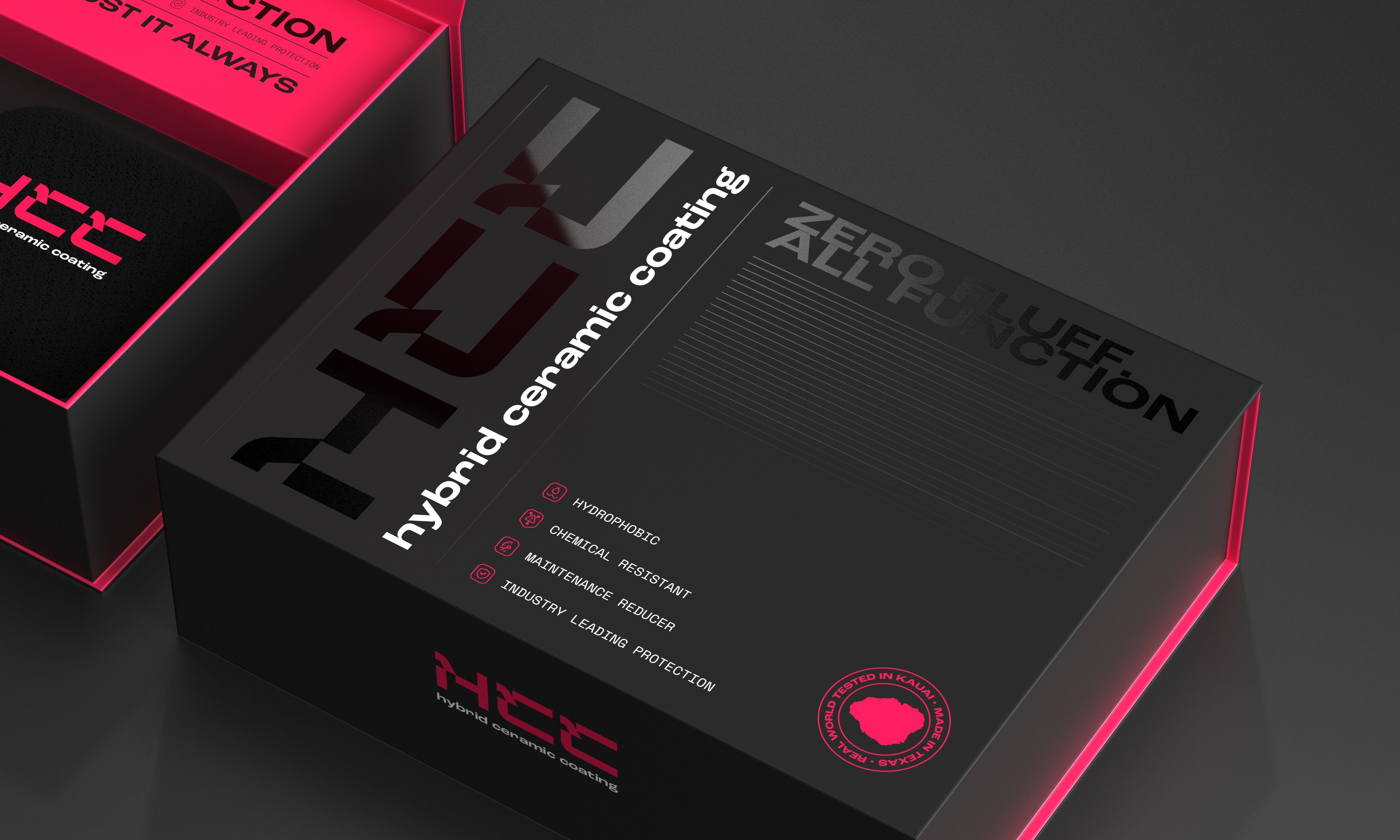
HCC Hybrid Ceramic Coating is Undrdog's all-surface flagship for cars, boats, planes, and bicycles. Its multi-year durability positioning depends on preparation, exposure, use, and maintenance rather than a fixed lifespan for every vehicle. Confirm the exact surface and current product instructions before choosing the installation plan.
Undrdog sells its professional-grade coatings to detailers and DIYers without a certification, class, or minimum-buy requirement to purchase HCC. Open access to the product does not remove the value of skilled preparation, controlled application, inspection, or customer communication. Those are parts of a professional service you can evaluate separately from who is allowed to buy the bottle.
Undrdog supports professional detailers who use its coatings. If you hire one, ask the same practical questions about the assigned team, worksite, supervision, changes, and follow-up. Do not assume that a shop's use of an Undrdog product establishes a particular staffing model or that Undrdog sets every independent installer's service terms.
Our recommendation is simple: choose a suitable product and a clearly explained service process. HCC is the first coating option to consider for a justified project within its intended use, not a reason to skip the conversation about who will do the work. The bottle and the service plan should both make sense.
Frequently asked questions
Does the person selling the coating need to apply it personally?
That is not a requirement of this guide. Ask who will perform the work, who supervises or checks it, and which business coordinates follow-up; decide whether that explained arrangement meets your expectations before booking.
Is subcontracting a reason to reject a coating shop?
Not by itself. Clarify the outside provider's scope, location, supervision, change process, and contact route, then evaluate the proposed service instead of assuming an employment arrangement proves or disproves skill.
Does a certificate identify everyone working on my car?
Do not assume it does. The IDA program describes assessment of individual candidates; ask whose credential is being presented and what that person's role will be in your installation.
Can I ask for the lead technician's name?
Ask for the lead person's name or a clearly identified role and a business contact route. You do not need private employee records or personal contact information to clarify who coordinates the work and final inspection.
What if the car will be moved to another location?
Request the destination, purpose, transport arrangement, timing, and coordinating contact before drop-off. Have the business explain how the move fits the agreed scope rather than relying on assumptions about where the vehicle will stay.
What if the assigned installer changes?
Ask for an updated explanation of who performs the work, who checks it, and whether anything else changes. Decide based on the revised plan and agreed terms; this guide does not establish an automatic cancellation or refund right.
Who should I contact if I notice a problem afterward?
Start with the business contact agreed in your service plan and provide a factual description, dates, and photographs. The FTC's repair guidance supports documenting transactions and approaching the shop manager or owner first, but does not determine the outcome of a coating-service concern.
Does buying HCC require an installer certification?
No. Undrdog makes HCC available to detailers and DIYers without a certification gate. That purchase access is separate from choosing a qualified person and an appropriate process for your particular job.
Choose the product and the people with clear expectations
Review HCC for a suitable coating project, then confirm who will prepare, apply, inspect, and support the work.
Shop HCC Hybrid Ceramic Coating

Leave a comment
This site is protected by hCaptcha and the hCaptcha Privacy Policy and Terms of Service apply.