

Choose hand polishing for a small, clearly defined job when a hand-approved product and a test area deliver the finish you want; consider machine polishing for a larger correction project only after confirming that the paint, equipment, and your skills suit the work. Neither approach is an automatic safety guarantee. Our recommendation is to choose the least ambitious process that meets your goal, including no abrasive polishing when the finish does not need it.
This comparison is for gloss automotive paint assessed as suitable for polishing. It is not permission to polish matte paint, wraps, paint protection film, an unidentified repaint, or peeling clear coat. Start with the finish manufacturer's requirements and the actual polish and equipment instructions, not a generic internet recipe.
Hand polishing vs machine polishing: the useful comparison
For this guide, hand polishing means working an appropriate polish with a hand applicator, while machine polishing means using a compatible powered polisher and pad. Those are application methods, not grades of professionalism. As a product-specific example, Meguiar's lists hand, dual-action, and rotary application for its M200 finishing polish, while describing that formulation as fine-tuned toward dual-action machines (manufacturer's M200 description).
Use the following table as a planning checklist rather than a performance ranking. It is intended to help you decide what to test or ask a detailer, not to promise an identical result across different paints and products.
| Decision | Hand polishing | Machine polishing |
|---|---|---|
| Project to consider | A limited area with a modest, defined improvement goal | A broader correction project with a suitable tested system |
| Equipment to confirm | A hand-approved polish and appropriate applicator | A compatible machine, backing plate, pad, and polish |
| Decision before expanding | Does the sample result justify repeating the manual work? | Can you reproduce the sample result while controlling the equipment? |
| What not to assume | No motor means no possibility of paint damage | A machine guarantees complete scratch removal |
| Budget comparison | Include applicators, preparation, inspection, and your time | Include the complete equipment system, learning, preparation, and your time |
| Valid stopping point | The goal is reached or appropriate further improvement is uncertain | The goal is reached or appropriate further improvement is uncertain |
Write a practical goal before buying anything: “improve this small dull patch if it can be treated appropriately,” or “assess the visible wash marks across the car.” Avoid making “remove every mark” the default. Give yourself permission to accept a remaining defect rather than escalating simply because a bottle or machine is already in your garage.
Polishing is not the same as applying protection
A polish bottle and a coating bottle can both be applied with something held in your hand, but that does not make them the same operation. DeFelsko separates cleaning, rejuvenation, and protection, and describes correction work on the top clear-coat layer as part of rejuvenation (automotive detailing explanation). Be precise about whether you want to change the finish, clean it, or protect a finish you already like.
For planning purposes, describe each job separately: washing and relevant contamination removal, assessment, any justified polishing, final preparation, and protection. Do not purchase a machine merely because you intend to apply a coating by hand. Equally, do not assume that wiping away polishing residue completes every preparation requirement for the next product.
Application method is also separate from correction-stage count. If your question is whether a cutting stage needs a refining stage afterward, use our one-step versus two-step paint correction guide. Here, the decision is who or what moves the applicator and whether that method makes sense for your particular project.
When hand polishing is worth considering
Start by considering hand work when the proposed treatment is limited and you can evaluate a representative area before committing to the rest. Choose a product explicitly intended for hand application; the M200 page provides one documented example of a polish with that stated use, not proof that every machine polish works the same way by hand (product-specific application options).
Use the first small test to answer a practical question: is this level of improvement enough? Inspect it under consistent lighting after removing residue as the product directs. If the answer is yes, you can decide whether the remaining work fits your time and physical comfort; if the answer is no, do not translate that disappointment into endless rubbing.
A narrow space can be a reason to assess a hand method, but it is not automatic permission to work there. Ask whether the surface can be identified, prepared, inspected, and treated without contacting surrounding materials. If access prevents you from seeing what you are doing, choose assessment or leaving the area alone rather than treating manual application as a workaround for uncertainty.
As a hypothetical example, suppose one accessible gloss-painted area bothers you and a suitable hand-polish test gives an improvement you are happy with. A full-car machine purchase would be a different project, not an obligatory next step. Keep the decision tied to the result you wanted rather than to the most elaborate equipment setup you have seen online.

When to consider a machine or a professional detailer
Consider a machine-based assessment when the project extends across multiple panels and you want a repeatable correction plan rather than isolated touch-up work. Ask which equipment and product combination fits the actual finish. A manufacturer's approval for several application methods still does not promise identical results from all of them; M200's stated preference for dual-action use illustrates why the exact system matters (manufacturer description).
If you already know a machine is appropriate, our dual-action versus rotary guide addresses the next equipment-selection question. Do not treat every powered tool as interchangeable. Read the manual for the exact machine, use its specified compatible components, and obtain hands-on instruction if you cannot confidently control the setup.
Hiring a detailer is a reasonable choice when you want an assessment as much as the labor. Request a clear explanation of the finish condition, proposed test, expected improvement, and defects that should remain. You are evaluating judgment and a defined scope, not simply renting access to a machine.
Before starting DIY work, decide how you will stop safely, inspect between sections, manage cords or batteries according to the equipment manual, and keep unrelated materials away from the work. Do not improvise a drill attachment or backing-plate combination from visual similarity. If the equipment instructions leave a compatibility question unanswered, resolve it with the manufacturer before use.
Hand polishing is not a substitute for paint assessment
The absence of a motor does not establish that abrasive treatment is appropriate. DeFelsko warns that thin coatings can be damaged during polishing and that deeper defects may not be adequately addressed by sanding and buffing (paint preservation and correction limits). Our conservative recommendation for uncertain paint is assessment first, not an automatic switch to more hand work.
A paint-thickness reading also needs context. Magnetic and eddy-current instruments measure the combined distance to the underlying metal rather than identifying each paint layer separately, according to DeFelsko (what a paint gauge measures). Do not interpret a large total reading as an equally large clear-coat allowance.
There is no single correct total paint-thickness target for every vehicle and finish in DeFelsko's guidance (paint-thickness questions and answers). This article therefore gives no universal micron budget, safe number of polishing sessions, or maximum defect-removal percentage. Those figures would imply knowledge of your finish that an online comparison does not have.
Stop and seek a qualified assessment if you find peeling, a poorly understood repair, unexpected color transfer, a changing surface appearance you cannot explain, or an area whose condition prevents confident inspection. Do not use this list to diagnose the cause yourself. The decision at that point is whether work should continue at all, not which tool could remove the mark more aggressively.
A practical test-and-decide checklist
Use this checklist to organize the decision, not as a replacement for product and machine operating instructions. Do not borrow a universal speed, pressure, working time, or pass count from a different polishing system.
- Identify the finish. Record known paint repairs, existing protection, and uncertain areas. If you cannot establish suitability for polishing, stop before testing.
- Define the concern. Describe the visible problem and the improvement you want. Separate that objective from unrelated chips, failing paint, or deeper damage that needs assessment.
- Prepare appropriately. Clean and inspect the intended area before judging correction. Do not use an abrasive test as your first attempt to identify an unknown residue.
- Confirm the complete system. Match the polish to its approved application method, applicator or pad, and finish. For powered work, include the machine and backing-plate requirements.
- Follow the actual directions. Use a limited representative test and the manufacturer's procedure. Keep operating settings product-specific rather than inventing your own benchmark.
- Inspect honestly. Compare the original and treated areas under the same lighting and viewing conditions after appropriate residue removal. Photograph the comparison if it helps you remember what changed.
- Make a decision. Continue only if the result, process control, and remaining workload are acceptable. Otherwise revise the goal, consult a detailer, or leave the finish alone.
Do not change the polish, applicator, pressure, and work area simultaneously just because the first result disappointed you. Keep a note of the combination and ask for specific guidance before escalating. A useful test can tell you not to proceed; it does not have to end with a purchase or a whole-car project to be worthwhile.
Compare the whole project, not just the tool price
Build your own budget from the actual supplies and services you would use. For hand work, include preparation products, suitable applicators, inspection materials, towels, and time; for powered work, add the compatible equipment, pads, and any instruction you need. For a professional job, ask for a quote covering the same panels, target finish, preparation, and protection.
No dollar estimate or whole-car completion time is included here because your vehicle, condition, equipment, and intended result have not been assessed. Instead, use the test to decide whether the DIY workload is realistic. Avoid turning a low bottle price into a claim that the whole project is cheap, or a high service quote into an assumption that the labor is unnecessary.
Agree in advance on what happens if the initial inspection changes the plan. A detailer should be able to explain why a panel needs less work, a different process, or referral for paint repair. Respecting that judgment is compatible with asking clear questions about what you are paying for.
How Undrdog fits after polishing
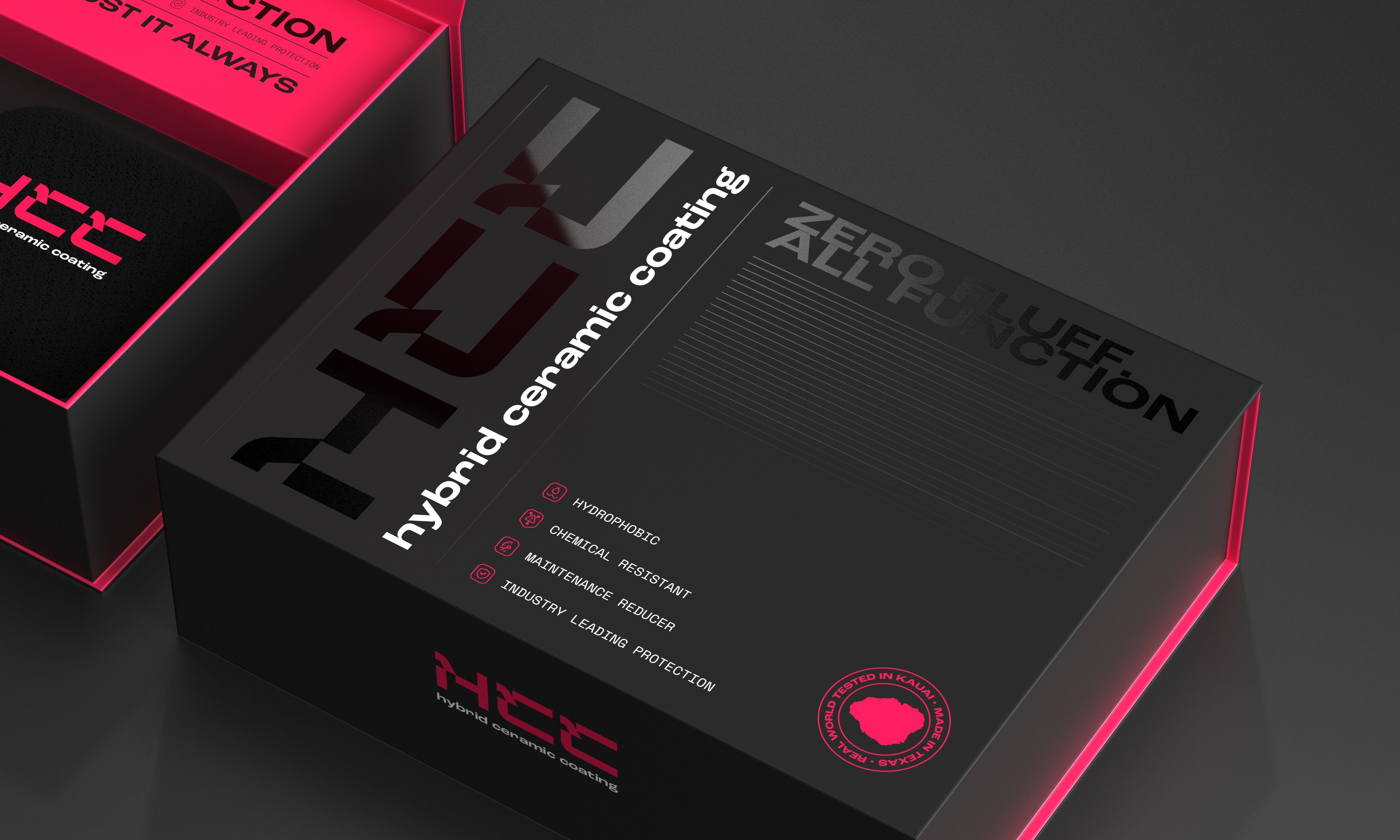
HCC Hybrid Ceramic Coating is Undrdog's all-surface flagship for suitable projects involving cars, boats, planes, and bicycles. Its multi-year protection positioning depends on preparation, exposure, use, and maintenance, not a fixed lifespan guaranteed for every installation (current HCC information).
Our recommendation is to decide whether the finish needs correction before choosing protection. Do not add machine polishing merely to make a coating job seem more complete, and do not expect the coating purchase to resolve a finish problem you still want assessed. Confirm suitability and the required preparation for the actual surface and any existing treatment before application.
Plan the installation environment rather than treating coating as a casual final wipe. HCC's current safety instructions require keeping it away from ignition sources, using it outdoors or with good ventilation, and wearing specified protective equipment (ingredients and safety directions). Read the current label and safety sheet in full; this comparison is not a complete coating application or safety procedure.

Frequently asked questions
Can you polish car paint by hand?
Yes, with a product that explicitly permits hand application on the relevant finish; Meguiar's M200 lists that method among its options (manufacturer directions). Confirm paint suitability and evaluate a limited test rather than assuming every polish or defect is suitable.
Is hand polishing always safer than machine polishing?
Do not use that as a blanket rule. Our recommendation is to assess the paint and proposed abrasive treatment first, then choose an appropriate method or decline correction. An uncertain finish is a reason to pause, not permission to rub harder by hand.
Can I use any machine polish with a hand applicator?
Do not assume so. Select a product whose manufacturer specifically supports hand application, and follow that method's directions. Approval for one product does not establish that another formula or applicator is interchangeable.
Will a machine remove every scratch?
No such guarantee belongs in a method comparison. DeFelsko notes that deeper damage may not be adequately resolved by sanding and buffing, and that limitations must be recognized before excessive paint removal (correction limitations). Accept remaining defects or obtain a repair assessment.
Do I need machine polishing before applying a coating?
Do not make it an automatic purchase or step. Decide what finish improvement is needed and appropriate, then follow the chosen coating's preparation requirements. A particular tool is not proof that the surface is ready for protection.
Does a paint gauge show exactly how much clear coat remains?
Not necessarily. Magnetic and eddy-current gauges measure the combined thickness to the base metal rather than separating the paint layers (gauge limitations). Understand the instrument, substrate, and paint history before using a reading to justify correction.
How long does polishing a whole car take?
Estimate it from an assessed project rather than a universal online number. Define preparation, panel coverage, intended finish, equipment, and protection, then decide whether the workload fits your available time. Ask a detailer for a vehicle-specific scope and estimate if you are considering professional work.
What should I do if the test area does not improve?
Stop and reassess the surface, product suitability, and intended result rather than repeatedly increasing pressure or changing several variables. Consult the product manufacturer or a qualified detailer when the response is unclear. Leaving the defect alone is preferable to escalating without a justified plan.
Plan protection after the finish decision
Review HCC's suitability, preparation, and safety information for your next appropriate coating project.
Shop HCC Hybrid Ceramic Coating


Leave a comment
This site is protected by hCaptcha and the hCaptcha Privacy Policy and Terms of Service apply.