
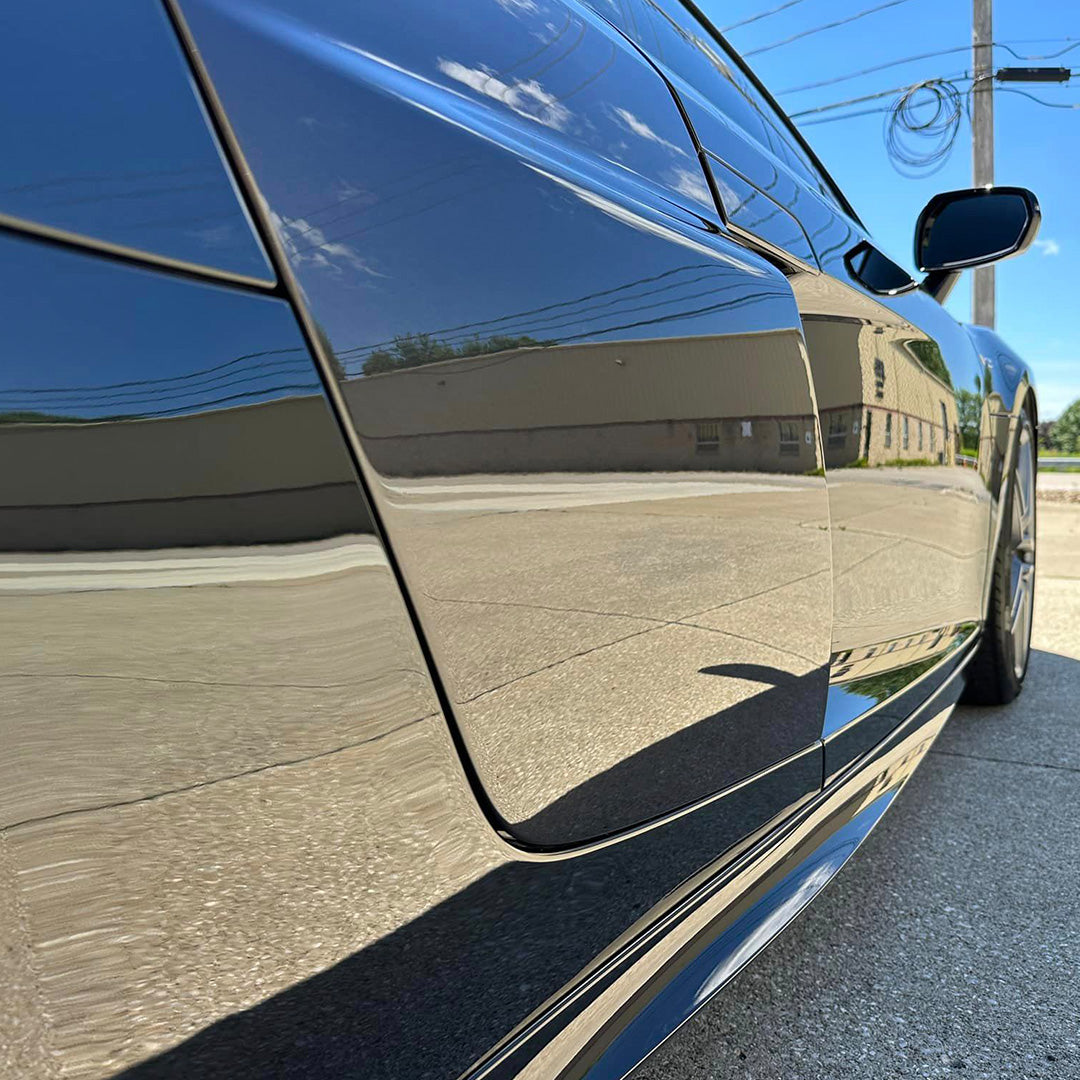
To remove sticker residue from car paint, first wash and inspect the area, then use a remover whose current directions cover your exact finish. Test an inconspicuous spot, follow that product's application and cleanup method, and stop if the paint changes or the adhesive does not release without force. Do not treat a recently repainted panel, vinyl wrap, or paint protection film as ordinary cured automotive paint.
This guide starts with the sticky material left after a sticker or tape has come off. Removing a brittle decal, an emblem, or a full vehicle wrap is a different job; do not turn this cleanup routine into a scraping, heating, or film-removal procedure. The goal is to remove the unwanted material while leaving the finish alone.
Check the surface before choosing an adhesive remover
Start by answering three questions: what is underneath the residue, what condition is it in, and what treatment is already on it? If you cannot answer them, photograph the area and ask the vehicle owner, installer, or body shop before opening a solvent. A small unknown area is still an unknown area.
Look for peeling clear coat, chips, cracks, lifted film edges, or evidence of a repair. Our recommendation is to leave those areas to the responsible repair or installation professional rather than testing removal methods on them. For a recent repaint, ask the painter when and how that specific finish can be cleaned; this guide does not supply a universal waiting period.
“Automotive” also needs a closer read. For example, 3M describes its Adhesive Remover as suitable for most cured automotive paints, not every coating in every condition. The same page labels that product for industrial or occupational use, not consumer sale or use, so it is not a blanket DIY shopping recommendation (3M use restrictions).
Keep paint protection film and wrap outside this generic paint procedure unless their manufacturers approve the exact product and method. Our paint protection film washing guide explains why product-specific care instructions matter. A paint-safe label does not, by itself, answer a film-compatibility question.
Wash first and identify what actually remains
Before spot treatment, use the vehicle's appropriate washing routine to remove loose dirt around the mark. Work where you can see the finish clearly, rinse as required, and dry with a clean paint-appropriate towel. Avoid diagnosing a sticky patch through a layer of dust or road grime.
Undrdog Soap is an option for a compatible exterior wash; its current directions call for complete soap-residue removal and drying with clean microfiber, with a warning against letting the washed surface dry in direct sunlight (application and safety instructions). Follow the product dilution and your vehicle's care requirements rather than making an extra-strong wash mixture for the glue.
Now inspect the mark from more than one angle. Use the following table as a decision aid, not a diagnosis from appearance alone. If the area does not clearly fit the first situation, avoid escalating the chemical or pressure simply because a sticker used to be there.
| What you see | Next step | Do not assume |
|---|---|---|
| Remaining sticky material on an identified, intact painted surface | Check a suitable adhesive remover's exact directions and test procedure. | Every solvent or household cleaner is equivalent. |
| Paper, vinyl, foam tape, or the decal itself is still attached | Identify the material and obtain its removal instructions. | A residue-wiping routine will remove the entire assembly. |
| A smooth outline remains but no obvious adhesive is lifting | Clean up the treatment and inspect; request a finish assessment if uncertain. | A visible outline proves that more glue remains. |
| Peeling, cracking, softening, or a lifted film edge | Stop and ask the repair shop or installer. | More rubbing will improve the condition. |
Do not use fingernail pressure, a blade, or a fingernail scratch test to settle the question. If identifying the residue would itself require damaging contact, you have reached a sensible stopping point. Keeping the problem small is more useful than proving that you can remove something.
Choose one product and read its complete instructions
A useful label check covers the intended residue, approved surfaces, excluded materials, application method, cleanup, and safety precautions. Read those sections before purchase or use, not after a problem appears. If the instructions for the cleaner and the surface conflict, stop and obtain clarification rather than choosing whichever statement is more convenient.
For a consumer automotive example, Goo Gone Automotive Spray Gel lists bumper stickers and automotive clear coat and requires an inconspicuous pretest. Its hard-surface directions specify application to the stain, a few minutes of working time, wiping with a clean white cloth, and cleaning the area with soap and water (manufacturer's directions).
Those directions belong to that named product. Do not borrow the dwell time from another remover, substitute a different Goo Gone formula, or extend the compatibility claim to an unknown finish. We are using this as a documented workflow example, not claiming an independent comparative test or guaranteeing a result on your car.
Protect adjacent materials by controlling where the product goes. The Automotive Spray Gel page warns that extended contact can break down rubber and lists additional excluded surfaces, so keep the job limited to the verified treatment area (surface restrictions and rubber warning). If the residue is right against a seal or an unidentified plastic component and you cannot control contact, ask for a more specific method.
Do not combine cleaners or add alcohol, water, or another solvent to create a homemade blend. Have the required cleanup materials ready before applying anything. Product selection is incomplete until you know how to remove the product itself.
Set up for safe, controlled spot treatment
Choose a cool work area with adequate ventilation and keep children and pets away. Read the current container label and the Safety Data Sheet that matches the product you have. If the container and online directions differ, contact the manufacturer before proceeding.
The SDS currently linked by Goo Gone for Automotive Spray Gel is revised May 19, 2014; it identifies a combustible liquid, skin-sensitization and aspiration hazards, and precautions concerning ignition sources, ventilation, gloves, and eye or face protection (manufacturer-linked SDS, Sections 2, 7, and 8). Its age is a reason to confirm applicability to your container, not to assume a new formula or ignore its warnings.
Our recommendation for this residue-cleanup workflow is simple: leave heat guns, hair dryers, flames, smoking, and powered abrasive tools out of it. This is not a heated decal-removal procedure. If a remaining sticker requires a different removal process, stop and arrange that process separately rather than adding heat to a solvent job.
Set out clean cloths and keep used ones separate. Plan for spills and disposal according to the product label, SDS, and local requirements; the linked Goo Gone SDS specifically says not to flush spills to sewers or let them enter waterways (spill-handling instructions). Do not assume a solvent-contaminated cloth belongs in your normal towel-laundry load.

Remove the residue without turning wiping into scraping
Test, clean up, and inspect the test area
Carry out the manufacturer's inconspicuous test on the actual finish you plan to treat, not a nearby piece of glass or a different panel material. Complete the specified cleanup before judging the result. Stop if the area changes appearance, becomes unexpectedly soft, or otherwise reacts; do not use a successful test to override an explicit surface exclusion.
Apply only within the verified method
For the named Automotive Spray Gel example, follow its apply, wait a few minutes, wipe, and soap-and-water cleanup sequence (current hard-surface method). Keep the treatment manageable enough that you can control contact and complete cleanup. Do not improvise an overnight soak, an unattended wet compress, or repeated applications without reassessing the result.
Use light, controlled wiping rather than bearing down on one stubborn point. Fold or replace the cloth as it becomes loaded, and keep the removed material away from the surrounding clean finish. If wiping is becoming scraping, pause; increasing force is not the next step in this guide.
Finish the cleanup before deciding what comes next
Remove the cleaner using its prescribed cleanup method, then dry and inspect the area again. The Automotive Spray Gel hard-surface directions call for soap and water after wiping (cleanup instructions). Do not confuse a wet, slick-looking area with a completed result.
If obvious residue remains and the surface looks unchanged, consult the product's instructions or support team about further treatment. If the mark is now smooth but still visible, stop treating it automatically as adhesive. A detailer can help distinguish remaining contamination from a finish issue without committing you to unnecessary polishing.
Keep adhesive removal separate from coating preparation
Removing a sticker does not automatically create a coating-ready panel. Finish cleaning, inspect the condition, and decide whether any protection or preparation work is actually needed. If the vehicle already has a coating, ask its installer or manufacturer about the permitted spot treatment and aftercare rather than assuming the cleaner either preserved or removed it completely.
Undrdog Wax & Grease Remover is positioned as a ready-to-use pre-coating surface-preparation solvent, and its detailed description includes adhesive residue among the materials it removes (current product details). That does not make it interchangeable with the consumer gel example or establish compatibility with every adhesive, finish, film, or surrounding component.
WGR's method uses a cool, dry surface in shade, a dampened lint-free microfiber or permitted light mist, straight overlapping passes, and an immediate separate dry wipe before the solvent flashes (WGR application directions). Do not apply the gel's dwell-and-wash sequence to WGR; they are different products with different procedures.
WGR's FAQ excludes rubber, unsealed plastics, vinyl wrap, and leather, while its safety directions require ventilation, avoidance of ignition sources, nitrile gloves, and eye protection (compatibility and safety instructions). Our Wax & Grease Remover preparation guide covers its place in a planned coating workflow. Do not buy a gallon of panel prep simply because a single old sticker needs assessment.
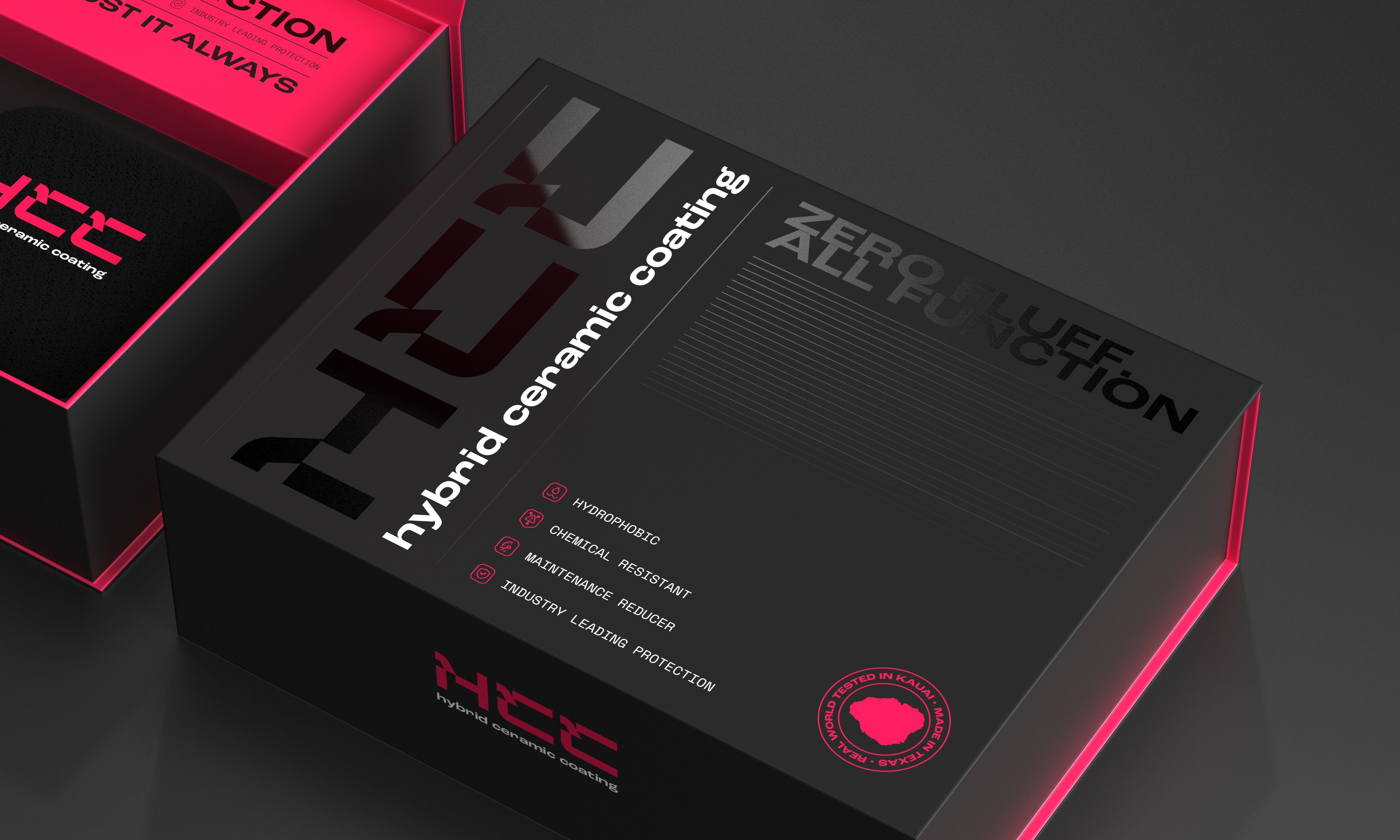
If a separate coating project is justified, HCC Hybrid Ceramic Coating is Undrdog's all-surface flagship for suitable applications on cars, boats, planes, and bicycles, with multi-year durability dependent on preparation, exposure, use, and maintenance (HCC product information). It is not an adhesive remover, a paint repair, or permission to skip the coating's current preparation and safety requirements.

Frequently asked questions
What is the safest way to remove sticker residue from car paint?
There is no single method guaranteed safe for every finish. Identify intact paint, choose a remover whose directions cover it, perform the prescribed pretest, and follow application and cleanup instructions. Stop if the finish reacts or the job requires force.
Can I use Goo Gone on car paint?
Goo Gone Automotive Spray Gel is labeled for automotive clear coat and requires an inconspicuous pretest, followed by its specified application and soap-and-water cleanup. That is not blanket approval for every Goo Gone formula, repaint, wrap, or film. Check the exact product directions and your surface requirements.
Can I use a razor blade or abrasive sponge on the residue?
We do not recommend either in this paint-residue workflow. Start with a compatible chemical-and-cloth method rather than scraping or abrasive correction. If the material will not release within the product's directions, ask a detailer to assess it.
Should I heat the area while using adhesive remover?
No heat step is part of this guide. The linked Automotive Spray Gel SDS warns against ignition sources and hot surfaces, so do not improvise a heated solvent procedure. Read the product's handling precautions and arrange separate professional advice for a difficult intact decal.
Can I use the same remover on paint protection film?
Only if the exact film and cleaner instructions permit that use. Compatibility with automotive paint does not establish film compatibility. Ask the installer when the film, finish, or treatment history is uncertain, and do not work a solvent into lifted edges.
Why is a sticker outline still visible after cleaning?
An outline alone does not prove adhesive remains. Finish the cleaner's prescribed cleanup, inspect the dry surface, and ask for an assessment if you cannot identify the mark. Do not keep adding solvent or start polishing solely because the old sticker's shape is visible.
Is Undrdog Wax & Grease Remover the same as adhesive gel?
No. WGR is a ready-to-use pre-coating prep solvent with its own surface restrictions, immediate two-cloth wipe method, and flammability precautions. Its listed adhesive-residue use does not make another remover's dwell time or wash-off routine applicable; follow the WGR directions.
Do I need a ceramic coating after removing a sticker?
Not automatically. Complete cleaning and inspection first, then determine the appropriate aftercare for the finish and any existing protection. Consider a new coating only as a separate, properly prepared project, not a way to cover remaining adhesive or unexplained damage.
Start with a proper wash, not a harder scrub
Review Undrdog Soap for compatible exterior washing before assessing the residue; use a separately verified remover when adhesive remains.
Shop Undrdog Soap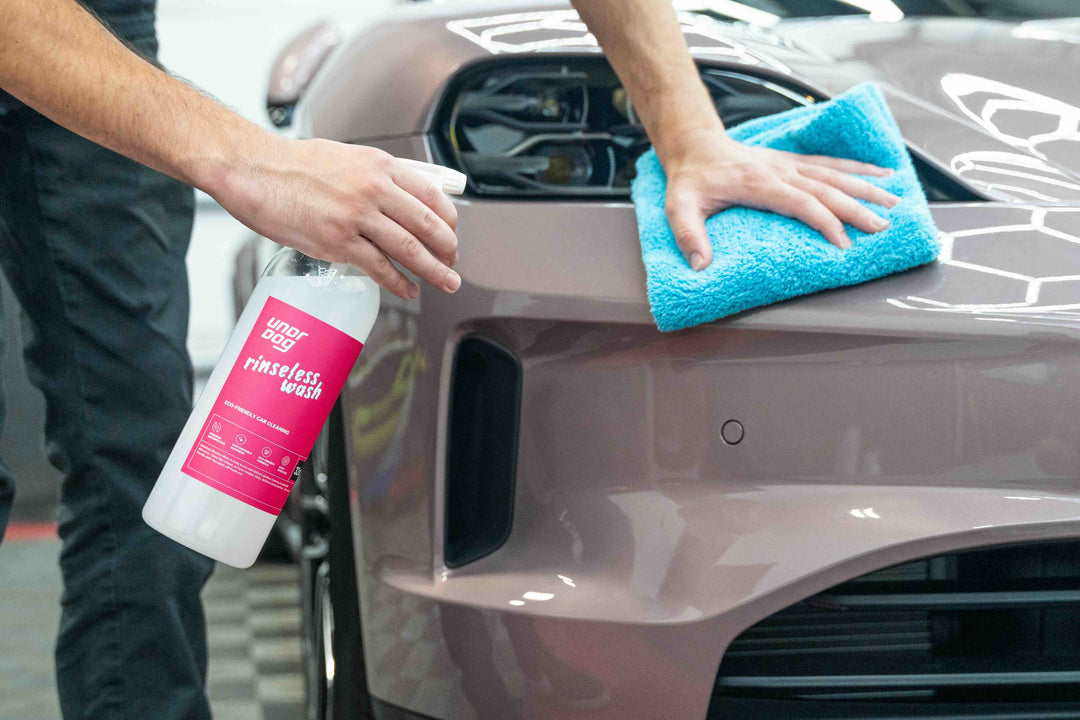

Leave a comment
This site is protected by hCaptcha and the hCaptcha Privacy Policy and Terms of Service apply.