

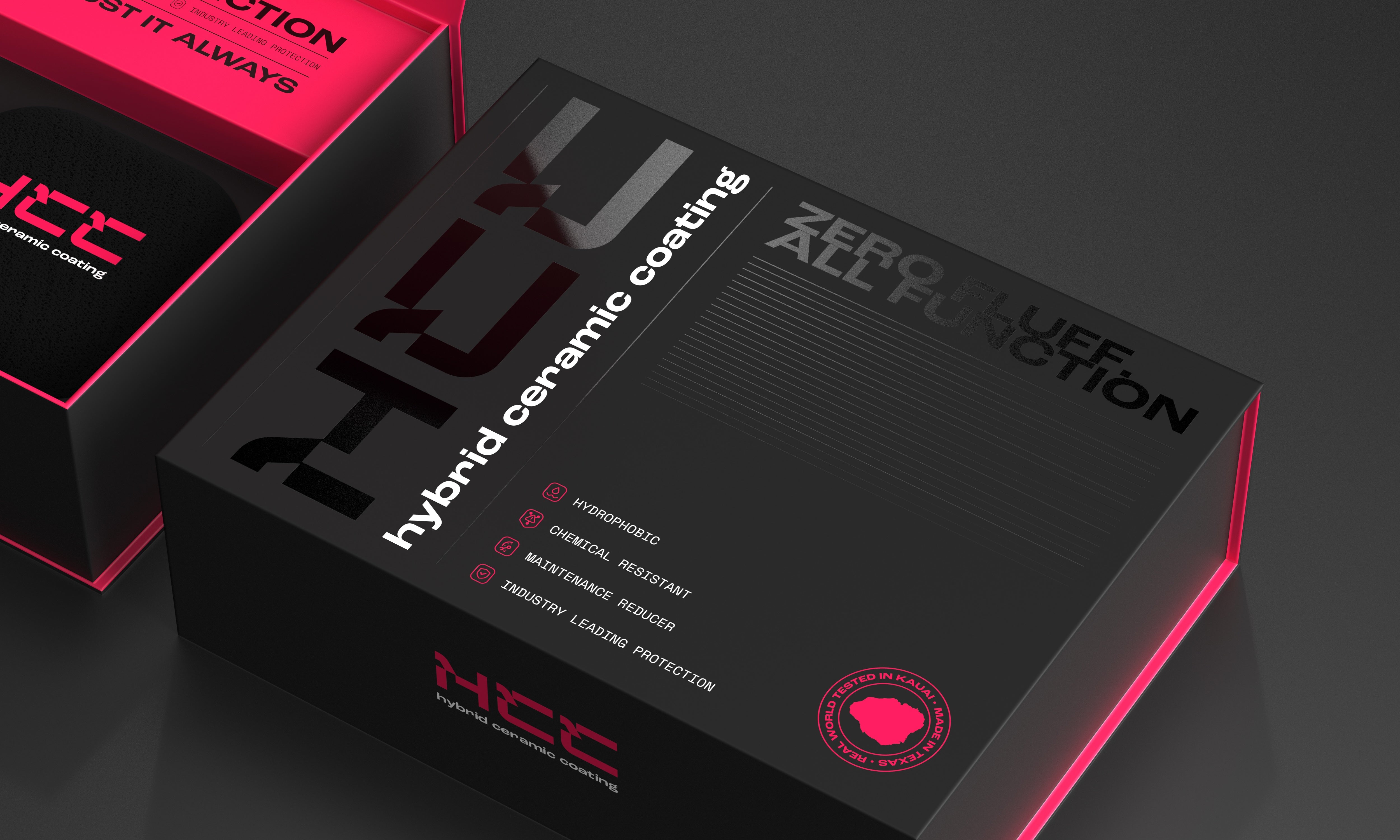
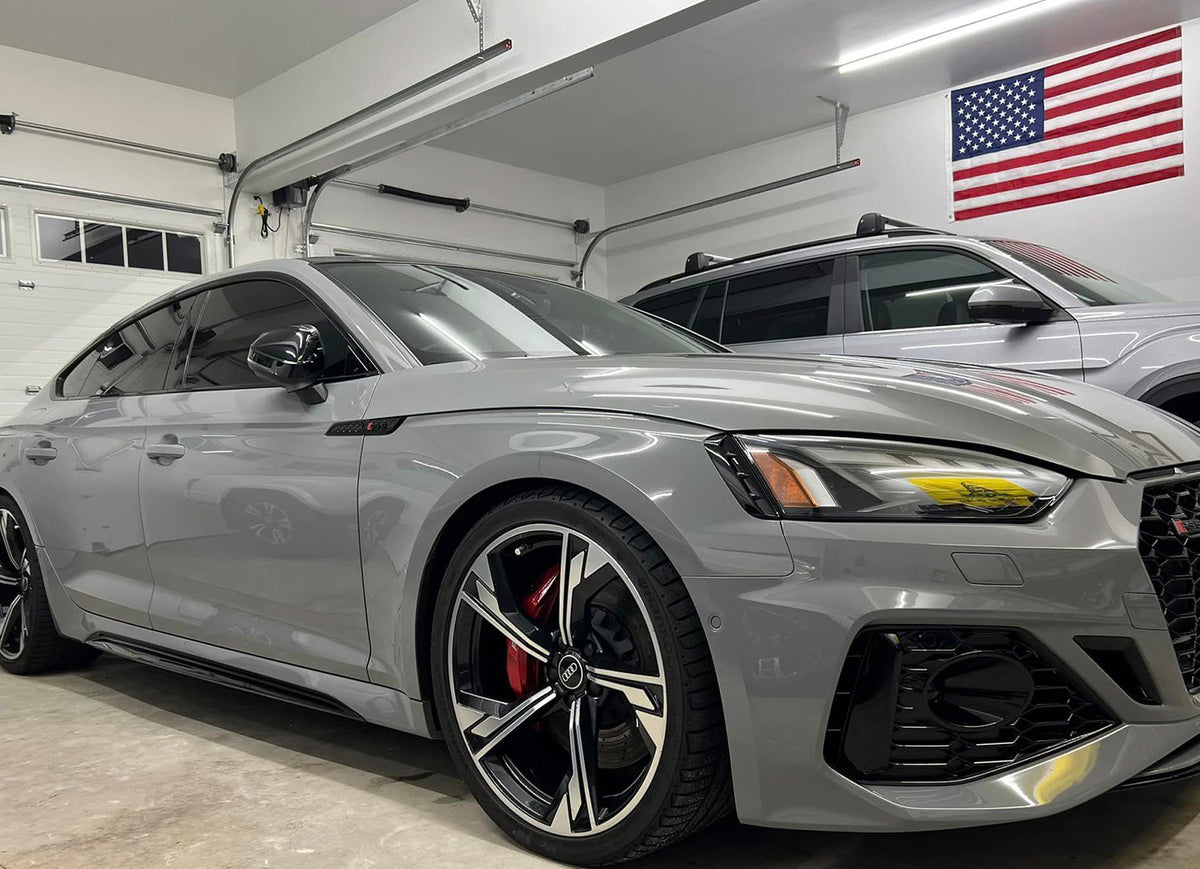
HCC and traditional paint sealant both protect paint, but they're not competing on the same timeline: sealants typically last weeks to months and need frequent reapplication, while a ceramic coating like HCC bonds into the surface and realistically holds strong protection for a couple of years. Sealant costs less per bottle; HCC costs less per year of actual protection once you factor in how often sealant needs redoing. Here's the honest breakdown of what you're actually paying for with each.

How Long Each One Actually Lasts
Sealant durability varies a lot depending on the formula and how the car is stored and driven. According to a breakdown of polymer paint sealant longevity, spray sealants applied for quick convenience typically last only 2 to 3 weeks before needing reapplication, while more durable polymer sealant waxes can last 4 to 6 months under good conditions. With proper application, the strongest traditional sealants can stretch to 6 months to a year — but that's the best-case scenario for a garage-kept car in a mild climate. Daily drivers in hot, humid, or coastal conditions are often looking at reapplication every 1 to 2 months just to keep protection meaningful.
A ceramic coating like HCC is built around a fundamentally different chemistry — it bonds to the surface rather than sitting as a topical layer, which is why it holds up over a much longer service life than any sealant, even the best ones, without requiring monthly reapplication. Our guide to how long ceramic coating actually lasts breaks down the specific variables that affect that lifespan.
HCC vs Sealant: Side-by-Side
| Factor | Traditional Sealant | HCC |
|---|---|---|
| Bonding type | Topical layer, sits on top of clear coat | Hybrid resin matrix, bonds into the surface |
| Typical durability | 2–3 weeks (spray) to 6–12 months (best-case polymer) | ~2–3 years with proper prep and maintenance |
| Reapplication frequency | Every 1–6 months depending on climate | Roughly annual or less |
| Upfront cost | Lower per bottle | Higher upfront, lower per year of protection |
| Application difficulty | Generally easier, more forgiving | Requires proper decon and prep sequence |
| Cross-surface use | Usually paint-only | Paint, gelcoat, metal, glass, PPF, vinyl |
The Real Cost Comparison
Sealant looks cheaper up front, and per-bottle it usually is. But cost per year of protection is what actually matters, and that math changes fast once you factor in how often sealant needs reapplying. A daily driver reapplying sealant every couple of months is buying that product 5 to 6 times a year, plus the labor time of doing it each time — prepping the surface, applying, buffing, waiting for cure. A single HCC application is a bigger upfront cost and time investment, but it's a once-a-year-or-less commitment rather than a recurring bi-monthly chore. We run the full numbers on this in our 12-month cost comparison of a coated versus uncoated daily driver.
Where Sealant Still Makes Sense
Sealant isn't obsolete. It's a reasonable choice if you want a quick gloss boost before selling a car, you're testing whether you like the maintenance habit of protecting your paint before committing to a coating, or you just want an easy topper between more serious protection cycles. It's also genuinely easier for a first-timer to apply with zero risk of high spots or streaking, since most sealants are far more forgiving than a coating during application.
Where a Coating Wins Outright
For anyone who drives daily, lives somewhere with real sun and weather exposure, or simply doesn't want protection on their calendar as a recurring task, a coating's longer service life is the deciding factor. It also tends to hold a stronger hydrophobic effect and better chemical resistance throughout its life compared to a sealant nearing the end of its shorter cycle. HCC's all-surface compatibility — working across paint, wheels, and other hard surfaces on cars, boats, planes, and even bicycle frames — also means you're not buying a separate product for each surface type the way you sometimes end up doing with sealants marketed narrowly for paint only.


A Simple Way to Decide
Ask yourself how much you actually enjoy detailing as a hobby versus how much you just want the car protected with minimal ongoing effort. If reapplying protection every couple of months sounds like a fun weekend ritual, sealant fits that lifestyle fine. If you'd rather do the work once properly and then focus on routine washing rather than reapplication, a coating is the better fit for your actual behavior, not just your budget on paper.
Frequently Asked Questions
Can I put sealant over a ceramic coating?
Generally not recommended as a regular practice — a coated surface doesn't need it, and layering unrelated chemistries can interfere with how each performs. Use a dedicated ceramic maintenance spray instead.
Is sealant less durable because it's lower quality?
Not necessarily — it's a different chemistry designed for shorter-term, lower-commitment protection. Some sealants perform very well within their expected lifespan; they're just not built for multi-year durability the way a coating is.
Does climate affect which one I should choose?
Yes. Hot, humid, or coastal climates degrade sealant faster, which shortens its already limited lifespan and increases the reapplication burden. That's exactly the environment where a coating's longer durability pays off the most.
Is sealant a good starter step before committing to a coating?
Yes — it's a low-risk way to experience the maintenance habit and see how you like keeping up with paint protection before investing in a full coating job.
Do both need the same decon prep before application?
Both benefit from a clean, decontaminated surface, but coatings are far less forgiving of skipped prep since the bond is more permanent. See our guide to the correct paint decon order before coating either way.
Can I apply sealant myself as easily as a coating?
Generally yes, and more easily — most sealants have a wider margin for error during application compared to a ceramic coating's tighter working window.
Which one is better for a car I'm about to sell?
Sealant is often the more practical short-term choice for a quick gloss boost before a sale, since you won't be the one benefiting from a coating's multi-year durability.
Cost per bottle is the wrong number to compare. Cost per year of actual protection — including your own time — tells the real story, and that's where HCC pulls ahead for most daily-driven vehicles.


Leave a comment
This site is protected by hCaptcha and the hCaptcha Privacy Policy and Terms of Service apply.