

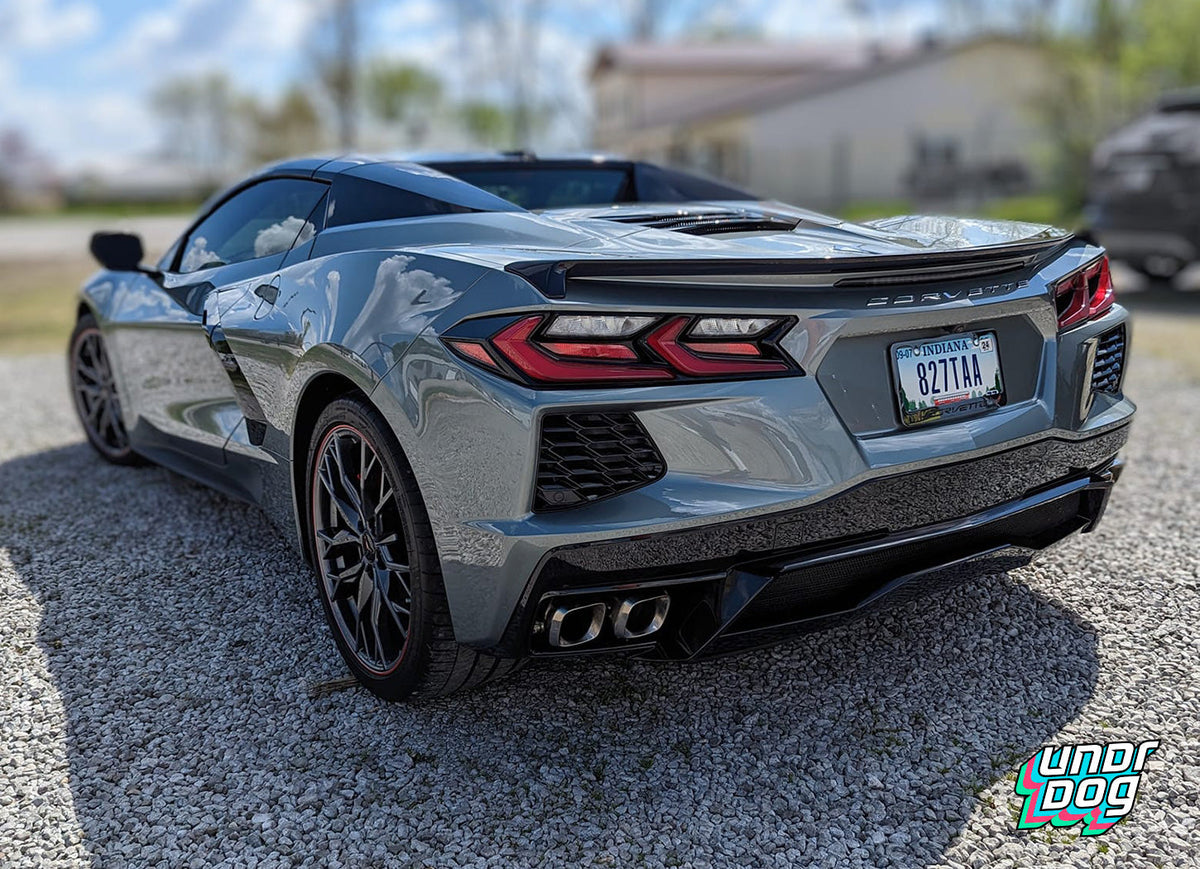
Over a 12-month span, a ceramic-coated daily driver typically costs less in total protection spend than an uncoated car relying on quarterly waxing — even though the coating's upfront cost is higher. Quarterly professional waxing runs roughly $600 to $800 a year indefinitely, while a professional ceramic coating installation ($800–$2,500 upfront) spreads into a lower per-year cost once you own the car for more than about a year. Add in the time savings from easier washing, and the math tilts further toward coating for anyone keeping their car long-term.

The Uncoated Route: What a Year Actually Costs
Multiple detailing cost breakdowns converge on a similar range for traditional paint protection. According to a cost-benefit analysis from Mikah's Auto Detailing, professional waxing every 3 months runs $150 to $200 per service, adding up to $600 to $800 a year, while paint sealant applied twice yearly runs another $400 to $600 annually if you're doing both. Even sticking to just one protection method, quarterly professional waxing alone puts you at roughly $600 to $800 per year, every year, indefinitely — plus the time spent scheduling and dropping off the car, or doing it yourself on a Saturday every few months.
That number doesn't include the extra washing an unprotected or lightly protected car typically needs, since dirt and contamination bond more aggressively to bare paint. Add in occasional paint correction to remove swirls or address embedded contamination, and the realistic annual spend for a daily driver kept looking good climbs well past the wax cost alone. Our comparison of ceramic coating, wax, and sealant breaks down where each protection method actually lands on cost versus durability.
The Coated Route: Front-Loaded, Then Mostly Flat
A professional ceramic coating installation typically runs somewhere between $800 and $2,500 depending on vehicle size and prep work required, with DIY options considerably cheaper — our DIY ceramic coating versus paying a detailer comparison covers that tradeoff in detail. That's a real upfront number, no question. But annualized across a multi-year service life, it compresses fast — a coating that holds up for several years with light annual maintenance spreads that upfront cost into a per-year figure that's frequently lower than what quarterly waxing costs in year one alone, before you've even reached year two of ownership.
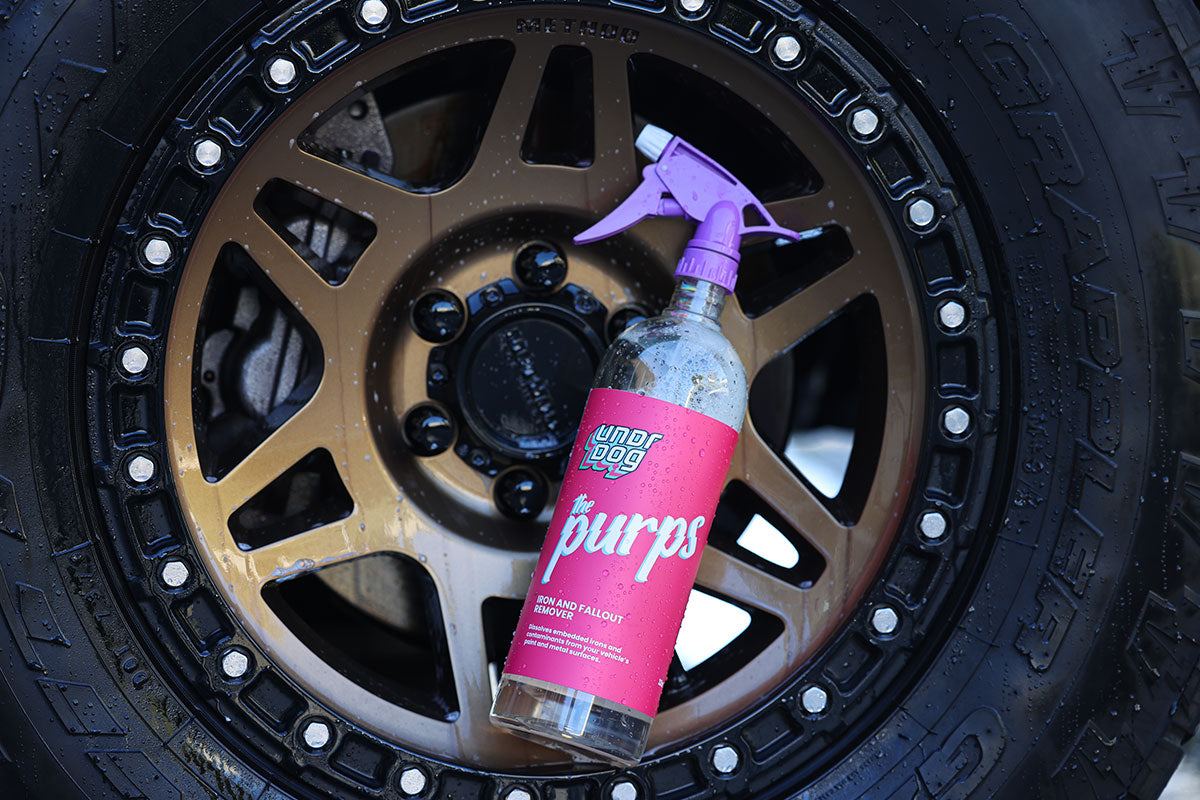
The ongoing cost on the coated side is mostly maintenance products and time: periodic washing with coating-safe soap, an occasional topper application with something like Quick Detail, and iron removal a few times a year with The Purps as part of normal upkeep. None of that approaches the recurring cost of professional wax or sealant reapplication.
12-Month Cost Snapshot
| Cost Category | Uncoated (Quarterly Wax) | Coated (HCC, Year 1) |
|---|---|---|
| Upfront application | $0 (pay-as-you-go) | $800–$2,500 professional install (or less DIY) |
| Annual protection cost | $600–$800/year, every year | Amortizes to a lower per-year figure by year 2+ |
| Maintenance products | Standard soap, occasional sealant | Coating-safe soap, topper spray, iron remover |
| Wash frequency (dusty/coastal) | Every 1–2 weeks to keep ahead of buildup | Can often stretch longer without looking neglected |
| Time cost | Recurring scheduling/reapplication every few months | Mostly routine washing after initial install |

Effort Is Part of the Real Cost
Dollar comparisons only tell half the story. A coated car is measurably easier to keep clean day to day — contamination bonds less aggressively, which means shorter wash times and less scrubbing. An uncoated daily driver in a dusty or coastal environment often needs washing every 1 to 2 weeks just to keep ahead of buildup, while a well-maintained coated car can often stretch that interval without looking neglected. If your time has any value to you at all, that reduced maintenance burden is a real, if harder-to-quantify, part of the annual cost equation.
Where the Math Tilts Back Toward Waxing
If you're planning to sell or trade the car within a year, or you genuinely enjoy the ritual of hand-waxing every few months as a hobby, the coating's multi-year value proposition doesn't fully apply to your situation — you're paying for years of protection you won't be around to use. Short ownership windows are the clearest case where traditional wax can be the more rational choice on paper, even though it costs more per year of actual protection delivered.
Running Your Own Numbers
The math depends heavily on three variables: how long you'll own the car, how harsh your climate is, and whether you value your own time. A simple way to run it yourself: take your expected ownership length in years, divide the coating's upfront cost by that number, and compare it to what quarterly waxing would cost you annually over the same window. For most owners keeping a car 2+ years, coating wins on pure dollars by year two and keeps widening the gap from there. For owners flipping cars every 12 months, the math is closer, and other factors — like resale gloss appeal — matter more than long-term durability.

The Bottom Line for Most Daily Drivers
For anyone keeping a car for several years, driving it daily, and wanting to spend less time on maintenance overall, a coating like HCC tends to win the 12-month and multi-year math simultaneously — a bigger check written once, against a string of smaller but more frequent checks that never stop as long as you own the car. And once it's applied, our guide on how to maintain a ceramic-coated car for maximum longevity covers how to actually protect that investment.
Frequently Asked Questions
Does a coating eliminate the need for washing entirely?
No. You still need to wash regularly — the coating just makes each wash faster and less abrasive, and stretches how long you can go between washes without the car looking neglected.
What if I only keep my car for a year or two?
Short ownership windows shift the math back toward traditional wax or sealant, since you're not around long enough to benefit from a coating's multi-year value curve. Factor your expected ownership length into the decision.
Is DIY coating a way to get the cost savings without the upfront hit?
DIY application costs significantly less than professional installation, though it takes more time and carries more risk of an uneven result if you're inexperienced. It's a reasonable way to lower the entry cost if you're comfortable with the prep and application process.
Does the cost math change in harsh climates?
Yes — hot, humid, coastal, or high-UV climates degrade wax and sealant faster, increasing reapplication frequency and cost, while a coating's longer durability holds up better under the same stress, widening its cost advantage.
What ongoing costs should I budget for a coated car?
Coating-safe soap for regular washes, an occasional hydrophobic topper spray, and periodic iron removal treatment. These are modest recurring costs compared to quarterly wax or sealant reapplication.
Does a coating increase resale value enough to offset its cost?
A well-maintained, coated exterior can help a car present better at resale or trade-in, but treat any resale bump as a bonus rather than the primary financial justification — the clearest ROI is in reduced maintenance cost and time over your ownership period.
How do I know if I'm a good candidate for coating versus wax?
If you plan to keep the car more than a year, drive daily, and want less time spent on protection upkeep, coating usually wins the math. If you're flipping the car soon or enjoy waxing as a hobby, wax remains a reasonable choice.
Run your own numbers based on how long you plan to keep the car, and the case for HCC gets stronger the longer that ownership window stretches.

Leave a comment
This site is protected by hCaptcha and the hCaptcha Privacy Policy and Terms of Service apply.