

Maintaining a ceramic-coated car for maximum longevity comes down to consistent, gentle washing (not aggressive scrubbing), using pH-neutral products, watching for early signs of fade like water sheeting instead of beading, and doing periodic deeper decon rather than ignoring the surface for months. Getting a coating applied is the easy part — what you do afterward determines whether you get one so-so year out of it or several years of strong performance.

Wash Cadence Matters More Than Wash Intensity
A coated car doesn't need aggressive scrubbing — the whole point of the coating is that dirt and grime don't bond as aggressively in the first place. What it does need is consistency. According to a 2026 ceramic coating maintenance guide from Ethos Car Care, a reasonable cadence is a weekly wash with a ceramic-safe product, monthly spot decontamination if needed, and a quarterly deeper maintenance pass that includes inspecting for water spot etching and refreshing the hydrophobic layer. Skipping washes for months because "the coating protects it anyway" just gives contamination more time to sit and bond, which works against the coating rather than testing its limits fairly.
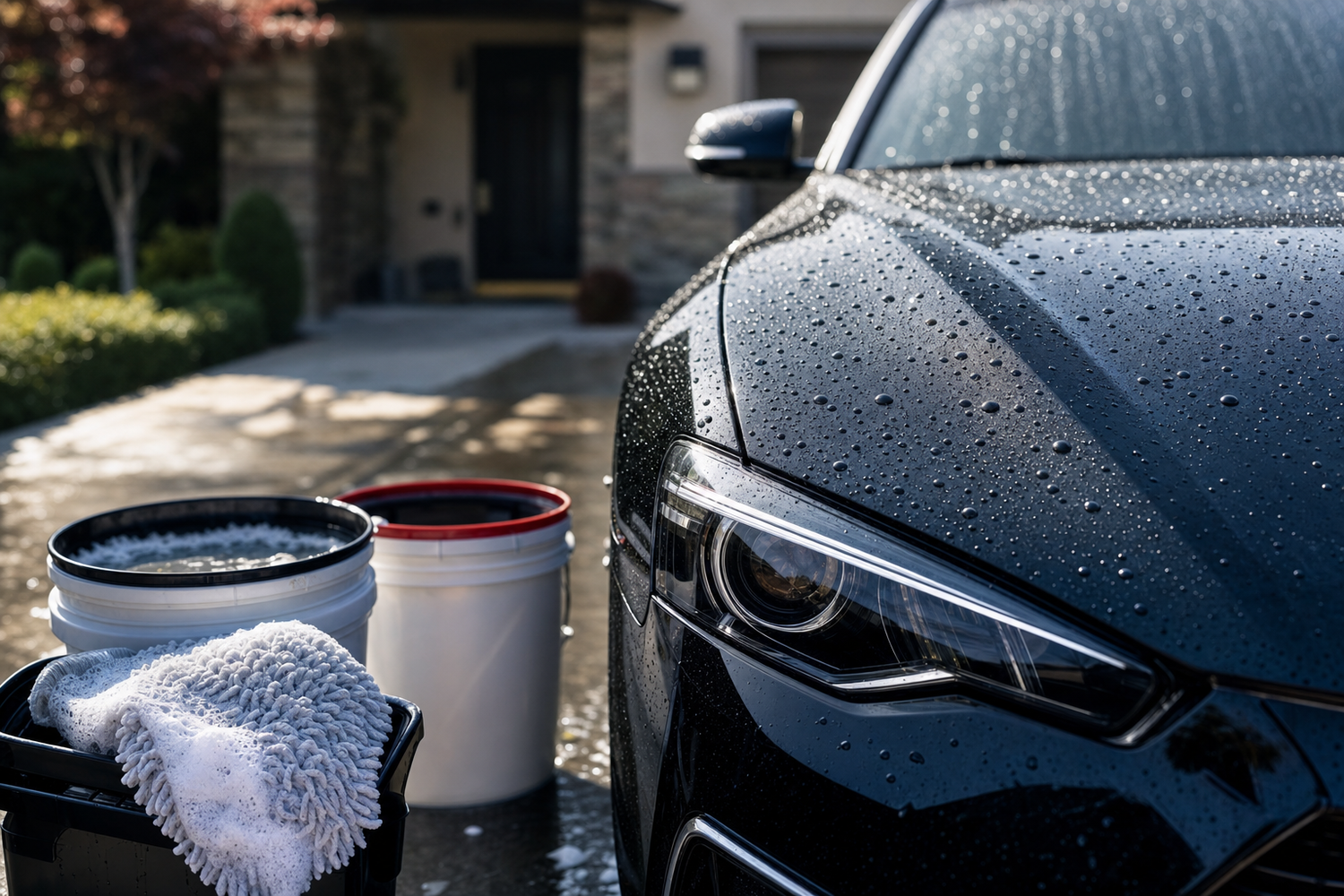
Stick to a two-bucket method with grit guards or a proper rinseless wash using a pH-neutral soap. The soap's pH matters here — cleaners on the extreme ends of the pH scale accelerate coating degradation, so staying in a moderate, coating-safe range protects your investment every time you wash. Our guide to washing your car without scratching it covers proper two-bucket and rinseless technique in more detail.
Chemistry: What to Avoid
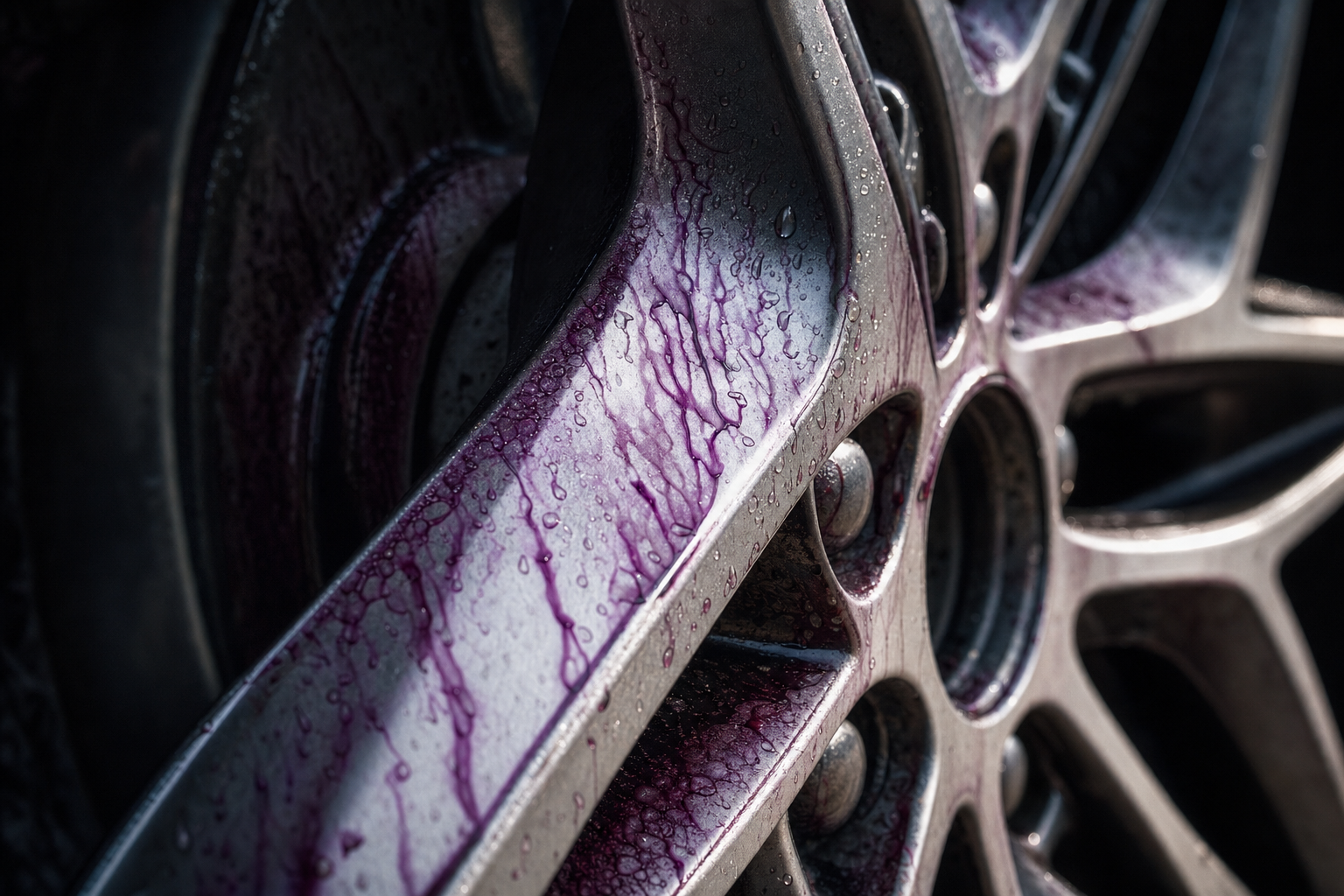
Not every car wash product is coating-friendly. Strongly acidic wheel cleaners, aggressive degreasers, and dish soap (a surprisingly common bad habit) all strip hydrophobic properties faster than normal washing would. If you need to tackle heavier contamination like iron fallout, use a dedicated product such as The Purps rather than reaching for something harsh and general-purpose. Spot-treating contamination properly is safer for the coating than blasting the whole panel with something not designed for coated surfaces.
Toppers and Maintenance Sprays: When They Help
Ceramic coatings degrade gradually rather than failing all at once, and periodic maintenance products help slow that curve. A Quick Detail spray used every few weeks adds a light refresh layer that reinforces beading and slickness between full maintenance sessions, without requiring a new full coating application. Think of it as topping off rather than reapplying — it buys time and keeps performance consistent, but it isn't a replacement for the base coating itself once that coating has genuinely reached the end of its service life.

Watch for the Early Signs of Fade
| Sign | What It Means |
|---|---|
| Water sheeting instead of beading | Surface tension dropping — early fade indicator |
| Slower drying times | Coated panels normally dry faster; slower drying signals wear |
| Dirt sticking more readily | Anti-static, anti-bonding properties wearing thin |
None of these mean the coating has failed outright — they're cues to add a topper spray or start planning your next full decon-and-recoat cycle rather than waiting until the paint looks visibly dull.
Don't Skip the Occasional Deep Clean
Even a well-maintained coated surface benefits from a periodic deeper decon — clay or chemical treatment on any panel that feels rough to the touch, followed by a maintenance topper. This isn't the same as full paint correction; it's targeted upkeep that catches embedded contamination before it compounds into something that needs a full recoat sooner than necessary. If you're weighing whether that next recoat is worth it versus just keeping up wax, our 12-month cost comparison of ceramic-coated versus uncoated cars lays out the real numbers.

Frequently Asked Questions
How often should I wash a ceramic-coated car?
Weekly is a reasonable baseline for most daily drivers, with lighter rinseless washes acceptable in between if you're keeping up with a fuller wash regularly. The goal is consistency, not intensity.
Do I need special products, or will any car soap work?
Use pH-neutral, coating-safe products. Harsh degreasers, strongly acidic cleaners, and dish soap can strip hydrophobic performance faster than normal wear would.
How do I know when it's time to recoat instead of just topping up?
If a topper spray only restores beading for a few days instead of weeks, or if water sheets rather than beads even right after a maintenance wash, that's a sign the base coating has faded enough to warrant a full decon and reapplication.
Can I use a pressure washer on a coated car?
Yes, at a reasonable distance and pressure — it can actually help rinse contamination effectively. Avoid pointing high-pressure water directly at panel edges or trim for extended periods.
Does hot weather affect coating maintenance?
Wash in the shade or cooler parts of the day when possible — soap and water drying too fast in direct sun can leave water spots and residue that are avoidable with better timing.
Is a ceramic topper spray the same thing as reapplying the coating?
No. A topper refreshes surface-level hydrophobic performance temporarily; it doesn't rebuild the underlying bonded layer. Full reapplication requires proper decon and a fresh coating application.
What's the biggest maintenance mistake coated car owners make?
Assuming the coating means they can skip washing for extended periods. Coatings reduce how aggressively contamination bonds — they don't eliminate the need for regular cleaning.
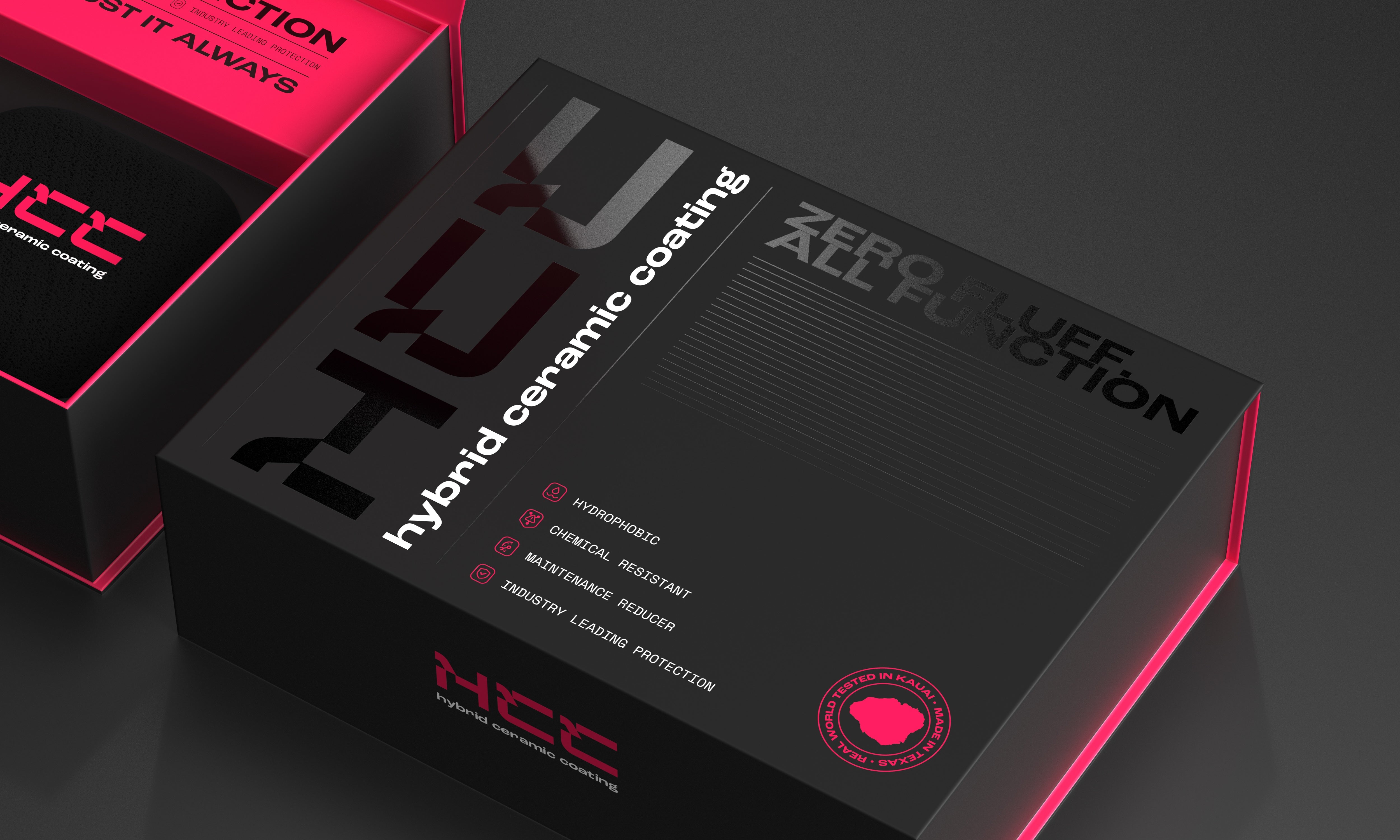
A coating like HCC rewards consistent, low-effort maintenance far more than it rewards being ignored for months and then aggressively scrubbed. Build the habit, and the coating holds up the way it's supposed to.

Leave a comment
This site is protected by hCaptcha and the hCaptcha Privacy Policy and Terms of Service apply.