
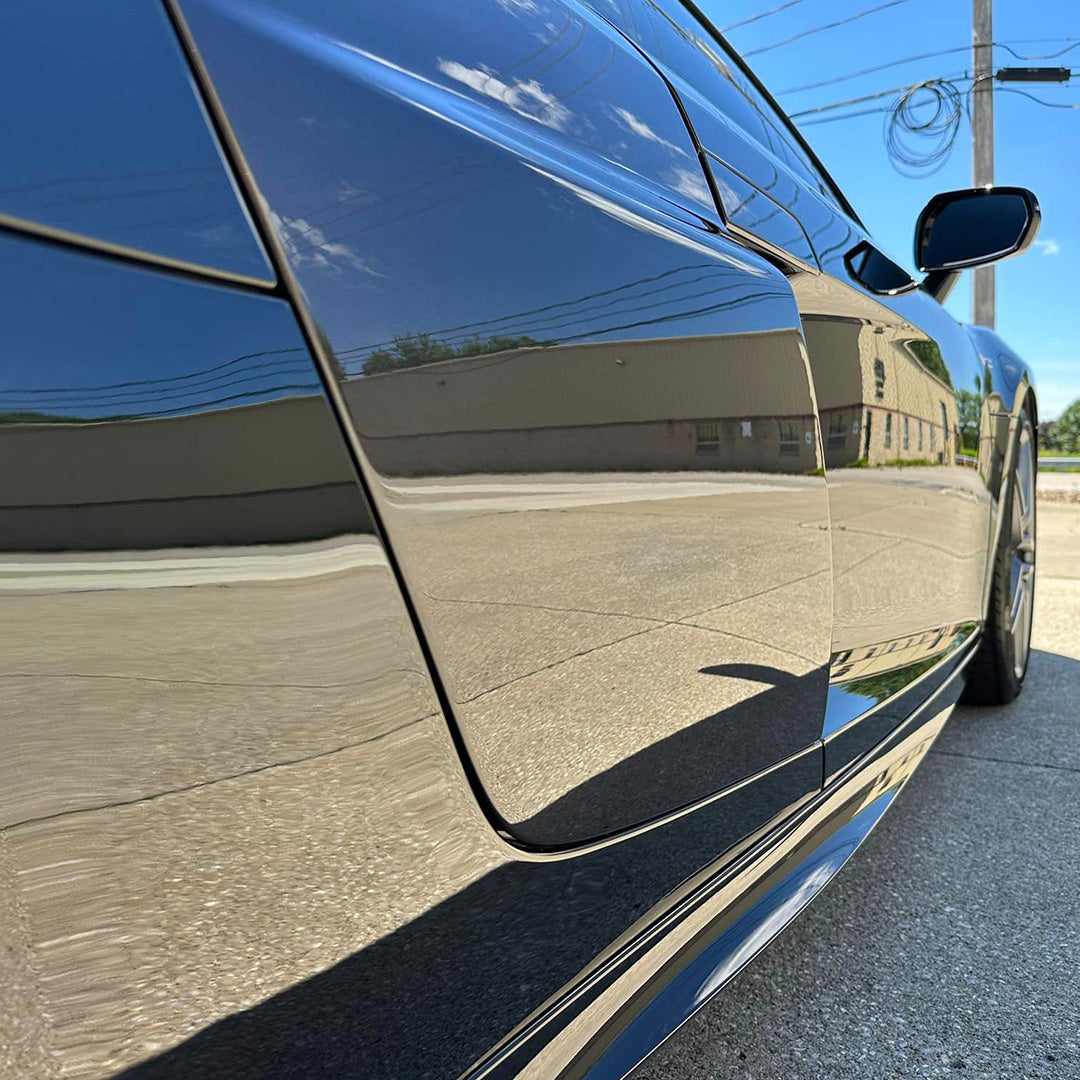
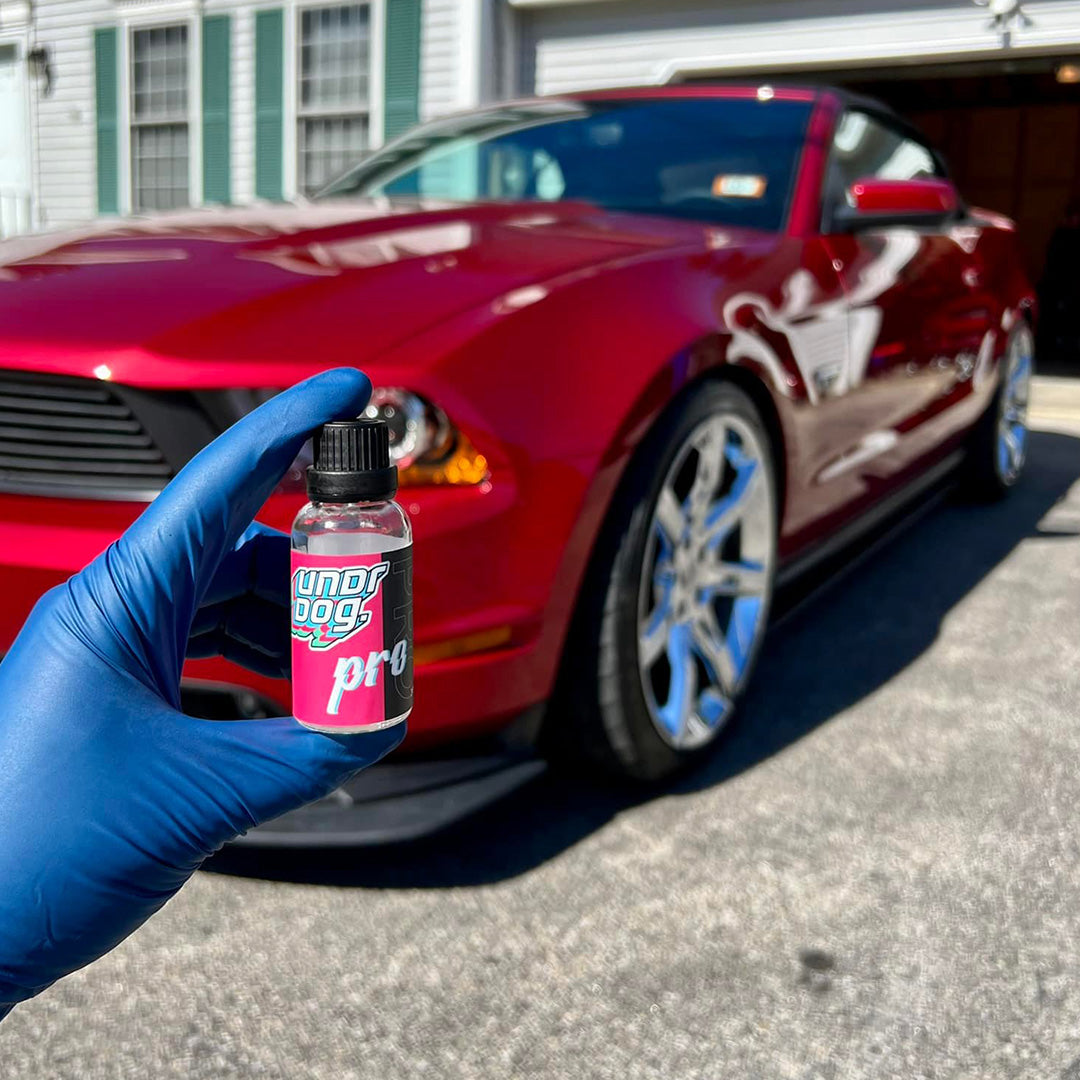
This stuff is great … wipes off with zero residue … just what is needed for a ceramic coating prep
buzzwords
Self-Healing Ceramic Coating: What Actually Recovers?
Self-healing is a claim to define, not a promise to generalize. Learn to distinguish coating recovery from film compatibility and paint repair, identify the conditions and measurements that matter,...
Hydrophobic vs Oleophobic: What Coating Claims Mean
Hydrophobic and oleophobic describe different liquid interactions. Learn why water beads are not proof of oil repellency, how to read a contact-angle result, and which evidence to request before ch...
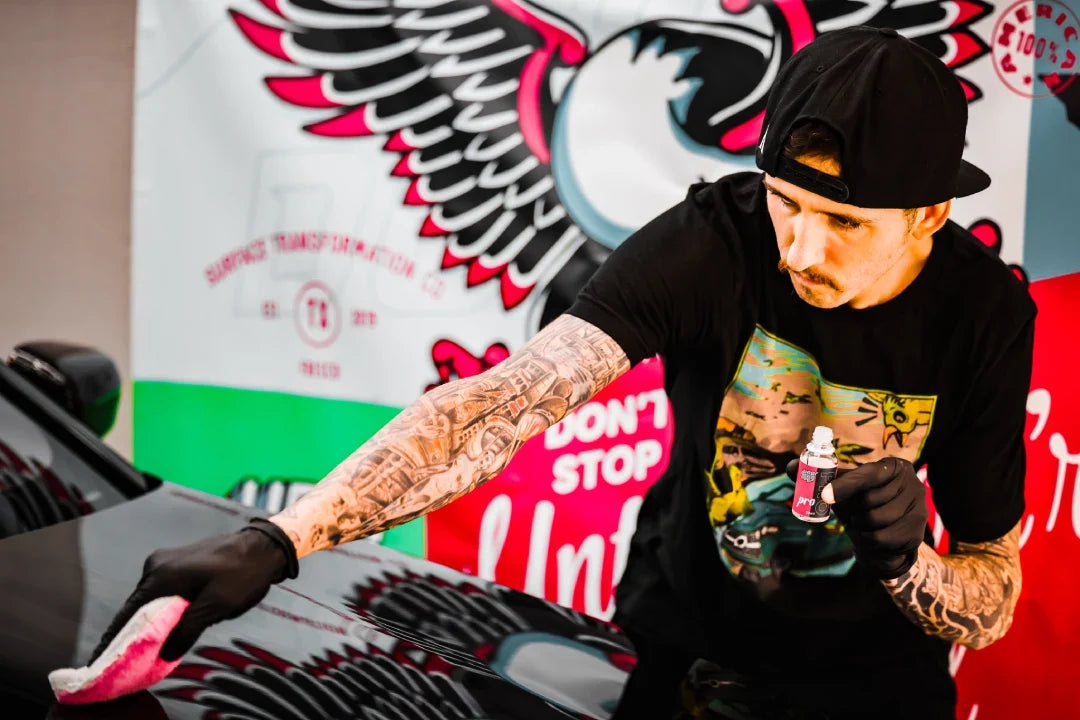
Nano Ceramic Coating: What the Word Actually Tells You
Nano describes a scale, not a protection score. Learn what to ask about a coating's nanoscale features, why particle size is not film thickness, and which evidence belongs to the actual product.
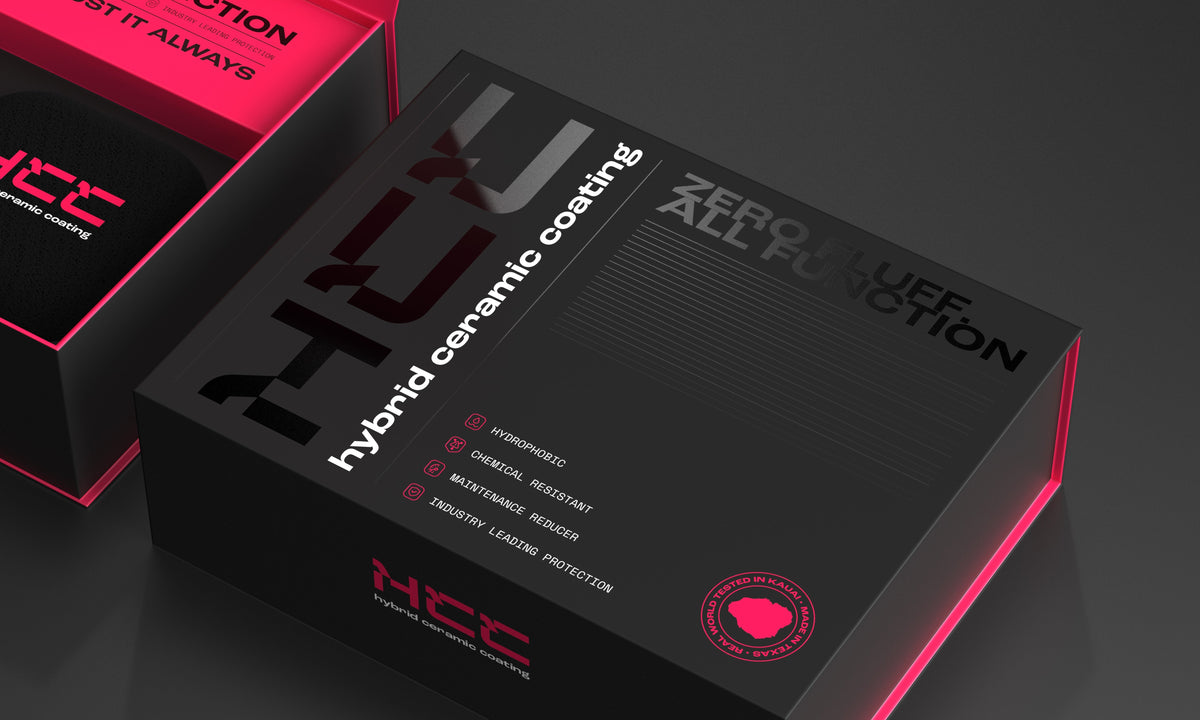
Ceramic Coating Solids Content: What the Number Means
A solids percentage is a measurement, not a protection score. Learn how weight and volume bases differ, what test conditions change, and which questions make coating comparisons useful.
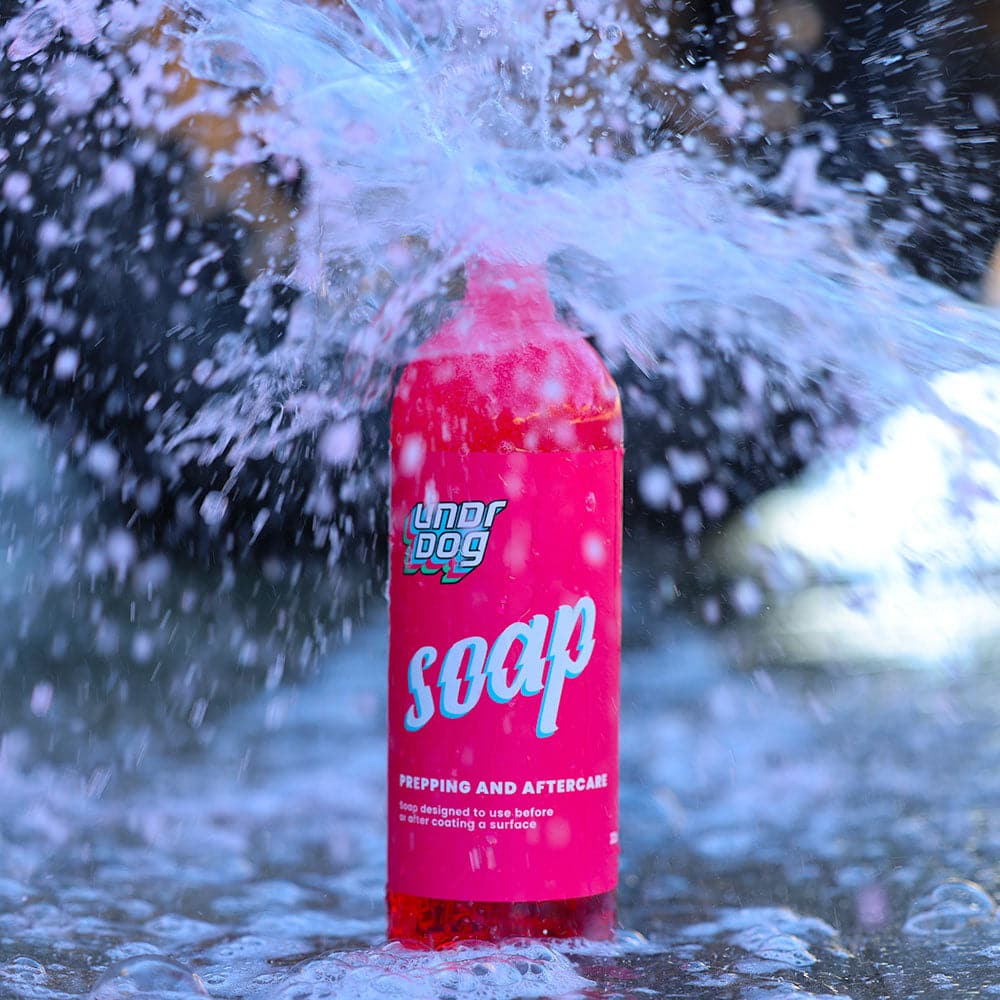
pH-Neutral Soap vs pH-Resistant Coating: Know the Difference
A pH-neutral soap is a routine maintenance choice, not a blanket chemical-compatibility guarantee. This guide separates cleaner descriptions from coating-resistance claims and gives a practical pro...
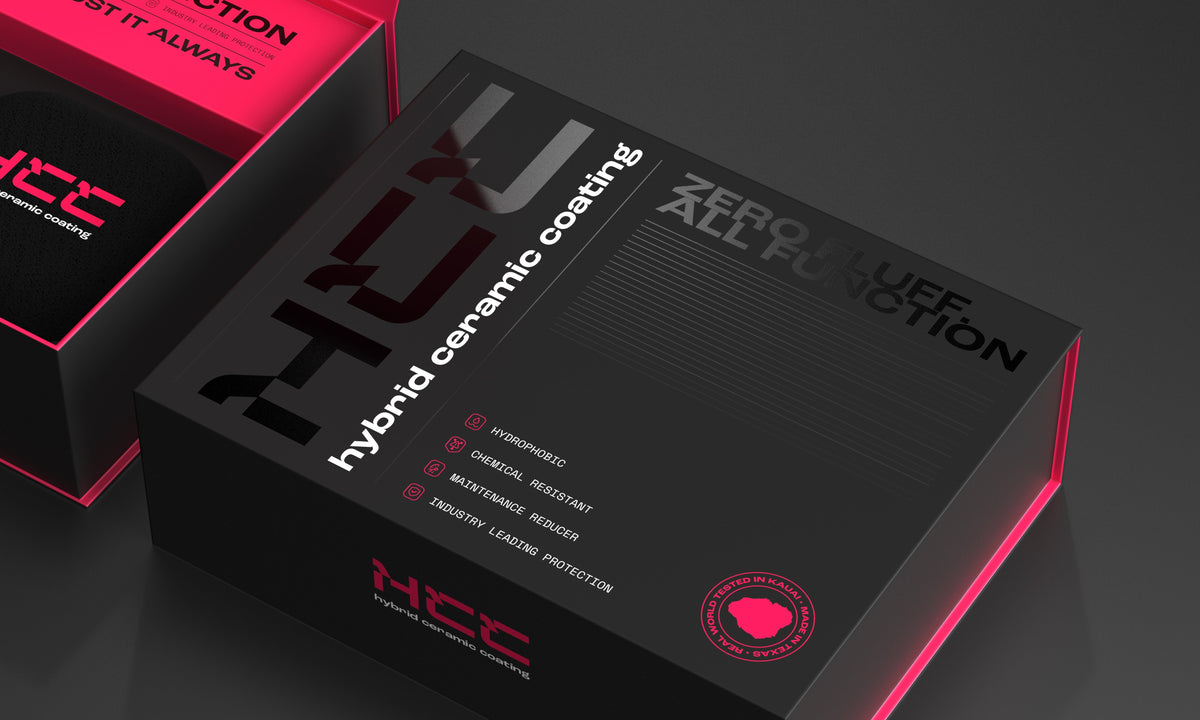
9H Ceramic Coating: Hardness Is Not Rock-Chip Protection
A 9H label can describe a pencil-hardness result, but that result does not establish impact or rock-chip resistance. Learn how to evaluate the test, avoid destructive testing on customer paint, and...

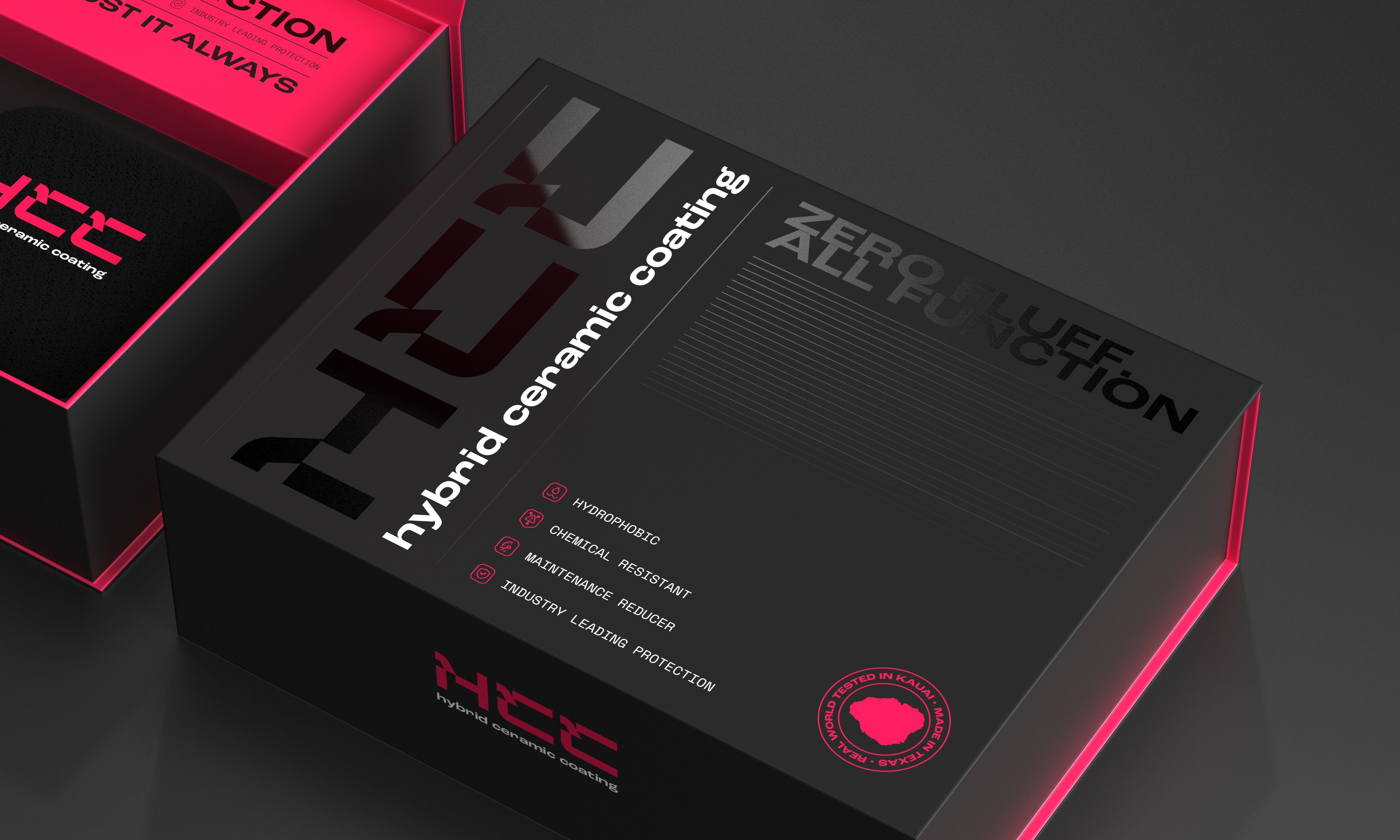
"Hybrid ceramic coating" appears on $15 spray waxes and hand-leveled professional coatings alike. Here is what the word technically means, what it leaves out, and the questions that separate chemis...