

Ceramic coating cure time runs in three stages: a flash cure that sets the surface within 1–5 minutes per panel, an initial cure of 12–24 hours where the coating is dry to the touch but too fragile for water, and a full cure of 5–7 days where hardness, gloss, and hydrophobic performance reach their peak. Water contact is the single most important restriction: avoid any water — rain, sprinklers, dew, washing, pressure spray — for at least the first 24 hours on wipe-on ceramics, and don't do a real wash for 7 days.
This guide breaks down exactly how long ceramic coating takes to cure at each stage, what the coating is chemically doing during each phase, how temperature and humidity change your timeline, the mistakes that ruin a fresh coating before it hardens, and how to protect the vehicle during the cure without undoing your work.

The Three Stages of Ceramic Coating Cure Time
Ceramic coating doesn't cure in one moment — it goes through distinct chemical phases, and each one has different rules about what you can and can't do. Understanding the phases is the difference between a coating that lasts years and one that gets stripped in the first month. If you're new to how ceramic coatings actually work chemically, our ceramic coating basics guide covers the SiO2 chemistry underneath everything below.
Stage 1: Flash Cure (1–5 Minutes Per Panel)
The instant you apply ceramic coating to the paint, the solvents start evaporating. That's the "flash" — the visible rainbow-hazy sheen that develops on the panel within a minute or two. This is your cue to level the coating with a fresh microfiber before it hardens beyond removability. If you wait past the flash window, you're wiping cured coating instead of leveling it, and you'll get high spots — thick streaks that harden into visible lines you'll have to polish out and recoat.
Flash time depends on the product, the temperature, and the humidity. Warmer, drier conditions flash faster. Cooler, more humid conditions flash slower. This is why every ceramic coating instruction sheet tells you to work one panel at a time, one section at a time — flash cure waits for no one.
Stage 2: Initial Cure (12–24 Hours)
Once you've leveled the last panel, the initial cure begins. The coating goes from wet to dry-to-the-touch within a few hours, but that surface hardness is deceptive. Chemically, the polysilazane and silica precursors in the coating are still reacting with moisture in the air to form the crosslinked SiO2 (silicon dioxide) network that gives ceramic its durability. That reaction is what makes ceramic coating work, and it needs to finish undisturbed.
Ceramic coating chemistry requires moisture from the air to complete crosslinking — but too much water on the surface at once disrupts the reaction. Rain drops, sprinkler spray, or dew sitting on a half-cured coating leaves permanent water spots or streak marks etched into the coating layer. You do not get those out by washing. You have to polish or level them off and recoat.
During the initial cure, avoid:
- Any water contact — rain, sprinklers, dew, garden hose, pressure washer
- Washing the vehicle
- Driving in rain or through puddles if possible
- Bird droppings, tree sap, or leaf debris landing and sitting
- Touching the panels with hands or towels
- Dust settling in still air
Stage 3: Full Cure (5–7 Days)
By 24–48 hours the coating is hard enough to handle carefully, but hydrophobic performance, gloss depth, and scratch resistance are still climbing. Full cure — where all the crosslinking finishes and the coating reaches its peak hardness and water repellency — usually takes 5 to 7 days for wipe-on ceramics under normal conditions.
You can drive the vehicle during this window. You should not do a real wash. If the car gets dirty, use a waterless or rinseless detailer and light pressure until the full cure completes.
Ceramic Coating Cure Time: Full Timeline at a Glance
| Stage | Timeframe | What's Happening | What to Avoid |
|---|---|---|---|
| Flash cure | 1–5 min per panel | Solvents evaporate; surface sets enough to level | Waiting past the flash window before wiping |
| Initial cure | 0–24 hours | Surface hardens, chemical crosslinking accelerates | Any water, rain, dew, washing, touching |
| Touch cure | 24–48 hours | Hard enough to handle carefully | Washing, pressure water, bird droppings |
| Functional cure | 2–7 days | Hydrophobic performance and hardness climb to peak | Real washing, automatic car washes, harsh chemicals |
| Full cure | 5–7 days | Coating reaches peak durability, gloss, and water repellency | Nothing — coating is fully protective |
How Temperature and Humidity Change Ceramic Cure Time
Ceramic coating cure time is not fixed — it's an environmental reaction. Get the environment wrong and you either flash the coating so fast you can't level it, or slow the cure so much the surface stays vulnerable for days longer than it should.
Ideal Application Window
- Temperature: 60–80°F (15–27°C) is the sweet spot for most consumer ceramic coatings
- Humidity: 30–60% relative humidity
- Surface temperature: Cool to the touch — never apply to a hot panel in direct sun
- Dew point: Well above the surface temperature so moisture won't condense on the coating during the initial cure
According to the temperature and humidity cheat sheet used by mobile detailers, high heat accelerates the solvent flash and shortens your leveling window dramatically — sometimes down to under a minute. High humidity slows the visible flash but drives faster crosslinking, so the coating skins over before the solvents finish evaporating, trapping haze underneath.
What Happens in Bad Conditions
Too hot (over 85°F): Coating flashes in seconds. You'll get high spots, streaks, and hazing you can't level. Move the car indoors or wait for cooler weather.
Too cold (under 50°F): Crosslinking slows dramatically. Full cure can stretch to 10–14 days. The coating stays vulnerable much longer.
Too humid (over 70%): Coating skins over the top before the interior finishes reacting. You get soft, hazy coatings that don't bond fully to the paint.
Too dry (under 20%): Not enough atmospheric moisture to drive the crosslinking. Cure slows and hardness suffers.
Dew point issues: If the surface temperature drops below the dew point overnight (common in the first 24 hours of curing outdoors), moisture condenses on the fresh coating and leaves water marks that cure into the coating itself.

Why Water Ruins Fresh Ceramic Coating
The chemistry answer: your fresh coating needs a specific, gradual amount of atmospheric moisture to complete crosslinking. Getting hit with rain, sprinkler spray, or a garden hose while the coating is still curing is like adding a gallon of water to a recipe that called for a teaspoon.
What you see on the surface: water sits on the semi-cured coating, evaporates in a random pattern, and leaves mineral deposits or etched water spots that are now permanently locked into the coating layer. Because the coating hasn't fully hardened, those spots aren't sitting on top of the coating — they're part of the coating structure now. Washing doesn't remove them. Neither does a decontamination wash. Fixing water spots on a semi-cured ceramic almost always means light polishing or leveling to remove the marked coating layer, then reapplying.
This is why every ceramic coating instruction sheet lists water contact as the number-one restriction during initial cure. Keep the vehicle out of the rain. Cover it if you can't garage it. Don't wash it. Don't rinse it. If it has to sit outside, watch the weather forecast obsessively for the first 24–48 hours.
Spray vs Wipe-On Ceramic Cure Times
Spray-applied ceramic coatings and traditional wipe-on ceramic coatings cure on different timelines because they're chemically different products. Spray ceramics use lower-percentage SiO2 formulations designed for faster cure and easier application, and their trade-off is shorter durability. Wipe-on ceramics use higher-percentage formulations and take longer to cure but last much longer.
| Cure Milestone | Wipe-On Ceramic (e.g. HCC) | Spray Ceramic Booster |
|---|---|---|
| Flash time per panel | 1–5 minutes | Immediate wipe-in |
| Water contact safe | After 24 hours | After 2–4 hours |
| Initial cure | 12–24 hours | 2–4 hours |
| Full cure | 5–7 days | 12–24 hours |
| Typical durability | 1–5 years | 3–6 months |
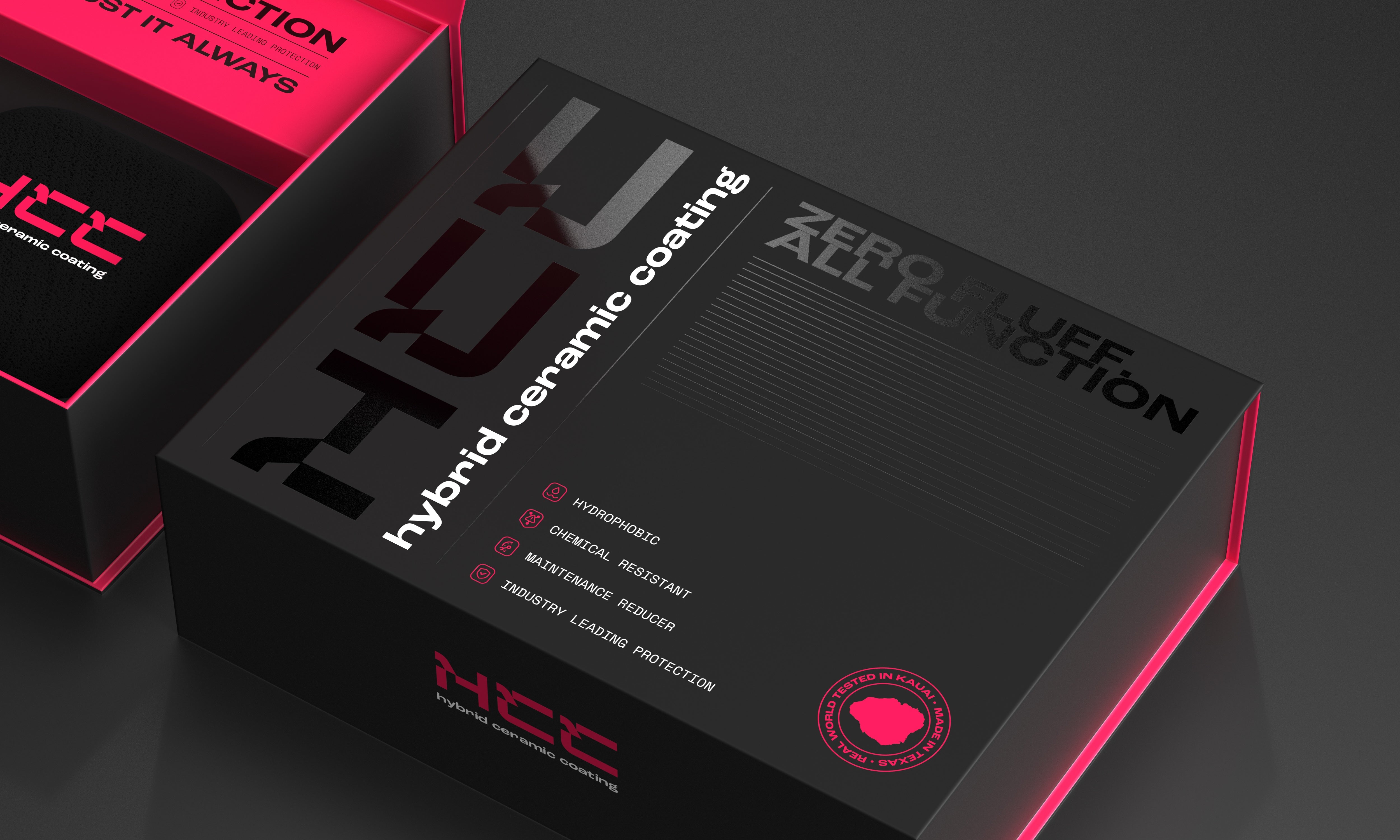
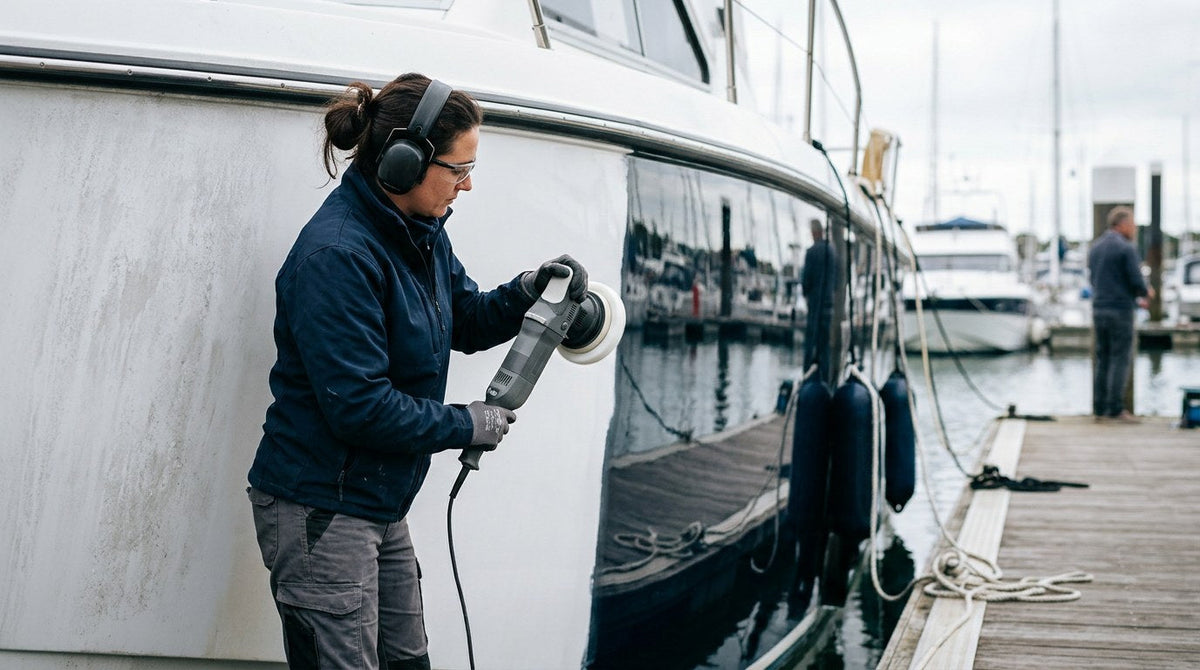
Both have a place. A wipe-on ceramic like HCC (Hybrid Ceramic Coating) is Undrdog's flagship all-surface coating for cars, boats, planes, and bicycles — it's the durable base layer you apply once. A spray ceramic like a hydrophobic detail spray is a fast, forgiving refresher you can layer on top or use between full coatings. If you want longer per-application durability, Undrdog Pro and Pro Plus are the pro-tier ceramics that extend the lifespan window at the cost of slightly stricter application conditions.
Ceramic Coating Cure Time by Product Type
Different ceramic coating chemistries have meaningfully different cure schedules. Match your expectations to your product.
Consumer DIY Hybrid Ceramic (SiO2 + Polymer Blend)
Products like HCC blend SiO2 with a polymer carrier for easier DIY application. Typical timeline: flash 1–5 min, initial cure 12 hours, water-safe at 24 hours, full cure 5–7 days. This is the mainstream consumer window and the most forgiving to apply.
Pro-Grade Wipe-On Ceramic
Higher-percentage SiO2 or polysilazane formulations designed for professional installers. Cure windows are similar (12–24 hour water avoidance, 5–7 day full cure), but the flash windows can be shorter and application requires more controlled conditions. Undrdog Pro and Pro Plus fall in this category.
Spray Ceramic and Ceramic Boosters
Fast-curing formulations meant to be applied often. 2–4 hour water avoidance, 12–24 hour full cure. Lower durability, but much lower risk of ruining the application.
Two-Component (2K) Coatings
Mixed just before application, catalyst-based crosslinking. Faster full cure (often 24–48 hours) but a very short pot life once mixed. Usually pro-only.

How to Protect a Freshly Coated Vehicle
The 24-hour window right after application is the highest-risk period. Here's exactly how to protect the vehicle through it.
Garage It If You Can
A clean, dry, temperature-stable garage is the single best environment for the initial cure. Close the door. Keep dust down. Don't run space heaters that push a lot of air across the panels. Ideal indoor conditions: 65–75°F, moderate humidity, low airflow.
If You Can't Garage It
- Watch the weather forecast obsessively for the next 48 hours before you apply
- Apply on a day where the forecast is clear for at least 24 hours after
- Park under a solid covered area — not a tree that drops sap, leaves, or bird droppings
- Use a breathable car cover only if you're sure the coating has flashed and dried to the touch (usually 2–3 hours minimum) — never cover a wet coating
- Move the car to shelter overnight to avoid dew condensation on cold panels
Don't Wash or Rinse for 7 Days
This is the rule people break the most. The coating is dry to the touch at 24 hours and looks fully cured by day 3, but it's still finishing crosslinking underneath. A real wash within the first 7 days can leave etched marks or reduce peak hydrophobic performance. If the car absolutely needs cleaning during this window, use a waterless detailer or rinseless wash with light pressure — never a pressure washer, never soap, never touch it with a wet mitt.
Don't Add Anything on Top
No wax, no sealant, no additional ceramic booster, no quick detailer during the initial 7-day cure. The coating needs to finish reacting with air moisture — layering anything on top blocks that. Once the coating is fully cured, a compatible ceramic-friendly topper is fine — our ceramic coating maintenance guide covers what to do after cure completes.
Handle Debris Fast
If bird droppings, sap, bugs, or leaves land on a curing coating, blot them off gently with a clean microfiber and a rinseless detailer within minutes. The longer they sit, the more likely they cure into the coating layer itself.
Common Ceramic Coating Cure Time Mistakes
Washing Too Soon
The biggest single cause of premature ceramic coating failure. Waiting 24 hours to drive is not the same as waiting 7 days to wash. Real washing with soap, a mitt, and water introduces mechanical stress the coating can't handle before full cure.
Applying in Direct Sun
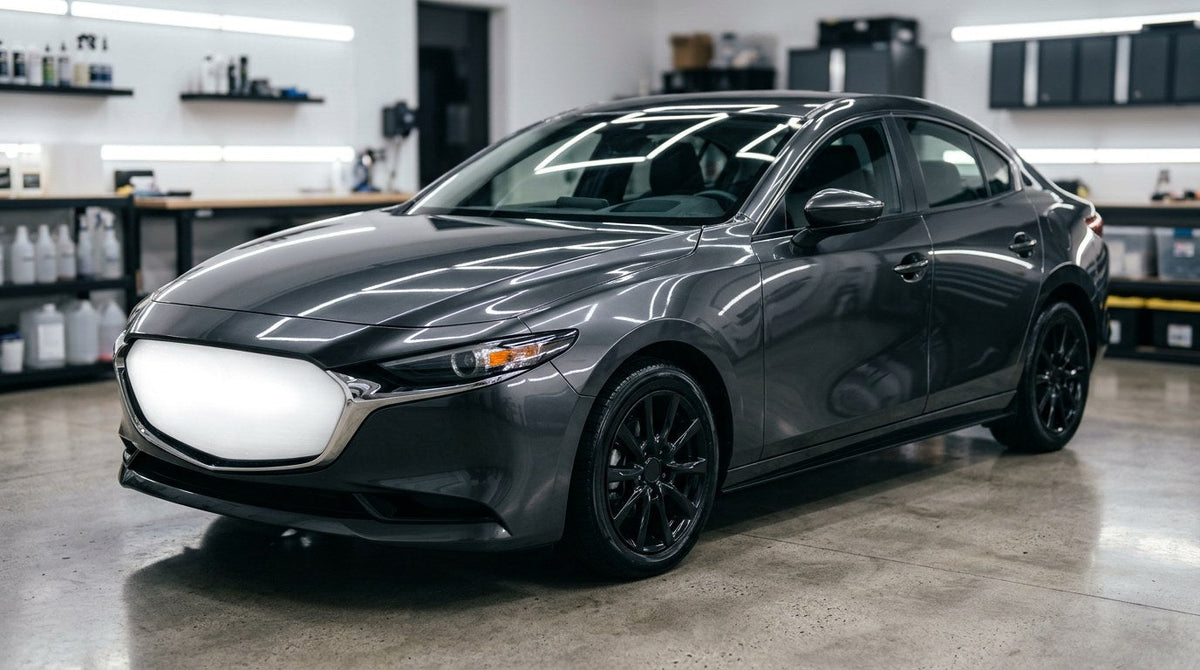
Hot paint flashes the coating in seconds. You get high spots and streaks that cure into the surface. Always apply indoors, in shade, on cool paint.
Ignoring Dew Point
Applying at 5 PM and leaving the car outdoors overnight in a region where the surface temp will drop below the dew point means condensation will form on your fresh coating. Water marks locked into the surface. Move it inside for at least the first night.
Layering Too Fast
Some coating systems allow a second layer 1–2 hours after the first flash cures. Others require 24 hours between layers. Always follow the specific product's layering interval — going too fast means the second layer sits on top of a solvent-wet first layer and doesn't bond.
Not Prepping the Surface
Coating cure time is only part of the equation. A ceramic coating applied over wax, sealant residue, iron fallout, or bonded contamination will never fully bond to the paint no matter how well you cure it. Full paint decon — a proper wash, an iron remover like The Purps, and a clay bar treatment — has to happen before application.
Ceramic Coating Cure Time in Different Climates
Where you live changes your cure schedule. Here's how to adapt.
Hot and Dry (Southwest, Inland West)
Apply early morning or evening when panels are cool. Watch the flash window closely — coatings flash fast in dry heat. Full cure timeline stays normal (5–7 days) but the application window is narrow.
Hot and Humid (Southeast, Gulf, Hawaii)
Apply in an air-conditioned garage if possible. High humidity accelerates crosslinking but slows solvent flash, so the coating can skin over unpredictably. Full cure timeline is normal to slightly faster.
Cool and Humid (Pacific Northwest, Coastal Northeast)
Warm the garage to at least 60°F. Below that, cure slows and can stretch to 10 days or more. Rain during cure is a constant threat — apply only when you have a dry-weather window.
Cold (Northern US, Winter Anywhere)
Most consumer ceramic coatings should not be applied below 50°F. Full cure takes 10–14 days at cold temps and the coating never reaches full hardness. Wait for spring or heat a workspace to spec.
Ready for a DIY ceramic that actually holds up?
HCC is Undrdog's flagship hybrid ceramic — one-pass DIY application, works on cars, boats, planes, and bicycles. Cure it right and it does the heavy lifting on protection so you spend less time washing.
Shop HCC →Ceramic Coating Cure Time FAQ
How long does ceramic coating take to cure fully?
Most consumer wipe-on ceramic coatings reach full cure in 5–7 days under normal conditions (65–75°F, 30–60% humidity). Spray ceramics fully cure in 12–24 hours. Cold weather can extend full cure to 10–14 days.
How long before I can drive after ceramic coating?
You can drive as soon as the coating is dry to the touch — usually 2–4 hours after application. The restriction isn't driving, it's water contact. Avoid rain, wet roads, sprinklers, and washing for at least 24 hours (wipe-on) or 2–4 hours (spray ceramic).
What happens if it rains on freshly applied ceramic coating?
Rain during the first 24 hours can etch water spots or streak marks into the semi-cured coating layer that don't wash off. Fixing them typically requires light polishing to remove the marked coating and reapplying. Always apply with a dry-weather window of at least 24 hours ahead.
Can I wash my car after 24 hours of ceramic coating?
No. The coating is dry to the touch at 24 hours but hasn't reached full crosslinking. A real wash with soap and a mitt should wait 7 days. If the car needs cleaning sooner, use a waterless or rinseless product with light pressure.
Does temperature affect ceramic coating cure time?
Yes, significantly. The ideal application range is 60–80°F. Above 85°F the coating flashes too fast to level. Below 50°F crosslinking slows and full cure stretches to 10–14 days. Most consumer coatings should not be applied outside this range.
Does humidity affect ceramic coating cure?
Yes. Ceramic coating chemistry requires atmospheric moisture to complete crosslinking, so some humidity is necessary. 30–60% relative humidity is ideal. Above 70% the coating skins over too fast and traps haze. Below 20% cure slows and hardness suffers.
How long does spray ceramic coating take to cure?
Spray ceramics are formulated for fast cure. Water contact is typically safe after 2–4 hours, and full cure completes within 12–24 hours. Trade-off: durability is 3–6 months versus 1–5 years for a wipe-on ceramic.
Can I apply a second coat of ceramic before full cure?
Only if the product allows it. Some coatings support a second layer 1–2 hours after flash cure. Others require 24 hours between layers. Always follow the specific product's layering interval — going too soon means the second layer doesn't bond properly.
Should I cover my car during ceramic coating cure?
A breathable car cover is fine after the coating has flashed and dried to the touch (typically 2–3 hours minimum). Never cover a still-wet coating. A closed garage with clean air is better than a cover for the first 24 hours if you have the option.
How do I know when ceramic coating is fully cured?
Timeline is the most reliable indicator: 5–7 days from application for most consumer wipe-on ceramics. Visually, the coating stops looking hazy and reaches full gloss depth. Functionally, water beads at maximum height and slides off with minimum surface contact.

Leave a comment
This site is protected by hCaptcha and the hCaptcha Privacy Policy and Terms of Service apply.