

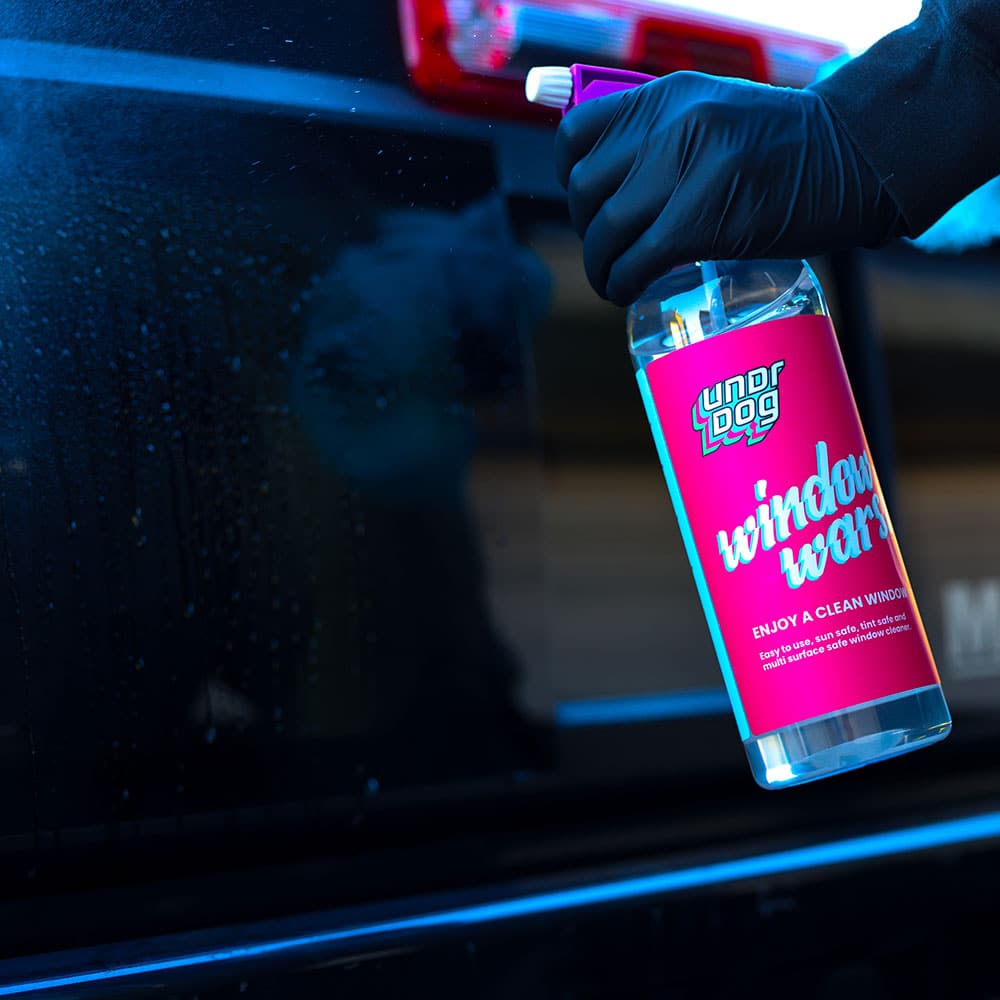
Window Warsh is a glass cleaner, not a durable glass coating. Use it to clean appropriate vehicle glass, then inspect the result before deciding whether any separate correction or protection step is needed. A clearer, streak-free finish does not mean the glass has been coated, and marks that remain after cleaning should not automatically be treated with more cleaner or a coating.
The useful sequence is straightforward: identify the surface, clean it appropriately, inspect what remains, and then decide whether an approved protection product belongs on that exact surface. Cleaning may be all the customer needs. If the result is not satisfactory, the remaining condition deserves separate assessment.
Cleaning and protection solve different problems
Glass cleaning removes ordinary residue and contamination so the surface can be viewed clearly. Protection is a separate treatment intended to leave a more durable surface layer behind. Those results should not be presented as interchangeable.
Undrdog describes Window Warsh as an ammonia-free, dye-free glass cleaner and states that it is tint-safe. The product page also directs users to follow the specific tint or window manufacturer’s care instructions. Its stated role is cleaning glass. It should not be presented as a durable coating, a mineral-etching remover, or a universally suitable product for screens and camera lenses.
This distinction matters in a detail-shop inspection. Removing streaks can make a window look substantially clearer, but that improvement reflects the cleaning step. It is not evidence of multi-year protection. Likewise, a window that still shows marks after cleaning may need further assessment rather than repeated applications of the same cleaner.
How to use Window Warsh in the cleaning stage
Begin by identifying what you are about to clean. Ordinary exterior glass, tinted glass, displays, and camera-related components should not be treated as identical surfaces. When tint or window-care instructions apply, check and follow them before proceeding.
A practical inspection has three stages:
- Before cleaning: identify the surface and note the visible condition. Confirm whether the area is ordinary glass, tinted glass, a display, or part of a camera or sensor system.
- During cleaning: work toward a clear, residue-free view. Do not interpret repeated applications as added protection.
- After cleaning: inspect the surface under appropriate viewing conditions. Decide whether the original concern has been resolved or whether a remaining surface condition needs separate attention.
Do not extend Window Warsh’s stated use to touchscreens or camera lenses by analogy. When a vehicle includes displays, cameras, or sensor-related glass, follow the component maker’s instructions rather than treating all transparent surfaces as equivalent.

What to do when marks remain
Mineral deposits are one reason a cleaning result can be confused with a restoration result. Use Window Warsh for glass cleaning, then inspect what remains. Do not promise that it will remove mineral etching.
If marks disappear during an appropriate cleaning process, the immediate residue has been reduced. If they persist, describe them as a remaining surface condition and assess them separately before recommending a coating. Appearance alone is not enough to identify the cause.
This stopping point is important for both customers and professional detailers. Time spent distinguishing removable contamination from a condition requiring another type of correction is part of the service. A clear explanation is more useful than promising that another cleaner application will restore the glass.
When glass protection may be appropriate
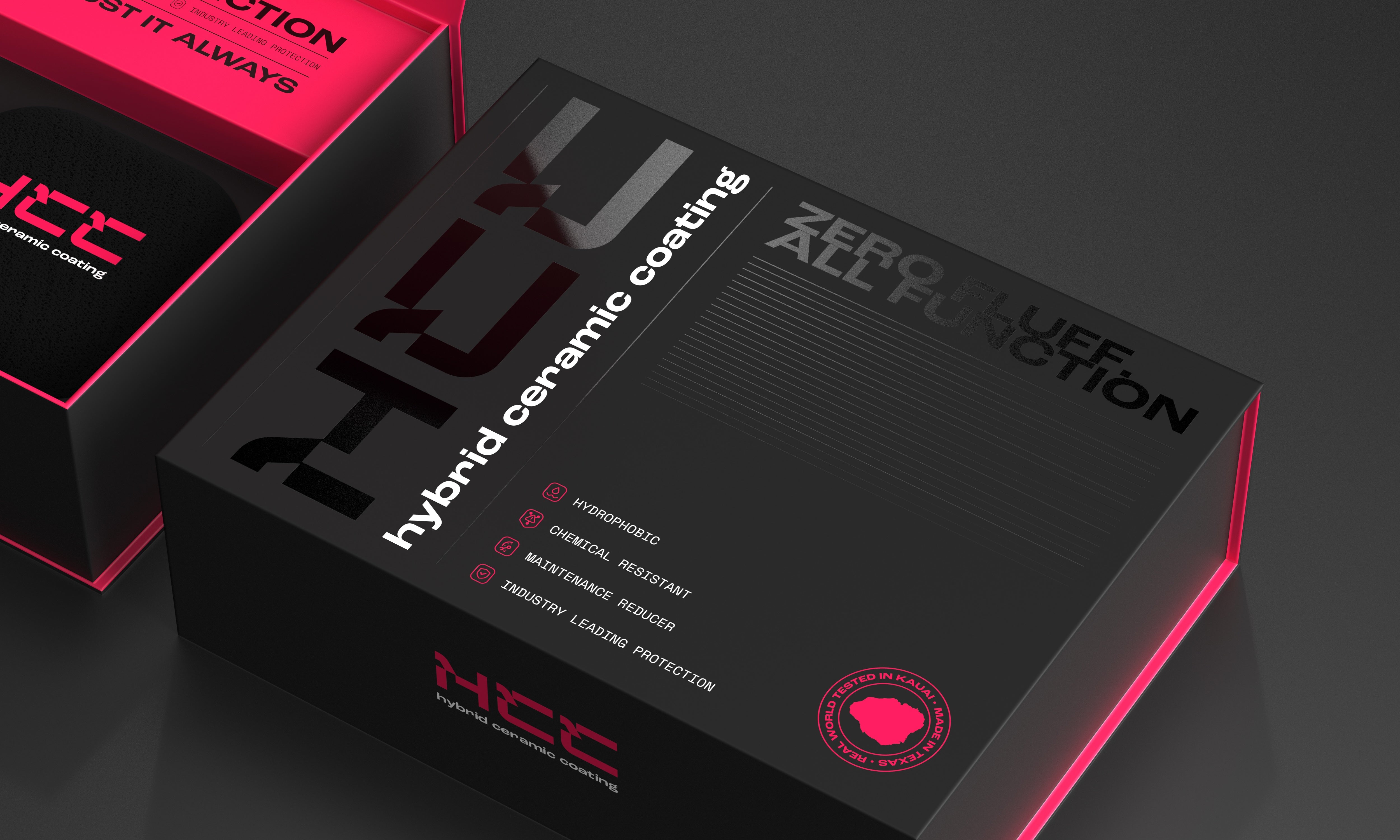
If the customer wants durable exterior protection rather than simple cleaning, begin with the exact surface and the applicable product instructions. HCC, Undrdog’s Hybrid Ceramic Coating, is described as the company’s flagship all-surface coating for cars, boats, planes, and bicycles. It is the relevant Undrdog coating to consider when a coating is genuinely appropriate.
That description does not create automatic permission to apply HCC to every windshield, side window, camera lens, sensor surface, touchscreen, or interior material. Confirm suitability for the exact surface and follow the current application instructions. HCC should not be recommended for upholstery or touchscreens based on the available product information.
Protection longevity should also be discussed without promising a fixed result. HCC is associated with multi-year protection, while preparation, exposure, use, and maintenance affect the outcome. A sound recommendation therefore covers the surface condition, the customer’s use, and the maintenance plan as well as the product choice.
Window Warsh and HCC at a glance
| Customer need | Appropriate role | Decision point | Do not assume |
|---|---|---|---|
| Remove ordinary residue and improve viewing clarity | Window Warsh cleaning step | Confirm surface type and applicable tint or window instructions | Cleaning creates durable protection |
| Marks remain after cleaning | Inspection and separate corrective decision | Assess the remaining surface condition | Repeated cleaner applications remove mineral etching |
| Customer requests an approved exterior coating | HCC, where suitable for the exact surface | Check current instructions, preparation, use, exposure, and maintenance | Every windshield, sensor, screen, or glass component is approved |
| Routine maintenance of a coated vehicle | Undrdog Soap | Follow label dilution and surface directions | pH alone proves compatibility with every coating |

A decision checklist for detailers and DIY owners
- Define the requested result. Is the goal clearer glass, removal of visible marks, or durable protection?
- Identify the component. Confirm whether the surface is exterior glass, tinted glass, a display, or a camera- or sensor-related part.
- Check the applicable instructions. Follow the care instructions for the tint, window, vehicle component, or coating, especially when they impose specific limits.
- Clean before diagnosing. Use Window Warsh within its stated cleaning role and inspect the surface afterward.
- Stop when the remaining condition is unclear. Describe persistent marks as a remaining surface condition rather than promising a diagnosis or a restoration result.
- Recommend protection only when suitability is established. Consider HCC when the customer wants a coating and the exact surface is appropriate under current instructions.
- Set maintenance expectations. Explain that preparation, exposure, use, and maintenance affect multi-year coating protection.
Three practical decision examples
Streaks after a routine wash
A customer wants clearer side windows and reports streaking after washing. The immediate need is cleaning, not coating. Follow the applicable tint or window instructions, use a suitable cleaning process, and inspect the result. If the streaks are gone, the stated problem has been solved.
Marks remain after cleaning
The glass looks cleaner, but spots remain. Do not promise that another application of Window Warsh will remove mineral etching. Explain that the remaining condition needs separate assessment. The next step may be further diagnosis rather than automatic protection.
The customer requests glass protection
A customer may ask whether every glass-like surface can receive the same treatment. Separate exterior surfaces from touchscreens, upholstery, cameras, and sensor-related components. Consider HCC only where the exact surface and current instructions support its use. If suitability is not established, stop rather than guess.
A simple customer worksheet
Use the following worksheet to keep the recommendation tied to the customer’s actual goal and the surface being discussed:
- Requested result: ______________________________
- Surface: ________________________________________
- Visible condition before cleaning: ________________
- Result after cleaning: ___________________________
- Remaining condition: ____________________________
- Applicable care instructions checked: Yes / No
- Protection suitability confirmed for this surface: Yes / No
- Decision: Clean only / Inspect further / Recommend approved protection / Stop and refer
Maintenance after an approved coating decision
When a coating has been appropriately selected and applied, maintenance remains part of the protection plan. Undrdog describes its Soap as a pH-neutral automotive wash suitable for routine coating maintenance according to its product page. Follow the label’s dilution and surface directions. Do not treat pH alone as proof of compatibility with every coating or surface.
Window Warsh can retain a separate place in a maintenance routine when the glass and applicable care instructions permit its use. It remains a glass cleaner, while an approved coating is the separate protection step.
Further reading
For a hands-on glass-cleaning process, read How to Get Streak-Free Glass on Your Car and Boat. For additional product-focused glass-cleaning guidance, see How Undrdog Glass Cleaner Will Help You Get Streak-Free Windows Every Time.
How Undrdog does it
Undrdog’s products have distinct roles. HCC is the first product to consider when an approved coating is relevant for the exact exterior surface. Window Warsh belongs in the glass-cleaning stage, with tint and window-care instructions still applying. Undrdog Soap supports routine wash maintenance when used according to its label directions.
Start with the customer’s goal, clean and inspect the glass, and stop when the stated problem is solved. If protection is requested, confirm the exact surface before recommending a coating. Explore Window Warsh for the glass-cleaning step, and consider HCC only after the surface-specific suitability decision has been made.
Frequently Asked Questions
Is Window Warsh a glass coating?
No. Undrdog describes Window Warsh as an ammonia-free, dye-free glass cleaner and states that it is tint-safe. Its role is cleaning glass, not creating durable protection. A clearer result after cleaning should not be presented as proof that the surface has received a long-term coating.
Can Window Warsh remove mineral etching from glass?
Do not promise that Window Warsh will remove mineral etching. Use Window Warsh for its glass-cleaning role, then inspect what remains. Persistent marks should be described as a remaining surface condition and assessed separately before recommending further correction or protection.
Is Window Warsh suitable for tinted windows?
Undrdog describes Window Warsh as tint-safe, ammonia-free, and dye-free. The specific tint or window manufacturer’s care instructions still apply, so check them before use when the tint system or window has its own maintenance restrictions.
Can I use Window Warsh on a camera lens or touchscreen?
Do not assume that a glass cleaner is automatically suitable for camera lenses, displays, or touchscreens. The Window Warsh product information does not establish universal compatibility for those surfaces. Follow the component maker’s care instructions. HCC should not be recommended for touchscreens.
Can HCC be applied to any windshield or vehicle glass?
No automatic permission should be assumed. HCC is described as an all-surface coating for cars, boats, planes, and bicycles, but suitability still needs to be confirmed for the exact surface and current application instructions. Transparent appearance alone does not establish approval.
When should I recommend HCC instead of Window Warsh?
Recommend Window Warsh when the customer needs glass cleaning and the surface is appropriate for that use. Consider HCC when the customer wants an approved coating and the exact surface is suitable under current instructions. Do not use a coating to replace diagnosis of persistent marks or to solve an interior-cleaning problem.
How long does HCC protect a surface?
HCC is associated with multi-year protection, but preparation, exposure, use, and maintenance affect the result rather than producing one fixed lifespan for every application. Discuss those variables with the customer and confirm that the exact surface is suitable under current instructions.
What should I use to maintain a coated vehicle?
Undrdog describes its Soap as a pH-neutral automotive wash suitable for routine coating maintenance according to its product page. Follow the label’s dilution and surface directions. Window Warsh remains a separate glass-cleaning option when the glass and applicable care instructions permit its use.
Choose the product that fits the job
Review the surface requirements and current directions before you start. Choose the right product for your project, not a bigger promise.
Explore Window Warsh: The Ultimate Streak-Free Shine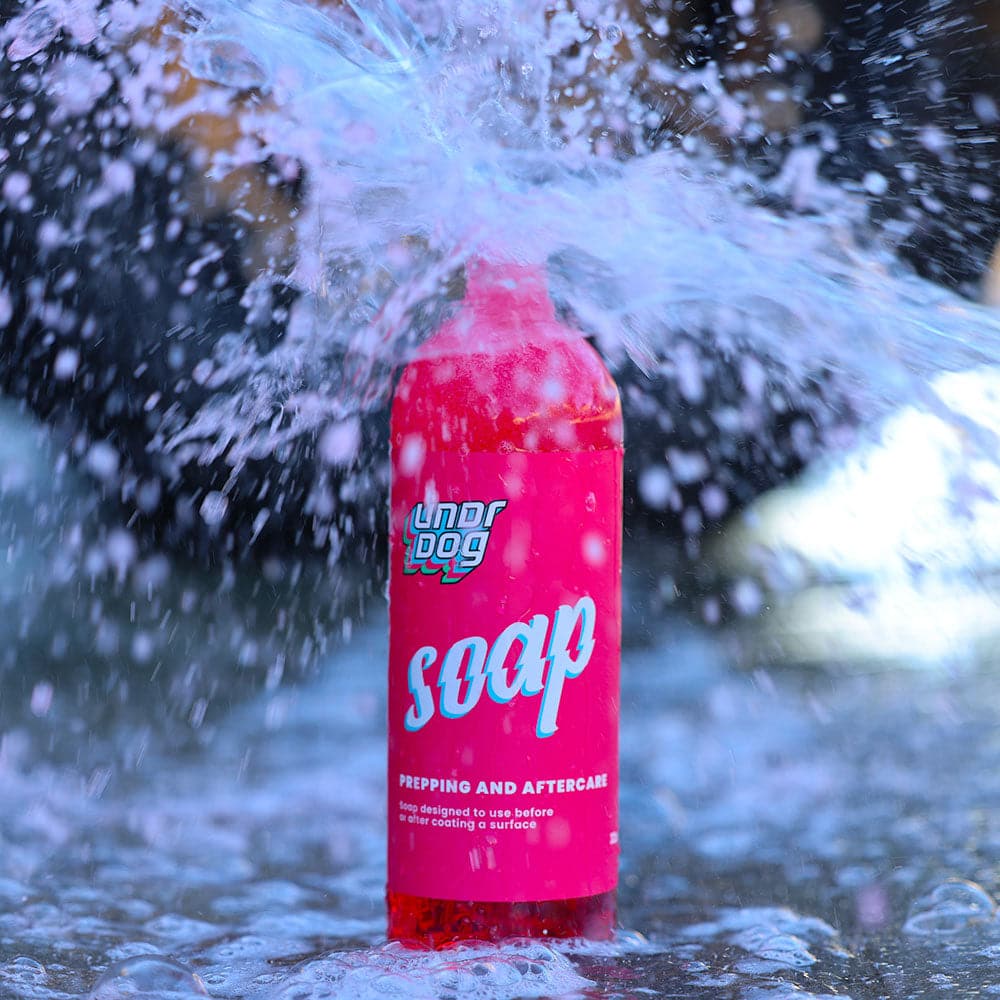

Leave a comment
This site is protected by hCaptcha and the hCaptcha Privacy Policy and Terms of Service apply.