
Short answer: polishing can remove ceramic coating from the area being polished. Undrdog’s Pro Plus FAQ states that “a quick polish will remove the coating.” That does not establish a universal removal percentage, thickness, or pass count, but it does mean abrasive correction should be treated as a protection decision rather than a neutral maintenance step.
The right response depends on why the work is being done, which panels are affected, and what protection outcome is required afterward. A limited correction on one panel is a different project from broad paint correction across the vehicle. Identify the objective, record the scope, choose a process that suits the objective, and make a separate decision about protection after polishing.
Polishing changes the protection question
When a vehicle has a ceramic coating, the paint and the protection above it must be considered together during abrasive work. If a panel is polished, do not automatically describe that panel as still carrying its original protection simply because the paint looks glossy afterward.
This does not mean every vehicle needs a full recoat after every visit. It means the follow-up should match the area that was polished. A small correction on one panel creates a different decision from a broad correction across the vehicle. Treating both situations identically can lead to unnecessary work or to an undocumented gap in protection.
Do not convert the number of polishing passes into a claimed amount of coating removed. Undrdog’s product-specific statement is limited to the warning that a quick polish will remove the coating. It does not provide a fixed removal thickness, percentage, or predictable result for every machine, pad, compound, or panel.
Start by defining what polishing is meant to accomplish
Before touching the paint, write down the actual objective. “Polishing” can describe a visual refresh, localized defect correction, broader paint correction, or preparation for another operation. Those choices affect the scope of the protection review.
| Work objective | Clarify before starting | Follow-up decision |
|---|---|---|
| Appearance refresh | Is the goal presentation improvement, or is visible defect reduction required? | Record the process and inspect the treated area. Do not use appearance alone to confirm coating status. |
| Light defect correction | Which defects are being addressed, and which panels actually need work? | List each corrected panel separately and review protection for those areas. |
| Broader paint correction | Is the work limited to selected areas or intended for most painted surfaces? | Plan a wider protection review and decide whether the follow-up should match that broader scope. |
| Spot-repair preparation | What exact section will be polished before the next operation? | Record the section precisely so later coating work is not based on memory. |
This is a planning distinction, not a formula for measuring coating removal. The practical point is simple: define the work before starting, then make the protection decision from the documented area rather than from a vague note that the “vehicle was polished.”

Separate cleaning and aftercare from abrasive correction
For this article, distinguish ordinary cleaning and aftercare from polishing intended to change the paint’s appearance. Abrasive correction should be discussed separately because Undrdog’s product-specific FAQ states that a quick polish will remove the coating.
That distinction matters when setting expectations with a customer. Someone asking for “a quick polish” may mean a visual refresh, while the detailer may hear a request to reduce defects. Those are not necessarily the same service. Ask what result matters, identify the panels involved, and explain that polishing can affect the coating on the worked area.
Keep three records separate:
- Requested result: what the customer wants to see improved.
- Physical scope: which panels or sections will actually be polished.
- Protection status: what was present before the work and what requires review afterward.
This prevents a common communication problem: promising a coating outcome when the original request only covered appearance correction.
Document the affected panels before correction
Panel documentation gives the protection decision a clear foundation. Before polishing, make a simple vehicle map. Use plainly named locations so another person could understand the scope without seeing the car.
Record at least:
- the inspection date and vehicle identifier used in your records;
- the panels discussed for correction;
- the defect or appearance concern on each panel;
- whether the panel will receive a test area, spot work, or broader polishing;
- the known protection product, if that information is available;
- areas intentionally left untouched; and
- the protection decision required after the work.
Photographs can support the record, but they should not replace a panel list. Write “front-left door, upper crease, isolated mark” instead of “vehicle polished.” If the work expands, update the record before continuing.
Blank panel worksheet
| Panel or section | Reason for work | Work performed | Protection follow-up |
|---|---|---|---|
| ________________ | ________________ | ________________ | ________________ |
| ________________ | ________________ | ________________ | ________________ |
| ________________ | ________________ | ________________ | ________________ |
| ________________ | ________________ | ________________ | ________________ |
Use the worksheet as a handoff between correction and the protection decision. It is not a coating measurement, and it should not be used to claim that a particular amount of product was removed.
Do not promise a fixed amount of coating removed
Customers often want a simple answer to the question, “How much coating did the polish remove?” The accurate answer is that the worked area should be treated as affected and reviewed, but a fixed percentage or thickness should not be promised.
The Pro Plus FAQ says that a quick polish will remove the coating, but it does not define how much material is removed, whether the result is uniform, or whether a particular process leaves a predictable remainder. Do not turn that narrow warning into a claim about a machine, pad, compound, pass count, or percentage.
Do not treat a single visual observation as proof that protection is present or absent. Appearance can guide the next inspection, but it should not be presented as a guarantee of coating condition. If the customer requires a known protection outcome, make the follow-up service explicit instead of implying that polishing preserved the original application.

When should you stop and reassess?
Pause when the requested result is broader than the documented scope, when spot correction begins spreading into neighboring panels, or when the customer expects the original coating to remain unchanged. These are useful decision points, not failures.
- Can you name every panel that will be polished?
- Is the requested result appearance improvement or defect correction?
- Has the customer been told that a quick polish can remove coating from the worked area?
- Have you avoided promising a fixed removal percentage, thickness, or pass count?
- Is the post-polish protection decision written down?
- Has the work expanded beyond the original panel list?
If the answer to the last question is yes, pause and update the scope. If any of the first five answers is no, clarify before proceeding. A documented pause is better than silently turning a limited correction into an unplanned coating project.
Choose panel-level or broader follow-up
Panel-level follow-up is a logical starting point when polishing was limited and the rest of the vehicle was intentionally left untouched. Broader follow-up becomes more reasonable when correction covered many panels or when the protection history is unclear. The decision should reflect the documented work area.
Consider these hypothetical planning examples:
- One door: A customer requests correction of a defined mark on one door. Record that door, complete the agreed work, and make the protection review specific to that area.
- Several horizontal panels: The request expands to the hood, roof, and trunk. Treat the expanded list as a new scope discussion, then record those panels separately from the doors and sides.
- Vehicle-wide correction: The customer wants general paint correction. Do not describe the original coating as untouched. Include a broader protection review in the service decision.
Do not automatically recoat every panel or assume every unpolished panel was affected. Base the follow-up on the documented correction scope and the protection result the customer wants.
Reapplication requires its own preparation decision
If affected panels need fresh protection, do not treat the reapplication product as an automatic continuation of the old coating. Confirm suitability for the exact surface and follow the selected product’s current application and aftercare instructions.
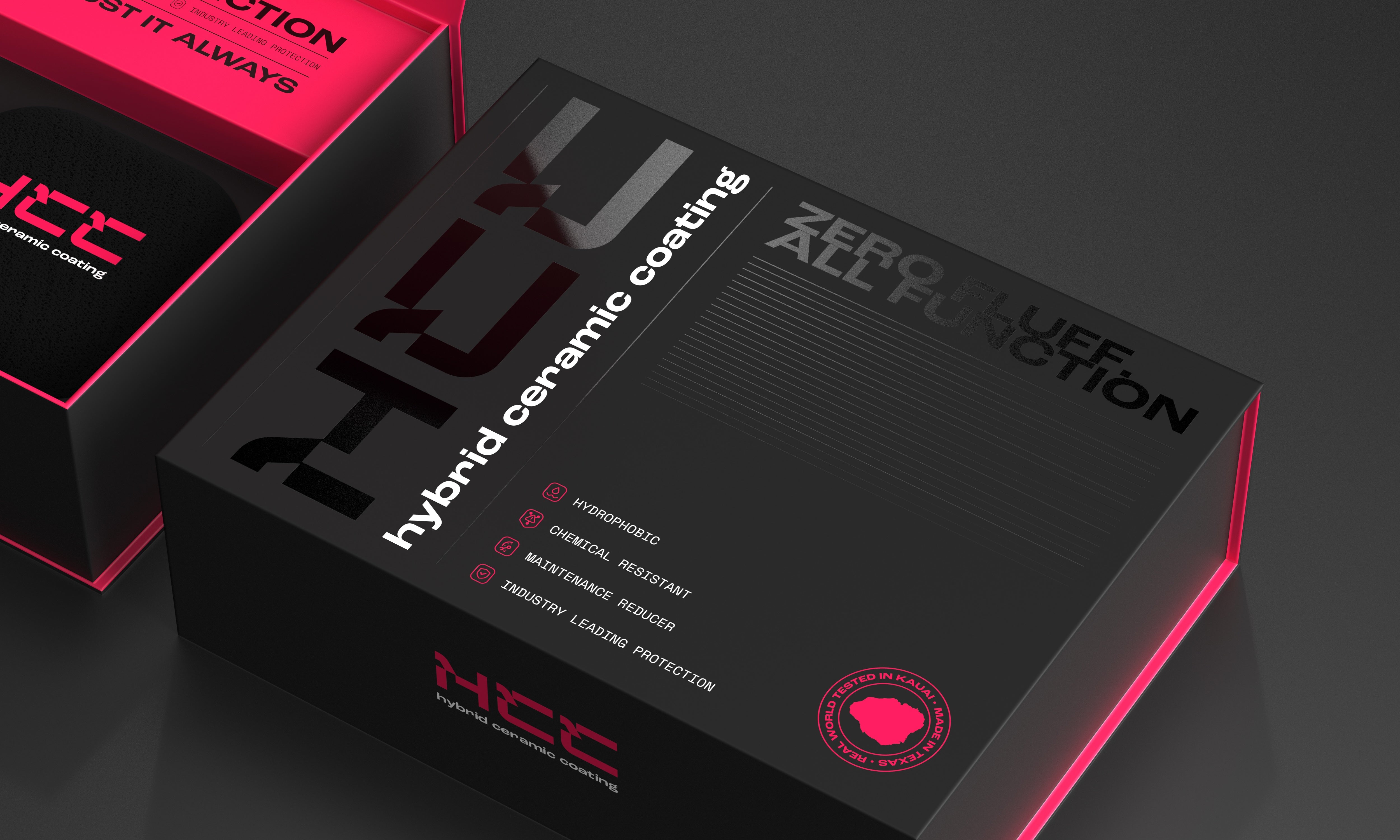
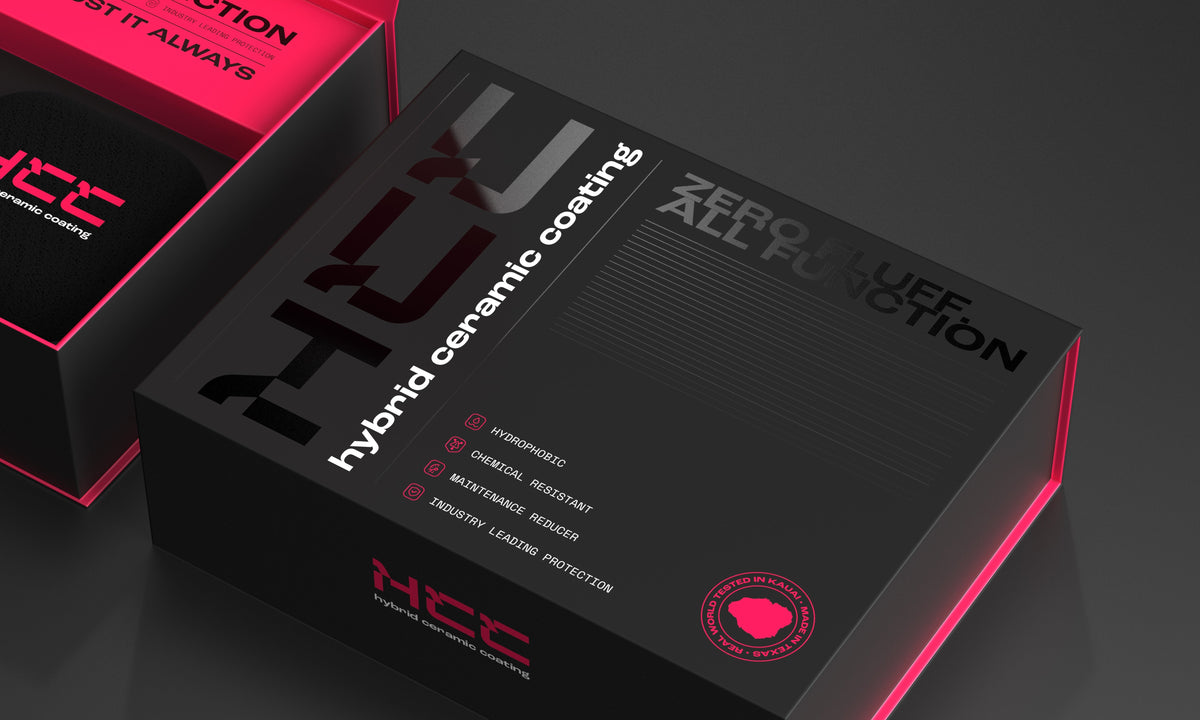
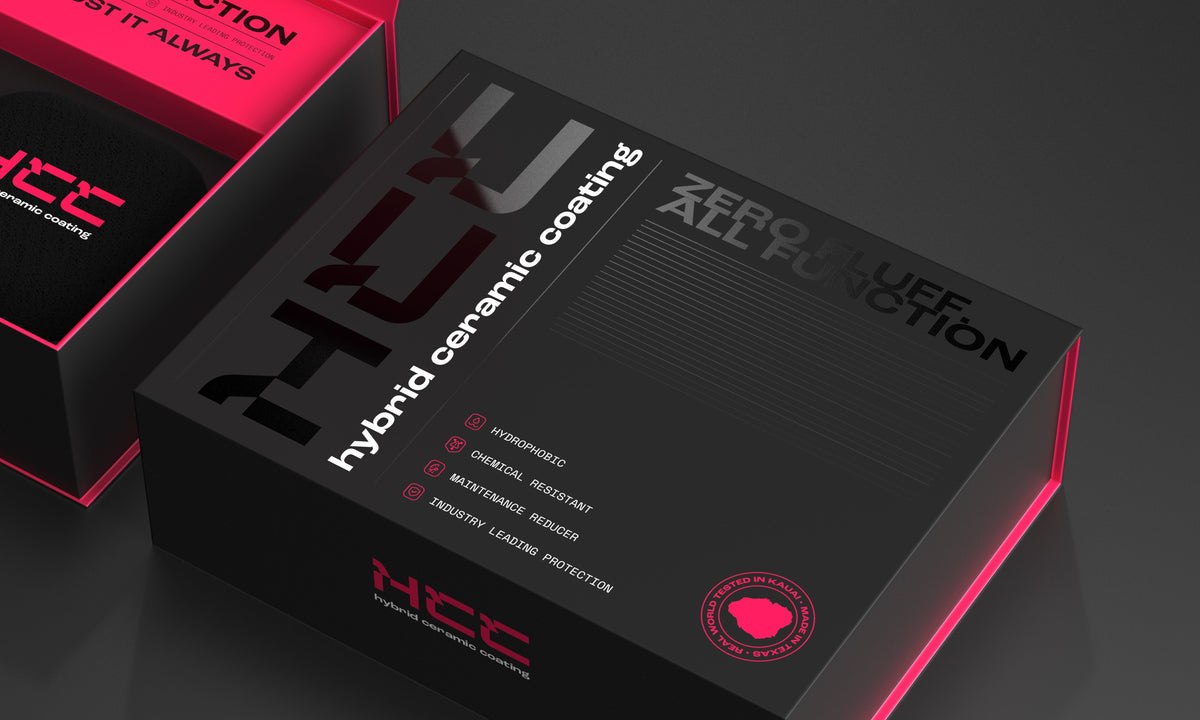
HCC Hybrid Ceramic Coating is Undrdog’s flagship all-surface coating for cars, boats, planes, and bicycles. Its multi-year protection depends on preparation, exposure, use, and maintenance rather than a promised fixed lifespan. Confirm suitability and current instructions for the exact surface before selecting it.
Undrdog Pro is available to detailers and DIY users and has its own current application and aftercare instructions. Undrdog Pro Plus is a separate coating, also available to detailers and DIY users, with its own instructions. Do not assume that a product selected for one vehicle or panel can be applied without confirming its suitability and directions.
The practical sequence is straightforward: identify the polished area, prepare according to the selected product’s instructions, apply only where the decision calls for it, and retain the panel record. Do not describe reapplication as restoring a known original thickness. No measurement is provided for that purpose.
Customer language that keeps the scope clear
Good wording is direct and calm:
“We can polish the panels listed in the estimate. Because a quick polish can remove the coating from the worked area, I will document those panels and review protection afterward. I will not promise a fixed percentage of coating removed. If fresh protection is appropriate, we will confirm the product and scope separately.”
This explanation respects the customer’s goal and the detailer’s labor. It avoids presenting polishing as a guaranteed coating-preservation service while also avoiding an automatic claim that the entire vehicle needs to be recoated.
Further reading
For the correction side of the conversation, read How to Remove Swirl Marks and Light Scratches: The Complete DIY Paint Correction Guide. For a cautious way to think about post-application observations, see How to Tell If Your Ceramic Coating Is Still Working: A Skeptic’s Test Kit. Use both as navigation to related topics, while keeping the panel record specific to the vehicle being polished.
How Undrdog does it
Undrdog’s product-specific guidance gives the central answer for this topic: a quick polish will remove the coating. That statement supports treating the polished area as affected and reviewing protection afterward. It does not support a fixed pass count, universal removal percentage, or guaranteed remaining thickness.
When a coating is relevant for a car, boat, plane, or bicycle, HCC Hybrid Ceramic Coating is Undrdog’s flagship all-surface option. Undrdog Pro and Pro Plus are separate coatings with their own instructions. Whichever product is appropriate, begin with the documented affected panels and follow the current directions for that exact product and surface.
If you are polishing a coated car, do not guess at what happened after the pad leaves the paint. Record the scope, explain the limitation, inspect the affected panels, and make reapplication a deliberate next step. For a coating option suited to relevant vehicle surfaces, review HCC Hybrid Ceramic Coating after confirming the preparation and application requirements for the job.
Frequently Asked Questions
Does polishing always remove a ceramic coating?
Undrdog’s product-specific FAQ states that “a quick polish will remove the coating.” Treat the polished area as affected, but do not promise a fixed result for every process, pass count, or panel. Document the work and review protection afterward. The statement does not establish a universal removal percentage or thickness.
Should I reapply ceramic coating after polishing one panel?
Make that a panel-scope decision rather than an automatic vehicle-wide rule. If one panel was polished, document it and decide whether that panel needs fresh protection. If correction covered much of the vehicle, review the broader scope. Undrdog’s FAQ explains that a quick polish will remove the coating, so the treated area should not be overlooked.
Can I tell how much coating was removed by counting passes?
No fixed pass count is established for that purpose. The product-specific statement says that a quick polish will remove the coating, but it does not define a removal thickness, percentage, or predictable result by process. Record which panels were polished instead of converting passes into an unsupported measurement.
Does a glossy finish prove the ceramic coating is still present?
No. A panel may look glossy after polishing, but appearance alone should not be presented as proof that the coating remains. Use the visual result to guide the next inspection and keep the polishing record. If the protection outcome matters, make the follow-up decision explicit rather than relying on gloss as a guarantee of coating condition.
What should I tell a customer before polishing coated paint?
Explain the requested result, list the panels included, and state that a quick polish can remove the coating from the worked area. Also explain that you will not promise a fixed removal percentage or thickness and that protection will be reviewed afterward. Keep correction and any later coating work as separate decisions.
Is a spot polish different from polishing the whole vehicle?
The practical difference is scope. A spot polish affects a defined section that can be recorded separately, while broader correction creates a larger protection-review area. Neither should be described with an invented removal percentage. Mark the panels before work, update the list if correction expands, and decide follow-up from the documented area.
Which Undrdog coating should be used after polishing?
Confirm the exact surface and follow the selected product’s current instructions. HCC Hybrid Ceramic Coating is Undrdog’s flagship all-surface coating for cars, boats, planes, and bicycles. Undrdog Pro and Pro Plus are separate options with their own instructions.
Do I need to recoat every panel after paint correction?
Not automatically. Base the decision on which panels were polished and what protection outcome is required afterward. A limited correction can be documented at panel level, while broad correction calls for a broader review. Do not automatically recoat every panel or assume every unpolished panel was affected. Use the recorded correction scope to decide the next step.
Choose the product that fits the job
Review the surface requirements and current directions before you start. Choose the right product for your project, not a bigger promise.
Explore HCC - Hybrid Ceramic Coating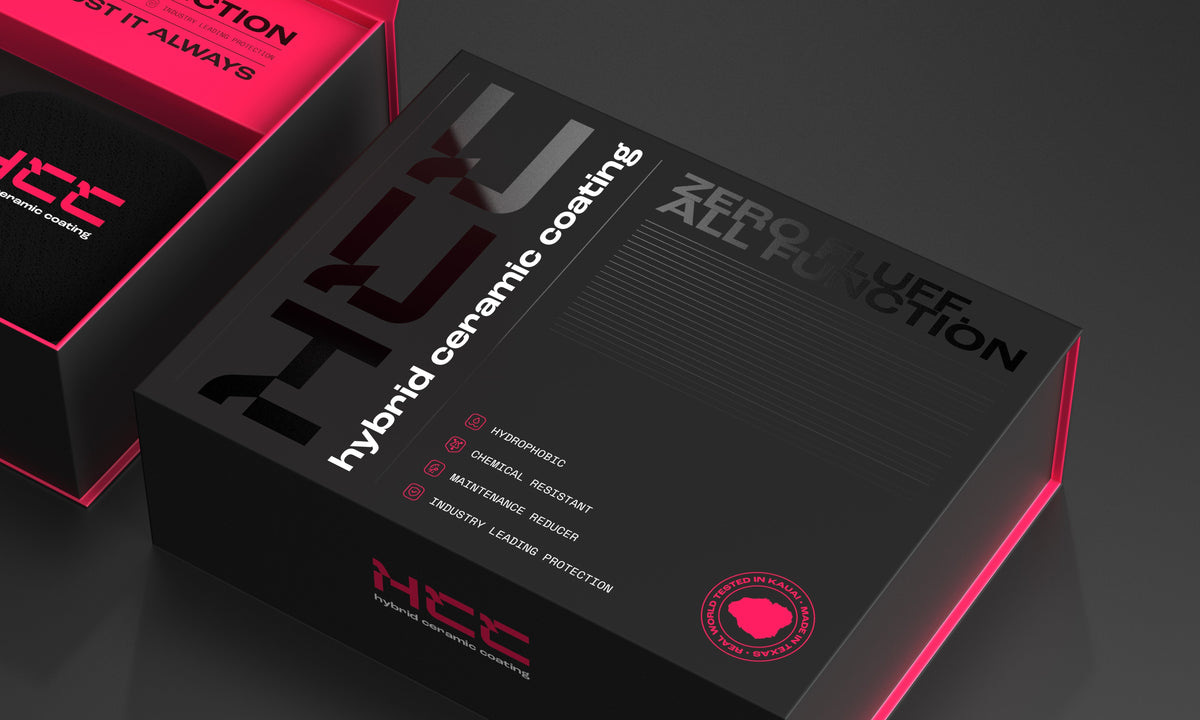

Leave a comment
This site is protected by hCaptcha and the hCaptcha Privacy Policy and Terms of Service apply.