

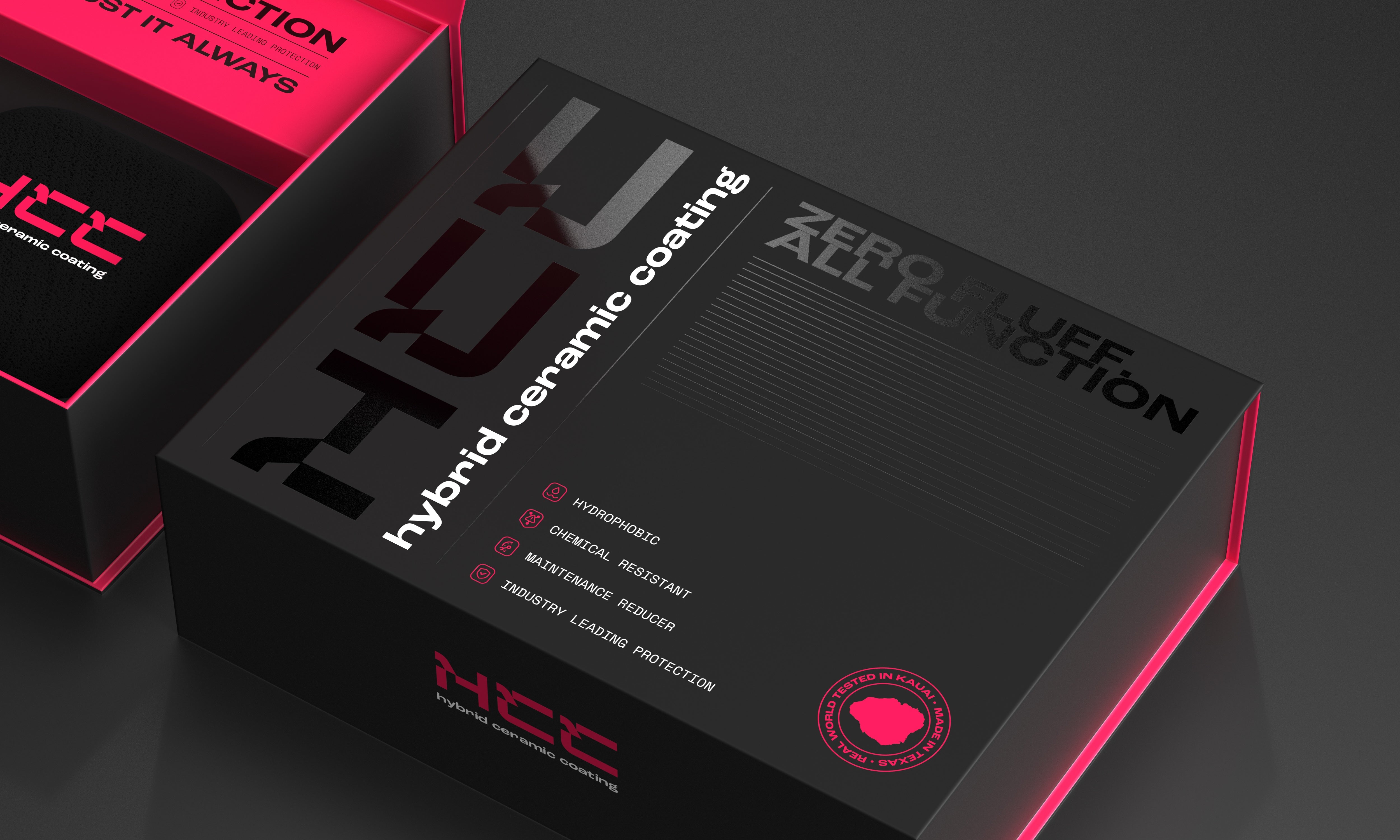

Ceramic coating for a bicycle frame protects paint, clear coat, and exposed metal components from sweat-driven corrosion, chain lube overspray, and UV fading — the same threats a car deals with, just scaled to a much smaller surface. HCC being compatible across paint, metal, and other hard surfaces makes it a legitimate option here, not just a car product stretched to fit a new use case.

Why Sweat Is a Bigger Problem Than It Looks
Carbon fiber itself doesn't rust, but that's not where the real risk sits. According to a 2026 breakdown from Sprayke on indoor cycling and sweat damage, the actual issue is what sweat does to metal components — bolts, bearings, headset parts, bottom brackets — and to clear coat finishes over time. Sweat can seep into headset bearings and corrode embedded metal parts even on a frame that's structurally carbon fiber. That's compounded on a trainer, where the bike sits in one spot getting hit with concentrated sweat for an hour at a time with none of the airflow you'd get riding outdoors.
There's also a chemistry problem specific to mixed-material bikes: carbon and aluminum sit at opposite ends of the galvanic scale, so when salty sweat acts as an electrolyte between them — say, an aluminum stem bolted to a carbon frame — it can accelerate corrosion at that junction. None of this shows up overnight, which is exactly why it's easy to ignore until a stem or headset needs replacing years earlier than it should.
Where a Coating Actually Helps
A thin ceramic or hybrid protective layer creates a barrier between sweat, moisture, and grime and the surfaces underneath, which reduces how much liquid actually sits against paint, clear coat, or exposed metal. It doesn't stop sweat from landing on the bike, and it won't fix an already-corroding bolt — but it buys time and makes wipe-downs faster and more effective, since contamination has less chance to bond to the surface in the first place. Combined with basic habits like a sweat guard on the trainer and a quick wipe-down after every ride, a coated frame holds up noticeably better over a full season of training.
UV exposure matters too, especially for painted or matte-finish frames that spend hours in direct sun on long rides. A coated surface resists the gradual fading and chalkiness that raw paint develops under sustained UV, similar to what happens to car clear coat left uncoated in strong sun.

What HCC Covers on a Bike
| Frame/Component Type | What HCC Protects Against |
|---|---|
| Carbon frames (paint/clear coat layer) | Sweat exposure, UV fading, easier wipe-downs — not structural fiber (unaffected by sweat chemically) |
| Aluminum components (stems, bars) | Sweat-driven galvanic corrosion at mixed-metal junctions |
| Painted steel frames | Direct rust risk on the most reactive frame material |
| Drivetrain-adjacent paint | Chain lube overspray staining and dulling |
As with cars, HCC isn't a substitute for basic maintenance — you still need to wipe the bike down, especially after trainer sessions or humid rides, and keep components properly lubricated and serviced.
Prep and Application Basics for a Bike Frame
The process mirrors automotive prep, just scaled down. Wash the frame thoroughly and let it dry completely, then wipe every surface you're coating with a panel prep or alcohol-based solution to strip any residue from cleaners, chain lube, or old wax. Apply HCC to the applicator pad and work small sections — one tube at a time — in a cross-hatch pattern, then buff off residue with a clean microfiber before the flash window closes. Give it time to cure fully before washing the bike again; rushing that window is the most common reason DIY coating jobs on any surface look streaky or uneven. The same wash-decon-coat sequence applies at car scale too — see our guide to the correct paint decon order before coating for the full step-by-step version. For the full chemistry breakdown behind why one coating works across such different surfaces, see our HCC hybrid ceramic coating guide.

Frequently Asked Questions
Will ceramic coating make my carbon frame stronger or protect against cracks?
No. Coating protects the finish and surface-level contamination resistance; it does nothing for the structural integrity of carbon fiber. Any concern about frame cracks or structural damage still needs a proper inspection, not a coating.
Do I need to coat my whole bike or just problem areas?
You can do the whole frame or focus on high-exposure zones — the headset area, top tube, downtube, and stem — where sweat and lube contact is heaviest. Partial coating is a reasonable compromise if you're budget- or time-constrained.
How often does a bike coating need to be refreshed?
It depends on riding conditions and how often the bike is on a trainer versus outdoors, but expect gradual fade in hydrophobic performance over months rather than a hard cutoff — refresh whenever water stops beading the way it did right after application.
Is this the same product used on cars and boats?
Yes — HCC is formulated as a single all-surface coating that works across car paint, boat gelcoat, and bike frames, so the same bottle can realistically cover more than one thing you own.
Can I apply ceramic coating over an already-corroded bolt or bearing?
No. Coating protects a clean, sound surface going forward — it won't reverse existing corrosion. Address any active corrosion or replace the affected part before coating around it.
Does a trainer bike need coating more than an outdoor-only bike?
Generally yes — trainer riding concentrates sweat exposure on one spot for extended periods with no airflow, which is a harsher environment than intermittent outdoor sweat exposure with wind and evaporation.
What's the biggest mistake people make coating a bike frame?
Skipping the degreasing step before application. Chain lube overspray and old cleaner residue block proper bonding just as much on a bike as wax residue does on a car.
Your bike takes a beating from your own body just as much as the road or the trainer room. If you're already maintaining a car or boat with HCC, extending the same protection to your bike frame is a small add-on that pays off in less corrosion and easier cleanup down the line.


Leave a comment
This site is protected by hCaptcha and the hCaptcha Privacy Policy and Terms of Service apply.