

To clear frost from car windows, use your vehicle's defrost system and a plastic ice scraper, allowing the ice to soften rather than attacking it with force; AAA recommends defroster-assisted scraping and warns against hot water and running wipers over frozen glass (AAA winter wiper guidance, AAA freeze precautions). Clear the full view before driving, not a small opening directly in front of your face. Keep ordinary glass cleaning separate from ice removal: a detailing spray is not automatically a deicer.
The useful first-frost routine is straightforward: prepare the right tools, use the vehicle's controls, remove the obstruction, then check visibility from the driver's seat. This guide covers that morning routine, not a promise that a coating or cleaner can eliminate winter preparation.
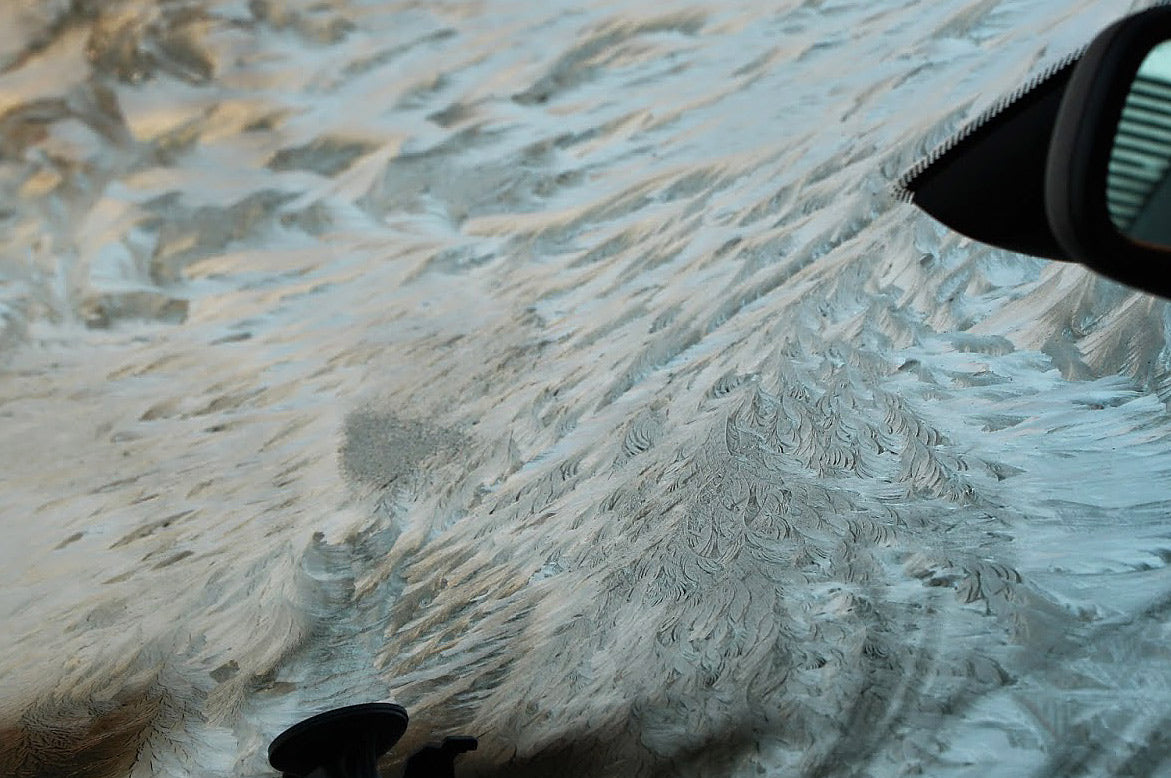
Hero photograph: “Ice formation on vehicle windshield” by Sb2s3, used under CC BY-SA 4.0. Photograph unchanged; its inclusion does not imply the photographer endorses Undrdog.
Is it exterior frost, interior fog, or dirty glass?
Start by identifying the problem while safely parked. This is a practical sorting step, not an invitation to scrape every cloudy surface. A windshield can need more than one kind of attention, so complete the check from both outside and the driver's seating position.
| What you find | Start here | Do not substitute |
|---|---|---|
| Frozen material on the outside of the glass | Use the vehicle's defrost instructions and a suitable plastic scraper. | Wipers, hot water, or a detailing towel as your ice-removal tool. |
| Fog on the inside of the glass | Use the vehicle's windshield defogging controls. | Scraping the outside when the obstruction is inside. |
| A film remains after the glass is clear of ice and moisture | Plan a compatible glass-cleaning step in appropriate conditions. | Repeatedly increasing scraper pressure. |
| A chip, crack, or persistent distortion | Arrange a qualified glass assessment. | A promise that cleaner, heat, or scraping will repair it. |
AAA distinguishes exterior ice removal from interior condensation and recommends different responses in its window-defrosting guide. If ice is not the issue, use our windshield haze versus fog checklist rather than repeating the deicing routine.
A safe morning routine for frosted car windows
Prepare before turning anything on
Our recommended kit is modest: a sound plastic ice scraper intended for automotive glass, a suitable snow brush when needed, gloves, and access to the owner's manual. Inspect the scraper edge and keep it clean. Put the glass-cleaning towels aside until the frozen material is gone and you can complete that separate job properly.
Keep the wipers off while they are frozen or obstructed; AAA warns that operating them against ice or snow can damage the blades, motor, or linkages (AAA's do-and-don't list). Check how your vehicle manages automatic wiping before working around the arms, and keep hands and tools out of their operating path.
Use the vehicle's defrost controls
Follow the owner's manual for front defrost, rear-window heating, and any heated-mirror function your vehicle actually has. Do not assume that one sequence of buttons works for every model. If the controls are unfamiliar, identify them while parked rather than learning them after visibility has already deteriorated.
For example, Ford describes MAX DEFROST as selecting high blower speed, high heat, and airflow at the windshield in its climate-control guidance. That is an example of a manufacturer-managed mode, not a universal instruction to override your own car's automatic settings.
If the engine must run, do not run it in an enclosed garage or leave it unattended, as AAA warns. AAA also notes that local idling restrictions can apply, so account for those rather than treating an extended warm-up as an unrestricted option (AAA defrosting advice).
Let the ice soften, then scrape the glass
Use the defroster to begin melting the ice before scraping; AAA specifically recommends combining those methods rather than using the wipers to break it away (AAA winter guidance). Use a plastic ice scraper, the tool specified in AAA's freeze precautions.
Work in controlled, reachable sections and keep the scraper on the appropriate exterior glass surface. Our recommendation is to stop if the job requires hammering, prying, or aggressive force, then allow more thawing or seek help. Do not transfer the glass-scraping method to paint, plastic lenses, film, seals, or camera covers without their specific care instructions.
We do not set a universal number of minutes for this step. Judge the actual condition of the windows and the completed view, not whether a timer has expired. A clear patch is progress, but it is not the finish line.
Shortcuts to avoid when removing windshield ice
Do not pour hot or warm water over frozen glass: AAA warns that the sudden temperature change can crack the windshield (AAA deicing guidance). Do not tap the glass to break up the ice either; AAA expressly warns against that approach in its freeze checklist.
Do not use the wipers as a powered scraper, and do not pull a frozen blade away by force; AAA identifies torn rubber, bent frames, and damaged joints among the possible consequences (AAA frozen-wiper precautions). Leave the blades alone until the ice holding them has released, then follow the normal access instructions if inspection is needed.
We recommend a purpose-labeled, vehicle-compatible commercial deicer over an improvised detailing-chemical mixture when you need a chemical aid. AAA identifies commercial deicer as an option for difficult ice removal in its deicing guide. Check the actual product label for application, surface restrictions, handling, and storage instead of guessing from the liquid's color or a social-media recipe.
This guide does not prescribe household salt, vinegar, dish soap, or alcohol mixtures. Nor does it prescribe a heat gun, flame, or metal blade. You do not need to experiment with those approaches to follow the defroster-and-plastic-scraper routine.
Frozen wipers and winter washer fluid are separate checks
Wait until the windshield is clear of ice before operating the wipers; AAA warns that running the blades over ice can damage their rubber edges (AAA winter maintenance guidance). Remove tools from the area and keep everyone clear before testing normal operation.
If the blades still leave streaks once the ice is gone, inspect rather than repeatedly forcing another sweep. Our wiper-blade cleaning guide covers the separate cleaning, inspection, and parked wet-test process. Visible damage or unresolved poor operation deserves replacement or service according to the applicable instructions.
For the washer system, AAA recommends winter-grade washer fluid with deicing properties because summer fluid can freeze in the reservoir (AAA winter-fluid advice). Read both the vehicle requirements and the fluid's temperature rating, including conditions at your destination rather than only at home.
Keep three product roles distinct: reservoir washer fluid, a handheld deicer, and a detailing glass cleaner. A label that authorizes one use is not permission for the other two. If the washer system will not work normally, address that problem before relying on it during the trip.
What to prepare before the first frost
Use a mild-weather opportunity to inspect the glass, understand the controls, and organize the tools. Our recommended preparation is deliberately unglamorous: put the scraper where you can reach it, check the washer-fluid label, and find the defrost section in the owner's manual. Do not wait until you are late for work to discover that the supplies or instructions are missing.
AAA recommends a windshield cover when snow is expected to help prevent buildup on the windshield and wipers (AAA prevention advice). If you choose one, follow its fitment and securing instructions, and remove it completely before driving. We recommend checking that its use does not require forcing a wiper arm or trapping a component in a position the vehicle instructions prohibit.
Do not make lifting the wipers an automatic rule for every vehicle. Use the model-specific access and parking guidance instead. The purpose of preparation is to reduce improvisation, not to add another ritual whose compatibility you have not checked.

Make a full visibility check before driving
Do not stop at the windshield if the vehicle is covered in snow or ice. AAA recommends clearing the entire vehicle because material left behind can fly off and endanger other drivers (AAA's whole-vehicle warning).
Use this final parked check as a practical handoff, whether you are preparing your own car or returning a customer's vehicle. The objective is a usable view and resolved obstructions, not just an attractive patch of glass in a photograph.
- Front view: Look through the windshield from the actual driving position, including the passenger-side area.
- Other views: Check side windows, rear glass, and mirrors rather than assuming the front defroster cleared everything.
- Equipment: Check lights and any relevant exterior sensors or cameras using the vehicle's care instructions.
- Remaining material: Identify snow or ice elsewhere that still needs safe removal before departure.
- Stop point: If visibility remains inadequate or a required system does not operate normally, resolve it before driving.
For a detailer, keep the customer handoff specific. “Glass cleaned; frozen material cleared; wiper fault still needs service” is an example of a useful record, not a claim that every part of the vehicle is ready for winter. Document what you actually inspected and leave unresolved issues visible.
How Undrdog fits into winter glass care
Undrdog Window Warsh is an ammonia-free, dye-free glass cleaner whose published directions describe application to a towel or directly to glass, followed by wiping with a clean microfiber towel. Use it for that cleaning role when the glass and conditions permit the labeled process, not as an invented frost-removal treatment.
The product directions specify a towel folded into four, wiping up and down, then refolding and wiping side to side with a fresh face (Window Warsh application instructions). Our recommendation is to schedule ordinary cleaning when the glass is no longer frozen and you can finish and inspect the job, rather than spraying cleaner onto an icy windshield while rushing to leave.
The safety information warns of eye irritation and possible harm if swallowed, instructs users to keep the product away from children, and says to wash thoroughly after handling (Window Warsh safety directions). Read the label before use; the familiarity of a glass-cleaning job does not replace its handling instructions.
We are not recommending a coating purchase to solve an immediate frozen-window problem. This routine makes no claim that Window Warsh prevents frost, melts ice, replaces washer fluid, or repairs glass. Choose the product for the job it actually describes, and keep visibility equipment and winter preparation on their own checklist.

Frequently asked questions
What is a safe way to remove frost from car windows?
Use the vehicle's defrost system and a plastic ice scraper, allowing the frozen material to soften rather than forcing it off. AAA recommends this approach and warns against hot water and using wipers to remove ice (AAA guidance, plastic-scraper advice).
Can I pour warm water on a frosted windshield?
No. AAA warns against both warm and hot water because the abrupt temperature change can crack the windshield; use the defroster and an appropriate scraper instead (AAA deicing precautions).
Can I use the wipers to scrape off light frost?
Do not run the wipers over frozen glass. AAA warns that ice can damage the rubber edges and recommends clearing it before operating the blades (AAA winter wiper guidance).
What should I do if the wipers are frozen down?
Do not pull them free by force. Let the vehicle's defrost system thaw the ice holding them before handling or operating them, following the vehicle instructions; AAA warns that yanking frozen blades can damage their rubber, frames, or joints (AAA frozen-blade advice).
Should I turn recirculation on or off?
Follow the defrost or defog instructions for your exact vehicle rather than overriding its automatic settings. Ford's MAX DEFROST example shows why a dedicated mode may already control temperature, fan speed, and airflow direction (Ford climate controls).
Can Window Warsh be used as a deicer?
This guide does not recommend it for deicing. Its published application describes glass cleaning with a towel or direct surface application, not a procedure for melting frost or filling the washer reservoir (Window Warsh directions).
Is clearing a small windshield opening enough?
No; complete the full visibility check before driving rather than leaving through a small clear patch. If snow or ice covers the rest of the vehicle, AAA also advises clearing it because it can detach and endanger other road users (AAA whole-vehicle guidance).
Will a windshield cover help overnight?
AAA recommends covering the windshield when snow is expected to help prevent buildup on the glass and wipers (AAA prevention guidance). Choose a compatible cover, follow its fitting instructions, and remove it before driving; still inspect the finished view.
Keep the glass-cleaning step straightforward
Choose Window Warsh for routine glass cleaning under suitable conditions, not as a substitute for a deicer, scraper, or working defrost system.
Shop Window Warsh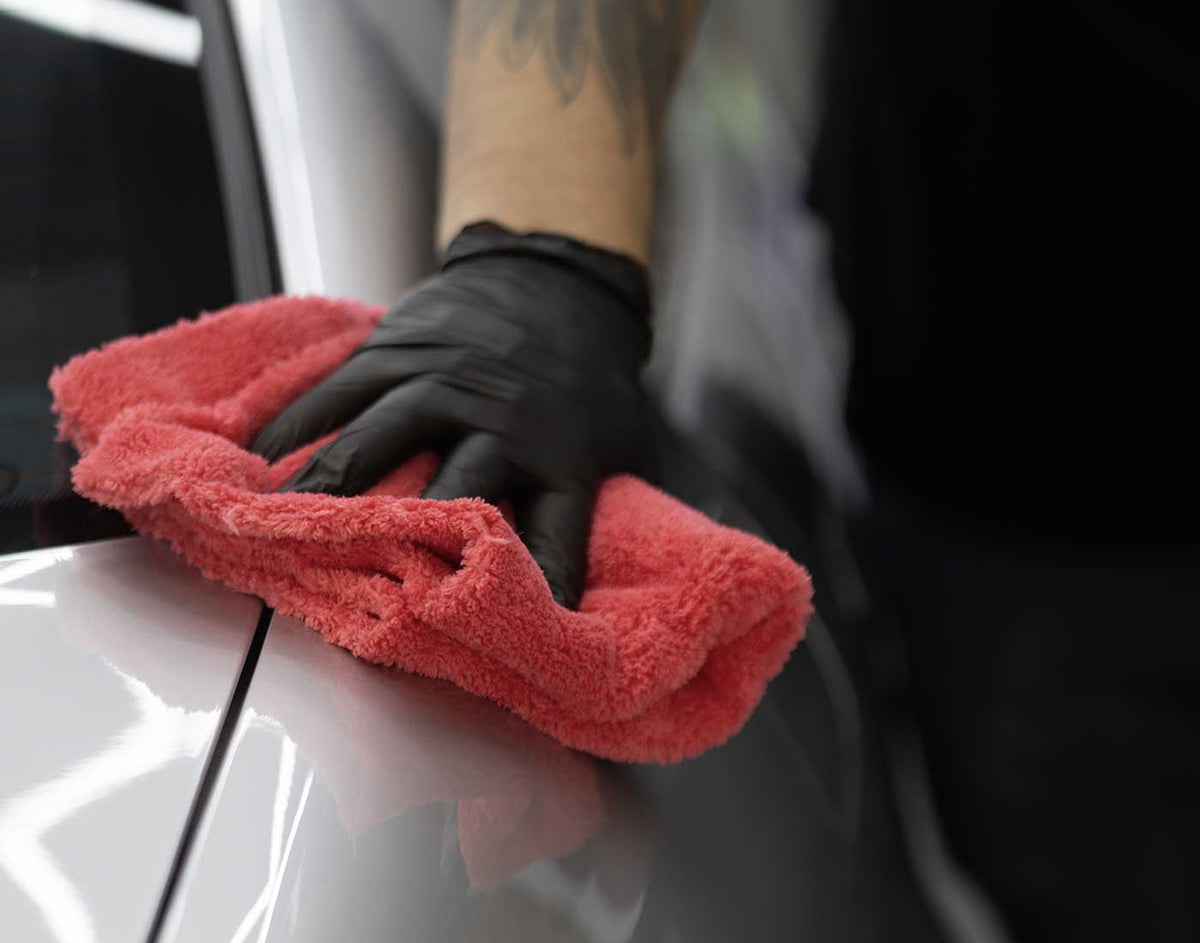


Leave a comment
This site is protected by hCaptcha and the hCaptcha Privacy Policy and Terms of Service apply.