

If you've shopped for paint protection lately, you've seen the hype: "graphene is the next big thing, ceramic is old news." Here's the honest answer up front — graphene coatings are essentially ceramic coatings with a graphene additive mixed in. They share the same silica (SiO₂) backbone, cure into a similar hard, hydrophobic shell, and protect your paint the same fundamental way. The marketing makes them sound like rival technologies. In reality, they're cousins. Let's break down what actually changes, what doesn't, and how to pick the right coating without overpaying for buzzwords.

What a Ceramic Coating Actually Is
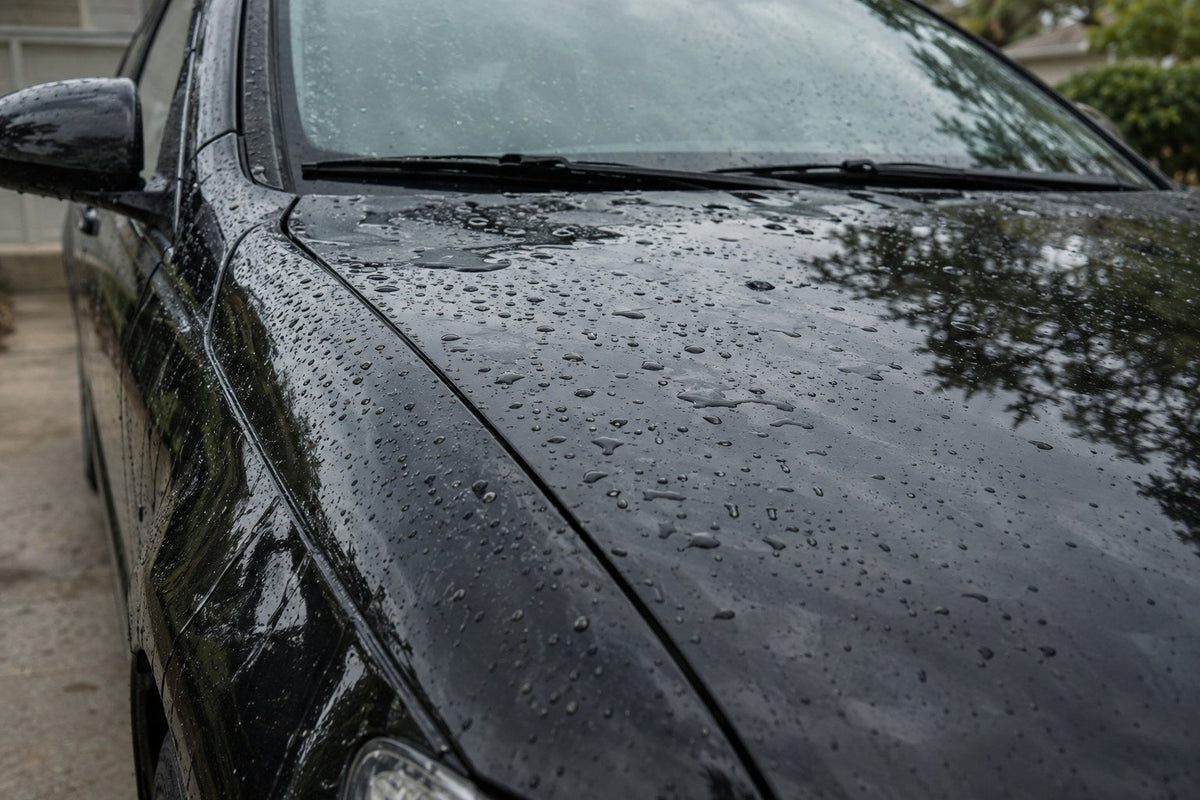
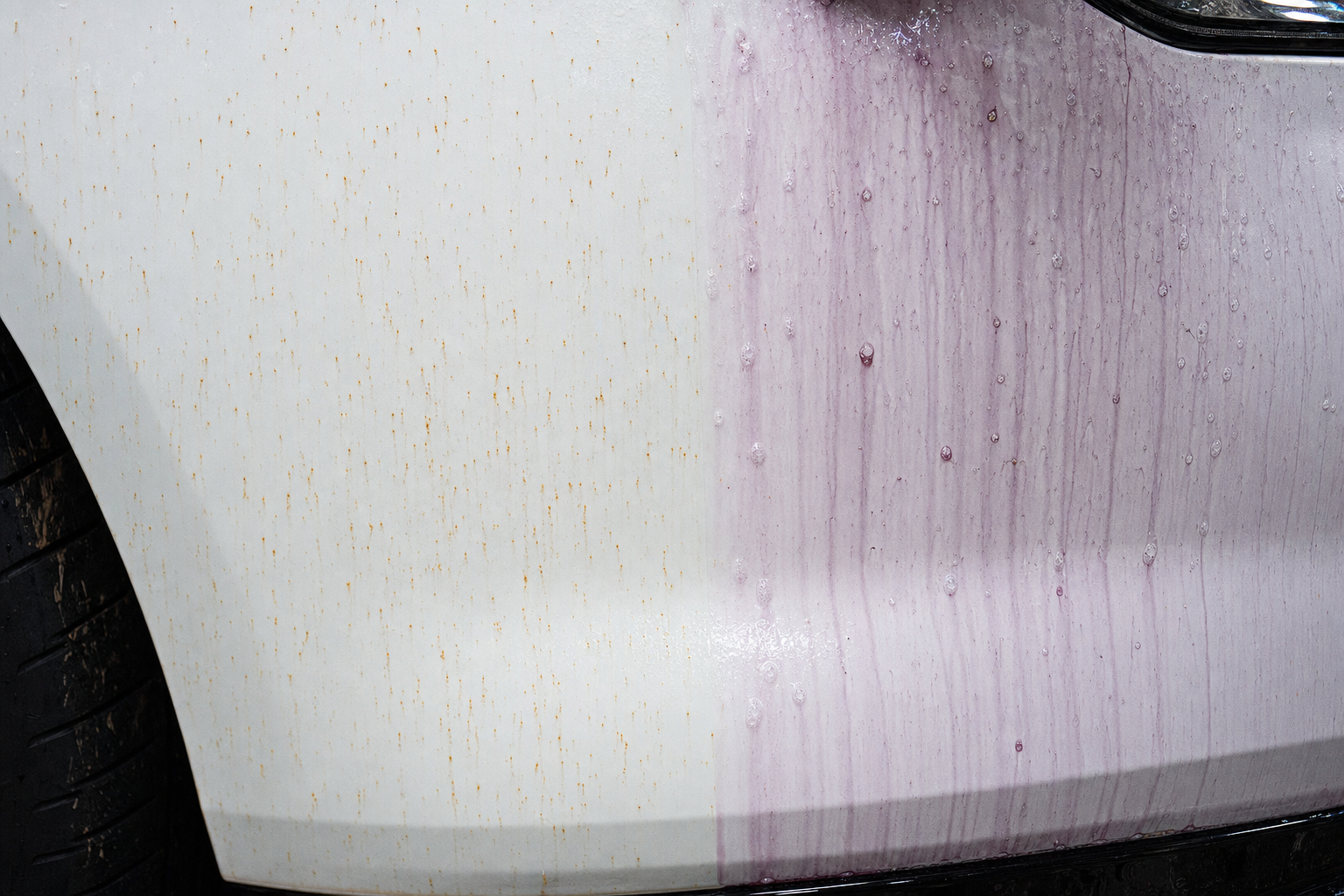
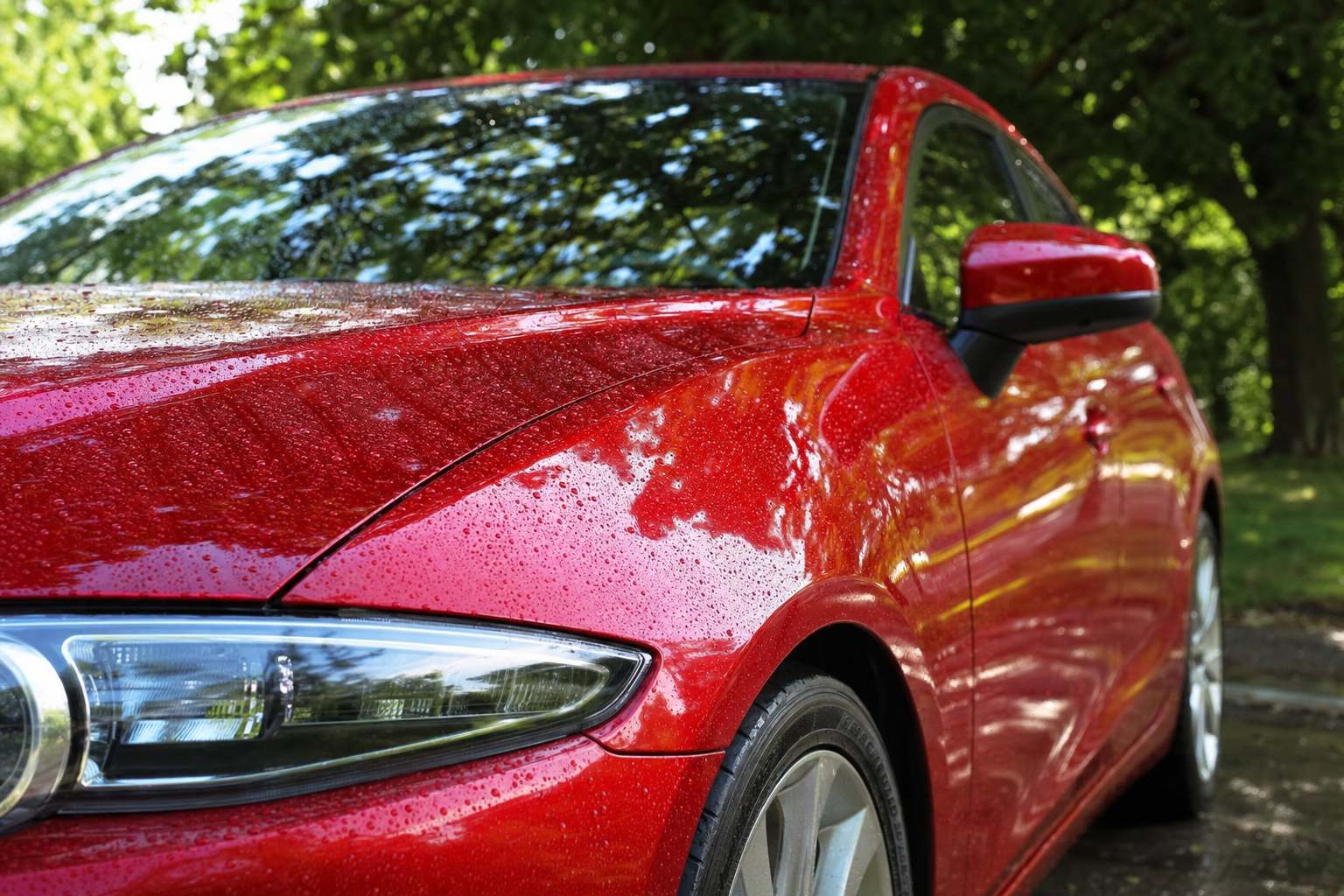
A ceramic coating is a liquid polymer — usually built on silicon dioxide (SiO₂) — that chemically bonds to your clear coat and cures into a thin, glass-like layer. That layer is what gives you the slick feel, the water beading (hydrophobicity), UV resistance, and protection against light contaminants and chemical etching. A quality ceramic coating can block the majority of UV rays that otherwise fade and oxidize your paint over time, which is exactly why coastal and high-sun owners lean on them so hard. According to a peer-reviewed review of automotive coatings, these silica-based composite clearcoats are engineered to resist abrasion, etching, stone chips, and water spotting while extending the life of the factory topcoat (Society of Plastics Engineers, Automotive Division).
So What Does Graphene Add?
Graphene is a single layer of carbon atoms arranged in a hexagonal lattice — incredibly strong, conductive, and water-repellent for its weight. When manufacturers blend graphene oxide into a ceramic formula, the goal is to improve a few specific traits. That same research notes graphene's hydrophobic, layered structure can help delay water and corrosive ions from reaching the metal, and its thermal-dissipation ability may reduce heat absorption on the surface (SPE Automotive). In practical terms, graphene-enhanced coatings tend to claim:
Lower water spotting. Graphene additives can slightly reduce surface temperature swings, which means water beads dry less aggressively and leave fewer mineral spots — a real plus if you live somewhere with hard water or salt spray.
A slightly slicker, "anti-static" feel. Some users report less dust cling and an even glassier surface.
Marginally better durability claims. On paper, graphene composites target very long service life — but real-world longevity still depends mostly on prep, application, and maintenance, not the buzzword on the bottle.
The Honest Truth: The Differences Are Smaller Than the Marketing
Here's where we keep it real. Independent detailers and chemists will tell you the performance gap between a good ceramic and a good graphene coating is modest — and far smaller than the price difference often implies. Detailing educators have repeatedly pushed back on the idea that any consumer coating is "scratch-proof" or "permanent"; coatings resist swirls and contaminants, but they are not body armor (TAS Detailing). The single biggest factor in how long any coating lasts isn't graphene vs ceramic — it's surface prep and how you wash the vehicle afterward.
That's also why the "how many layers" debate matters more than the chemistry label. Most pros recommend two to three layers for the best balance of protection, hydrophobicity, and cost — a single layer blocks a good chunk of UV, but added layers push that protection meaningfully higher (Olson's Auto Detailing).
Where Undrdog Lands — and Why HCC Is the Smart Pick
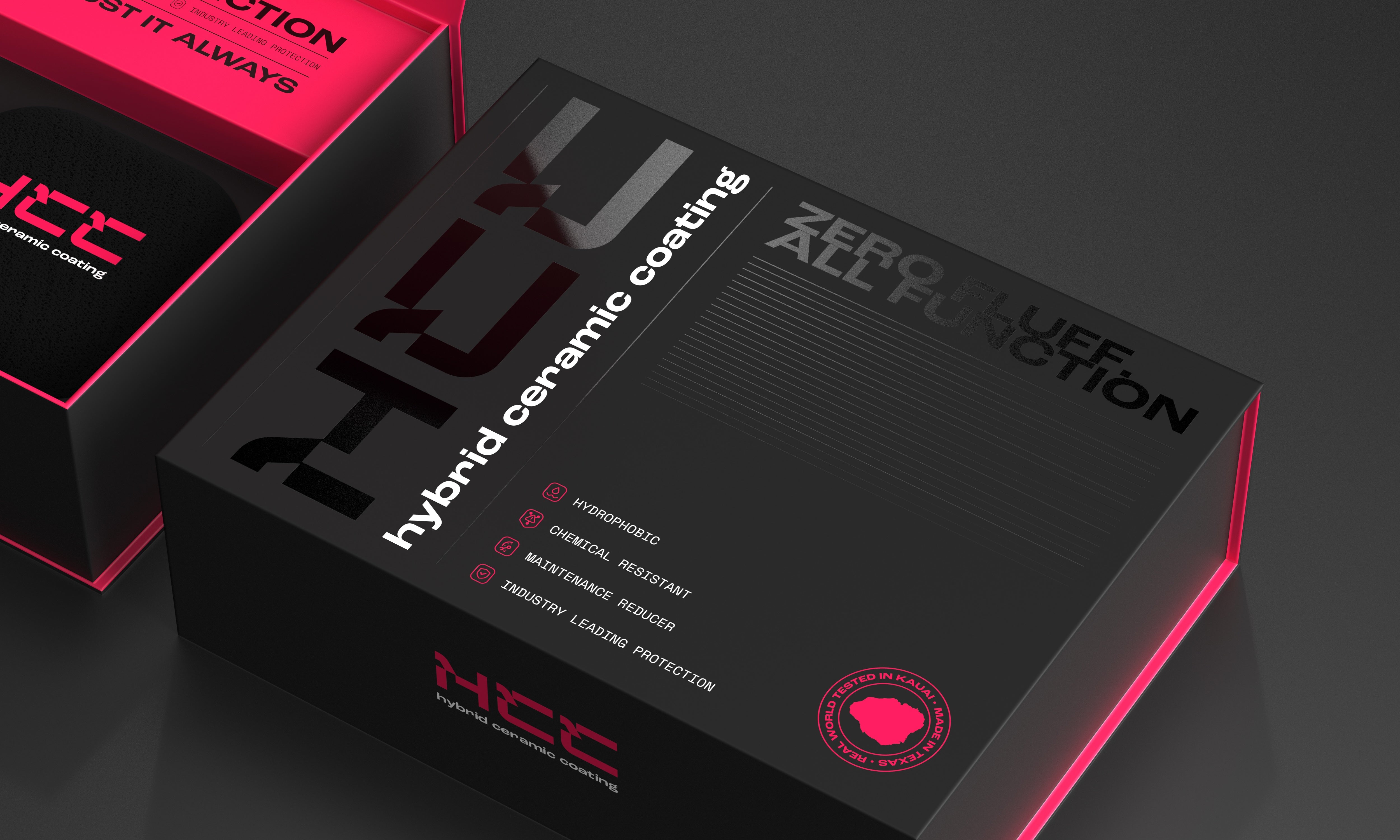
This is exactly why we built HCC – Hybrid Ceramic Coating the way we did. HCC is a hybrid formula engineered to give you the slick, beading, UV-blocking performance of a premium ceramic with forgiving, DIY-friendly application — no detailer markup, no graphene-tax marketing premium. It's our best coating for both cars and boats, and it's the one we point most owners to first. You get the protection that actually matters: hydrophobic water shedding, UV defense, chemical and contaminant resistance, and a deep gloss that holds up in brutal sun and salt environments.

If you're coating a boat or a daily driver that lives near the coast, HCC is where to start. For detailers who want a professional-tier classic, Undrdog Pro Plus is still a workhorse — but for most owners chasing the best protection-per-dollar, the hybrid ceramic wins.
The Bottom Line
Don't let "graphene vs ceramic" turn into a status purchase. Both are silica-based coatings doing the same core job, and the differences are real but incremental. What truly determines your results is the quality of the coating, proper prep, multiple thin layers, and a gentle maintenance wash routine. Pick a coating that's formulated to perform and easy to apply correctly — then protect that investment with good habits.
Ready to give your car or boat a coating that punches way above its price? Start with HCC – Hybrid Ceramic Coating and see why thousands of owners skip the hype and go straight for results.

Leave a comment
This site is protected by hCaptcha and the hCaptcha Privacy Policy and Terms of Service apply.