
Undrdog Pro and Pro Plus share the exact same base chemistry — PTFE, silicon, and paraffin — but different ratios of those ingredients, which is why one isn't simply a "better" version of the other. Pro is the more forgiving formula built for enthusiasts and first-time DIYers; Pro Plus runs a higher silicon concentration for professionals who need maximum gloss and chemical resistance but can handle a shorter working window. Here's exactly when the upgrade to Pro Plus pays off, and when it works against you.

Same Chemistry, Different Ratios
Undrdog Pro and Pro Plus aren't built from different ingredients — they're built from the same three: PTFE, silicon, and paraffin. What separates them is concentration. Pro Plus runs a higher silicon ratio, which is the ingredient doing most of the work on hydrophobicity, gloss, and chemical resistance. That's a genuinely different approach from straight SiO2 ceramic coatings, and it's why Undrdog doesn't market either one as a traditional silica-based ceramic. Industry-wide, this pattern holds across brands: coatings with higher active-ingredient concentration tend to cure into a denser, more chemically resistant film, while lower-concentration versions trade some of that density for easier application — a tradeoff EuroLuxe Detailing's 2026 breakdown of professional vs. DIY coatings lays out clearly when comparing SiO2 concentration ranges between grades. The same regular-versus-plus split shows up on the marine side too — see Undrdog Marine vs Marine Plus.
Pro vs Pro Plus: Side-by-Side
| Factor | Undrdog Pro | Pro Plus |
|---|---|---|
| Base chemistry | PTFE, silicon, paraffin | PTFE, silicon, paraffin (higher silicon ratio) |
| Best for | Enthusiasts, first-time DIYers | Professional installers, detail shops |
| Flash/working time | More forgiving, longer window | Shorter — requires experience to avoid high spots |
| Gloss & chemical resistance | Strong, real ceramic-adjacent protection | Higher — denser film from more concentrated silicon |
| Application risk for beginners | Lower | Higher (narrow buff-off window) |
| Typical use case | Daily drivers, trucks, RVs, boats, DIY jobs | Show cars, client vehicles, harsh-condition daily drivers |
Why Pro Plus Isn't Automatically "Better" for You
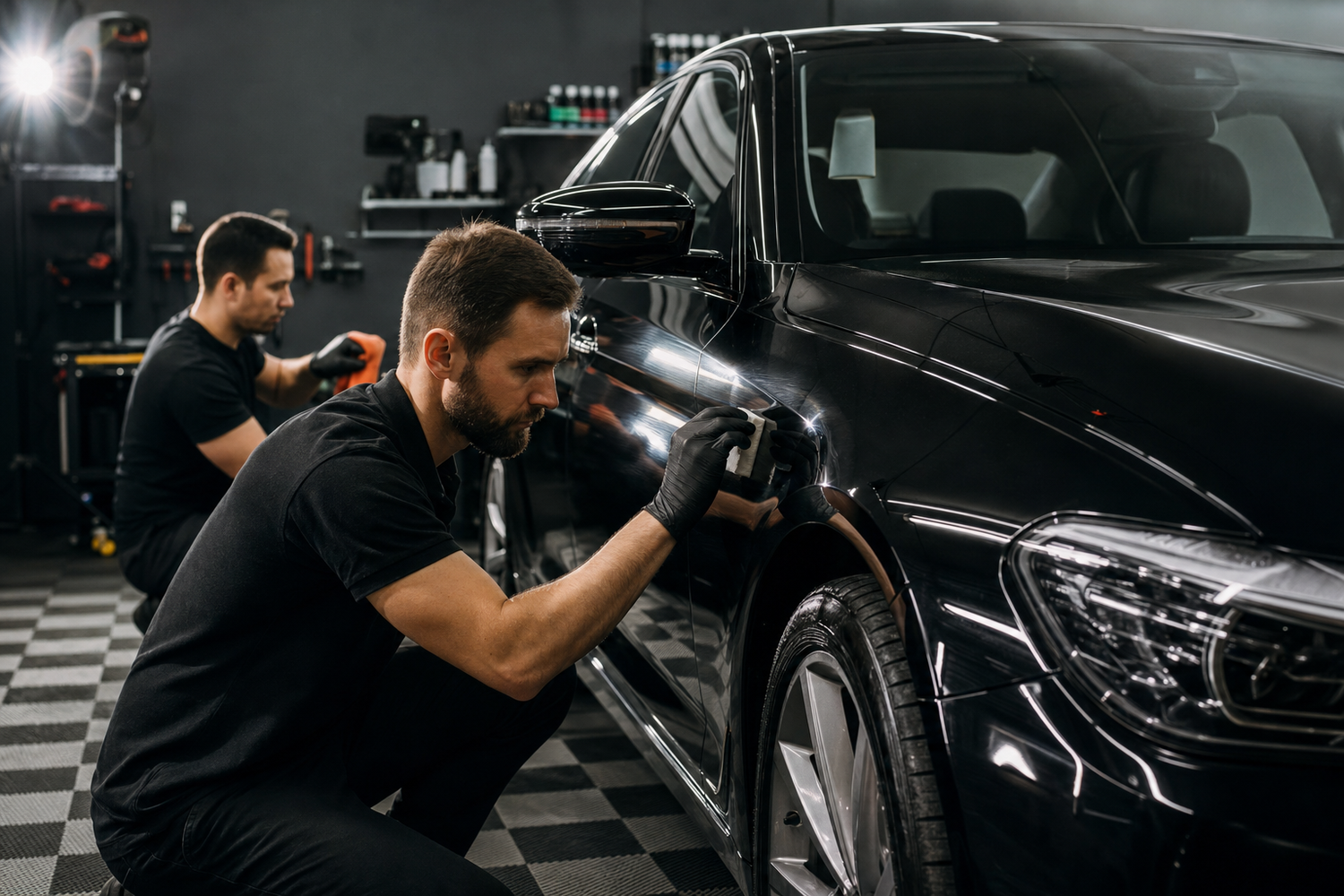
Pro Plus is built for professional installers and shops — the brand is explicit that this one is for seasoned installers, not weekend enthusiasts. The higher silicon concentration means a shorter flash time, so you've got a narrower window between application and buff-off before the product starts setting up on the panel. Rush that window without experience and you risk high spots, streaking, or uneven curing — the exact problems a coating is supposed to prevent, not cause. If you're coating your own daily driver in your garage on weekends, that tight timing works against you, not for you. If you're weighing whether to hire it out instead, our comparison of DIY ceramic coating versus paying a detailer walks through that tradeoff.
Pro, by comparison, is the more forgiving formula for enthusiasts and DIYers who want real ceramic-adjacent protection without threading a professional-grade application window. It's been used successfully across cars, trucks, RVs, and boats by people without a shop behind them, which tells you it's designed for a wider skill range.

Where the Extra Step Pays Off
The upgrade to Pro Plus earns its keep in specific situations, not universally:
- You're a professional detailer or shop charging for premium coating packages — the added chemical resistance and gloss depth are worth passing on to clients who expect top-tier results.
- The vehicle sees harsh conditions — daily exposure to road salt, strong sun, or frequent chemical contact benefits from the denser film Pro Plus builds.
- You already have coating experience — if you've applied ceramic or PTFE-based products before and understand flash timing, you can handle the shorter working window Pro Plus demands.
- The finish matters as much as protection — Pro Plus is formulated for extra gloss and depth on top of its resistance gains, which matters more on show cars and client vehicles than daily commuters.
Where It Doesn't
If you're applying your own coating for the first time, doing it outdoors or without ideal lighting and temperature control, or working alone without a second set of hands to help buff before flash-off, Pro Plus's shorter working window works against you. In those cases, Undrdog Pro gives you more margin for error while still delivering meaningfully better hydrophobic behavior and chemical resistance than wax or a basic sealant. Buying the "better" bottle doesn't help if the application difficulty means you don't get an even application in the first place.

Maintenance Expectations for Either One
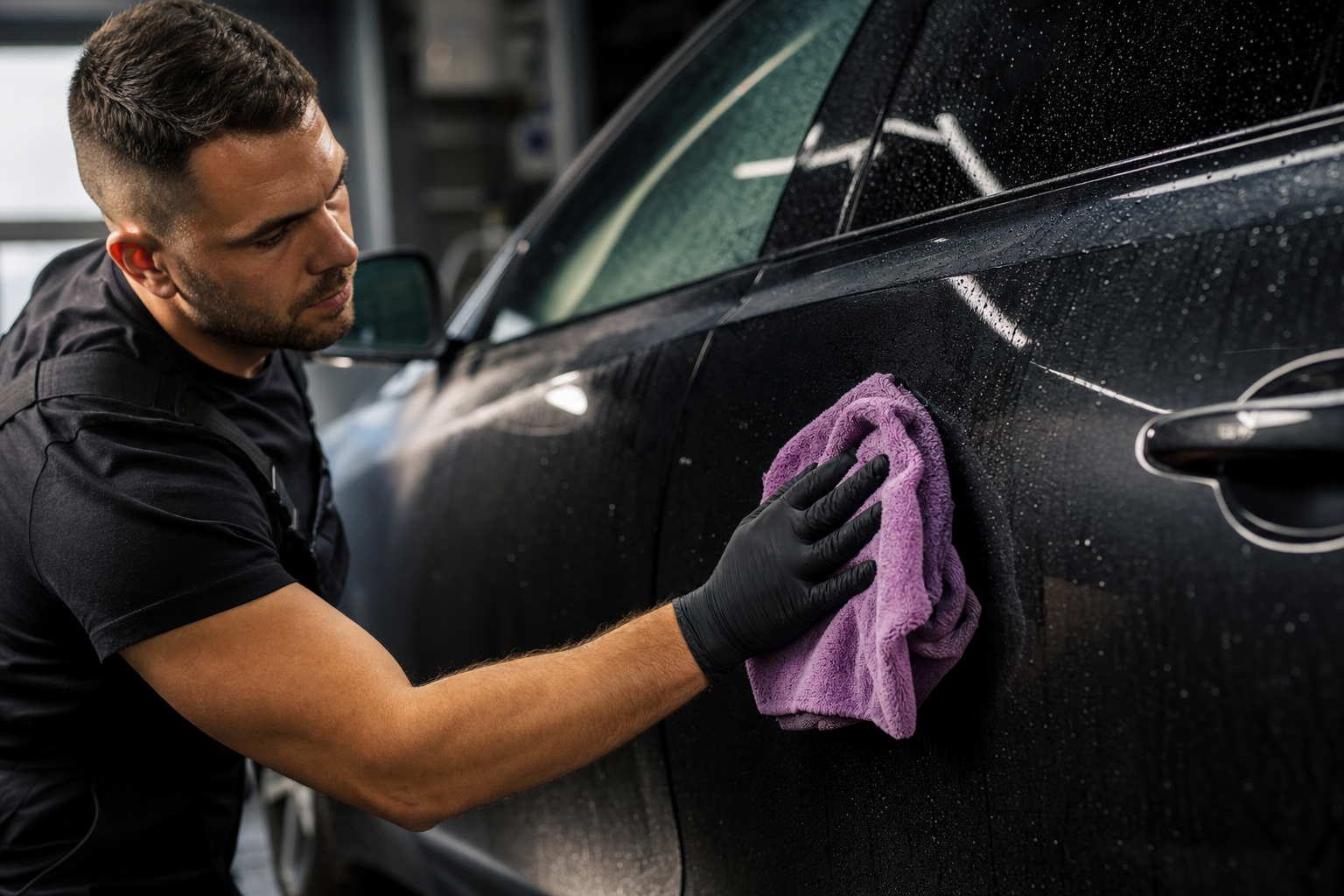
Regardless of which one you choose, both require similar aftercare: keep the vehicle dry for the first 24 hours, avoid strong detergents for about 5 days while the coating fully cures, and stick to a pH-balanced soap afterward. Neither formula eliminates the need for regular washing — they both reduce how hard dirt and grime bond to the surface, which makes maintenance washes faster and less abrasive over time, not optional. A Quick Detail spray between washes helps refresh slickness on either product without adding a full coating layer. For a longer-term care routine once either product is on the car, see how to maintain a ceramic-coated car for maximum longevity.
Frequently Asked Questions
Can I apply Pro Plus myself if I've never coated a car before?
You can, but it's a harder first attempt than starting with Pro. The shorter flash time leaves less room to fix mistakes mid-application, so first-timers typically get more consistent results with the standard formula.
Does Pro Plus last meaningfully longer than Pro?
The higher silicon concentration does improve durability and chemical resistance, but actual lifespan depends heavily on climate, wash habits, and how well the surface was prepped before application — treat any specific timeframe as a range, not a guarantee.
Can I switch from Pro to Pro Plus later, or mix them?
You can apply either over a properly prepped, decontaminated surface, but there's no benefit to layering both — pick the one that matches your skill level and vehicle needs, then maintain it consistently.
Is Pro Plus a true ceramic coating like HCC?
No — Pro and Pro Plus are PTFE/silicon/paraffin-based formulas, a different chemistry from HCC's hybrid resin matrix. If you want a cross-surface, multi-year ceramic specifically, see our HCC hybrid ceramic coating guide.
What's the biggest application mistake with Pro Plus?
Working too large a section at once. The shorter flash window punishes trying to coat a whole hood before buffing — work smaller panels in sequence instead.
Does either product work on trucks, RVs, or boats, not just cars?
Yes — both have been used successfully across cars, trucks, RVs, and boats. Pro's more forgiving window makes it the easier choice for larger surfaces tackled solo.
How soon can I wash the car after applying either product?
Avoid strong detergents for about 5 days while the coating fully cures. Light rinsing is generally fine sooner, but hold off on a full soap wash until the cure window has passed.
If you're weighing which one to buy, be honest about your application setup and experience first. Start with Undrdog Pro if this is your first coating job, and consider Pro Plus once you've got the technique dialed in or you're coating professionally.


Leave a comment
This site is protected by hCaptcha and the hCaptcha Privacy Policy and Terms of Service apply.