
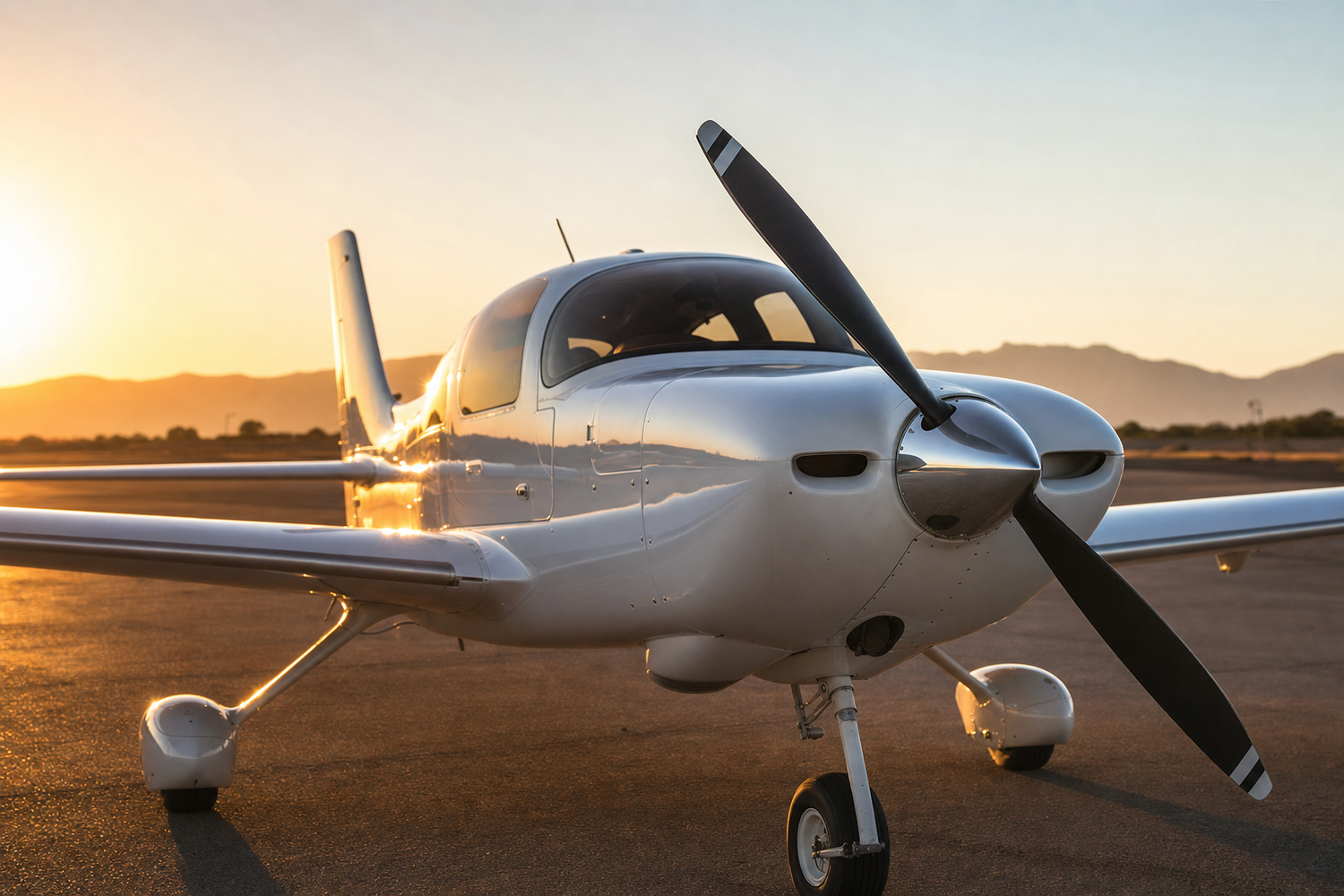
Ceramic coating protects general aviation aircraft paint from UV aging, exhaust and hydrocarbon staining, and ramp grime the same way it protects a car's clear coat — it doesn't stop contamination from landing on the airframe, but it reduces how aggressively that contamination bonds, making washdowns faster and slowing gloss loss. HCC's all-surface compatibility across paint, metal, and other hard surfaces makes it a legitimate option here, applied carefully and within your maintenance program's guidelines.

Why Aircraft Paint Takes a Different Kind of Beating
Aircraft paint deals with intense, sustained UV exposure at altitude, rapid temperature swings between ground and cruise, exhaust staining near engine outlets, and constant exposure to fuel and oil residue during fueling and maintenance. Ramp environments add their own contamination — jet exhaust, tarmac chemicals, and airport dust settle on the airframe every time it's parked outside. None of that is unique to aviation individually, but the combination and the frequency of exposure is more aggressive than what a typical car deals with.
What a Coating Actually Changes
According to Aeroshine's overview of aircraft ceramic coating, a properly applied ceramic coating protects against soot and hydrocarbon build-up, UV aging, and general pollutant damage with a hard, durable additional layer over the paint. Coatings are also described as extending paint life meaningfully and reducing ongoing maintenance effort compared to an uncoated airframe, since contamination has less opportunity to bond to the surface between cleanings. Brightwork Aviation's description of their ceramic coating process notes that the coating chemically bonds to the paint as a flexible, transparent layer — flexible enough that it doesn't crack as wings and control surfaces flex during flight, which matters in a way it simply doesn't for a stationary car panel.
Where HCC Fits
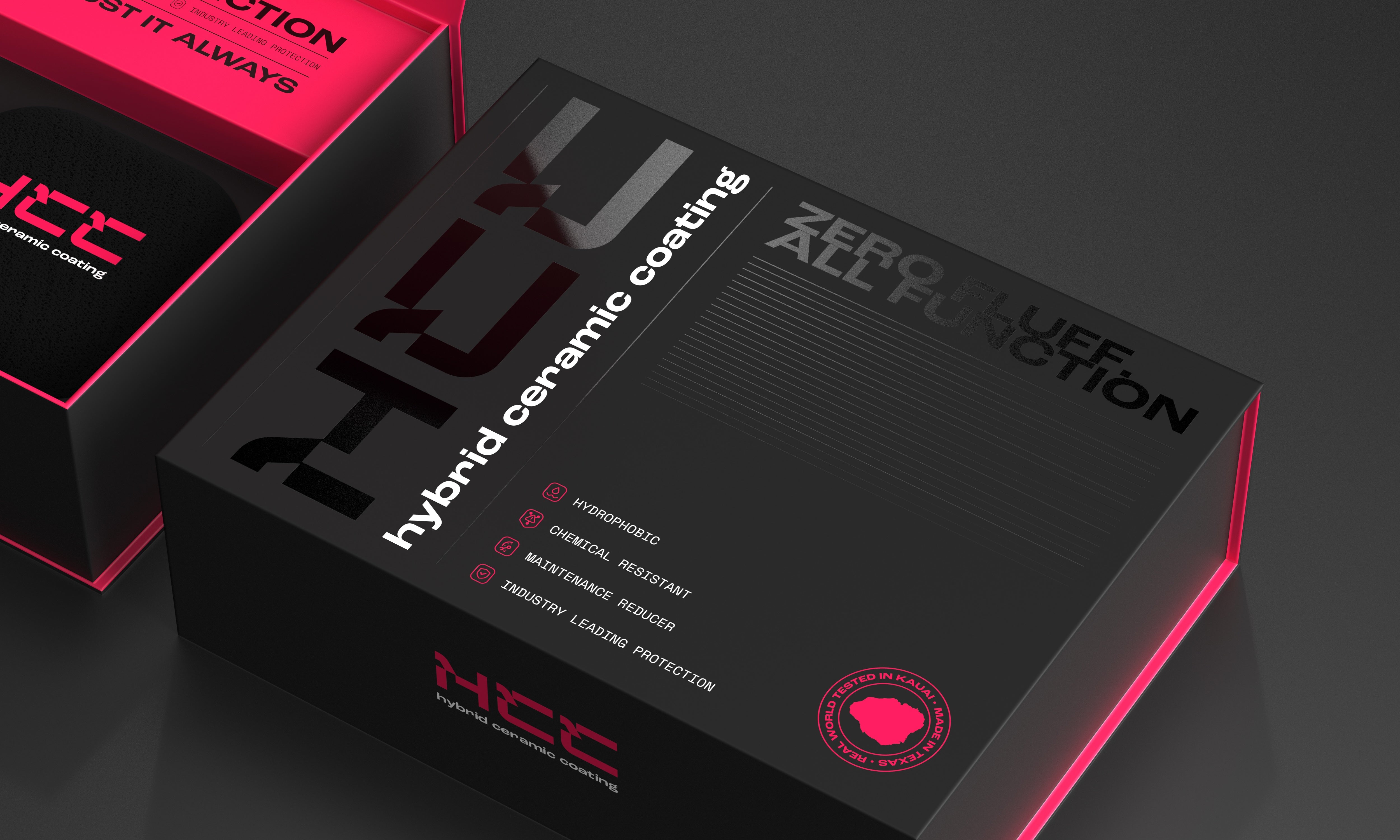
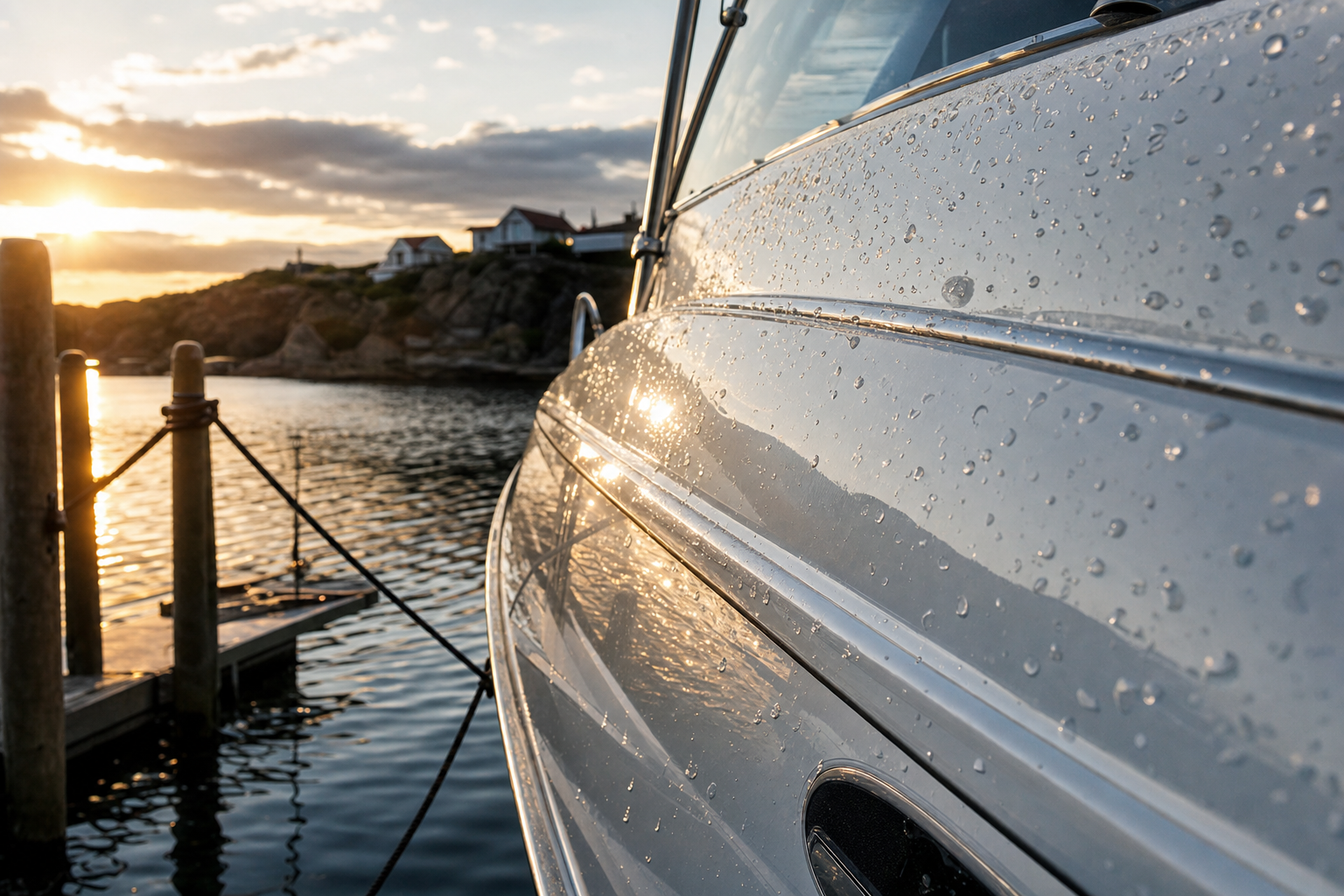
HCC is built as an all-surface hybrid ceramic coating, which is relevant here because an aircraft isn't just painted aluminum — it's a mix of painted panels, exposed metal fittings, and sometimes composite or fiberglass control surfaces. Rather than needing a separate product for each material, HCC's cross-surface compatibility means the same coating logic that works on a car's paint and wheels, or a boat's hull and hardware, extends to an airframe's painted surfaces and metal components without switching chemistries mid-project. It's the same reasoning that makes HCC a fit for coating a bicycle frame — one hybrid formula covering very different exposure conditions. That said, any coating work on an aircraft should stay within your maintenance program's guidelines and avoid control surfaces or areas where coefficient of friction, weight, or inspection access could matter — this is cosmetic and protective paint care, not a structural or aerodynamic modification.

What Owners Should Actually Expect
A coating reduces how aggressively contamination bonds to the surface and makes routine wash-downs faster and less abrasive, since you're not scrubbing baked-on exhaust residue off bare paint every time. It doesn't eliminate the need for regular washing, and it doesn't replace the corrosion inspections and control surface checks that are part of normal maintenance — it's a protective layer on top of a maintenance routine you're already required to follow, not a substitute for it.
Prep Matters Even More on an Airframe
Paint correction and thorough decontamination before coating application matter just as much here as on a car — arguably more, given how much exhaust and hydrocarbon residue accumulates near engine cowlings and exhaust stacks. Any coating applied over unaddressed contamination will trap that residue underneath rather than protecting against it, so a proper wash and decon pass before application isn't optional. Our general guide to the correct paint decon order before coating covers the same wash-decon-polish-coat sequence that applies here.

Frequently Asked Questions
Is ceramic coating safe to use anywhere on an aircraft?
Coating work should be limited to painted surfaces and appropriate exterior components, and should never interfere with control surfaces, static ports, pitot tubes, or anything relevant to airworthiness. When in doubt, check with your maintenance provider before treating unfamiliar areas.
Does a coating reduce drag or improve performance?
Some coating providers describe smoother surface finishes contributing to minor efficiency gains, but this shouldn't be the primary reason to coat an aircraft — the main benefit is protecting the paint and simplifying cleaning, not a meaningful performance upgrade.
How is this different from coating a car?
The chemistry and application process are similar, but aircraft deal with more extreme UV exposure, temperature cycling, and hydrocarbon contamination near exhaust areas, plus flex considerations at control surface joints that a car panel never experiences.
Will a coating hide existing paint damage or corrosion?
No. Coating locks in whatever condition the surface is in when applied — it won't hide oxidation, corrosion, or existing paint defects. Address those issues through proper correction before coating.
How often does an aircraft coating need maintenance?
It depends on how often the aircraft flies and how much ramp exposure it gets, but expect gradual fade in hydrophobic and anti-contamination performance over time, similar to automotive coatings — refresh maintenance washdowns and toppers as needed.
Can I apply the coating myself, or does it need a maintenance provider?
Cosmetic coating application on exterior paint can often be done by an owner or detailer, but always confirm with your maintenance program that the work stays clear of airworthiness-relevant components and doesn't conflict with inspection requirements.
Does coating protect against bird strikes or hail damage?
No. Coating is a protective layer against chemical and UV degradation, not an impact-resistant barrier. It has no effect on protecting against physical impact damage.
Keeping an airframe's paint protected is really about reducing the compounding effect of UV, exhaust residue, and ramp grime over years of exposure. If you're already using HCC on a car or boat, the same protective logic — applied carefully and within your maintenance program — extends naturally to an aircraft's painted surfaces.


Leave a comment
This site is protected by hCaptcha and the hCaptcha Privacy Policy and Terms of Service apply.