

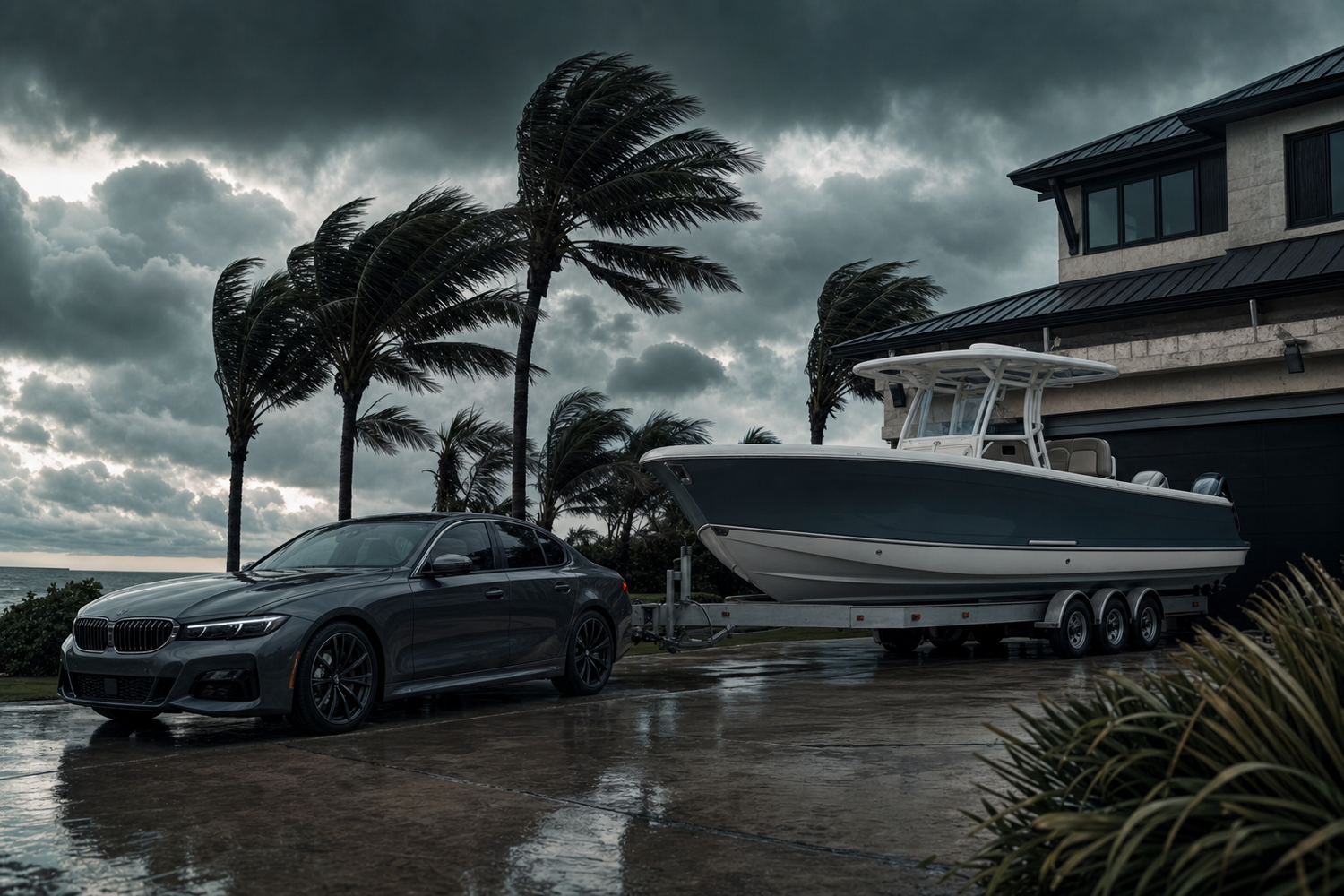
Hurricane prep for your car and boat comes down to three windows: before landfall (move to safety, secure mooring, wash and inspect), during the storm (don't drive through flooding, use proper multi-anchor mooring), and after (rinse salt and silt off immediately, then wash and check for embedded contamination). NOAA's 2026 Atlantic outlook calls for a below-normal season, but forecasters are clear that storm count doesn't predict landfall risk for your specific location — so "probably quiet" isn't a prep plan.

Before: Get Ahead of the Forecast, Not Behind It
Once a storm enters the five-day cone anywhere near your coastline, you're racing against fuel lines, plywood shortages, and everyone else's last-minute checklist. Handle the boring stuff early:
- Move your car to higher ground if you're in a flood-prone area — storm surge and street flooding are the two most common causes of total-loss vehicle damage, not wind.
- Check your boat's mooring or trailer setup now, not the day before landfall. If it's trailerable, know exactly where you're storing it and confirm that location is inland and secure.
- Wash and inspect exterior surfaces before the storm, not after — salt spray, storm surge residue, and debris impact are far easier to deal with on a clean, protected surface than one already coated in grime.
- Charge boat batteries and test bilge pumps so they can run automatically through the storm if you're not able to check on the boat.
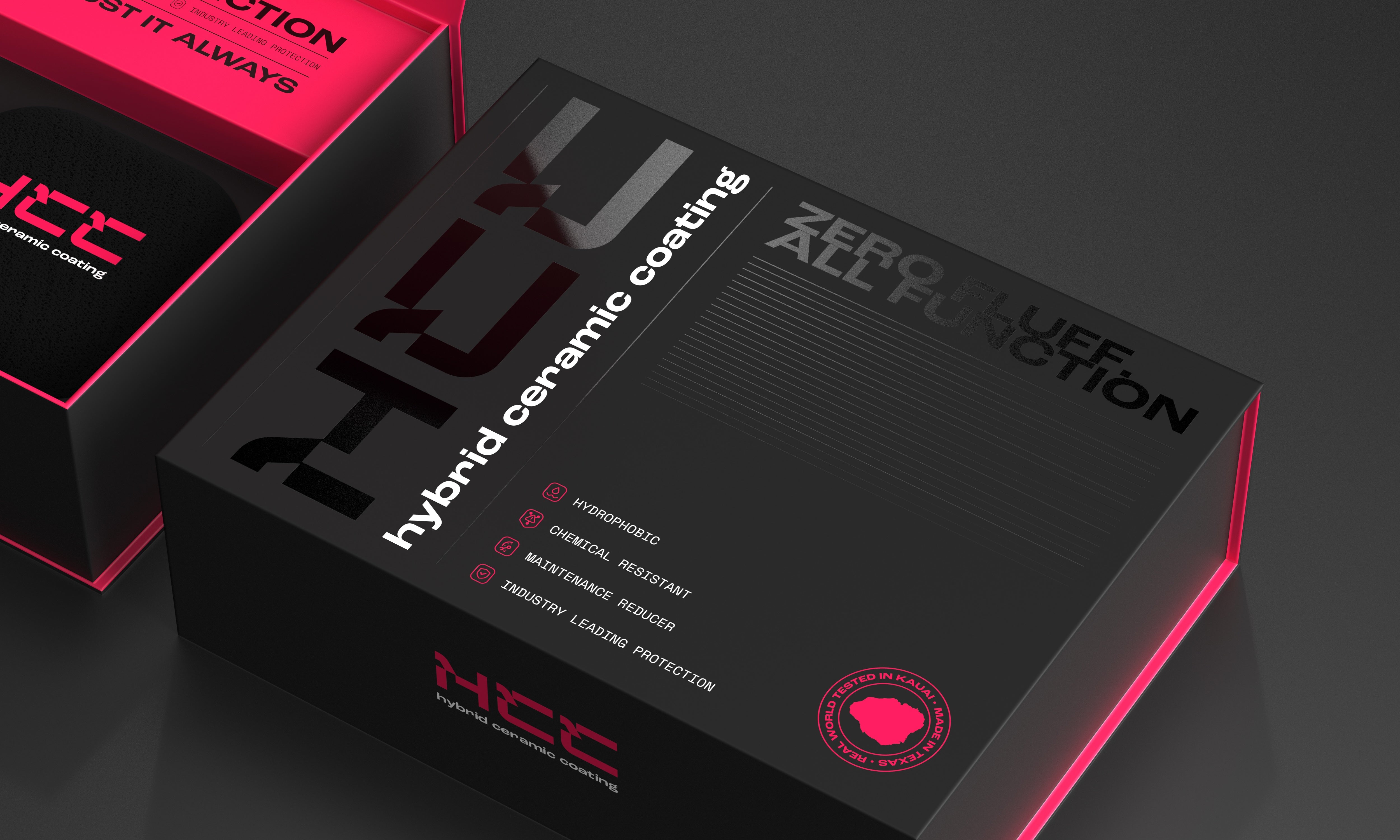
If your boat's gelcoat or your car's clear coat already has a maintained ceramic layer like HCC on it, contaminants from storm surge and floodwater — which often carry saltwater, fuel residue, and debris — have less chance to bond aggressively to the surface while you're dealing with more urgent priorities. Gelcoat already showing chalkiness going into storm season is even more vulnerable; our guide on why boat gelcoat turns chalky and how to restore the shine covers getting ahead of that before hurricane season peaks.
During: Don't Improvise, Follow the Basics
For boats staying in the water, proper hurricane mooring practice from marine safety groups recommends two anchors set at roughly 45 degrees rather than relying on one, since a single anchor can twist loose as tides and wind direction shift. Dock lines should be set with clean cleat hitches, not loose wraps, and left with enough slack for the boat to move without snapping the line under tension. For cars, the priority is simple: get them away from trees, power lines, and low-lying areas, and don't attempt to drive through active flooding — most storm-related vehicle deaths come from driving into water, not wind damage.
After: Salt, Silt, and Standing Water Are the Real Threat to Your Finish
Once the storm passes, the damage to paint and gelcoat often isn't from the wind itself — it's from what gets left behind. Storm surge deposits salt, silt, and organic debris that sits on painted and gelcoated surfaces for days before most people get around to washing it off. That combination is exactly the kind of bonded contamination that etches into a clear coat or gelcoat if left too long.

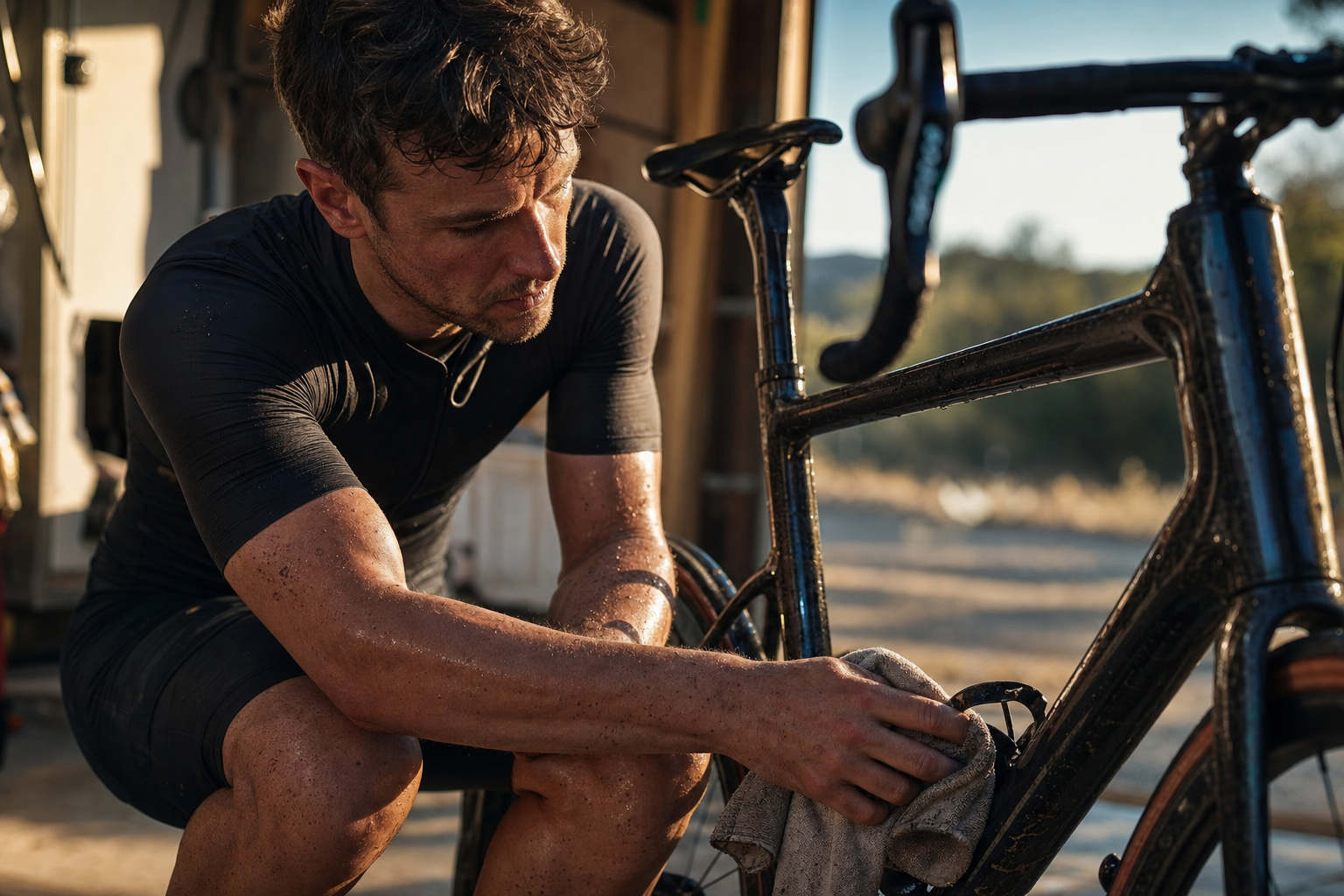
- Rinse as soon as it's safe — even a plain freshwater rinse from a hose reduces how long salt and silt sit on the surface.
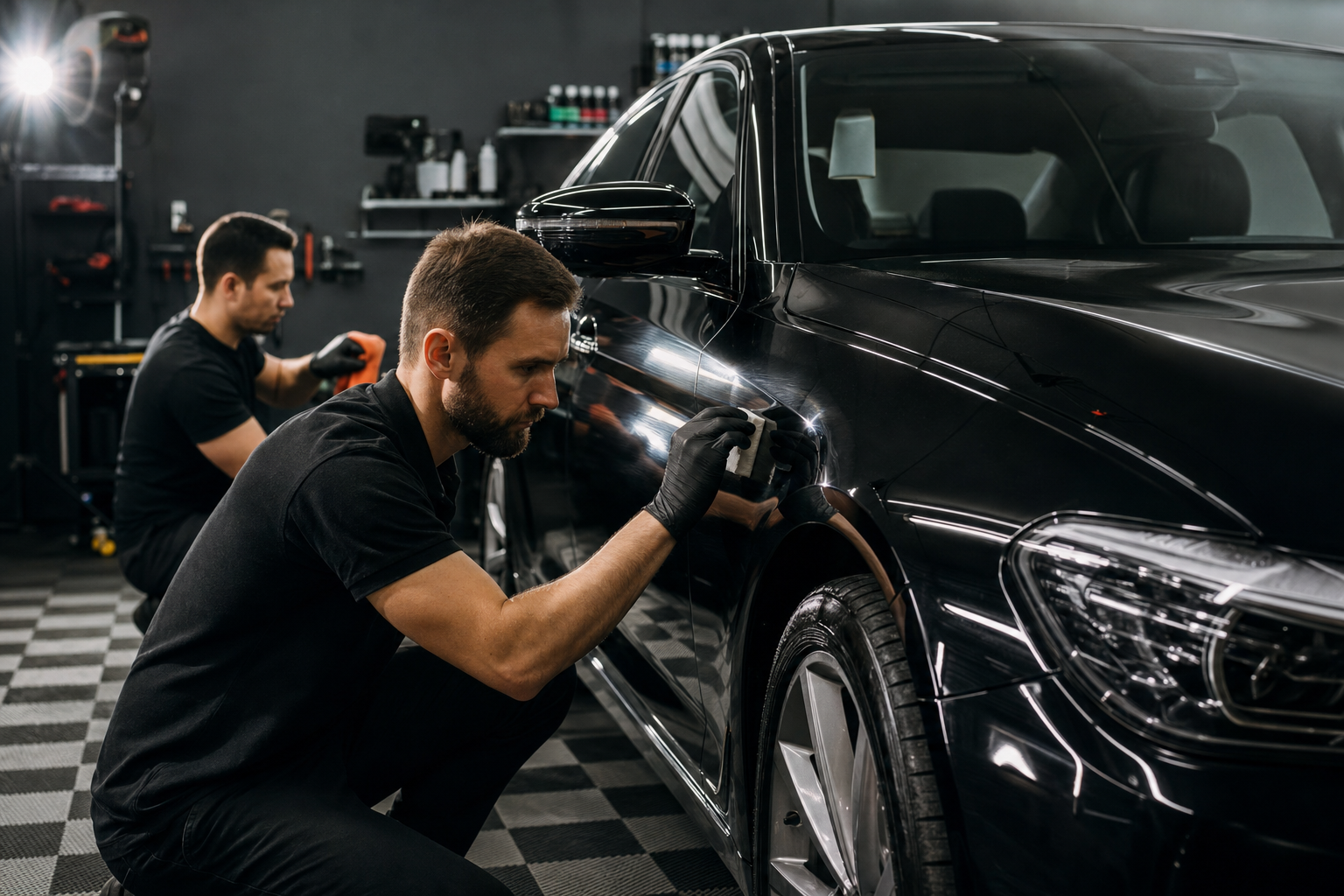
- Follow with a proper wash using a pH-neutral soap once you can do a full wash safely.
- Check for embedded contamination — if the surface feels rough after washing, an iron and fallout remover like The Purps helps pull out bonded storm residue before it causes etching.
- Inspect for storm damage — debris impact, tree sap, and floodwater staining are common even without major structural damage, so a full walk-around matters even if everything "looks fine" from ten feet away.
The same acidic-residue problem shows up after wildfire events too — our guide to cleaning wildfire ash and soot off a car covers a similar "rinse before you touch it" approach.
Storm Prep Checklist by Timing
| Phase | Car | Boat |
|---|---|---|
| Before (5-day cone) | Move to higher ground; wash and inspect paint | Confirm mooring/trailer plan; charge batteries; test bilge pumps |
| During | Avoid flooded roads; stay away from trees and power lines | Two anchors at ~45°; secure cleat hitches with slack |
| After | Rinse salt/silt ASAP; full wash; iron decon if rough | Rinse hull and hardware; inspect for debris impact and staining |
Why Coating Condition Matters More During Storm Season
A coated surface doesn't stop storm damage, but it does buy you time. Water and light contamination bead and sheet off a well-maintained hydrophobic surface instead of sitting and drying into a film, which matters when you can't get to a full wash for a few days after a storm because roads are blocked or you're dealing with bigger problems. This is exactly the situation where HCC's cross-surface compatibility helps — the same coating protecting your car's clear coat can be on your boat's gelcoat too, so you're not maintaining two completely different protection strategies during the most stressful weeks of the season.

Frequently Asked Questions
Should I wax or coat my car and boat specifically because of hurricane season?
If you're already due for maintenance, timing it before hurricane season (June through November) makes sense so your surfaces have fresh protection heading into the riskiest months. It's not a substitute for physical storm prep like moving vehicles to safe ground.
How soon after a storm should I wash off salt and storm residue?
As soon as it's safe to do so — ideally within a day or two. The longer salt, silt, and floodwater residue sits on paint or gelcoat, the more likely it is to etch or bond into the surface.
Does a below-normal forecast mean I can skip prep this year?
No. NOAA's own seasonal outlooks caution that storm count doesn't predict landfall risk for any specific location — a below-normal season can still produce a major hurricane that directly hits your area.
Is it safe to drive through standing water after a storm?
No. Most storm-related vehicle deaths come from driving into flooded roads, not from wind damage. Avoid any road with standing water, regardless of how shallow it looks.
What's the biggest mistake boat owners make before a storm?
Relying on a single anchor point. Marine safety groups recommend two anchors at roughly 45 degrees so tide and wind shifts don't twist a single line loose.
Can I coat my boat right before a storm hits?
No — coatings need days to cure properly, and rain or humidity during that window can compromise the bond. Time any coating work well ahead of storm season, not in the immediate lead-up to a forecasted system.
Will a ceramic coating stop storm damage entirely?
No coating prevents physical storm damage like debris impact or flooding. What it does is reduce how aggressively salt, silt, and floodwater residue bond to the surface afterward, buying you time during cleanup.
Storm season prep isn't glamorous, but a clean, protected surface going into it — and a fast rinse-and-wash routine coming out of it — saves you from compounding storm stress with paint and gelcoat damage that was actually preventable. If your exterior protection is overdue, HCC is worth getting on before the next system starts spinning up.

Leave a comment
This site is protected by hCaptcha and the hCaptcha Privacy Policy and Terms of Service apply.