


Fall leaves damage car paint because they hold tannic and acidic tree sap that etches clear coat as it sits, especially when leaves get wet, warm, and left for days. The fix is a three-part fall prep: strip off any summer contamination that's already bonded to the paint, apply a durable hydrophobic protection layer before leaves start dropping, and stay on a short wash-and-check cadence through the season. Skip the prep and you'll spend spring paying for paint correction to remove leaf-stain outlines you didn't know were coming.
This guide walks through why fall is the highest-risk paint season most drivers underestimate, exactly how leaves, sap, acorns, and cool damp weather bond contamination to your clear coat, the 2026 fall prep sequence in the order the steps actually need to happen, and how a quality ceramic coating like HCC changes the whole equation from "constant defense" to "wipe and move on."

Why Fall Is Actually the Highest-Risk Season for Paint Damage
Summer is the season everyone talks about — UV, bugs, sap. Winter gets the salt attention. Fall gets ignored, and that's exactly why so many cars come out of it with etched clear coat and a dull finish that wasn't there in August. Three things stack up in fall that don't happen in any other season:
- Wet leaves hold acidic sap against paint. Per Consumer Reports, wet leaves contain tree sap that is acidic and can damage the finish on a car's paint — the leaf acts like a slow-release compress that etches an outline into your clear coat.
- Cool damp weather slows evaporation. Water and sap that would flash off in July summer heat sits on cool fall paint for hours or days, giving contaminants time to bond.
- Trees are shedding sap, honeydew, seeds, and acorns simultaneously. A single September–October week can drop more bonded contamination on paint than the entire rest of the year combined, especially if you park under maple, pine, birch, or oak.
Then temperatures drop below the effective range for most protection products before you notice the damage. That's the trap — fall damage compounds silently, then winter locks it in.
What Actually Damages Paint in Fall
Not every leaf ruins your clear coat, but a specific combination of contaminants creates the seasonal risk profile you need to protect against.
Tannic Acid From Wet Leaves
Fallen leaves release tannic acid as they decompose. When a wet leaf sits on horizontal paint (hood, roof, trunk) for more than a day or two, the acid concentrates against the clear coat and etches a permanent leaf-shaped outline. The outline is not on top of the paint — it's in the clear coat, and the only way to remove it is machine polishing.
Tree Sap and Honeydew
Sap is acidic. It bonds to clear coat within hours in cool damp weather and hardens into a rock-hard resin that plain soap and water will not remove. Honeydew — the sticky substance aphids drop when they feed on tree leaves — is worse because it's stickier, spreads over larger areas, and often falls in a fine mist you don't notice until you touch the paint. Our tree sap and honeydew removal guide covers the safe removal method once damage is present.
Acorns, Pine Needles, and Seed Pods
Acorns cause direct mechanical damage — dents, chips, and paint punctures when they fall from height. Pine needles get lodged in cowl vents, sunroof drains, and window channels where they trap moisture and cause hidden corrosion. Both are worse if trees near your parking spot bear heavy fruit this season.
Cool Damp Mornings and Bird Droppings
Fall mornings pool moisture on paint for hours. That moisture reactivates dried bird droppings, tree sap, and pollen from summer, and pulls them back into an active-etching state. A summer bird dropping you cleaned in July can leave a fall etch mark you didn't earn.

The 2026 Fall Prep Sequence
The order matters. Doing these steps out of sequence wastes product and locks contamination under the protection layer instead of removing it.
Step 1: Strip and Deep-Wash the Paint
Start with a stripping wash using a pH-neutral car soap like Undrdog Soap, two buckets with grit guards, and a plush wash mitt. Focus on horizontal surfaces and lower body panels where summer road film accumulates. If you have an existing wax or old sealant, this wash removes it so the next steps can do their job.
Step 2: Iron and Fallout Decontamination
Iron fallout from brake dust and roadside debris has been accumulating on your paint all summer. It won't come off in a normal wash. Spray The Purps on cool dry paint, let it dwell 3–5 minutes until you see the purple bleed reaction, agitate lightly with a wash mitt, and rinse thoroughly. This step alone removes the "gritty feel" most drivers accept as normal paint texture.
Step 3: Clay Bar the Bonded Contamination
After chemical decon, anything still bonded to the paint — tar, tree sap, overspray, dried honeydew — needs mechanical removal. Use a clay bar or clay mitt with generous clay lubricant. Work one panel at a time, wipe clean, inspect. Our step-by-step clay bar guide walks through the safe technique that avoids marring.
Step 4: Optional Light Polish
If the paint has swirl marks, light etching from summer, or dull spots, a one-step polish now — before you apply protection — restores gloss and gives you a smooth surface for the coating to bond to. If the paint looks and feels good after decon and clay, skip this and go straight to protection.
Step 5: Apply Durable Protection
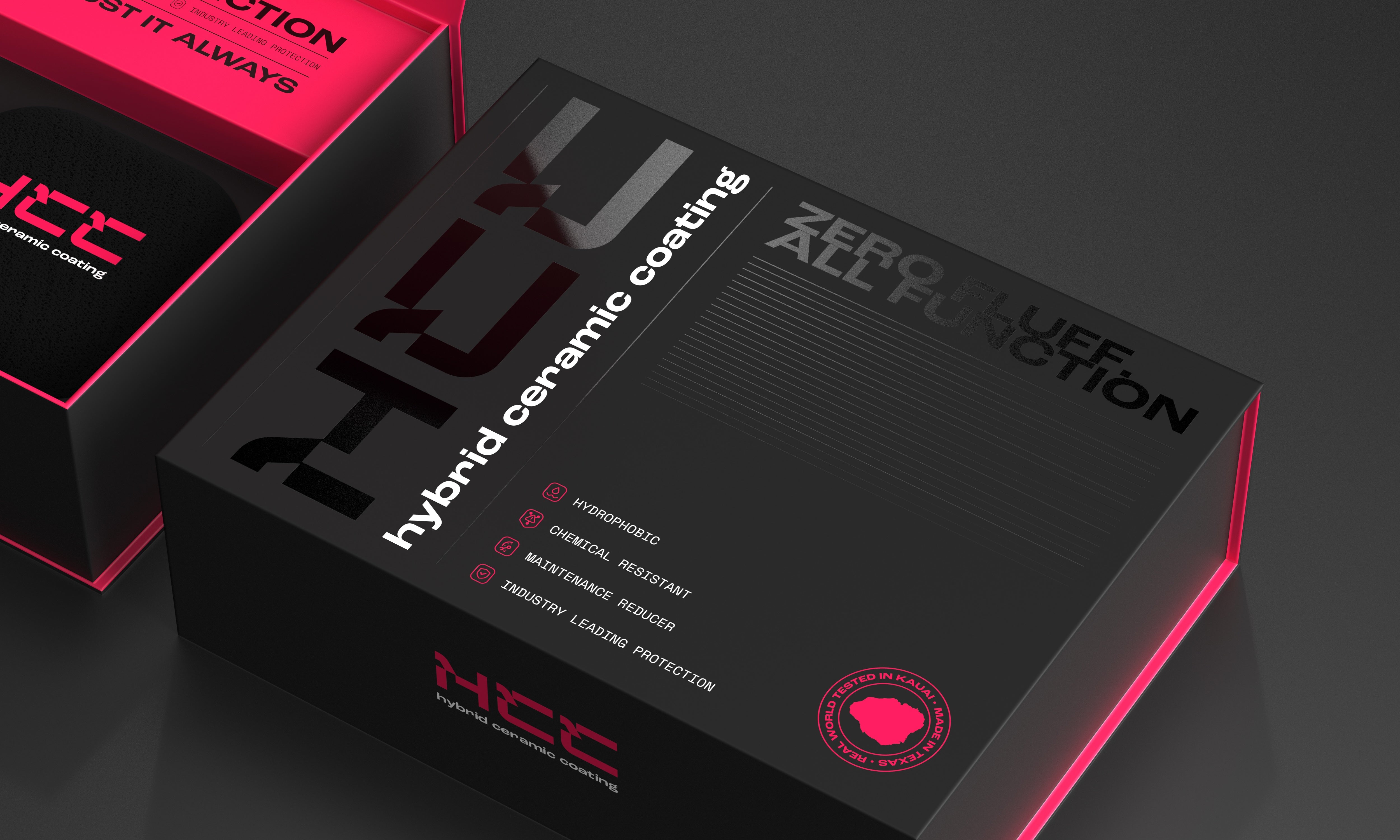
This is the step that changes the entire fall season. Wax gives you 4–8 weeks of protection and will not survive the fall–winter transition. A synthetic sealant gives you 3–6 months and is better but still needs a mid-season top-up. A quality hybrid ceramic coating like HCC gives you 2–5+ years of hydrophobic, chemical-resistant protection that shrugs off leaf tannins, sap, honeydew, and road salt without re-application.
Apply protection on paint that is cool to the touch (not in direct sun), fully dry, and freshly decontaminated. Ambient temperature 50–80°F is the sweet spot for most ceramic products.
Step 6: Coat the Wheels, Trim, and Glass
Fall is when your wheels start collecting brake dust plus leaf debris plus road film. A ceramic coating on wheels means the next 3–6 months of cleaning is a rinse and wipe instead of a scrub session. Coat rubber trim and plastic to prevent UV cracking as temps drop, and treat glass with a hydrophobic product so rain sheets off your windshield in low fall light.
Step 7: Clear Sunroof Drains and Cowl Vents
Pine needles and small leaves plug sunroof drain tubes and windshield cowl vents. Blocked drains flood the headliner. Blocked cowl vents let water pool at the base of the windshield and enter the HVAC intake. Clear both with a soft blower or vacuum — never a rigid tool that can tear the drain tube.
Fall Wash Cadence That Actually Works
Once protection is on, cadence is what keeps the paint safe through the season. The general rule from most detailing sources is a wash every 1–2 weeks in fall, adjusted for parking conditions.
| Parking situation | Wash cadence | What to check daily |
|---|---|---|
| Garaged | Every 3–4 weeks | Nothing unusual |
| Open driveway, no trees nearby | Every 2 weeks | Weekly rinse for pollen and dust |
| Under or near deciduous trees | Weekly | Remove leaves daily by hand |
| Under pine, maple, birch, or oak | Every 4–7 days | Sap, honeydew, and needles daily |
| Street-parked in urban leaf canopy | Weekly + rinse mid-week | Leaves and bird droppings daily |
Between full washes, a hydrophobic quick-detail spray like Undrdog Quick Detail lifts leaf residue, honeydew mist, and bird droppings safely with a folded microfiber. It's the fall equivalent of a "spot clean" and takes 2 minutes per contamination hit.
How to Remove Leaves and Sap Without Scratching
Almost all fall paint scratches come from removing leaves the wrong way. The safe method has four steps.
- Never brush leaves off dry with your hand or a duster. Trapped grit under the leaf drags across the paint.
- Rinse first with clean water. Let water float the leaves off, especially if they've been sitting wet for days.
- Lift stubborn leaves by hand from the edges, one at a time. Not by dragging.
- For sap that's bonded, use a dedicated sap or bug remover — or 90%+ isopropyl alcohol on a folded microfiber, dabbing not scrubbing. Test on an inconspicuous panel first.
If a leaf sat on your paint for more than 2–3 days in wet weather and you already see an outline: that's clear-coat etching. It won't wash out. It needs a light machine polish to remove — which is why the fall prep protection layer matters so much. Coated paint gives you a week or more of buffer before etching starts; unprotected paint can etch overnight in the right conditions.
How Ceramic Coatings Change Fall Paint Care
The single biggest reason to time your ceramic coating install for early fall (August–September in most of the US, year-round in Hawaii) is that fall stresses paint more than summer and winter combined. Coated paint in fall behaves fundamentally differently from waxed or unprotected paint:
- Wet leaves sit on top of the coating instead of bonding to clear coat, so tannic acid can't concentrate against the paint
- Sap and honeydew wipe off with a quick detailer instead of requiring dedicated sap remover
- Bird droppings that hit coated paint have days to be removed instead of hours before etching
- Weekly washes become a 15-minute rinse-and-dry instead of a 45-minute scrub
- Winter salt slides off in the same way, so the coating carries you into and through the next season
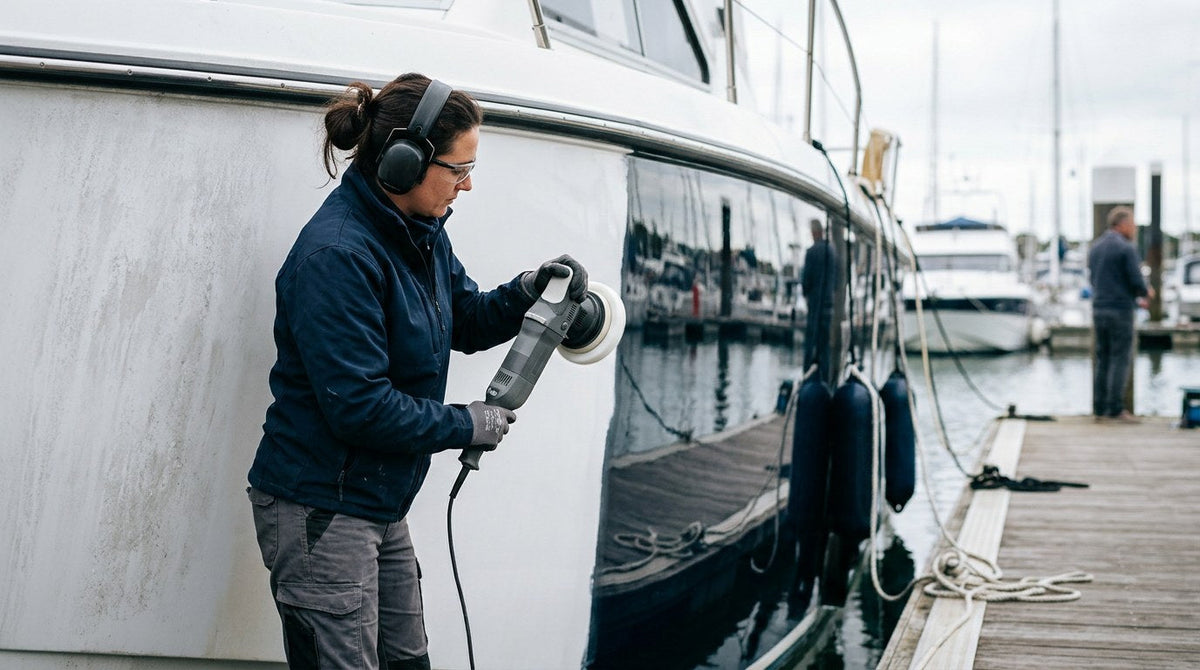
HCC is Undrdog's flagship hybrid ceramic — cars, boats, planes, bicycles, one product, DIY-friendly application. It bonds to freshly decontaminated paint in a single-pass application and cures in 24 hours. For heavier use or if you want maximum durability and gloss, Undrdog Pro and Pro Plus step up to professional-grade coatings with longer expected lifespans on daily-driver paint.

Special Cases: Coastal, Tropical, and High-Humidity Regions
If you're in Hawaii, coastal Florida, the Gulf Coast, or anywhere with year-round humidity and salt air, your fall prep looks a little different. There's no dramatic temperature drop, but the moisture + salt + biological load stays constant. Priorities:
- The protection layer matters even more — salt, humidity, and biological contamination compound faster in warm damp climates
- Weekly rinses remove salt film before it etches or oxidizes
- Mildew and mold on trim and rubber seals are the fall problem here, not tree sap — see our Hawaii vehicle protection guide for the humidity-specific approach
- Interior humidity management (silica gel, moisture absorbers, occasional AC-only drying) prevents fabric mildew and headliner damage
Interior Fall Prep Nobody Talks About
The exterior gets all the fall attention, but interiors take a beating too — muddy shoes, wet leaves tracked in on floor mats, longer damp commutes, coffee spills from cooler mornings, and dogs doing full outdoor dog things. A 30-minute fall interior reset:
- Remove and shake out floor mats, then vacuum thoroughly
- Wipe down all hard surfaces with Undrdog Interior Cleaner — dash, doors, center console, cup holders, steering wheel
- Clean and condition leather or vinyl seats before dry indoor heat cracks them
- Steam-clean fabric seats if they took a summer of sunscreen, sweat, and beach visits
- Replace or freshen the cabin air filter — a fall replacement gets you through the winter
- Treat glass inside and out for streak-free low-sun visibility
Coat it now, coast through fall and winter.
HCC is Undrdog's flagship hybrid ceramic. One DIY application before the leaves drop, and sap, tannins, salt, and road film wipe off instead of etching in. Cars, boats, planes, bicycles — one product.
Shop HCC →Frequently Asked Questions
Can fall leaves really damage car paint?
Yes. Wet leaves hold tannic and tree-sap acids that concentrate against clear coat and etch permanent leaf-shaped outlines into the paint within 2–3 days. Consumer Reports and multiple detailing sources confirm the acid-etch mechanism. The etching cannot be washed off — it requires machine polishing to remove.
How often should I wash my car in fall?
Every 1–2 weeks for a garaged or open-driveway car, weekly if you park near deciduous trees, and every 4–7 days if you park under maple, pine, birch, or oak during heavy leaf drop. Rinse or spot-clean daily to remove leaves, sap, and bird droppings before they bond.
What's the best way to protect car paint from tree sap in fall?
Apply a durable protection layer before sap season starts — synthetic sealant (3–6 months) or a hybrid ceramic coating (2–5+ years). On coated paint, sap wipes off with a quick detailer instead of bonding to clear coat. Avoid parking under sap-producing trees when possible, and remove any sap you find within a day or two using a dedicated remover or 90%+ isopropyl alcohol on a folded microfiber.
Should I get a ceramic coating in the fall?
Fall is one of the best times to install a ceramic coating. Ambient temps are typically in the ideal 50–80°F application range, the coating cures before winter salt hits, and it carries the paint through the highest-risk sap-and-tannin season into winter with no re-application. Apply on cool, decontaminated paint out of direct sun.
How do I safely remove leaves stuck to my car?
Rinse with clean water first to float the leaves off, then lift stubborn leaves by hand from the edges one at a time. Never brush or drag leaves off dry — trapped grit under the leaf will scratch the paint. If a leaf leaves a stain outline behind, that's clear-coat etching and requires machine polishing to remove.
Do I need to wax my car before winter?
Waxing is the minimum baseline for winter — a wax layer will survive 4–8 weeks. A synthetic sealant lasts 3–6 months and is a better choice for a fall application meant to carry through winter. A hybrid ceramic coating like HCC is the strongest option, lasting 2–5+ years with no re-application through fall, winter, and beyond.
Are acorns bad for car paint?
Yes. Acorns falling from height cause direct dents, chips, and paint punctures on hoods, roofs, and trunks. If oak trees hang over your parking spot, use a car cover or move to a different spot during peak acorn drop. No protection product prevents mechanical impact damage.
What should I check in my car for fall prep?
Beyond paint: clear sunroof drains and cowl vents of pine needles and leaves, replace or refresh the cabin air filter, top off washer fluid rated for colder temperatures, check tire pressure as temperatures drop (pressure falls about 1 PSI per 10°F drop), test all exterior lights for lower light conditions, and inspect wiper blades before you need them.
Can I use a leaf blower to remove leaves from my car?
A leaf blower on gentle setting is safer than brushing or wiping leaves off dry, because it doesn't drag grit across the paint. Keep the nozzle at least 12 inches from the surface, use the lowest airflow setting that moves the leaves, and never point directly at glass or trim at high pressure. A rinse with clean water is safer still.
What's the difference between wax, sealant, and ceramic for fall protection?
Wax gives 4–8 weeks of warm gloss and is easy to apply. Synthetic sealant gives 3–6 months of hydrophobic protection and better chemical resistance. Ceramic coating gives 2–5+ years of hard, hydrophobic, chemical-resistant protection and dramatically reduces cleaning time between details. For a fall application meant to carry through winter, sealant is the minimum, ceramic is the strongest option.
Bottom Line
Fall damages more paint than most drivers realize, and it does the damage quietly — leaf outlines etched into clear coat, honeydew hardened onto horizontal panels, sunroof drains clogged with pine needles that flood the headliner two months later. The prep sequence is not complicated: strip, decontaminate, clay, protect. Do it once in September or October and the season stops being a threat. Skip it and you're paying spring detailing rates for damage that a $40 protection layer would have prevented. Coat the paint with a quality hybrid ceramic, keep a hydrophobic quick detailer in the trunk, and stay on a short wash cadence — that's the whole fall paint-protection playbook.


Leave a comment
This site is protected by hCaptcha and the hCaptcha Privacy Policy and Terms of Service apply.