

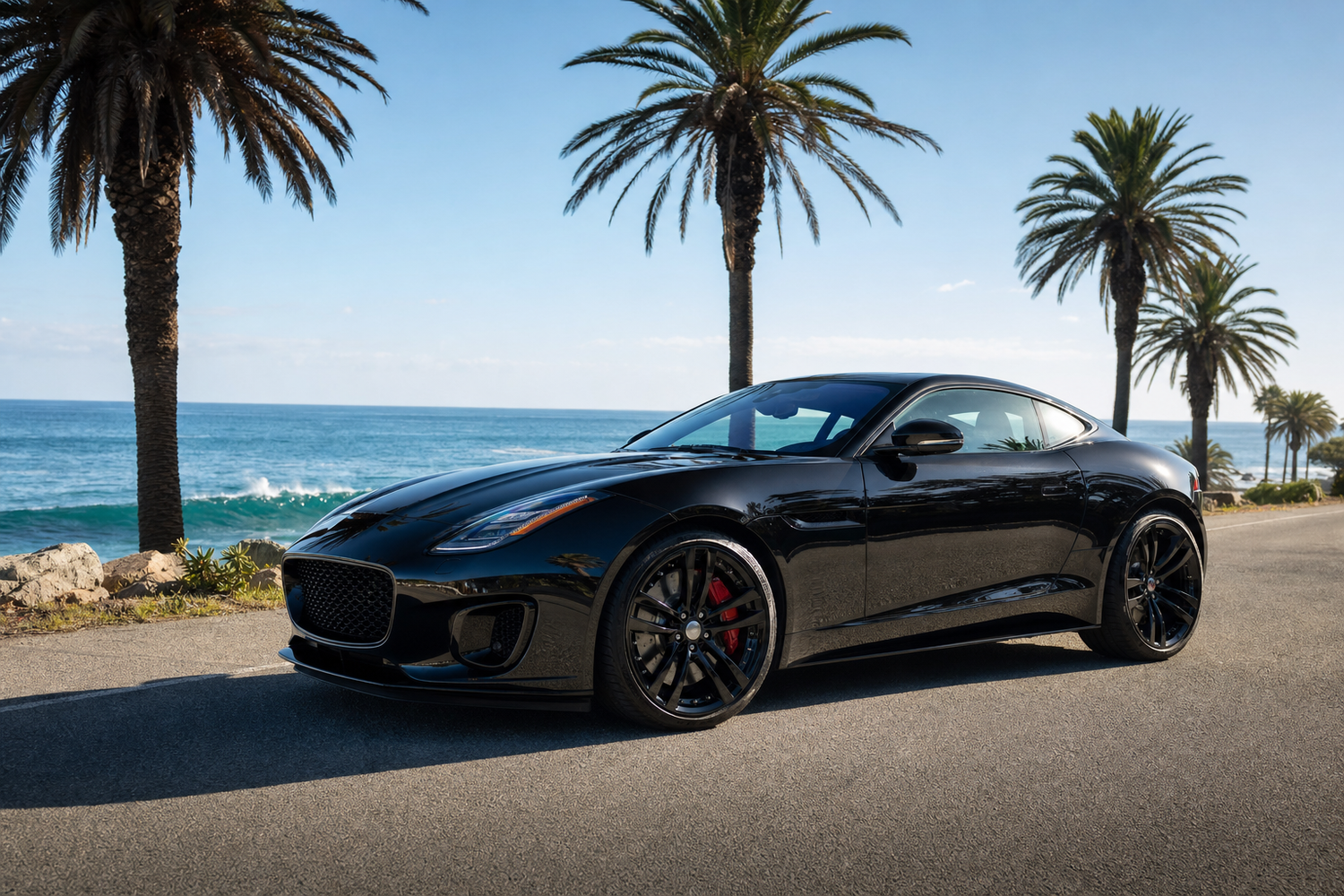
Living near the coast is great — until you look at what it's doing to your car. Coastal climates combine three of the most aggressive forces in automotive paint degradation: intense UV radiation, airborne salt, and persistent humidity. Together they create conditions that can visibly age paint, trigger rust, and dull a clear coat far faster than standard inland driving. If your car sits within a few miles of the ocean, this guide is for you.
What's Actually Attacking Your Paint
UV radiation is a slow, relentless attacker. According to Fixter's UV protection guide, ultraviolet rays penetrate the clear coat and break down the chemical bonds within the paint molecules themselves — causing fading, discolouration, and eventually a phenomenon called "crazing" where the clear coat begins to crack and peel. The worst-hit areas are the ones that see the most direct sun: roof, hood, and trunk lid.
Salt air compounds the problem. Chemical Guys' coastal car care guide explains that ocean air keeps surfaces damp and salty year-round — unlike winter road salt, which is seasonal and can be washed off after snowstorms. Coastal salt is constant. It settles into micro-scratches, around trim, and in wheel wells, and it accelerates corrosion by making it easier for electrons to move between exposed metal and oxygen. Damage can appear within weeks on an unprotected car parked near the surf.
The two threats together — UV weakening the clear coat, salt attacking any exposed surface — mean coastal cars age significantly faster than their inland equivalents. The right protection strategy addresses both.
The Foundation: Ceramic Coating

For coastal environments, ceramic coating isn't a luxury — it's the smartest single investment you can make for your car's long-term condition. A properly applied ceramic coating creates a chemically bonded layer on top of your clear coat that does several things at once:
- UV resistance: The SiO₂ matrix in a quality ceramic coating reflects UV rays before they can reach the clear coat, dramatically slowing fading and oxidation.
- Hydrophobic repulsion: Water, salt spray, and road grime bead up and shed off instead of settling into the paint surface.
- Chemical resistance: Bird droppings, tree sap, and salt deposits are much less likely to etch the surface when a ceramic barrier is in place.
- Ease of maintenance: Washing a ceramic-coated car near the beach takes less effort and less frequency — contaminants simply don't stick as aggressively.
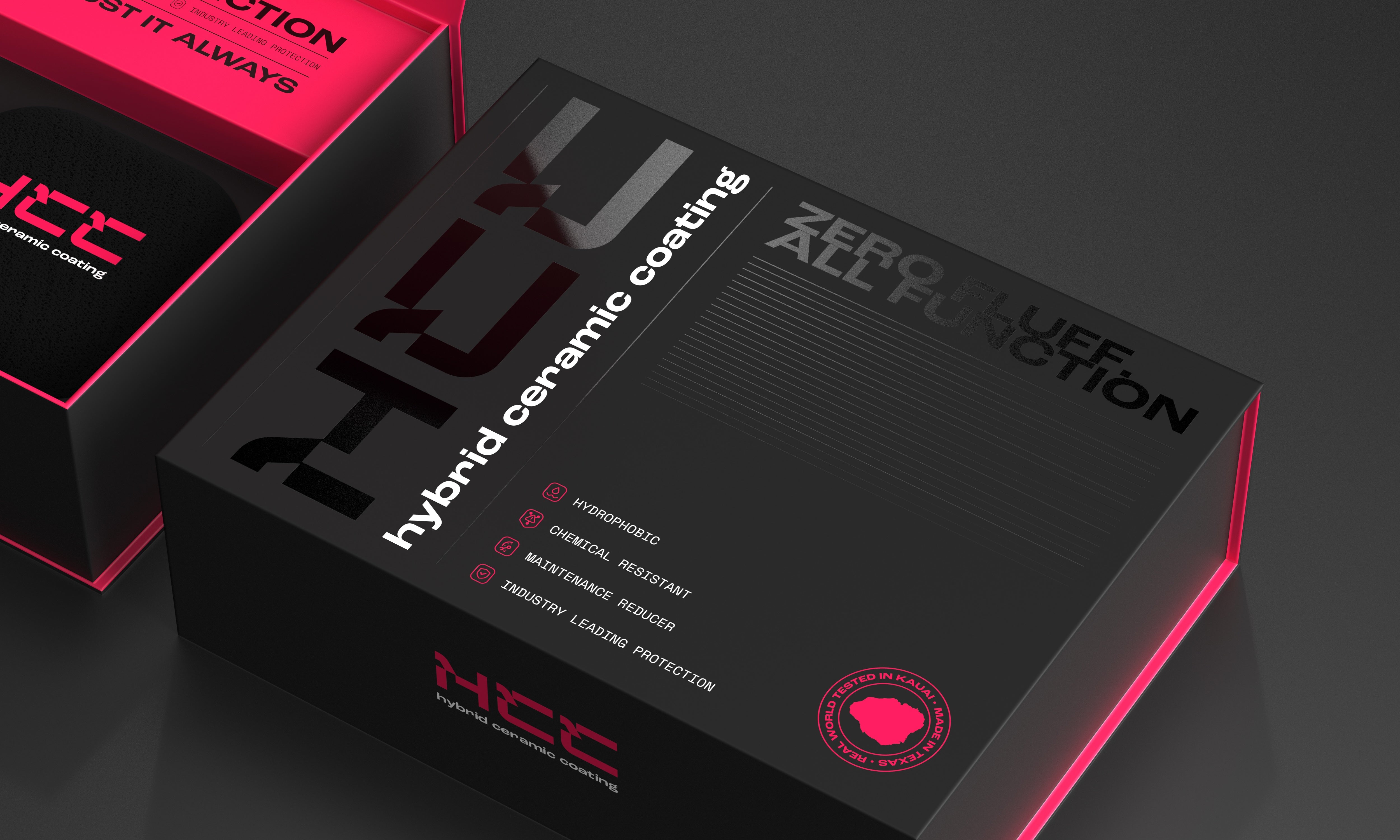
Undrdog HCC – Hybrid Ceramic Coating is the go-to recommendation for coastal car owners who want to apply this protection themselves. It's engineered for DIY application without sacrificing real performance — you get genuine SiO₂ chemistry, years of protection, and the kind of hydrophobic finish that makes post-beach rinses genuinely quick.
Maintenance Between Washes: Keep the Protection Active
Ceramic coating is your armor — but even armor needs maintenance in a high-abuse environment. In a coastal climate, a wash every one to two weeks is not excessive. Salt residue left to sit for too long will work against even a well-coated surface over time, especially on trim, seams, and the undercarriage where the coating doesn't reach.
Between full washes, Undrdog Quick Detail Hydrophobic Spray is the tool for quick maintenance sessions. A few sprays after a beach day — spritz and wipe — removes fresh salt film and re-activates hydrophobic properties on the surface. It's not a replacement for washing, but it's the difference between a car that looks sharp all summer and one that accumulates a dull, salty haze between washes.
The Full Coastal Protection Checklist
Protection in a coastal climate is a system, not a single product:
- Apply a ceramic coating (HCC) as your base layer of paint protection — it addresses UV, salt, and hydrophobicity in one application.
- Wash every 1–2 weeks with a pH-balanced shampoo using fresh water. Pay extra attention to wheel wells, door sills, and the undercarriage where salt hides.
- Use Quick Detail between washes after coastal drives or beach parking to pull off fresh salt residue before it sits.
- Park in shade or a garage whenever possible — UV is cumulative, and even a coated car benefits from reduced sun exposure.
- Inspect quarterly for bubbling, paint chips, or rust starting points around trim and seams. Catching early-stage corrosion before it spreads is far cheaper than paint correction later.
The Long Game
Coastal car ownership is not passive. The salt doesn't take days off, the UV doesn't respect weekends, and the humidity never fully dries out. But with the right protection layer in place and a consistent maintenance routine, you can own a car near the ocean for years and still have paint that looks like it just left the showroom.
Start with Undrdog HCC — apply it correctly, maintain it with Quick Detail, wash regularly, and your coastal car will outlast the ones sitting unprotected at every beach parking lot.
Sources: Fixter – Shield Your Car from UV Damage | Chemical Guys – Salt on Car
Related Reading
Keep your paint and protection dialed in with these guides from the Undrdog detailing blog:


Leave a comment
This site is protected by hCaptcha and the hCaptcha Privacy Policy and Terms of Service apply.