

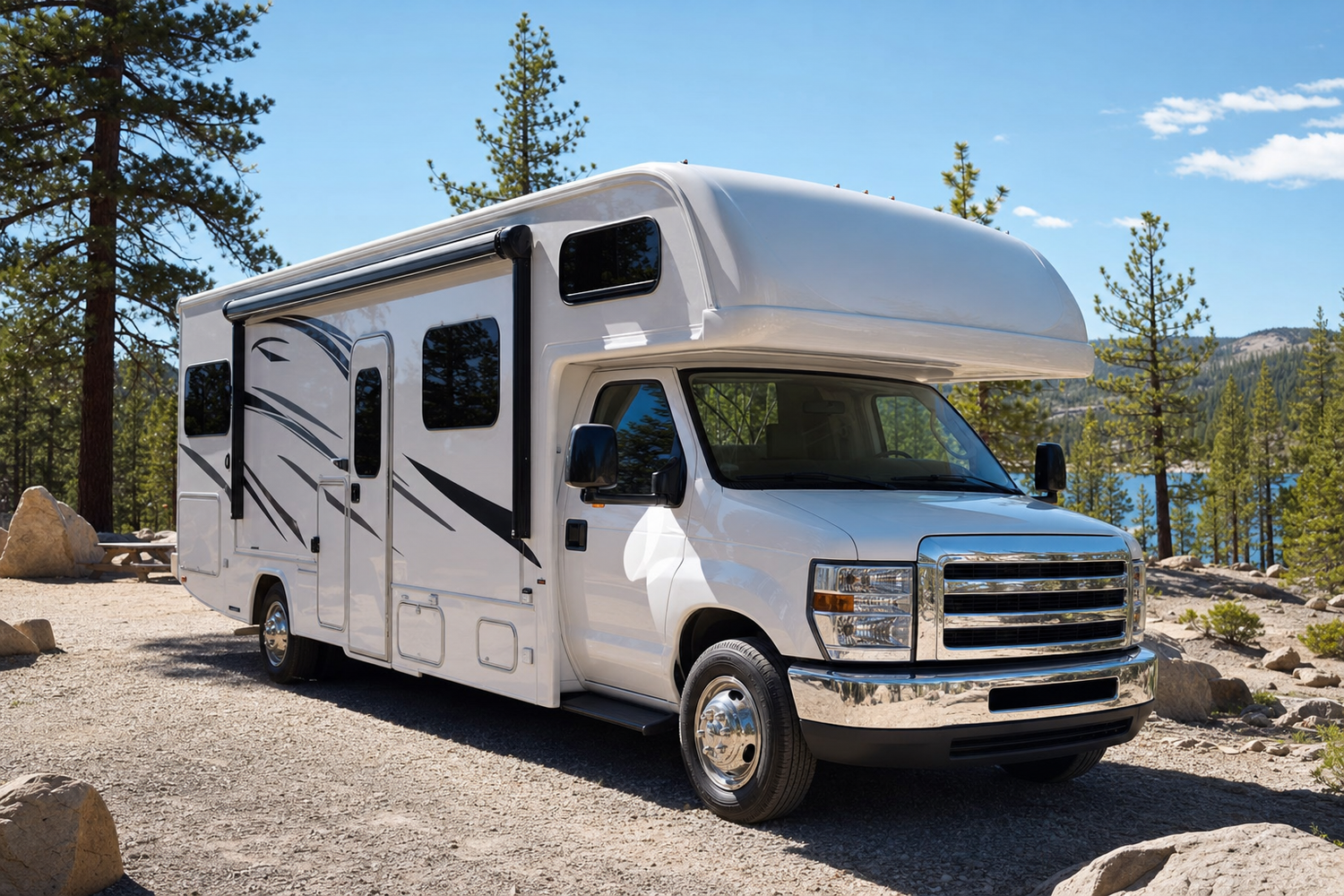
Your RV spends most of its life parked outside, baking in the sun — and that's exactly why its exterior ages faster than your daily driver. Here's the short answer: the fiberglass gelcoat and paint on your RV need a UV-resistant protective barrier and a gentle, consistent wash routine, or the sun will turn that glossy finish chalky and faded. The good news? Protecting it is straightforward, and doing it now saves you from an expensive restoration later. Let's walk through how to keep your rig looking showroom-fresh for years.

Why RV Exteriors Fade and Oxidize
The enemy is mostly the sun. Continuous UV exposure breaks down the resin in fiberglass gelcoat and the binders in paint, causing oxidation — that dull, chalky, sometimes color-faded look that shows up first on the roof, front cap, and sun-facing sidewall. Over time, gelcoat and painted surfaces lose gloss and grow brittle, and the effect is worst in high-UV regions like the southern U.S., the desert Southwest, and coastal areas (Infanta). Once oxidation sets in deep, you're looking at compounding and polishing to bring it back — far more work than preventing it in the first place.
Two other culprits speed things up: acidic contaminants like bug splatter and bird droppings, which are corrosive enough to eat through gelcoat or clear coat if baked on after a long highway tow, and improper washing, which grinds grit into the surface and creates micro-scratches that dull the shine.
Step 1: Start With a Clean, Decontaminated Surface
Before you protect anything, the surface has to be genuinely clean. Wash the RV with a pH-neutral soap and the two-bucket method — one bucket for soapy water, one for rinsing your mitt — using a soft brush or wash mitt and working top to bottom. A quality wash soap like Undrdog Soap lifts dirt without stripping protection or drying out the surface. Avoid harsh household detergents; they accelerate the very oxidation you're trying to prevent.
Step 2: Coat It for Long-Term UV Defense
This is the step that actually saves your gelcoat. A ceramic-type coating lays down a hard, UV-resistant, hydrophobic shell that blocks the sun's degrading rays, repels water, and stops acidic bug guts and droppings from bonding to the surface — so they rinse right off instead of etching in.
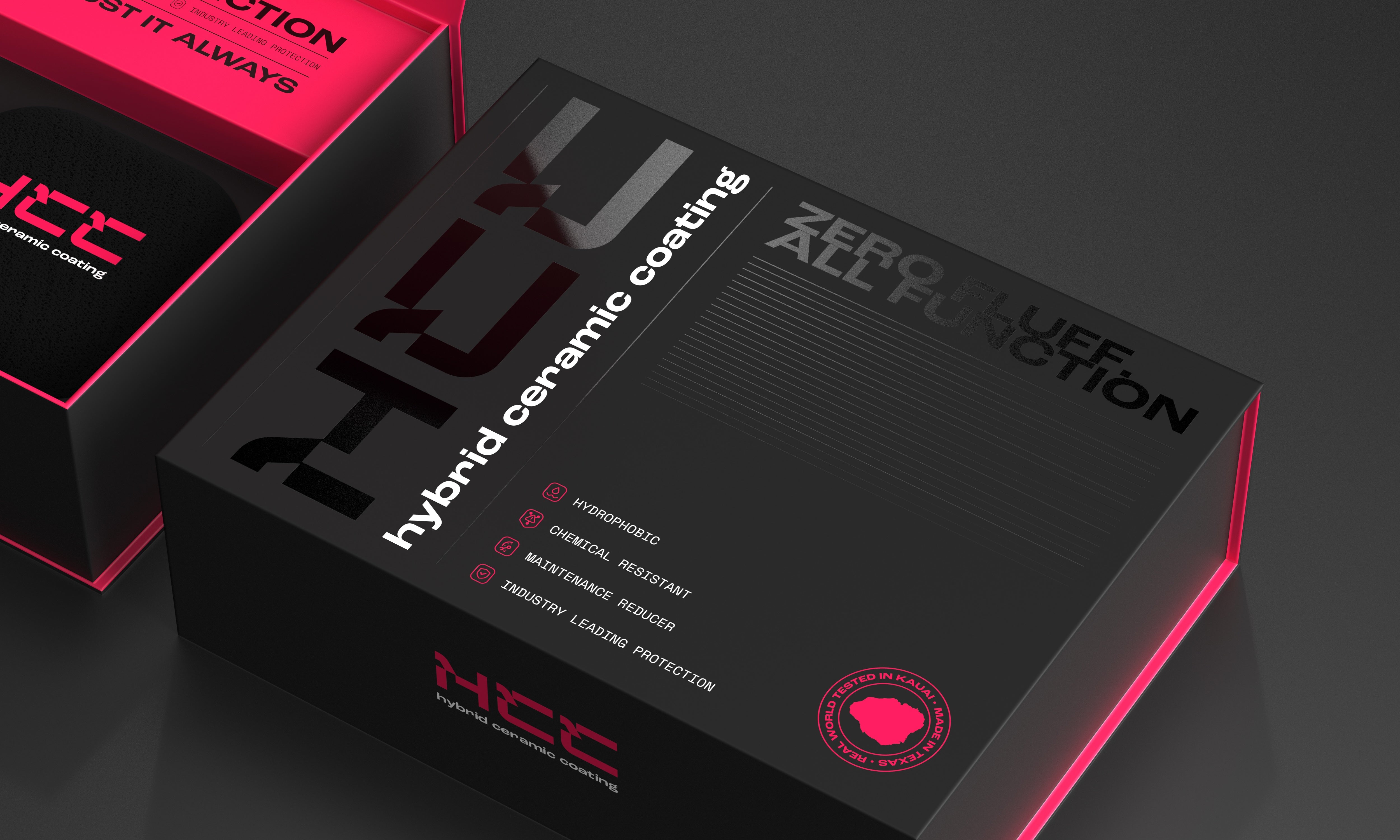
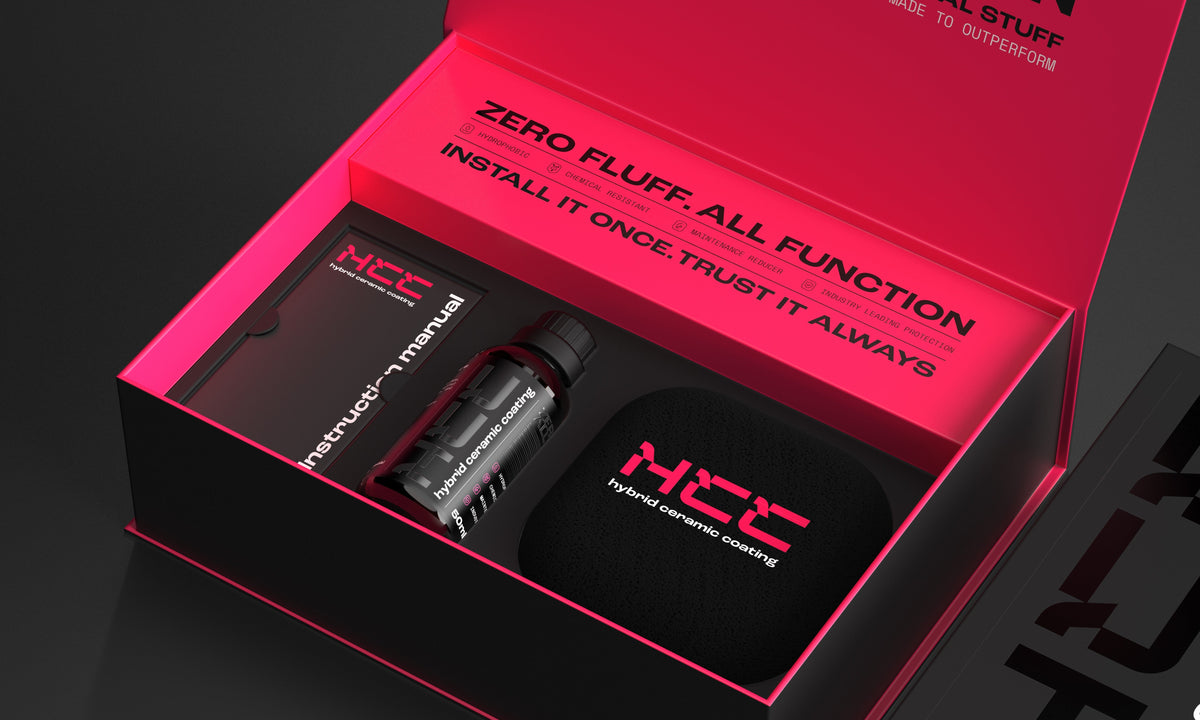
For RV fiberglass and gelcoat, we point first to HCC – Hybrid Ceramic Coating. HCC is our flagship hybrid ceramic, and it's a fantastic fit for big RV surfaces: it delivers serious UV protection to slow fading and oxidation, a slick hydrophobic finish that makes washing far easier, and chemical resistance against the acidic contaminants RVs collect on the road. Best of all it's DIY-friendly — you can coat your rig yourself over a weekend instead of paying for a pro detail. The same bottle works on your tow vehicle and your boat too, so one coating session can cover the whole setup.

If your RV already has heavy oxidation, you'll want to compound and polish first to restore the gloss, then coat to lock it in. For boats and marine surfaces specifically, Undrdog Marine is a proven option, but for an RV's mixed fiberglass-and-paint exterior, the hybrid ceramic is the easiest all-around protector.
Step 3: Maintain It
Protection isn't one-and-done. A few habits keep your finish looking great:
Wash regularly with a gentle soap to clear road film, salt, and pollen before they have time to bond. Remove bugs and droppings promptly — after a long tow, get them off the front cap fast, because baked-on bug guts are acidic and can damage even a coated surface if left for days (Oliver Travel Trailer). Park smart — use shade, covered storage, or a breathable UV-resistant cover when the RV sits for long stretches, and orient the smallest surface toward the harshest afternoon sun.
The Bottom Line
An RV exterior lives a hard life in the sun, but oxidation and fading are preventable — not inevitable. Start clean, lay down a UV-resistant ceramic barrier, and keep up a gentle wash routine with prompt bug removal. Do that and your rig holds its gloss and resale value for years instead of going chalky after a few hard summers.
Ready to protect your investment before the next trip? Give your RV's finish lasting defense with HCC – Hybrid Ceramic Coating.

Leave a comment
This site is protected by hCaptcha and the hCaptcha Privacy Policy and Terms of Service apply.