

Brake dust is roughly 92% iron by weight, which is why it corrodes wheel finishes far more aggressively than ordinary road grime — the iron particles oxidize and set up a galvanic reaction against the wheel's metal instead of just sitting on top as loose dirt. Managing it properly means cleaning every 2 to 3 weeks for most drivers (weekly for heavy stop-and-go traffic), using a dedicated iron remover for embedded contamination, and considering a coating to make ongoing cleanup faster.

Why Brake Dust Is Uniquely Damaging
According to Dr. Beasley's breakdown of brake dust, roughly 92% of brake dust is iron, produced by friction between the cast iron rotor and the semi-metallic fibers in the brake pad, with the remainder being carbon residue from the pad itself. That iron content is the real problem: the metal filings oxidize and set up a galvanic reaction against the wheel's own metal, which progressively corrodes the finish rather than just sitting on top of it as loose dirt would. Left unaddressed long enough, this process can eat through the clear coat and start attacking the alloy underneath — at which point you're looking at refinishing or replacement rather than a deep clean. If that corrosion has already progressed to visible rust spotting on paint, our guide to getting iron fallout and rust off your paint safely covers the recovery process.
Cleaning Cadence That Actually Prevents Bonding
Frequency matters more than intensity here. Cleaning brake dust off every 2 to 3 weeks is generally enough to prevent permanent bonding for most drivers, while anyone doing heavy stop-and-go city driving or living somewhere humid benefits from a weekly wheel cleaning routine instead. The goal is catching contamination before it has time to oxidize and embed — once it's bonded to the finish, a simple rinse and soap wash won't touch it.
Decon: Where Iron Removers Come In
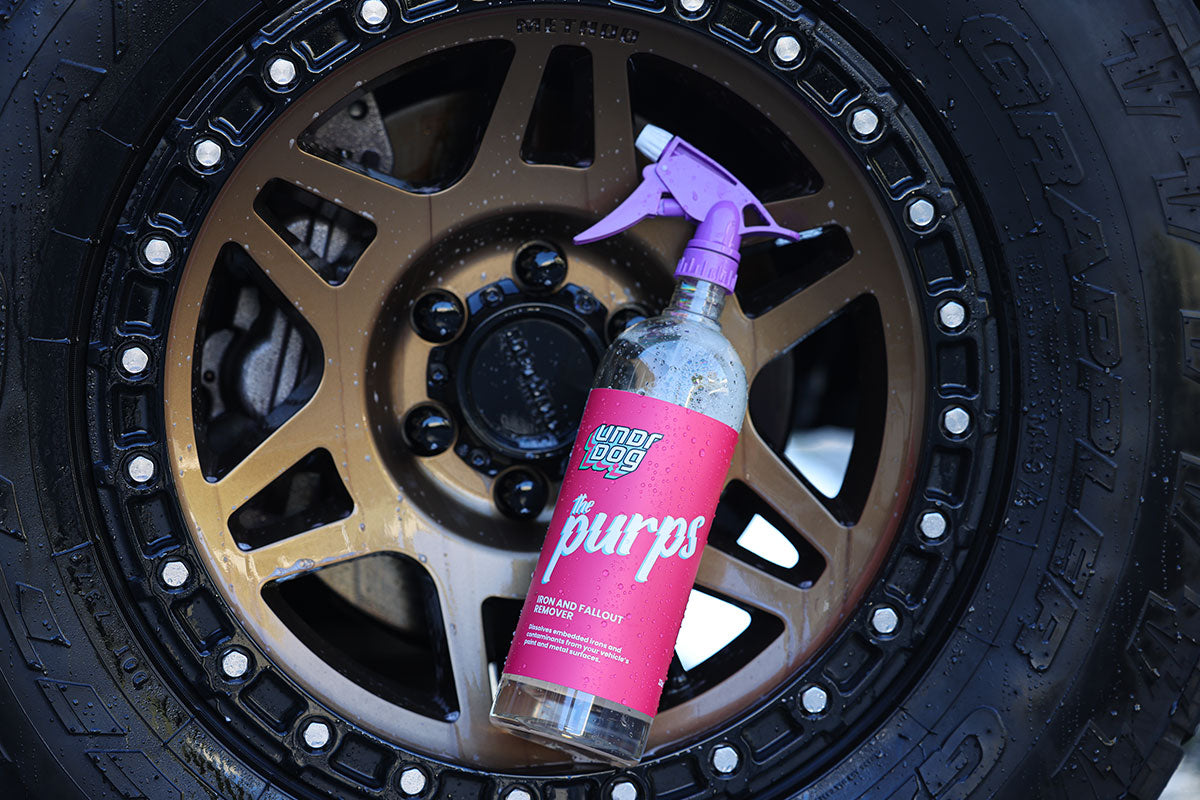
Standard wheel cleaners handle loose surface dirt, but embedded iron particles need a chemical decontamination step to break down. This is exactly the role The Purps plays — spraying it on the wheel face and barrel triggers a visible purple reaction wherever iron contamination is present, which is a genuinely useful way to confirm you've actually addressed it rather than just guessing. Rinse thoroughly afterward, and follow with a clay treatment on the wheel face if it still feels rough to the touch after washing — that roughness is a sign of contamination that soap alone didn't remove. We cover exactly what that purple reaction means and how to use the product correctly in our breakdown of The Purps.

Wheel Care at a Glance
| Situation | Recommended Action |
|---|---|
| Garage-kept, light driving | Wheel cleaning every 2–3 weeks |
| Heavy stop-and-go / humid climate | Weekly wheel cleaning |
| Wheel feels rough after washing | Iron remover (The Purps) + clay if still rough |
| Reducing future bonding | Ceramic coating on wheel face and barrel |
Why Coated Wheels Are Easier to Keep Clean
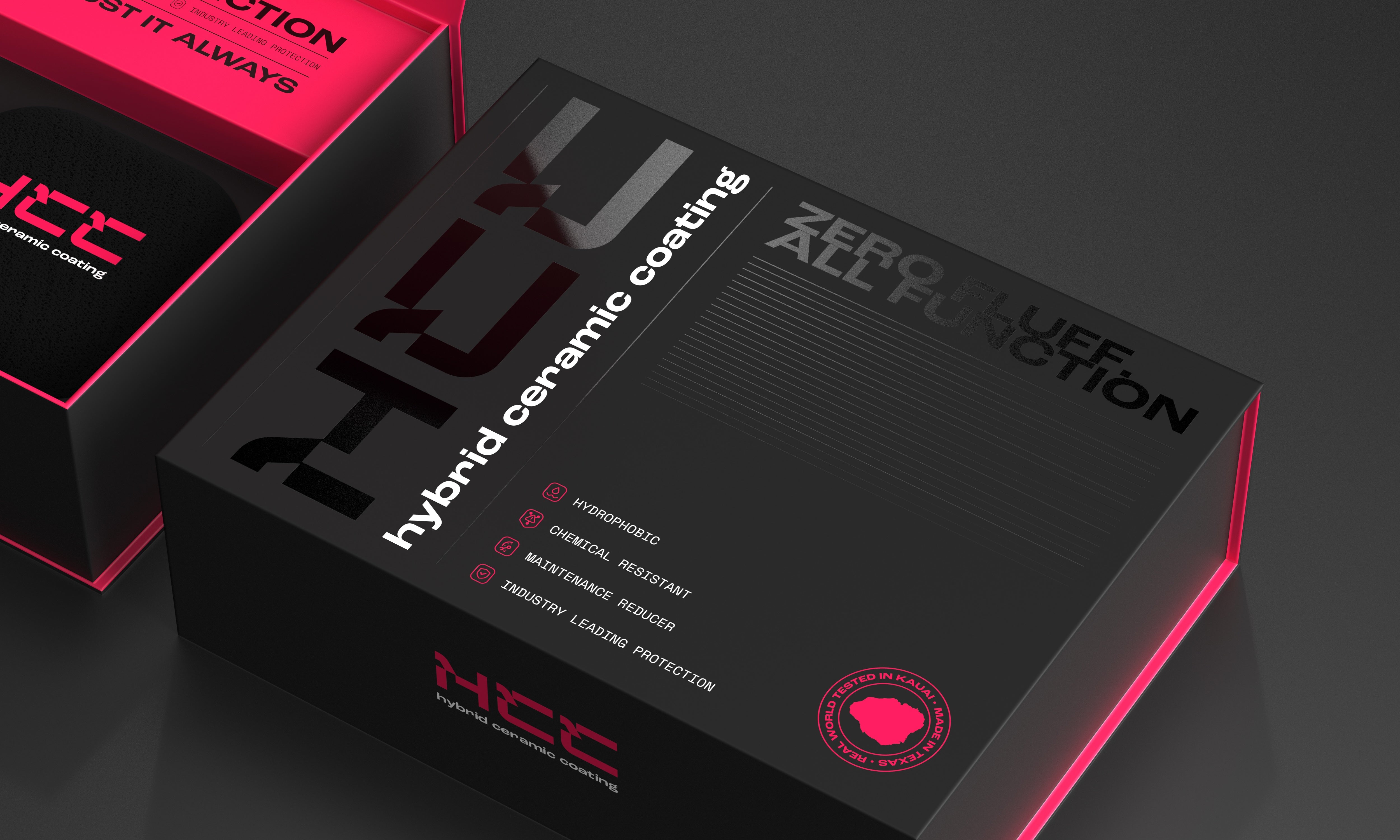
A ceramic coating doesn't stop your brakes from producing dust — that's a byproduct of normal braking and isn't something any wheel treatment changes. What it does change is how readily that dust bonds to the wheel surface. A coated wheel presents a slicker, lower-energy surface that brake dust and road grime have a harder time sticking to, so contamination tends to sit on top rather than baking on, and rinses away with far less scrubbing. HCC's compatibility across paint and metal surfaces makes it a reasonable option for wheels as part of a broader coating project, alongside the body panels and trim.
It's worth setting expectations correctly: a coating isn't scratch-proof or impact-proof, and it won't stop brake dust from being produced. What it does is reduce how aggressively that dust bonds, which translates into faster, gentler cleaning and less risk of the embedded corrosion that untreated wheels are prone to over time.

Prep and Application Basics for Wheels
Before coating wheels, they need a full decontamination — an iron remover pass followed by a clay treatment on any remaining rough spots, then a thorough rinse and dry. Apply the coating in sections, working the barrel first and then the face, using overlapping passes for even coverage. Let it flash for a couple of minutes, then buff away excess with a clean microfiber and check for high spots before considering the job done. Give the coating time to cure before exposing the wheels to water or heavy driving. Our guide to the correct paint decon order before coating covers this same sequence in more detail.
Frequently Asked Questions
Can I use my normal wheel cleaner on coated wheels?
Stick to pH-neutral or mildly acidic wheel cleaners designed to be coating-safe. Strong alkaline or acidic products can degrade the coating over repeated use, even if they don't damage it after a single application.
How do I know if brake dust has already bonded to my wheels?
Run your hand over the wheel face after a normal wash — if it feels rough or gritty rather than smooth, that's embedded contamination that a standard soap wash didn't remove, and it's a sign you need an iron remover and possibly a clay treatment.
Does coating my wheels mean I can wash them less often?
Not really — you still want to rinse and wash regularly to prevent buildup. The coating makes each cleaning session faster and gentler, but it doesn't eliminate the need for a consistent routine.
Is all brake dust the same amount of iron?
No — it varies by pad compound. Semi-metallic pads tend to produce more iron-heavy dust than ceramic brake pads, though "ceramic" brake pads still produce some dust and shouldn't be confused with ceramic paint coatings.
Can iron fallout damage tires, not just wheels?
It's primarily a concern for painted and metal wheel surfaces; tire rubber isn't affected by iron oxidation the same way. Focus iron removal efforts on the wheel face, barrel, and lower body panels.
Should I coat the wheel barrel, not just the visible face?
Yes if you want the full benefit — brake dust reaches the barrel just as much as the face, and coating only the visible portion leaves a large surface area still prone to bonded contamination.
What's the biggest mistake people make with wheel maintenance?
Waiting until wheels "look dirty" before cleaning them. Iron contamination bonds chemically well before it's visually obvious, so a consistent schedule matters more than reacting to appearance.
Brake dust is unavoidable, but permanent damage from it isn't. Stay ahead of it with regular cleaning, use The Purps when contamination has bonded, and consider coating your wheels with HCC if you're tired of scrubbing the same spots every week.


Leave a comment
This site is protected by hCaptcha and the hCaptcha Privacy Policy and Terms of Service apply.