

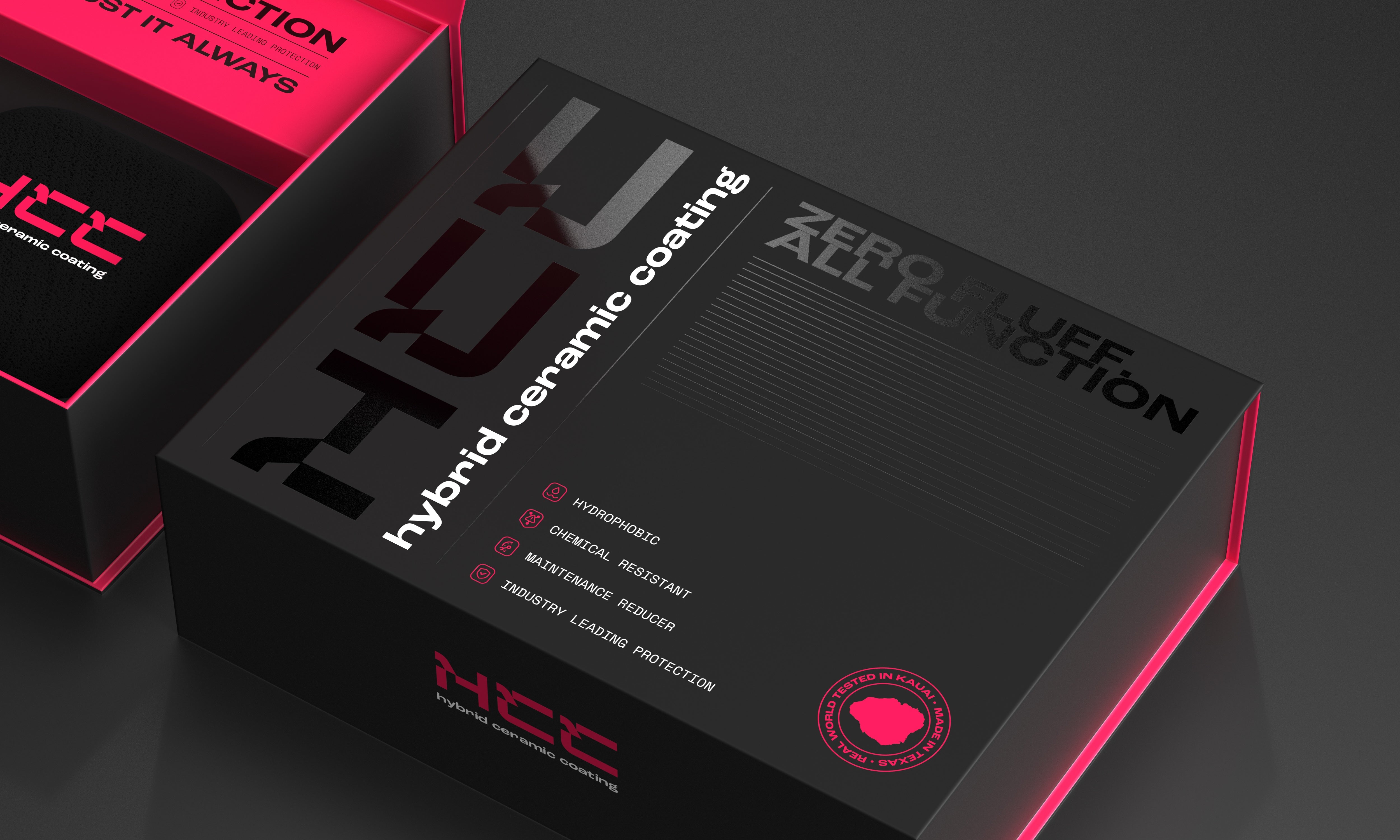

A ceramic coating is not a guaranteed dollar-for-dollar increase in your car's resale value. Good condition and presentation can help when selling, but the car-selling guidance from Kelley Blue Book and CarMax does not establish a fixed resale premium for a ceramic coating. Buy protection for a clear ownership goal, not an assumed refund from the next owner.
That is not an argument against paying a skilled detailer. It is an argument for separating three questions: What work improved the car's condition? What protection did you enjoy while owning it? What will a buyer actually pay now? One invoice does not answer all three.
Condition matters; the invoice is not the valuation
Kelley Blue Book identifies mileage, condition, demand for the particular make and model, and negotiation among the factors affecting trade-in value. Its guidance also distinguishes the dealer's trade-in offer from the vehicle's eventual resale price. It does not provide an equation that adds a coating invoice to the appraisal. See its trade-in valuation guidance.
Keep that distinction in mind when someone says, “The coating will pay for itself when you sell.” Ask what that means. Is there a written purchase offer? A comparison of genuinely similar completed sales? Or simply an expectation that a well-presented vehicle will be more attractive?
The last idea may be a reasonable reason to care for a vehicle, but it is not the same evidence as a measured coating premium. A shiny photograph, an installation receipt, and an accepted offer are three different kinds of information. Treat each as evidence for the question it can actually answer.
A receipt can establish that work was purchased. It does not, on its own, establish today's surface condition, the remaining performance of a treatment, or a buyer's willingness to pay an extra amount. For your own budgeting, leave those as separate fields instead of allowing the invoice total to stand in for all of them.
Separate preparation, protection, and sale presentation
Before deciding whether coating paid off, look at the scope you bought. Was the service a wash and application? Did it include decontamination, paint correction, interior cleaning, or other work? Record the actual services rather than calling every improvement “the coating.” This is a recommended accounting distinction, not a claim about what every installer includes.
Kelley Blue Book recommends thorough cleaning before selling and says professional detailing is worth considering. CarMax likewise recommends washing and vacuuming before photographs and private-buyer viewings, with professional detailing as an option when cleaning has fallen behind. Neither recommendation establishes that a new coating is required for every sale. Read the KBB sale-preparation guidance and CarMax's preparation advice.
| What you are evaluating | Evidence to retain | What not to assume |
|---|---|---|
| Preparation and appearance work | Written service scope, condition notes, and honest before-and-after records | Every visible improvement came from the coating liquid |
| Protection during ownership | Product identity, application details, and your actual maintenance experience | Enjoying easier upkeep guarantees a sale-price increase |
| Presentation at the time of sale | Current photographs and inspection of the actual vehicle | An old invoice proves current condition |
| Resale proceeds | Real offers or a completed transaction, with costs considered separately | An asking price is an accepted price or a coating-specific premium |
This also gives professional labor its proper place. A buyer can appreciate careful inspection and preparation without pretending that the entire service price is bottled chemistry. Ask the detailer to explain the work, not to compress it into a guaranteed financial return.

Ask for evidence that matches the resale claim
Start by translating the claim into a question that could be answered. “Better resale” is vague. “A buyer offered more because the coating was documented” is more specific, but it still needs context. Was the offer for the same vehicle at the same time? Did other terms change? Was the additional amount attributed to the coating, the preparation, or the overall condition?
For a private sale, CarMax recommends comparing local vehicles with similar year, make, trim, and mileage, while accounting for condition. It also cautions that dealer asking prices generally differ from private-party prices. A more expensive listing with the word “coated” is therefore not enough to isolate a coating's contribution. The comparison guidance is in How to Sell Your Car.
Use this short evidence ladder when reviewing a claim:
- Product promise: Useful for understanding intended benefits, but not a vehicle appraisal.
- Installation receipt: Useful documentation of purchased work, not a current offer.
- Advertised listing: Shows what a seller asks, not what a buyer accepted.
- Actual offer: Gives you a concrete option for the vehicle under stated conditions.
- Completed sale: Establishes a transaction price, but does not automatically isolate the coating's contribution.
This is a reasoning framework, not a claim that any one data point settles the issue. Even a completed sale combines many decisions. Be cautious about taking a single owner's successful sale and converting it into a percentage increase that is supposed to apply to everyone.
Budget with an unproven resale premium set to zero
For a conservative purchase decision, use zero for an unverified future coating premium. That is a planning assumption, not a statement that coatings can never influence a buyer. It prevents an uncertain benefit from being booked as if the cash had already arrived.
Then ask whether the coating still makes sense for your ownership. Do you want its stated protection benefits on an appropriate surface? Will you maintain it? Does the service scope fit the condition of your vehicle? Those are more useful questions than stretching a hoped-for sale premium until it covers the invoice.
Consider a deliberately hypothetical example. You are selling soon and comparing a 200-dollar cleaning service with a 900-dollar cleaning-and-coating package. These are invented numbers for arithmetic, not market rates or Undrdog prices. The second choice costs 700 dollars more. If your only objective is extra sale proceeds, you would need at least 700 dollars of additional proceeds attributable to that choice just to offset that extra cost, before any other differences.
An advertised price increase of 700 dollars is not that result. Neither is a buyer saying the car looks nice. The point of the example is to name the additional expense and the evidence needed to justify it, not to promise a particular return or tell you which package to buy.
If you plan to keep the car, ownership benefits belong in the decision too. Record those separately rather than counting the same benefit once as enjoyable maintenance and again as guaranteed resale cash. For ongoing expenses, use our ceramic coating maintenance budget guide.
Selling soon? Get the baseline before buying more work
CarMax recommends offers from multiple dealerships to establish a baseline, while KBB suggests obtaining backup offers when selling privately. Those are useful reality checks before committing to optional sale-preparation spending. They do not require you to accept an offer. See CarMax's offer guidance and KBB's selling checklist.
Use the baseline to ask better questions. What condition is the buyer actually evaluating? Is an issue cosmetic, mechanical, or simply a mismatch with that buyer's needs? If you are considering more work, ask for its exact scope and decide whether the objective is presentation, your own satisfaction, or a documented sale opportunity.
For example, an owner selling next week might prioritize an appropriate clean, accurate photographs, complete records, and honest condition disclosure. An owner keeping the car for several more years might reasonably prioritize ongoing protection and maintenance. These are illustrative decisions, not forecasts about which car will sell faster or for more.
Do not ask a detailer to guarantee a sale price they do not control. Ask for a clear explanation of what the service will and will not address. It is entirely reasonable for an installer to price skilled work fairly without attaching a resale-profit promise.

Document the coating without overselling it
KBB recommends gathering service records and vehicle history information, and CarMax likewise discusses maintenance receipts and independent condition information as ways to support buyer confidence. Those sources support keeping useful records; they do not make a coating certificate equivalent to mechanical maintenance history. See KBB's document checklist and CarMax's paperwork guidance.
For the coating portion of your records, keep the product name, application date, treated areas, installer details if applicable, and relevant maintenance information. If a panel was later repaired or refinished, do not let an older whole-car description conceal that change. Describe what you know and identify what remains unconfirmed.
A useful listing statement is factual: “Coating applied on the recorded date; invoice and maintenance records available.” Add verified details where appropriate. Avoid converting an original marketing lifespan into a guaranteed number of years remaining. If warranty transfer is relevant, verify it separately rather than assuming it follows the vehicle automatically; our coating warranty transfer guide provides a checklist.
Frequently asked questions
Does ceramic coating guarantee a higher resale price?
No guarantee is established by the valuation guidance reviewed here. KBB and CarMax discuss condition, preparation, records, and pricing, but do not supply a fixed ceramic-coating premium. Evaluate actual offers rather than assuming the installation invoice will be recovered.
Does that mean a coating has no value?
No. Ownership benefits and resale proceeds are different questions. A suitable coating can be purchased for its stated surface-care role without assuming that the next buyer will reimburse the cost.
Should I coat my car immediately before selling it?
Do not make that decision solely on an unverified payback claim. Establish a realistic sale baseline, identify the preparation the vehicle needs, and compare the additional service cost with evidence of an actual benefit you value.
Is a higher asking price proof that a coating adds value?
No. An asking price is not an accepted offer. Even a completed sale does not isolate the coating's contribution from vehicle condition, equipment, mileage, timing, and the rest of the transaction.
Can I add the entire detailing invoice to my asking price?
You can choose an asking price, but an invoice does not establish what a buyer will pay. Separate the services purchased and use realistic vehicle comparisons and offers to inform the price.
What coating records should I keep for a buyer?
Keep the product identity, application date, treated areas, installer details where applicable, and relevant maintenance records. Confirm any warranty-transfer terms separately and disclose known later repairs affecting the treated areas.
How should I budget an unknown coating resale premium?
A conservative approach is to enter zero until there is credible supporting evidence. This is a budgeting assumption, not proof that a buyer could never value the coating.
What should I ask a detailer instead of asking for guaranteed payback?
Ask about the actual inspection, preparation, correction, application, and aftercare included in the service. Request a clear explanation of the intended result and limits, then decide whether that work fits your ownership or sale-preparation goal.
How Undrdog does it
HCC Hybrid Ceramic Coating is Undrdog's flagship all-surface coating for appropriate applications on cars, boats, planes, and bicycles. Its multi-year protection depends on preparation, exposure, use, and maintenance. Choose it for a suitable protection and upkeep plan, not a promised resale-price increase.
Undrdog sells coatings to professional detailers and DIY owners without making a certification purchase a prerequisite. Professional installation can still be valuable: inspect the service scope, preparation, and aftercare rather than treating open product access as evidence that skilled labor is unnecessary. Keep the product decision and the service decision clear.
The standard should apply to our recommendations too. HCC's current product information explains its intended surface-protection role; it is not a vehicle appraisal. We are not attaching an invented percentage premium or guaranteed financial return to it.
Buy protection for a real ownership goal.
Review HCC's surface suitability and application instructions. Choose a professional service when the preparation and installation work warrant it, and leave unverified resale promises out of the budget.
Shop HCC Hybrid Ceramic Coating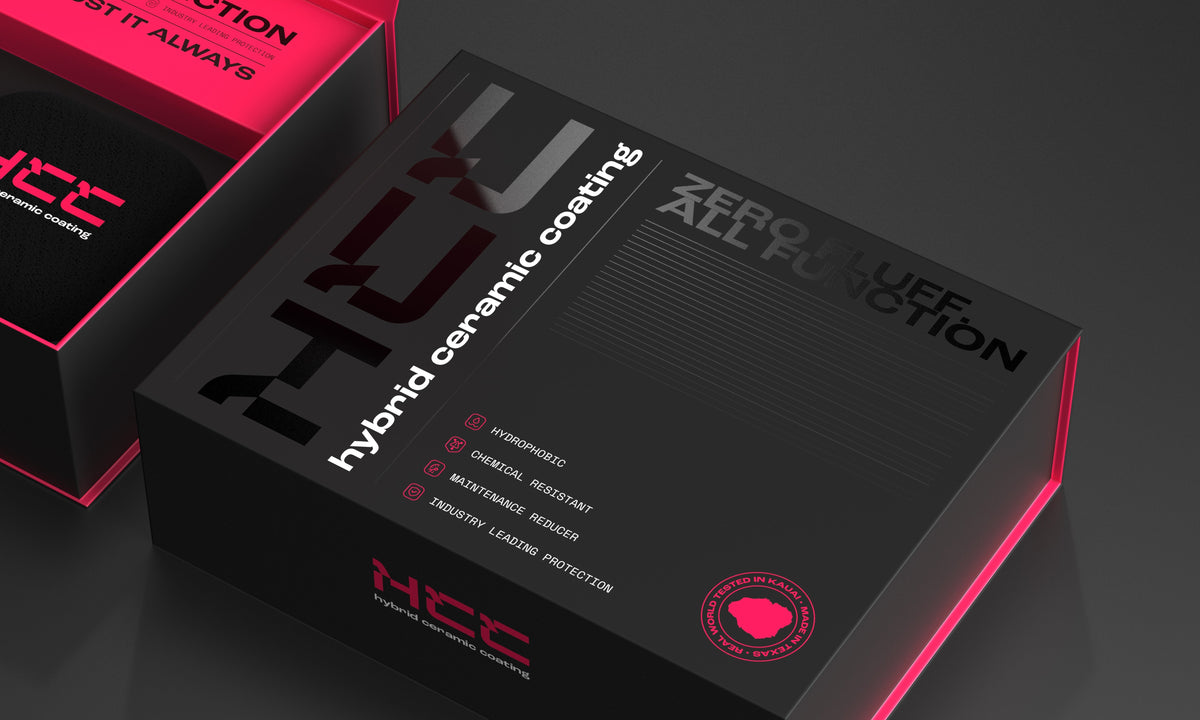


Leave a comment
This site is protected by hCaptcha and the hCaptcha Privacy Policy and Terms of Service apply.