

Short answer: do not assume a ceramic coating warranty transfers with the vehicle. Before selling or buying a coated car, identify the exact coating, installer, warranty document, transfer procedure, service requirements, deadlines, and coverage terms. Get the provider or installer to confirm the result in writing.
The coating itself may remain on the vehicle, but the warranty is a separate record with its own conditions. A buyer who receives only a receipt, a product name, or a seller’s verbal assurance may still lack the documentation needed to request future service. The practical goal is simple: make the coating history understandable to the next owner and make the transfer status explicit before the sale is complete.
Start with the warranty document, not the sales listing
Vehicle listings often use broad phrases such as “ceramic coated,” “professionally protected,” or “warranty included.” Those phrases are not enough to establish what protection exists or whether a new owner can use it. Begin with the actual warranty document, registration record, invoice, or installer-issued terms.
Ask the seller for a complete copy rather than a screenshot of one paragraph. The document should be legible and should identify, where applicable:
- the product or coating name;
- the vehicle identification details;
- the installing business or authorized provider;
- the original customer or registered owner;
- the date of application or registration;
- the maintenance or annual-service obligations;
- the process for changing ownership;
- any transfer deadline or administrative requirement;
- the events or conditions that can limit coverage; and
- the contact point for a transfer request or future claim.
If the document is unavailable, pause the warranty discussion. You can still assess the vehicle and decide whether the coating matters to the purchase, but you should not represent the warranty as confirmed. A missing document is a documentation gap, not proof that the coating was improperly applied.
What one published warranty example says about transfer
Transfer terms are provider-specific. One published warranty example states that it “can only be transferred if new owner attends to the annual service.” Read the provider’s published warranty wording before relying on that requirement.
That sentence is useful because it shows why a simple handover may not be enough. In that example, the new owner’s annual service is connected to transfer eligibility. It does not establish a universal rule for every coating, installer, or warranty. It also does not establish the terms of Undrdog products. Treat it as an example of the type of provider-specific condition a buyer and seller must locate in the applicable document.
The right question is therefore not, “Do ceramic coating warranties transfer?” The better question is, “Under this exact warranty, what must the new owner do, by when, and with whom?”

Transfer terms to confirm before the vehicle changes hands
Ask for written answers to the following points. If the provider uses a form, complete that form. If the provider answers by email, preserve the full thread with the vehicle details and the names of the people involved.
| Transfer point | What to confirm | Evidence to retain |
|---|---|---|
| Product identity | Which coating was installed, and is the name recorded exactly? | Warranty, invoice, registration record, or installer confirmation |
| Installer identity | Who applied the coating, and who handles future service? | Business name, contact details, invoice, and service records |
| Eligibility | Can the warranty move to a new owner at all? | Written provider or installer response |
| Timing | Is there a deadline connected to the sale or transfer request? | Terms, transfer form, or dated email |
| Service | Does the new owner need an annual service or another scheduled visit? | Service requirement and appointment or completion record |
| Coverage | What does the warranty cover, and what does it exclude? | Complete warranty document, not just marketing copy |
| Vehicle record | Which vehicle details must be updated? | Updated registration or confirmation showing the vehicle |
| Future contact | Who should the new owner contact if a question arises? | Named provider, installer, or warranty administrator |
This table is a working checklist, not a substitute for the applicable terms. The exact answer may be “not applicable,” “installer controlled,” or “not confirmed.” Recording that answer is better than leaving the field blank.
The seller’s vehicle resale document checklist
A seller can make the transaction easier by assembling a small coating file before listing the vehicle. Keep the file factual and organized. Avoid promising a result that the documents do not support.
- Find the original invoice. Record the date, installer, vehicle, product name, and services shown on the invoice.
- Locate the complete warranty terms. Include all pages, attachments, service schedules, and registration instructions.
- Gather maintenance records. Include relevant service receipts and provider correspondence. Do not reconstruct a service history from memory.
- Ask the installer about transfer. Request a written response that addresses the new owner, timing, service, and updated registration.
- Save the answer with the vehicle file. Keep the original message, not only a paraphrased note.
- Tell the buyer what is confirmed and what is not. If the provider has not responded, say so plainly.
- Transfer the file at closing. Give the buyer the warranty, invoices, service history, product information, and provider contact details.
A clean file also protects the installer’s work. It gives the next owner a better chance of following the intended maintenance path instead of asking a detailer to infer what was done from the paint surface alone.
The buyer’s inspection and verification checklist
A buyer should separate three questions that are often blended together:
- Is there evidence that a coating was applied?
- Is there a warranty or service record connected to that application?
- Can the warranty or service relationship be used by the buyer after the sale?
These questions can have different answers. A vehicle may have evidence of an application but no available warranty record. A warranty may exist but require a service step. A seller may have a product name but no confirmation that the record can be updated.
Before relying on the warranty in your purchase decision, contact the installer or provider using the details in the documents. Give them the vehicle information and ask whether they can confirm the transfer process. If they cannot discuss the record with you until ownership changes, ask what the seller must do before closing and what you must do afterward.
Do not ask only whether the warranty is “still active.” Ask what action is required from the new owner. A positive answer without the next step may leave the most important condition unresolved.

Annual service is a decision point, not a footnote
Service obligations deserve special attention because they can affect both transfer eligibility and future administration. In the published example cited above, the new owner’s attendance to annual service is part of the transfer condition. That is one provider’s wording, not a universal industry rule, but it illustrates the practical issue.
Ask these service questions in writing:
- Is service required for transfer, for continued coverage, or for both?
- Who is allowed to perform the service?
- Must the service be performed by the original installer?
- When does the first service become due?
- How is completion recorded?
- What happens if the vehicle changes hands shortly before a service date?
- Does a missed service affect the entire warranty or only a particular part of it?
Do not assume that a car wash, a detailing visit, or an informal inspection satisfies a named service requirement. If the warranty uses a defined service term, ask the provider what counts and retain the completion record.
A practical transfer worksheet
Use the following blank worksheet when reviewing a resale file. The entries should come from the documents or written provider responses, not guesses.
| Question | Recorded answer |
|---|---|
| Exact coating or warranty name | ________________________________ |
| Original installer | ________________________________ |
| Application or registration date | ________________________________ |
| Can ownership be transferred? | ________________________________ |
| Transfer deadline | ________________________________ |
| New-owner action required | ________________________________ |
| Annual or scheduled service requirement | ________________________________ |
| Next service date or trigger | ________________________________ |
| Coverage summary | ________________________________ |
| Exclusions or conditions to flag | ________________________________ |
| Provider confirmation date | ________________________________ |
| Documents delivered to buyer | ________________________________ |
Hypothetical example: a seller has an invoice and a warranty document, but the document says the new owner must attend an annual service. The seller should not describe the warranty as fully transferred merely because the buyer receives the paperwork. The transfer file should show who will arrange the service, when it is due, and how the provider records completion.
When to stop and ask for clarification
Stop treating the warranty as confirmed when any of the following conditions applies:
- the product name on the invoice does not match the warranty record;
- the installer cannot be identified;
- the warranty is missing pages or attachments;
- the document names a transfer requirement that no one has addressed;
- the buyer is being asked to rely only on a verbal promise;
- the service history is incomplete where service affects eligibility; or
- the provider has not confirmed whether the record can be updated.
The appropriate response is not automatically to cancel a purchase or reject the vehicle. The appropriate response is to classify the warranty as unconfirmed and decide whether the vehicle still makes sense without relying on it. That decision belongs in the purchase discussion, rather than being hidden inside a vague phrase such as “coating included.”
How to describe the coating honestly in a listing
A seller can avoid confusion by using precise language. A useful listing note might say:
“The vehicle has documentation for a ceramic coating installed by [installer] on [date]. The warranty documents and service records are available. Transfer status is [confirmed, pending provider confirmation, or not confirmed]. Any new-owner service requirement is listed in the attached terms.”
This format distinguishes a documented application from a confirmed transferable warranty. It also respects the buyer’s ability to make an informed decision. If the transfer has not been completed, say that directly and identify who is responsible for the next step.
Avoid rewriting provider language into a broader promise. For example, do not turn a requirement for annual service into “fully covered with no maintenance.” Do not turn a product name into a fixed durability promise. Keep the listing tied to the documents.
How Undrdog does it
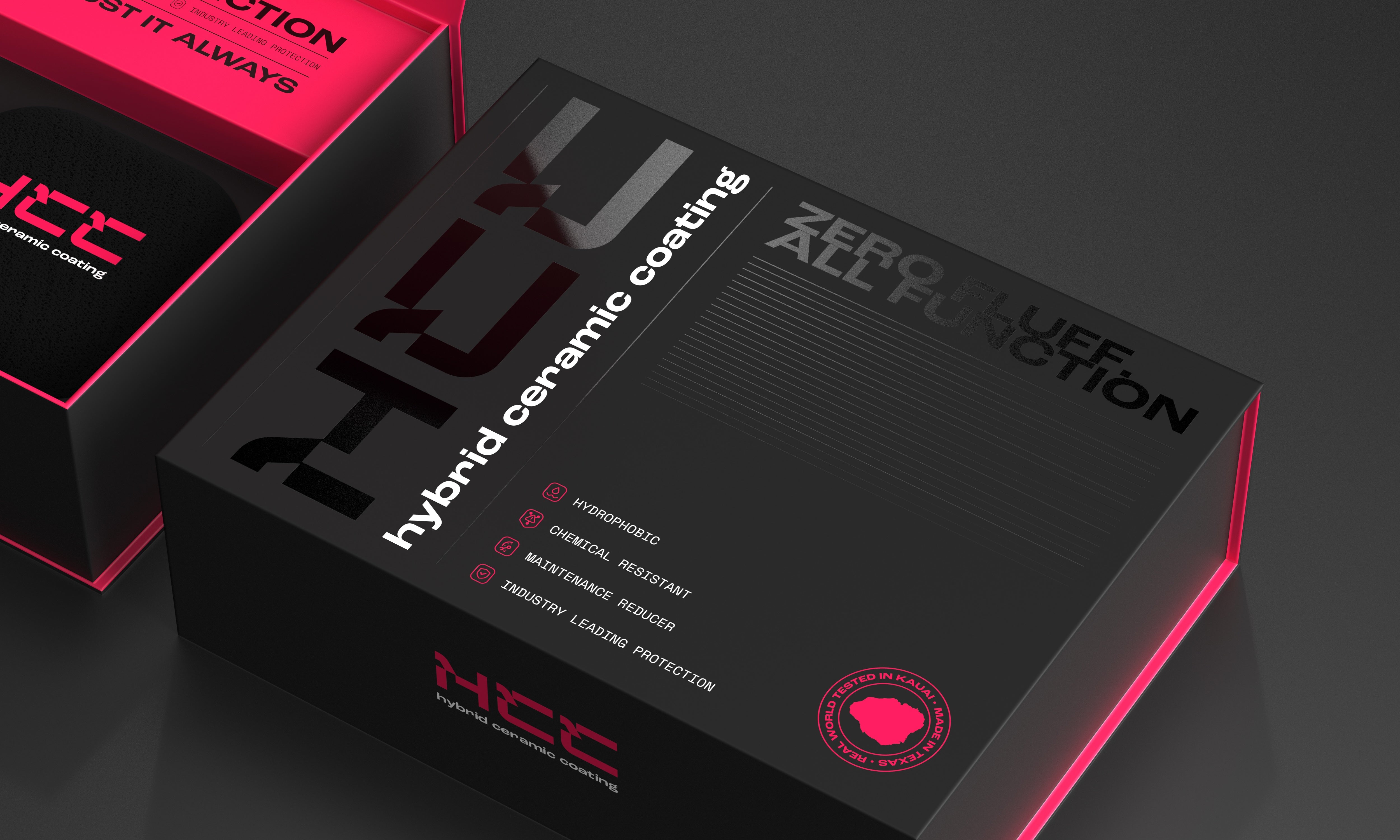
When a coating is relevant to a vehicle project, HCC Hybrid Ceramic Coating is Undrdog’s flagship all-surface coating for cars, boats, planes, and bicycles. Its multi-year protection depends on preparation, exposure, use, and maintenance, rather than a promised fixed lifespan. Confirm suitability and follow the current instructions for the exact surface.
For a transfer file, the important discipline is to preserve the product identity and the application record. A buyer should receive the product name, installer information if applicable, application details, and any applicable maintenance documentation. Those records help the next owner understand what was done, but they should not be presented as proof of a transferable warranty unless the applicable warranty or provider confirms that status.
Undrdog also offers Undrdog Pro, a coating available to detailers and DIYers, with its own current application and aftercare instructions. Undrdog Pro Plus is a separate coating, also available to detailers and DIYers, and should be handled according to its own instructions. Product documentation and warranty documentation are not interchangeable, so retain both when they apply.
If you are preparing a coated vehicle for resale, start with the paperwork, ask the installer or provider for a written transfer answer, and give the next owner a complete file. For a new coating project, review the ceramic coating warranty fine print before making promises about coverage, then choose the relevant coating durability guidance with the vehicle’s use and maintenance plan in mind.
Further Reading
- The Ceramic Coating Warranty Fine Print: What “5-Year” and “Lifetime” Actually Require of You
- How Long Does Ceramic Coating Really Last? Why We Don’t Put a Year on the Bottle
Frequently Asked Questions
Does a ceramic coating warranty automatically transfer to a new owner?
Do not assume it does. Transferability depends on the exact warranty and provider. One published warranty example says it “can only be transferred if new owner attends to the annual service,” so obtain the applicable document and written confirmation before describing coverage as transferred. Review that provider’s published wording as an example, not a universal rule.
What documents should a seller give a buyer?
Give the buyer the complete warranty terms, original invoice, product name, installer details, application or registration information, relevant service records, provider correspondence, and contact instructions. If transfer is pending or unconfirmed, label it that way. Documentation of an application is useful, but it is not by itself confirmation that the warranty can be used by the new owner.
Can a coating remain on the car if the warranty does not transfer?
A warranty record and the coating on the vehicle are separate matters. The practical question for the sale is whether the warranty can be used by the buyer, not merely whether a coating was previously applied. If transfer cannot be confirmed, assess the vehicle without relying on warranty coverage and describe the coating history accurately.
Why does annual service matter when transferring a coating warranty?
Some provider terms connect transfer or continued coverage to scheduled service. The published example used here states that transfer requires the new owner to attend the annual service. Check the applicable warranty wording and ask who performs the service, when it is due, and how completion is recorded.
What should a buyer ask the installer before closing?
Ask the installer to confirm the exact product, vehicle record, transfer eligibility, deadline, required new-owner action, service requirements, coverage, exclusions, and future contact process. Request the answer in writing and keep it with the sale documents. A verbal statement that the warranty is “active” may not answer what the buyer must do next.
Is an invoice enough to prove a transferable warranty?
No. An invoice can help establish that a product or service was purchased, but it may not contain the transfer terms, service conditions, coverage, or provider approval. Use it alongside the complete warranty and written transfer confirmation. If the warranty document is missing, treat transferability as unconfirmed until the provider or installer responds.
What if the seller cannot find the coating warranty?
Ask the original installer or provider whether they can locate the record and explain the transfer process. Until that happens, do not describe the warranty as confirmed. You can still evaluate the vehicle and the documented coating history, but the purchase decision should not depend on coverage that has not been established.
Should a seller promise a fixed coating lifespan to a buyer?
Avoid making a fixed lifespan promise unless the exact applicable document supports it. For HCC, Undrdog states that multi-year protection depends on preparation, exposure, use, and maintenance rather than a promised fixed lifespan. See the HCC product information and describe the documented application and care history instead of guaranteeing a result.
Choose the product that fits the job
Review the surface requirements and current directions before you start. Choose the right product for your project, not a bigger promise.
Explore HCC - Hybrid Ceramic Coating

Leave a comment
This site is protected by hCaptcha and the hCaptcha Privacy Policy and Terms of Service apply.