

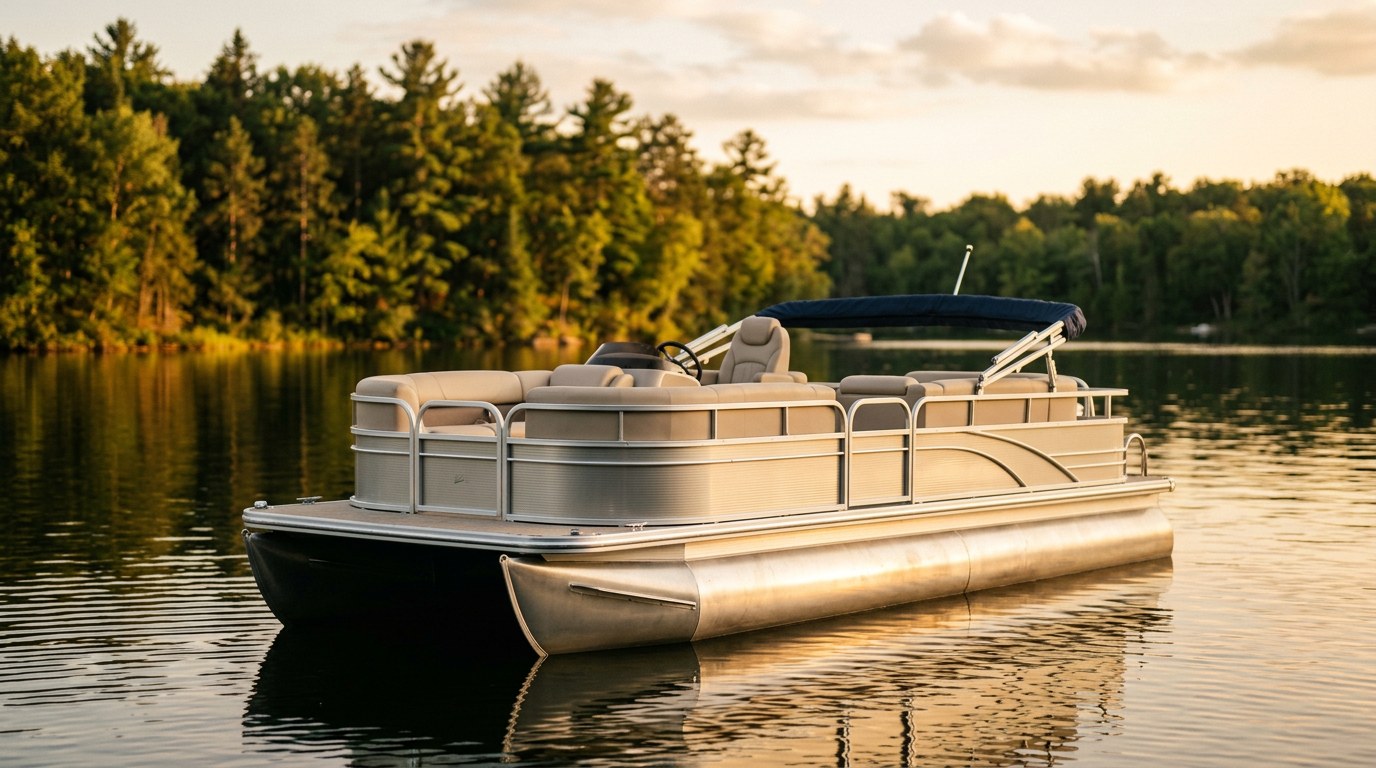
Short answer: aluminum pontoons and hulls develop chalky white oxidation because bare aluminum reacts with air and water to form aluminum oxide on the surface. The safe restoration sequence is rinse, wash with a marine soap, apply an aluminum-specific brightener at the correct dwell time, neutralize, dry, then seal with a ceramic coating so the surface can't oxidize again. Muriatic acid and harsh household chemicals work fast but cause streaking and permanent pitting — avoid them.

Why Aluminum Oxidizes (And Why It's Different From Gelcoat Chalking)
Aluminum is a reactive metal. The moment a fresh aluminum surface hits oxygen, it forms a thin layer of aluminum oxide — a hard, dull white coating that's actually protective in small doses. In marine environments, three things accelerate that reaction: constant water contact, dissolved oxygen in the water, and salt or mineral content. Over a season on the lake or in salt, that thin protective layer thickens into visible chalky oxidation, staining, and eventually pitting.
This is a completely different failure mode than gelcoat chalking, which is UV-driven degradation of the resin binder. Both look similar from ten feet away, but the chemistry is opposite. Gelcoat needs polish and UV protection. Aluminum needs an acid-safe cleaner to strip the oxide layer, then a barrier coating to slow the reaction. If you're comparing pontoons to fiberglass boats, our post on wakeboard and ski boat ceramic coating covers the gelcoat side.
What You're Actually Looking At: Types of Aluminum Contamination
Not every white or brown spot on your pontoon is the same thing. Correctly identifying the problem changes what chemical you reach for.
| Type | Appearance | Cause | Correct Treatment |
|---|---|---|---|
| Light oxidation | Uniform chalky haze | Air + water exposure | Aluminum brightener + soft brush |
| Heavy oxidation | Thick chalky buildup, dull surface | Multi-season neglect | Brightener + mechanical polish |
| Waterline stain | Brown or yellow band at water level | Tannins from decaying leaves and organic matter | Aluminum-safe stain remover |
| Salt scaling | White crusty deposits | Saltwater evaporation | Fresh water rinse, then brightener |
| Galvanic pitting | Small dark craters, worst near dissimilar metals | Two different metals in contact through electrolyte | Anode inspection + isolation |
| Algae & scum line | Green/black slime at waterline | Biological growth | Marine soap + soft brush |

The Chemistry Nobody Explains: What Aluminum Brighteners Actually Do
An aluminum brightener is an acidic cleaner — typically containing hydrofluoric acid derivatives or phosphoric acid — that dissolves aluminum oxide. When you spray it on, the acid reacts with the oxide layer and lifts it off, exposing fresh metal underneath. That's why a properly brightened pontoon looks like new aluminum: because you're seeing the metal that was hiding under the chalk.
The safety issue is that these same acids will attack the aluminum itself if left too long. Dwell time is the critical variable. Too short: the oxide doesn't lift. Too long: the acid etches the metal and creates streaking or micro-pitting. The manufacturer's recommended dwell time (usually 30 seconds to 5 minutes depending on the product) is the safe window.
Hydrofluoric acid derivatives are also genuinely dangerous to skin and lungs. Always wear chemical-resistant gloves, safety glasses, and work in ventilated conditions. Rinse any accidental skin contact immediately with cold water. Per the CDC/NIOSH pocket guide, hydrofluoric acid exposure needs prompt medical evaluation even when it seems minor at the time.
The Full Restoration Sequence
Step 1 — Rinse Everything
Fresh water rinse the entire boat top to bottom, focusing on pontoon tubes. This removes surface salt, dirt, and biological film so the chemical treatment reaches the actual metal instead of getting used up on grime.
Step 2 — Wash With Marine Soap
Use a pH-neutral marine wash. Two-bucket method with a soft mitt. Rinse thoroughly. If you're new to two-bucket washing, the same technique that keeps automotive paint scratch-free applies here — our safe wash guide covers the fundamentals.
Step 3 — Suit Up
Chemical-resistant nitrile or neoprene gloves. Safety glasses or a face shield. Long sleeves. Work outdoors or in a well-ventilated space, never in an enclosed garage.
Step 4 — Apply Aluminum Brightener
Work in small sections — roughly a 4–6 foot length of pontoon at a time. Spray the brightener onto the surface (not into the wind, and not overhead onto yourself). Let it dwell for the manufacturer-specified time. You'll see the chalky layer visibly darken and dissolve.
Step 5 — Agitate Gently
A soft-bristle brush (natural bristle or soft synthetic) helps lift stubborn spots. Never use a wire brush, a stiff nylon brush, or an abrasive pad. Those create swirl marks that require polishing to remove later.
Step 6 — Rinse Immediately and Thoroughly
Do not let the brightener dry on the surface. Rinse each section immediately after brushing with a heavy stream of fresh water. Watch the runoff drain safely away from lawn, pets, and dock finishes — the runoff is corrosive.
Step 7 — Neutralize (Optional but Recommended)
A baking soda solution (about ¼ cup baking soda per gallon of water) wiped over the treated area neutralizes any acid residue. Rinse again with clean water.
Step 8 — Dry Completely
Water spots on freshly brightened aluminum look worse than they should because the metal is now more chemically active. Blow-dry with a leaf blower or wipe with clean plush microfiber towels. Do not air-dry.

Step 9 — Seal With a Ceramic Coating
This is the step most owners skip — and it's the reason the oxidation comes back within one season. Freshly brightened aluminum is chemically reactive. Air and water start forming a new oxide layer within hours. A ceramic coating puts a hard, non-reactive film over the aluminum so oxygen and water can't reach the metal directly.
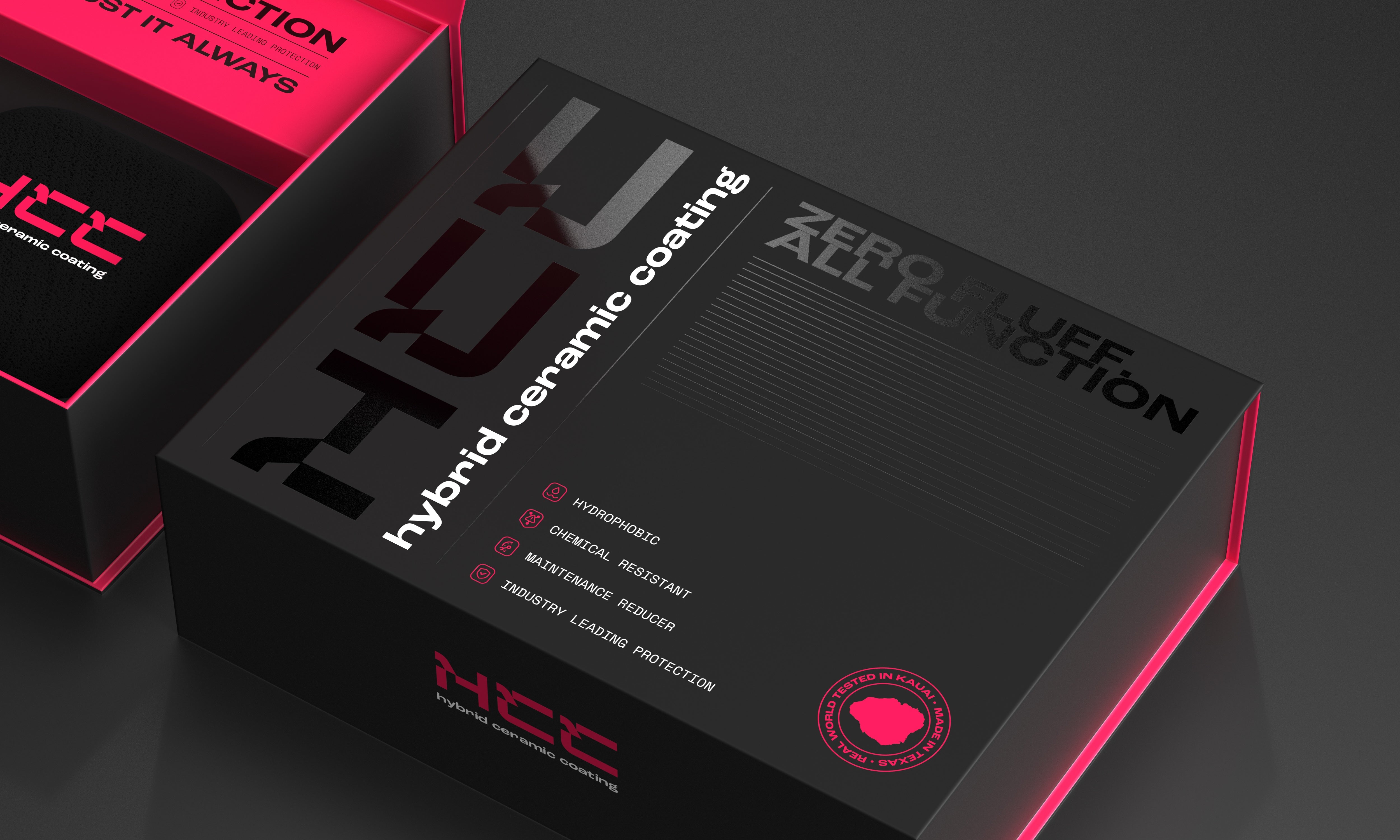
Undrdog's flagship HCC Hybrid Ceramic Coating is our default recommendation for aluminum pontoons because it's engineered as an all-surface coating — documented pH resistance range of 2 to 13, thermal tolerance up to 1,200°F on metal, and safe on aluminum, paint, gel coat, glass, PPF, vinyl, and plastic trim. That means the same bottle handles pontoon tubes, painted fencing panels, powder-coated railings, gauges, and vinyl seating in one pass.
Salt Water vs Fresh Water: Different Rules
Fresh Water Pontoons
Most pontoons live on lakes. Oxidation is slower, waterline staining from tannins is more common (especially on tea-colored lakes with a lot of decaying leaves). Annual brightening plus in-season rinses is usually enough. Ceramic coating extends the interval to two-plus seasons in most cases.
Salt Water Pontoons
Salt is aggressive. It accelerates oxidation, corrodes fasteners, and drives galvanic reactions where dissimilar metals meet. Salt water pontoons need a fresh water rinse after every outing — not once a week, every trip. Sacrificial anodes should be inspected every few months. Ceramic coating is not optional here; without it, seasonal brightening is a maintenance treadmill you can't get off of.
What to Skip: Chemicals That Look Fast But Cost You
- Muriatic (hydrochloric) acid. It works, but it etches aluminum aggressively and leaves streaks that require sanding to correct.
- CLR, Lime-A-Way, and other household calcium removers. Formulated for tile and porcelain, not marine aluminum.
- Toilet bowl cleaner (contains HCl). Same problem as muriatic acid.
- Undiluted "on-off" hull cleaners. Effective if used per instructions, but many owners over-apply. Follow the label.
- Scotch-Brite pads and steel wool. Guaranteed swirl marks. You'll be polishing them out later.
- Pressure washing at high pressure into weld seams. Can drive water into structural welds and rivets.
The Maintenance Rhythm That Actually Works
Once you've brightened and coated the aluminum, the ongoing routine is simple:
- After every use: fresh water rinse the pontoons, especially the waterline band and the underside where scum collects.
- Every few weeks in season: two-bucket wash with a ceramic-safe soap like Undrdog Soap.
- Every few months in season: a hydrophobic booster refresh with Undrdog Quick Detail across the coated surfaces to keep water sheeting off cleanly.
- End of season: deep wash, inspect anodes, re-coat any spots that have taken heavy abuse, store dry.
- Every 1–2 seasons (fresh water) or annually (salt water): full brightener + re-coat cycle.
Ceramic Coating vs Paint vs Bare Aluminum
You have three paths for the long-term surface of a pontoon:
- Bare aluminum + brightener maintenance. Cheapest per bottle, most labor over time. Oxidation returns every season.
- Marine paint. Effective but expensive and non-repairable in the field — chips reveal bare aluminum and need touchup.
- Ceramic coating over bare aluminum. Middle cost, longest interval between full restorations, and doesn't hide the natural brushed aluminum look most owners prefer.
For owners who want their pontoons to look like new brushed aluminum indefinitely, coating is the right long-term path. If the pontoon is already painted, the same coating goes over the paint and extends its life instead.
Coating the Rest of the Boat While You're At It
Once you're already suited up and coating the pontoon tubes, hit the other high-value surfaces:
- Painted railings and fencing panels. HCC bonds to marine paint and adds gloss.
- Windshield and gauge glass. Hydrophobic glass improves visibility in rain.
- Vinyl seating. Adds UV protection and makes bird droppings and sunscreen residue wipe off cleanly.
- Powder-coated bimini frame. Same coating, same protection.
For a comparison of HCC vs the Undrdog Pro line, our HCC vs Undrdog Pro post walks through when each one fits best.
Restore your pontoons once. Protect them for seasons.
HCC is our flagship hybrid ceramic. It seals bare aluminum, paint, glass, vinyl, and gel coat in a single pass — so the oxidation that took a weekend to strip doesn't come back next month.
Shop HCC →Frequently Asked Questions
Can I use vinegar to clean aluminum pontoons?
White vinegar diluted 50/50 with water handles light waterline stains and mild oxidation without the risk of a strong acid brightener. It's slow — more dwell time and elbow grease than a dedicated brightener — but safe for the aluminum and safe to have around kids and pets on the dock.
Is muriatic acid safe on aluminum pontoons?
It cleans quickly but etches the aluminum, leaves streaking, and generates chlorine gas exposure risk. Almost no aluminum boat detailer recommends it. Use a dedicated aluminum brightener instead and follow the label.
How often should I clean my aluminum pontoon boat?
Fresh water rinse after every outing. Full wash every few weeks in season. Full oxidation-removal brightening every one to two seasons on fresh water, annually on salt water. Ceramic coating extends the brightening interval significantly.
Can I ceramic-coat oxidized aluminum, or do I have to brighten first?
Brighten first. Ceramic coatings bond to the surface they're applied over, and oxidation is a loose, chalky layer that will fail with the coating still stuck to it. You must remove the oxide layer down to fresh metal for the coating to bond properly.
Will ceramic coating darken the natural aluminum look?
No. HCC dries to a clear film. Freshly brightened aluminum stays the same natural silver appearance with a slightly deeper, glossier finish under coating.
Do I need to sand aluminum before coating?
No. In fact, sanding creates surface scratches that show up as swirl marks under coating. Brighten to fresh metal, dry completely, and coat. That's the sequence.
What about aluminum pontoons with black or painted stripes?
Mask off the painted graphics with painter's tape before applying brightener — the acid can etch or discolor marine paint. When you coat, HCC bonds to both the bare aluminum and the paint safely, so you can remove the masking and coat everything in one pass afterward.
How long does a ceramic coating last on aluminum pontoons?
On a well-prepped pontoon that gets rinsed after use and boosted with a hydrophobic top-up every few months, a properly applied ceramic runs multiple seasons. Salt water shortens that interval; fresh water extends it. Prep quality matters more than the coating brand.
What's the difference between a hull cleaner and an aluminum brightener?
Hull cleaners are usually formulated for waterline stain and biological film on fiberglass. Aluminum brighteners are acidic products formulated specifically to dissolve aluminum oxide. Some products do both — read the label to confirm it's aluminum-safe before applying to pontoons.
Can I clean pontoons in the water or does the boat need to be out?
Light wash and hydrophobic booster refresh can happen in-water. Full brightening should be done on a lift or trailer — both because the runoff is corrosive to lake and marine life, and because you need to fully rinse the treated metal, which you can't do properly with the pontoon in the water.

Leave a comment
This site is protected by hCaptcha and the hCaptcha Privacy Policy and Terms of Service apply.