

Before a ceramic-coated boat goes into storage, wash away salt and surface soil, dry it thoroughly, inspect the coating and gelcoat, then install a secure cover suited to the boat and its storage site. The coating changes how you maintain the exterior, but it does not remove the need for a careful storage handoff.
This is an exterior off-season checklist. It does not cover engine winterization, plumbing, batteries, structural repairs or antifouling treatment. Those tasks require their own instructions and, where appropriate, a qualified marine professional.
What the storage handoff should accomplish
A good handoff leaves the boat clean, dry, documented and protected from avoidable exposure. The objective is not to make a ceramic coating perform jobs it was never intended to perform. It is to remove residue before storage, identify defects while access is easy and use a cover that fits the boat and the site.
Discover Boating's fall lay-up guidance includes exterior cleaning and salt removal. That is especially useful as a starting point for a coated boat: contamination should be addressed before the boat is covered, rather than left beneath the cover for the off-season.
Think of the process as a handoff between three conditions:
- Before washing: the boat may carry salt, grime, water spots or other residue from use.
- After inspection: you know which marks are removable soil, which areas need more attention and which defects should be referred for repair.
- Before covering: the exterior is dry enough for storage, the cover is appropriate to the boat and site, and the remaining work is clearly assigned.
Start with a surface and storage assessment
Walk around the boat before pulling out wash supplies. Note the hull, topsides, deck, rails, windshield area and any other coated exterior surface. Look for salt residue, bird or other organic deposits, water spotting, scuffs, lifting or peeling material, and areas where the surface appearance differs from the surrounding finish.
This first pass is not a coating-performance test. It is a decision point. If a mark appears to be ordinary surface contamination, plan to wash it. If the surface is damaged, peeling, structurally compromised or beyond the scope of routine cleaning, stop and assign it to the appropriate repair or detailing process. Do not use storage preparation as an excuse to polish aggressively or apply another product to an uncertain surface.
Also assess the storage location. A cover that works for one boat and site may not be suitable for another. Discover Boating's storage guidance emphasizes a suitable, secure cover or a professionally installed wrap appropriate to the boat and site. Treat that as a storage decision, not merely a finishing step.

Wash the exterior without turning maintenance into correction
Use a deliberate wash rather than trying to improve every visible imperfection in one session. Work in manageable sections, keep track of areas that still need attention and follow the directions for the wash product and the boat's surfaces.
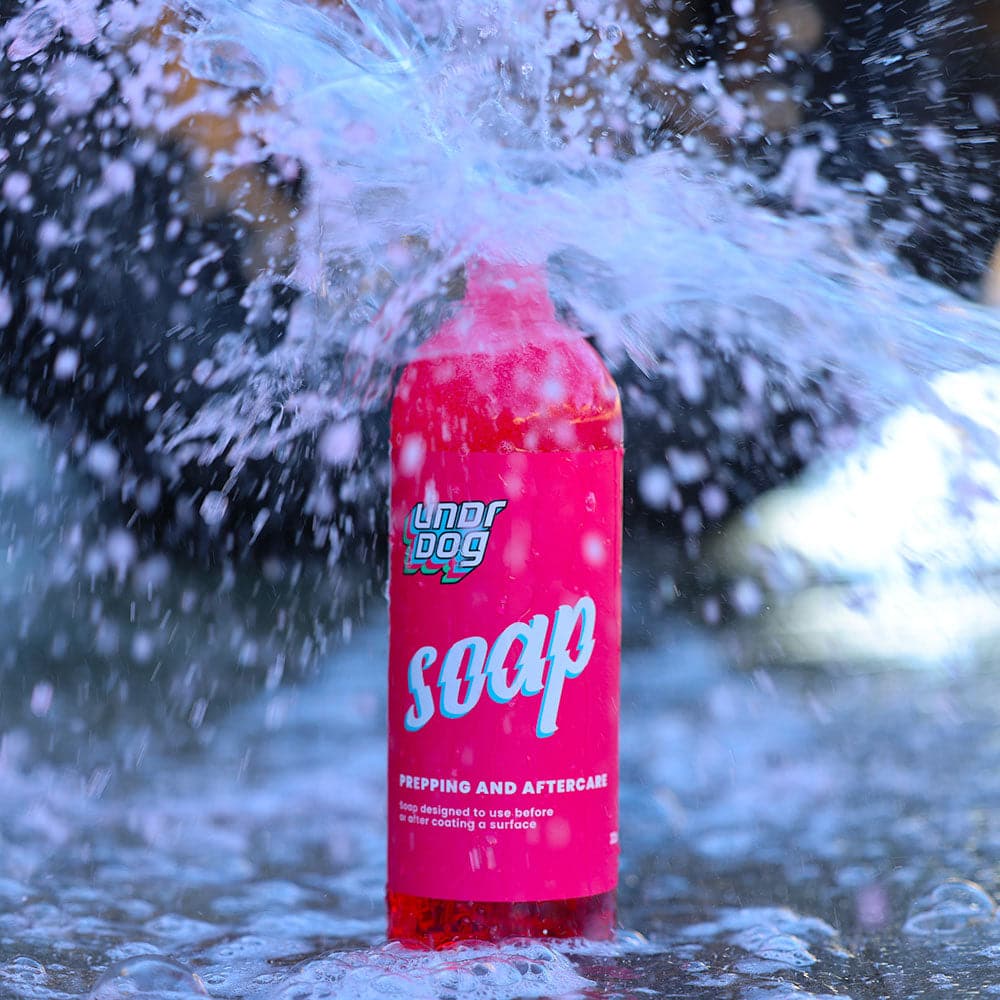
Undrdog Soap: Ultimate Car & Boat Wash is a pH-neutral automotive wash described by Undrdog as suitable for routine coating maintenance. Follow its label dilution and surface directions. The product's pH description is not, by itself, a universal compatibility determination for every material on a boat.
For the storage wash, concentrate on complete removal of salt and loose surface soil. Pay attention to transitions, trim, hardware surrounds and other places where residue can remain. Rinse and inspect as you work. If the same mark remains after a normal wash, do not automatically escalate to a compound, solvent or abrasive. First decide whether the mark is contamination, coating residue, gelcoat damage or another issue that needs a different process.
| What you see | Reasonable next step | Stop and reassess when |
|---|---|---|
| Salt or loose soil | Include the area in the exterior wash and inspect it again afterward. | Residue remains after the normal wash, or the surface cannot be identified confidently. |
| Water spotting or dull appearance | Document the location and decide whether it is a cleaning issue or a correction issue. | Removing it would require aggressive polishing or an unverified chemical process. |
| Scuff, peeling or apparent surface damage | Photograph and refer it for the appropriate repair or detailing decision. | The proposed fix would conceal damage or add coating over an unstable surface. |
| Clean, consistent coated surface | Dry it, complete the inspection and prepare the appropriate cover. | The cover or storage site cannot protect the boat securely. |
Drying is part of the inspection
Do not treat drying as a cosmetic afterthought. Water can make a surface look cleaner or more uniform than it is, while trapped moisture makes it harder to complete a reliable storage check. Dry the exterior using a method appropriate to the boat and the surfaces, then walk the boat again under useful light.
Look at the areas where water tends to collect or travel: edges, joints, fittings, recesses and cover contact points. The purpose is not to claim that every hidden area is moisture-free. The purpose is to avoid covering a visibly wet exterior and to identify places that deserve another pass before the handoff.
If the boat cannot be made suitably dry during the planned visit, pause the cover installation rather than treating the schedule as more important than the condition of the surface. Record what remains, arrange the next step and make sure the person receiving the boat understands that the storage handoff is incomplete.
Inspect the coating, gelcoat and finish before covering
Once the surface is clean and dry, inspect it in sections. Compare neighboring areas instead of relying only on a general impression from a distance. A change in gloss, texture or appearance can be a sign that the area needs further evaluation, but appearance alone does not establish the cause.
Use a simple worksheet for each side of the boat:
- Area: for example, port aft topside or forward deck.
- Condition: clean, residue remains, spot remains, apparent damage or needs review.
- Action: no action, repeat wash, separate detailing process, repair referral or owner decision.
- Image or note: record enough context to find the area again.
This worksheet is a practical organizational tool, not a measurement of coating thickness, durability or performance. Its value is continuity. If another detailer, owner or storage facility sees the boat later, they can distinguish a known pre-storage condition from a new concern.

Decide whether the boat needs more coating work
Storage preparation is not automatically the right time to recoat. A clean surface may need nothing beyond routine maintenance and a suitable cover. A damaged or uncertain surface may need correction, inspection or repair before any new coating is considered.
Use this decision sequence:
- Is the surface merely dirty? Complete the wash and reassess.
- Is the remaining issue clearly identified? If not, document it and stop rather than guessing.
- Would the proposed process remove or repair the issue? If it would only hide it or add material over it, do not proceed.
- Can the work be completed according to the product's current directions? If not, defer the application.
- Will the boat still receive an appropriate cover? A coating decision does not replace storage protection.
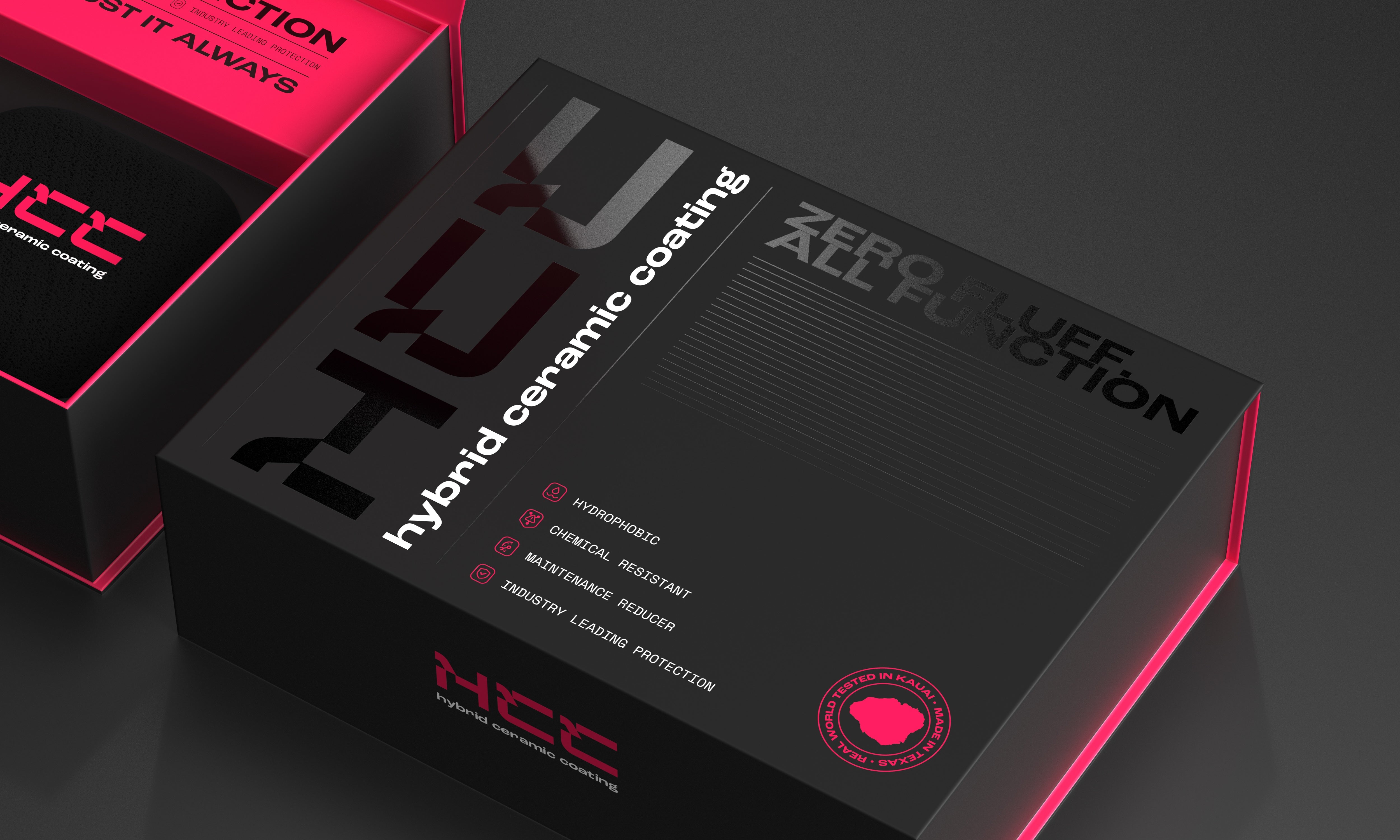
If you are considering a new coating for a suitable exterior surface, HCC, Undrdog's Hybrid Ceramic Coating, is the general all-surface starting option for cars, boats, planes and bicycles. Its multi-year protection depends on preparation, exposure, use and maintenance, rather than a fixed promised lifespan. Confirm suitability and the current application instructions for the exact surface before proceeding.
Choose the cover as part of the protection plan
A cover is not an optional visual finish after the real work is done. It is the part of the storage handoff that addresses the storage environment. Choose a cover or professionally installed wrap appropriate to the boat and site, and secure it in a way that is suitable for that arrangement.
Before leaving the boat, check that the cover is actually the intended one, that it is positioned correctly and that it does not create an obvious unresolved contact or access problem. Do not improvise a claim about what a cover will prevent. Its role is to provide appropriate storage protection, not to transform the boat into a maintenance-free object.
Ask the storage provider or owner to confirm the practical handoff details: who checks the boat, who has access, what condition should trigger a call and whether the cover or wrap will be adjusted by someone else. A clean inspection record is useful only if the next person knows what it means.
A practical pre-storage checklist
Use this checklist at the boat, not as a substitute for the boat's own product and storage directions:
- Confirm that the work is limited to exterior storage preparation.
- Walk the boat and note contamination, spots, scuffs, peeling or apparent damage.
- Wash the exterior, with attention to salt and residue.
- Use the wash product according to its label dilution and surface directions.
- Inspect areas that still look different after washing.
- Dry the exterior and review edges, recesses, fittings and cover contact points.
- Photograph or record unresolved conditions.
- Decide whether any additional detailing or repair should happen before covering.
- Do not apply a new coating over an uncertain or unstable surface.
- Confirm the cover or wrap is suitable to the boat and storage site.
- Secure the storage handoff with a named next step for every unresolved item.
Common storage-preparation mistakes
Waxing by habit
General boat-care advice may mention wax, but that does not make wax a requirement for an existing ceramic coating. Discover Boating's fall lay-up resource includes a general wax recommendation, so treat that recommendation in context rather than automatically layering products onto a coated surface.
Using a stronger process because a spot remains
A remaining spot is a reason to identify the spot, not proof that a stronger chemical or abrasive is appropriate. If the cause is uncertain, preserve the condition with notes and refer the area for a suitable decision.
Confusing a coating with antifouling or winterization
A ceramic coating is not a substitute for engine winterization, plumbing preparation, structural repair or antifouling treatment. Those are separate responsibilities. This article's storage checklist ends at the exterior handoff.
How Undrdog does it
For routine maintenance of a ceramic-coated exterior, start with Undrdog Soap and follow the current label directions. When a new coating is relevant for a suitable surface, HCC is the general all-surface starting recommendation, subject to surface suitability, preparation and current application instructions.
For a specifically marine surface or gelcoat application, Undrdog Marine can be considered after reviewing its own directions. It is a marine-surface and gelcoat coating, not an antifouling treatment, structural repair, engine winterizer or replacement for a cover.
The best final step is straightforward: finish the wash, finish the inspection, document what remains and cover the boat appropriately. If the surface is clean and the storage handoff is clear, you have done the exterior work this checklist is designed to accomplish.
Further reading
For broader boat-coating care, read Wakeboard & Ski Boat Ceramic Coating: The Full Care Guide. If the finish needs correction before storage, see How to Polish a Fiberglass Boat: The 2026 Owner's Guide.
Frequently Asked Questions
Should I wash a ceramic-coated boat before winter storage?
Yes. Make exterior washing part of the storage handoff so salt and surface soil are not left on the boat before it is covered. Discover Boating's fall lay-up guidance includes exterior cleaning and salt removal. Use a suitable wash according to its current label directions, then inspect the surface rather than assuming every remaining mark is removable soil.
Can I use Undrdog Soap on a ceramic-coated boat?
Undrdog Soap is described as a pH-neutral automotive wash suitable for routine coating maintenance. Follow the product's label dilution and surface directions. Its pH description alone does not establish compatibility with every boat material, so consider the full surface and stop if the material or condition is uncertain.
Do I need to wax a boat that already has ceramic coating?
Not automatically. General boat storage guidance may mention wax, but that is not a requirement to wax an existing ceramic coating. Start with cleaning, drying and inspection. Add another product only when it is appropriate for the specific surface and coating, and when its current directions support the proposed use.
Should I recoat the boat before putting on the cover?
Only when the surface is suitable, properly prepared and the coating can be applied according to its current directions. A clean boat may need only routine maintenance and a suitable cover. If the surface is damaged, peeling or unidentified, document it and resolve that issue before considering another coating.
Is HCC suitable for a boat exterior?
HCC is Undrdog's general all-surface coating for cars, boats, planes and bicycles. Confirm suitability and current application instructions for the exact boat surface. Any multi-year protection depends on preparation, exposure, use and maintenance, so it should not be treated as a fixed lifespan promise.
What is Undrdog Marine, and does it replace antifouling?
Undrdog Marine is a marine-surface and gelcoat coating for consideration in a specifically marine application. It is not an antifouling treatment, structural repair, engine winterizer or replacement for a cover. Review its own directions and keep those separate maintenance decisions separate from exterior storage cleaning.
What should I inspect after washing the boat?
Inspect the hull, topsides, deck, rails, fittings, recesses and cover contact areas. Note residue that remains, water spotting, scuffs, peeling or apparent damage, then record the location and next action. A remaining mark does not identify its cause by itself. If the condition is uncertain, stop rather than escalating immediately to an abrasive or chemical process.
Does a ceramic coating replace a boat cover?
No. A coating does not replace suitable storage protection. Discover Boating's storage guidance calls for a suitable secure cover or professionally installed wrap appropriate to the boat and site. Treat the cover as part of the storage plan, and keep engine, plumbing, structural and antifouling work under their own instructions.
Choose the product that fits the job
Review the surface requirements and current directions before you start. Choose the right product for your project, not a bigger promise.
Explore HCC - Hybrid Ceramic Coating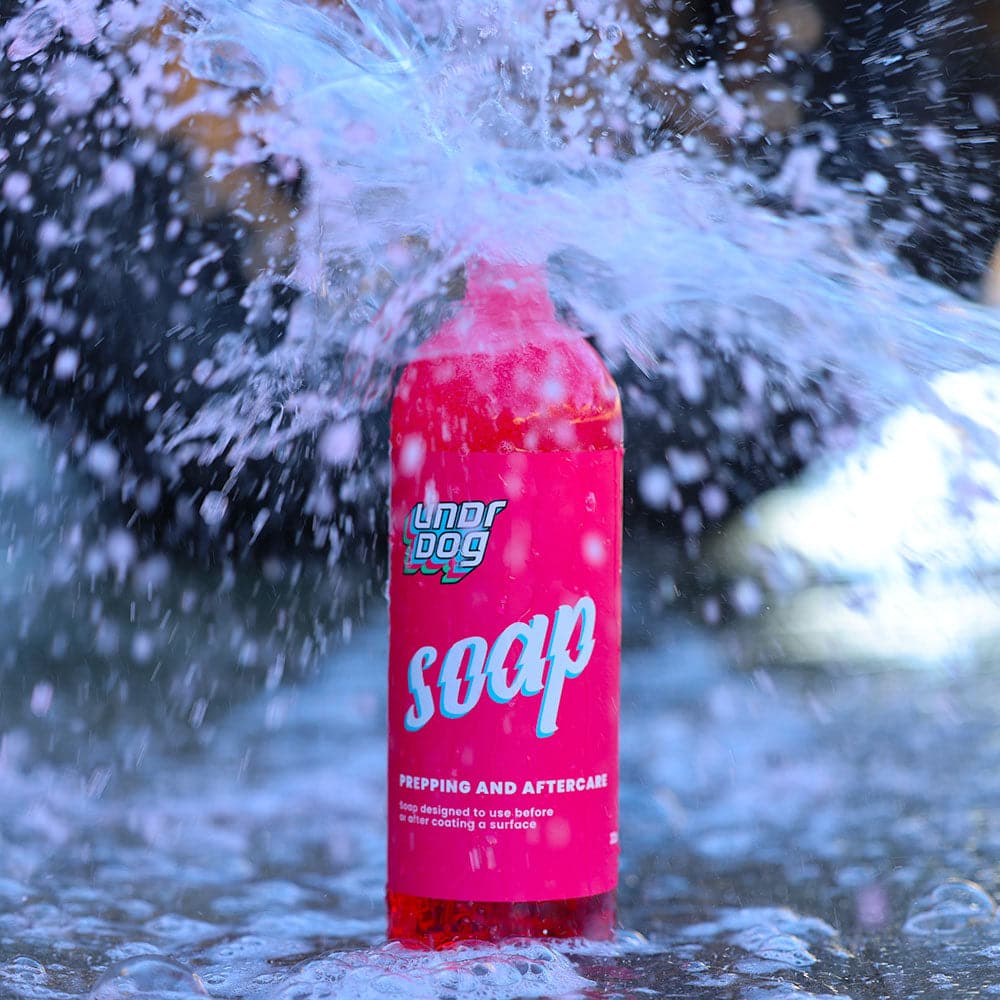

Leave a comment
This site is protected by hCaptcha and the hCaptcha Privacy Policy and Terms of Service apply.