
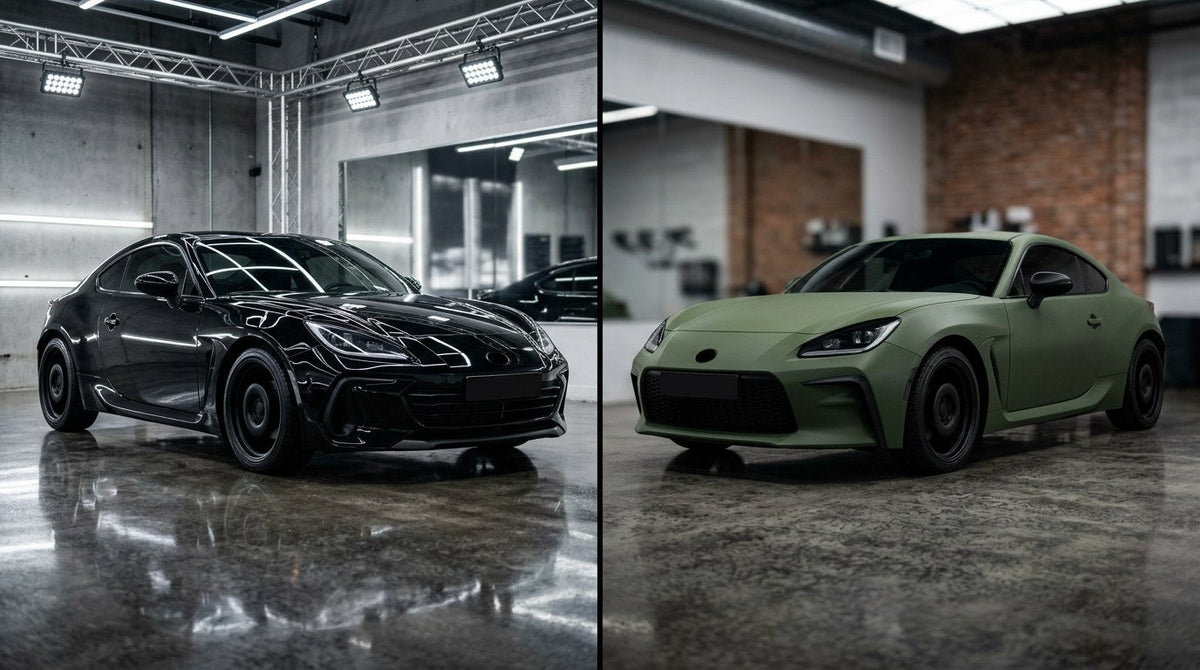
Ceramic coating and vinyl wrap solve two different problems: ceramic coating chemically bonds a transparent hydrophobic layer to your existing paint for 1–5 years of chemical, UV, and light-scratch protection at $500–$2,000, while vinyl wrap covers your paint with a printed film for 3–7 years of color change, aesthetic transformation, and moderate scuff resistance at $3,000–$6,000+. Choose ceramic coating if you love your paint and want to protect and enhance it. Choose vinyl wrap if you want to change how your car looks or shield the underlying paint for a future resale. The two aren't rivals — many owners layer ceramic coating over a wrap to extend the wrap's lifespan.
This guide breaks down the real differences: what each one is, exactly what it protects against and what it doesn't, real-world 2026 cost ranges, lifespan under normal conditions, maintenance effort, aesthetic outcomes, resale considerations, and the specific situations where one clearly beats the other.

What Ceramic Coating Actually Is
Ceramic coating is a liquid polymer — typically a silica-based (SiO2) or polysilazane chemistry — that chemically bonds to your clear coat and cures into a hard, transparent, hydrophobic layer roughly 1–3 microns thick. It's not a wax, not a sealant, and not a film. Once cured, the coating becomes part of the paint surface, providing:
- Hydrophobic water repellency (water beads and slides off)
- Chemical resistance to bird droppings, bug guts, tree sap, and light acid rain
- UV protection that slows oxidation and fading
- Light-scratch resistance (marring, swirls from washing, fine contact scratches)
- A deep, wet gloss that enhances the paint underneath
- Dramatically easier washing — most grime rinses off with light contact
What ceramic coating doesn't do: it doesn't prevent rock chips, deep scratches, or dents. It's a chemical sacrificial layer, not a physical barrier.
What Vinyl Wrap Actually Is
Vinyl wrap is a thin, adhesive-backed printed film — typically cast vinyl 2–4 mil thick — that installers cut, heat, stretch, and squeegee onto every panel of your vehicle. Once installed, it fully covers the underlying paint in a new color, finish (gloss, matte, satin, chrome, color-shift), or graphic. Vinyl wrap provides:
- Complete color and finish change without repainting
- Moderate scuff and scratch resistance for the paint underneath
- Removable protection — peels off to reveal factory paint (if installed and cared for correctly)
- Custom graphics, logos, or design work
- Sacrificial layer that takes bird droppings, sap, and light impacts instead of the paint
What vinyl wrap doesn't do: it doesn't add hydrophobic performance (though ceramic coating over the wrap does), doesn't add UV protection to the wrap itself (UV actually degrades vinyl over time), doesn't repair damaged paint, and doesn't stop rock chips at highway speed.
Ceramic Coating vs Vinyl Wrap: Full Comparison Table
| Factor | Ceramic Coating | Vinyl Wrap |
|---|---|---|
| Primary purpose | Chemical protection and gloss enhancement | Color/finish change and physical coverage |
| Physical form | Liquid that cures to ~1–3 micron layer | 2–4 mil adhesive film |
| Cost (professional install) | $500–$2,000 | $3,000–$6,000+ |
| Cost (DIY) | $50–$200 | $500–$2,000 in materials + significant labor |
| Typical lifespan | 1–5 years | 3–7 years |
| Aesthetic change | Enhances existing paint (deeper gloss) | Complete color/finish transformation |
| Rock chip protection | None | Minor |
| Scratch resistance | Light marring resistance | Moderate scuff resistance |
| Chemical resistance | Strong | Moderate |
| UV protection | Protects underlying paint | Wrap itself degrades from UV over time |
| Hydrophobic performance | Excellent | None (unless coated) |
| Washing difficulty | Much easier than uncoated | Requires gentle care to avoid edge lift |
| Reversible | No (grows out with clear coat over years) | Yes (removable if installed correctly) |
| Best for | Preserving factory paint, gloss enhancement, easier maintenance | Color change, aesthetic transformation, paint preservation for resale |

Real 2026 Cost Comparison
Cost is where these two really diverge. Vinyl wrap is a labor-intensive installation with expensive materials; ceramic coating is a smaller amount of material with skill-intensive but shorter application.
Ceramic Coating Cost Ranges
According to Corsa Auto's protection comparison, professional ceramic coating typically runs $500–$2,000 depending on tier, prep, and vehicle size. That range breaks down as:
- DIY hybrid ceramic: $50–$150 for a bottle covering 1–3 vehicles; you supply the labor
- Entry professional: $500–$800 for a mid-size sedan, includes basic decontamination and application
- Standard professional: $800–$1,500 for a mid-size sedan or SUV, includes full paint correction and multi-layer application
- Premium multi-layer professional: $1,500–$2,500+ for elite coatings with 5–7 year warranties
The biggest cost variable is paint correction. A car that needs heavy polishing to remove swirls and marring before coating can add $500–$1,500 to the total. A car in near-perfect condition needs only decontamination.
Vinyl Wrap Cost Ranges
The Wrap Map's 2026 breakdown puts standard vinyl wrap installation at $2,500–$6,000+, matching what most professional wrap shops quote in the US market:
- Partial wrap (roof, hood, mirrors): $500–$1,500
- Standard full color-change wrap on a sedan: $3,000–$4,500
- Full wrap on an SUV or truck: $4,000–$6,500
- Premium finish (chrome, color-shift, satin, matte metallic): $5,000–$8,000+
- Custom graphics or multi-color design: $6,000–$10,000+
DIY wrapping is possible but requires significant skill — a botched wrap has visible seams, bubbles, edge lift, and typically peels within months. Professional installation on a full vehicle takes 40–80 hours of labor by a skilled installer.
Annualized Cost Comparison
| Option | Install Cost | Lifespan | Cost per Year |
|---|---|---|---|
| DIY ceramic coating | $100 | 1–2 years | $50–$100 |
| Entry pro ceramic | $800 | 2–3 years | $267–$400 |
| Premium pro ceramic | $2,000 | 4–5 years | $400–$500 |
| Standard vinyl wrap | $4,000 | 4–5 years | $800–$1,000 |
| Premium vinyl wrap | $6,000 | 5–7 years | $857–$1,200 |
| Vinyl wrap + ceramic over wrap | $4,700 | 6–7 years | $671–$783 |
Ceramic coating wins on pure annualized cost. Vinyl wrap costs more per year but delivers something ceramic never can: a completely different-looking car.
Aesthetic Outcomes: What Each Actually Looks Like
Ceramic Coating Look
Ceramic coating enhances what's already there. A well-applied coating on a well-corrected surface gives you glass-like depth on the reflection, deeper color saturation, and a "wet look" gloss that catches the eye. But the car is still the same color and the same finish. If your factory paint is faded or damaged, ceramic makes those flaws more visible, not less.
Vinyl Wrap Look
Vinyl wrap changes everything about how your car looks. Matte white, satin black, gloss neon green, color-shift teal-to-purple, chrome gold, brushed aluminum, or a printed graphic wrap — vinyl gives you options that would cost $10,000+ in a repaint and require permanent commitment. High-end wraps installed by skilled installers can be so seamless that even automotive people don't realize the car is wrapped from ten feet away.
The trade-off: wraps show wear differently than paint. Edges can lift over time. Matte finishes attract fingerprints and need specific cleaning products. Chrome and color-shift wraps are more delicate than standard gloss.
Protection: What Each Actually Guards Against
What Ceramic Coating Protects Against
- Bird droppings and bug guts: The alkaline compounds that etch clear coat get held on the coating surface instead of chemically bonding to paint
- Tree sap: Softened by hydrophobic surface, wipes off before it hardens
- Light acid rain and industrial fallout: Chemical resistance prevents etching
- UV oxidation: Silica layer blocks a portion of UV, slowing paint fading
- Marring and swirl marks from washing: Harder surface resists micro-scratches from mitts and towels
- Water spots: Hydrophobic sheeting reduces mineral deposit adhesion
What Vinyl Wrap Protects Against
- Direct paint contact: Anything that would scratch or etch paint hits the vinyl film instead
- Light rock chips (limited): Vinyl is thicker than paint and absorbs minor impacts, though highway rocks still penetrate
- Sun on the underlying paint: UV never reaches the factory finish (though the wrap itself fades over time)
- Bird droppings and sap: Hits the vinyl instead of the clear coat
- Aesthetic damage from cheap car washes: Sacrificial layer takes the marring
What Neither One Fully Prevents
- Deep scratches, keying, or vandalism
- Rock chips at highway speed (PPF is the answer for this)
- Dents, hail, or collision damage
- Heavy-impact debris (rocks kicked up by trucks, gravel from construction zones)
Lifespan and Durability
Ceramic Coating Lifespan
According to Titan Coatings' 2026 comparison, professional ceramic coating typically lasts 2–5 years, with premium multi-layer products reaching 7–10 years under ideal conditions and careful maintenance. Real-world lifespan depends heavily on:
- Product tier and formulation quality
- Application quality (prep, application, cure environment)
- Washing practices (harsh chemicals shorten life dramatically)
- Storage (garage-kept lasts much longer than outdoor)
- Climate (coastal salt, intense sun, and freeze/thaw all shorten life)
DIY hybrid ceramics typically last 1–2 years. Entry-tier professional coatings last 2–3 years. Standard professional coatings last 3–5 years. Premium multi-layer systems can reach 5–7+ years with meticulous care.
Vinyl Wrap Lifespan
Quality vinyl wrap typically lasts 3–7 years depending on brand, installation quality, and exposure. Premium brands like 3M and Avery Dennison can push toward 7 years with careful care and garage storage. Cheap wraps installed poorly can peel or fail within 12–18 months.
Lifespan variables:
- Film quality (3M and Avery premium films last much longer than budget brands)
- Installation quality (poor edge tucking and stretching causes early failure)
- Sun exposure (constant direct sun cuts lifespan in half compared to garage-kept)
- Wash care (pressure washing at close range and harsh chemicals damage vinyl fast)
- Climate (extreme heat softens vinyl and accelerates adhesive breakdown)

Maintenance Reality
Ceramic Coating Maintenance
Once cured, ceramic coating is genuinely low-maintenance. The recommended routine:
- Wash every 1–2 weeks with a pH-neutral shampoo
- Two-bucket or rinseless method to avoid marring
- Skip drive-through car washes with harsh brushes
- Optional maintenance topper spray every 3–6 months to boost hydrophobicity
- Avoid harsh chemicals, degreasers, and acidic wheel cleaners on coated surfaces
Our ceramic coating maintenance guide covers the exact wash routine and product choices that keep a coating performing at its best.
Vinyl Wrap Maintenance
Vinyl wrap needs a gentler and more specific approach:
- Hand-wash only — no automated brushes ever
- Use pH-neutral, wrap-safe shampoo (some standard car soaps damage vinyl)
- No pressure washing at close range — edges lift easily
- Special products for matte and satin finishes (glossy waxes and sealants ruin matte look)
- Remove bird droppings, sap, and bugs immediately (vinyl stains faster than paint)
- Avoid abrasive polishes and compounds entirely
- Store in shade or garage when possible to slow UV degradation
Can You Combine Ceramic Coating and Vinyl Wrap?
Yes — and for many wrap owners, it's the highest-value combination. Applying a vinyl-safe ceramic coating over an installed wrap:
- Extends wrap lifespan by 12–18+ months according to Eurolux Detailing's wrap coating analysis
- Adds hydrophobic performance the wrap doesn't have on its own
- Makes cleaning much easier — grime rinses off instead of bonding to vinyl
- Blocks additional UV that would otherwise degrade the wrap
- Resists chemicals that would stain or damage vinyl
Important Requirements for Ceramic Over Vinyl
- Use a vinyl-safe coating. Not all ceramic coatings are formulated for vinyl — some can dry out the film or cause discoloration
- Wait for the wrap to fully cure first. 3M recommends waiting up to a week after installation before applying any coating or wax; Avery Dennison recommends no cleaning for the first 48 hours
- Coating on vinyl doesn't last as long. Expect 12–24 months on vinyl instead of the 2–5 years you'd get on paint
- It's a one-way decision. Once ceramic-coated, the wrap becomes harder to remove cleanly and may void the wrap warranty from some manufacturers
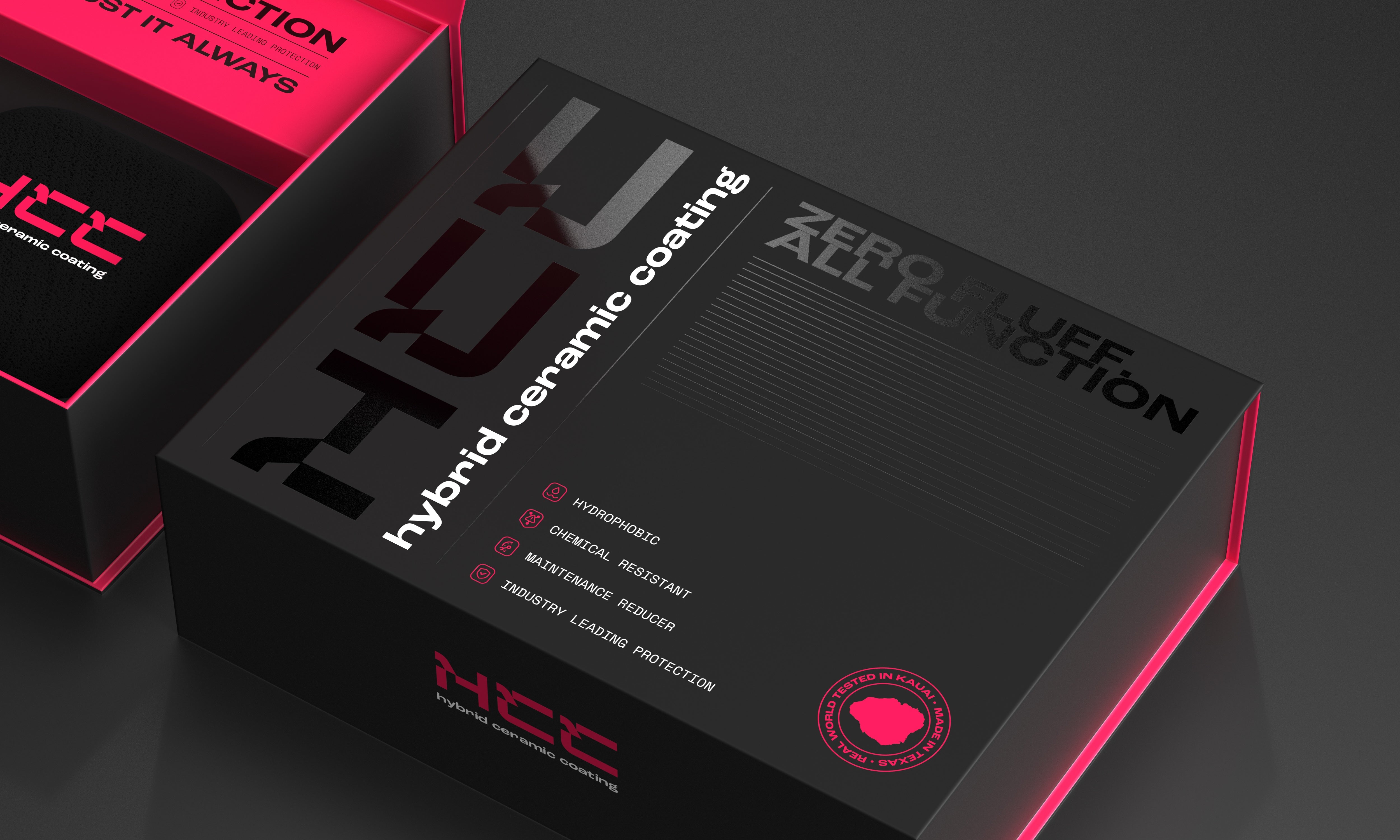
HCC (Hybrid Ceramic Coating) is Undrdog's flagship all-surface hybrid ceramic and works on painted surfaces including cars, boats, planes, and bicycles. Before applying ceramic over a vinyl wrap, confirm compatibility with your specific wrap and follow the wrap manufacturer's post-installation cure guidance.
Resale and Long-Term Value
How Ceramic Coating Affects Resale
Ceramic coating preserves the original paint underneath and keeps the car looking newer for longer. It doesn't add a direct dollar figure at resale but reduces the appearance of age, swirls, and light contamination that would otherwise reduce curb appeal. Documented coating history (invoice, warranty paperwork) is a positive signal to a serious buyer.
How Vinyl Wrap Affects Resale
Vinyl wrap is a mixed factor. Pros: the original paint underneath is preserved and unblemished after removal. Cons: not every buyer wants a wrapped car, and wrap in poor condition (peeling, faded, damaged) actively hurts resale. If you plan to sell within 3–5 years, weigh whether to remove the wrap before selling to restore the factory look.
A wrap installed over damaged paint is a much bigger red flag — some sellers wrap cars specifically to hide paint problems. Serious buyers know this and may pay significantly less or walk away entirely.
Which One You Actually Need
Choose Ceramic Coating If:
- You like your car's current color and finish
- You want protection and gloss enhancement, not a visual change
- You want the lowest ongoing cost per year
- You want to preserve factory paint for resale value
- You want dramatically easier washing and maintenance
- Your budget is $500–$2,500 for professional install
Choose Vinyl Wrap If:
- You want to change your car's color, finish, or add graphics
- You want a reversible aesthetic modification
- You lease the vehicle and can't repaint but want a new look
- You want a sacrificial layer protecting factory paint underneath
- Your budget is $3,000–$6,000+ and aesthetic transformation matters
- You're preparing to sell in 5+ years and want to preserve original paint
Choose Both (Ceramic Over Wrap) If:
- You've already wrapped or are wrapping the vehicle
- You want to maximize wrap lifespan
- You want hydrophobic performance on your wrap
- You want easier ongoing wrap maintenance
- You're okay with adding $500–$800 to the wrap total
Choose Neither (Consider PPF Instead) If:
- Rock chip protection is your primary concern
- You daily-drive highway miles behind trucks
- You want the strongest physical protection available
- Your car is a garage queen or show car and budget isn't a constraint (PPF full-vehicle runs $5,000–$8,000+)
For a deeper comparison on the physical-protection side, see our PPF vs Ceramic Coating full comparison.
Protect and enhance the paint you already love.
HCC is Undrdog's flagship hybrid ceramic — one-pass DIY application that delivers professional-tier gloss, hydrophobic performance, and chemical protection at DIY pricing. Works on cars, boats, planes, and bicycles.
Shop HCC →Ceramic Coating vs Vinyl Wrap FAQ
Is ceramic coating cheaper than vinyl wrap?
Yes, substantially. Professional ceramic coating runs $500–$2,000 versus $3,000–$6,000+ for a professional full vinyl wrap. DIY ceramic coating drops the cost to $50–$200 in materials. Ceramic wins on both upfront cost and annualized cost-per-year.
Which lasts longer, ceramic coating or vinyl wrap?
Vinyl wrap typically lasts longer — 3–7 years versus 1–5 years for ceramic coating. Premium wraps with careful care can reach 7 years; premium multi-layer ceramic coatings can reach 5–7 years. Both are climate and care dependent.
Can you put ceramic coating over vinyl wrap?
Yes, with the right vinyl-safe ceramic coating. Applying ceramic over a wrap extends the wrap's lifespan by 12–18 months, adds hydrophobic performance, blocks UV, and makes cleaning easier. Wait for the wrap to fully cure before coating (typically 5–7 days after installation, per 3M and Avery Dennison guidelines).
Does ceramic coating protect against rock chips?
No. Ceramic coating is a chemical sacrificial layer roughly 1–3 microns thick — it protects against chemical damage, UV, marring, and staining, but doesn't stop physical impacts. For rock chip protection, paint protection film (PPF) is the correct product.
Can you change a car's color with ceramic coating?
No. Ceramic coating is transparent and simply enhances the paint underneath. To change color, you need paint, vinyl wrap, or color-tinted PPF.
Is vinyl wrap removable?
Yes, if installed correctly with quality vinyl on clean factory paint. Removal typically takes 8–15 hours by a professional and can leave adhesive residue that needs specific solvents to clean. Wrap installed over damaged paint, budget vinyl, or wrap left on for 7+ years may not remove cleanly.
Does vinyl wrap damage the paint underneath?
Not if installed on clean factory paint and removed within its serviceable lifespan. Wrap installed over already-damaged clear coat can lift paint on removal. Cheap adhesives that stay on too long can cause issues. Quality wrap on quality paint typically comes off cleanly.
Which is better for a leased vehicle: ceramic or wrap?
Wrap. Ceramic coating is essentially permanent (it grows out with the clear coat over years), which most lease returns won't reward. Vinyl wrap is removable at lease-end, restoring the factory look for return. Some lease agreements restrict both — check yours before either.
Can you ceramic coat and vinyl wrap the same car?
Yes, but layering matters. Options: (1) ceramic coat the factory paint, then wrap over it — some installers recommend against this because adhesion can be affected; (2) wrap the car, then apply vinyl-safe ceramic over the wrap — this is the most common combination; (3) full PPF, then wrap over PPF, then ceramic — premium multi-layer approach used on show cars and exotics.
How much does it cost to remove vinyl wrap?
Professional wrap removal typically runs $500–$1,500 depending on vehicle size and wrap condition. Older or heat-degraded wraps take longer to remove and cost more. Wrap ceramic-coated on top adds difficulty and cost.

Leave a comment
This site is protected by hCaptcha and the hCaptcha Privacy Policy and Terms of Service apply.