

To remove fall leaves from the windshield cowl, collect loose, reachable debris first, then clean the exposed surfaces gently according to your vehicle's manual. Do not force leaves through the grille, blast water into openings, or treat a hidden drain blockage as an ordinary wash task. Volvo specifically includes removing leaves and twigs from windshield-base air intakes in its XC70 owner-maintenance guidance.
The goal is straightforward: remove the material you can reach without creating a bigger job underneath it. This guide covers accessible seasonal debris at the base of the windshield, not cowl-panel removal, sunroof-drain repair, or diagnosis of water entering the cabin.
What to check at the base of the windshield
Start with the area where the lower windshield meets the bodywork and wiper assembly. For this guide, “cowl” means that visible windshield-base area and its exposed cover or grille. Identify the actual openings and access limits on your vehicle before choosing a tool; use the owner's manual rather than assuming that every car has the same layout.
Look for loose leaves, pine needles, seed fragments, twigs, and damp piles sitting on top of accessible surfaces. Note anything that has slipped under an edge or behind a cover. The useful distinction is not whether the debris looks small enough to ignore, but whether you can lift it out without pushing it farther into an opening.
Volvo's cited guidance presents leaf and twig removal as owner maintenance performed as needed, not a universal instruction to disassemble the area (owner-maintenance checklist). Keep your first pass equally modest. Inspect, collect what is reachable, and decide whether anything left needs vehicle-specific service.
| What you find | Recommended next move | What not to assume |
|---|---|---|
| Loose debris on an exposed surface | Lift it away and collect it outside the vehicle. | That sweeping it through a grille counts as removal. |
| Damp leaves stuck to accessible trim | Work gently; use only a cleaning approach permitted for that surface. | That a scraper or strong cleaner is necessary. |
| Debris underneath a cover | Check the manual or ask a service provider about access. | That the cover can be pulled up without a procedure. |
| Water remaining in an unfamiliar recess | Stop adding water and seek vehicle-specific advice. | That you have identified a particular blocked drain. |
| Wet carpet or recurring cabin moisture | Document when it happens and arrange diagnosis. | That clearing visible leaves has repaired the cause. |
These are conservative decision points for routine cleaning, not a diagnostic chart. If the situation does not match the simple first row, slow down before increasing pressure, adding chemicals, or removing parts.
Set up before you touch the debris
Park safely, turn the vehicle off, and make sure the wipers cannot operate while your hands or tools are near them. Follow the vehicle's instructions if the hood must be opened or the wipers moved into a service position. Do not copy a key sequence or arm-lifting method from a different model.
Work where you have good light and can see the edges of the material you are removing. We recommend a small collection bag, gloves suitable for the task, a clean soft brush for exposed trim, and a clean microfiber cloth. An appropriate vacuum attachment can be useful for reachable loose debris, but only if you can control it without scraping surfaces or forcing it into a grille.
Keep the tools for gritty debris separate from the towels you will later use on clean paint or glass. Put collected leaves directly into the bag instead of relocating them onto the hood. Make the next cleaning step easier by keeping the debris contained from the start.
If you plan to use a vacuum, follow its instructions for the material being collected. Do not use equipment that is not rated for liquid pickup to remove pooled water. If access requires a hard nozzle to be jammed into a narrow gap, choose a different approach or leave that area for a professional.
Remove accessible leaves before the wash
Lift loose pieces out rather than sweeping them inward
Start with the largest reachable leaves and twigs. Lift individual pieces away from the surface where practical, working toward an open edge or directly into your collection bag. Do not drag a pile across the hood just because that seems faster.
For fragments on exposed trim, use light brush movements aimed away from openings. Keep the brush where you can see it. If it begins pushing material below the cover, stop and change your angle rather than finishing the stroke.
Use suction only within the accessible area
If you choose a vacuum, use a suitable attachment to collect loose pieces at the surface. Avoid contact with delicate trim and do not use the nozzle as a lever. Suction at a visible opening is not proof that you have cleaned whatever lies behind it.
Our recommendation is to avoid blowing debris toward the grille or sending compressed air into an unidentified passage. This guide does not provide a universal air pressure, nozzle distance, or drain-cleaning method. If the material is beyond ordinary reach, the next step is information about the vehicle, not a more forceful tool.
Separate damp buildup from hidden debris
When accessible leaves are damp and stuck together, remove what releases gently and reassess what remains. Do not pry against the windshield, scrape trim, or pull on a seal to retrieve the last fragment. A stubborn patch on a visible surface is a cleaning decision; debris underneath a panel is an access decision.
If the manual permits damp wiping of the exposed surface, use a clean cloth with controlled moisture. Avoid saturating the area. Stop when you cannot see where your cloth, brush, or removed material is going.
Wash the nearby surfaces without flushing openings
Once loose debris is collected, wash the nearby exterior surfaces using the vehicle manufacturer's directions. Volvo's XC90 hand-washing guidance specifically warns against directing a high-pressure spray onto openings and sensitive areas, including air intakes (Volvo exterior-washing instructions). Treat that as a reason to check your own manual, not permission to apply another model's settings blindly.
Do not point a pressure-washer nozzle into the cowl to make leaves disappear. Do not deliberately fill a recess to “see if the drains work.” Both go beyond the surface-cleaning routine described here, and neither tells you that an unseen passage has been serviced correctly.
For the ordinary painted exterior wash, Undrdog Soap is a pH-neutral wash intended for vehicle and coating maintenance. Use its current label directions and safety guidance, confirm suitability for your vehicle, rinse residue fully, and do not let the wash dry on the surface; those precautions are stated in the Soap application and safety information.
That recommendation is for a normal exterior wash. It is not an instruction to pour shampoo into air intakes or drain passages, and it is not a claim that car soap dissolves a compacted pile of leaves. Mechanical collection of accessible debris comes first.

Finish the glass and wiper area with their own appropriate procedures rather than treating every nearby material alike. Our guide to cleaning windshield wiper blades keeps blade care, glass cleaning, and vehicle-specific access separate.
Know when cleanup has become a service job
Set a clear stopping point before you start: no hidden-panel removal, no improvised probing, and no leak repair. If removing the next leaf requires undoing a wiper arm, unclipping an unfamiliar cover, or reaching into a passage you cannot identify, consult the correct instructions or book service.
Do not insert wire, a screwdriver, or a long improvised tool into a hole simply because it looks like a drain. You need to know what the opening is, where it goes, and what the vehicle manufacturer permits. This article deliberately does not supply a one-size-fits-all drain-unblocking procedure.
If water is already entering the cabin, record where you notice it and what happened beforehand. Useful notes include whether it followed rain or washing, which carpet or trim area is wet, and whether the symptom has happened before. Share photographs with the repair provider rather than declaring that the cowl is definitely the source.
A detailer can help with accessible cleaning; a technician may be needed for concealed access or water-entry diagnosis. Agree on the scope before work starts. Ask the provider to distinguish “visible debris removed” from “leak investigated and repaired” on the work record.
The same controlled-access principle applies elsewhere around the body. For routine cleaning at the cabin edges, see how to clean car door jambs without soaking the cabin, rather than extending the cowl procedure to every opening on the vehicle.
Build a fall routine around where you park
Use the amount of debris you actually find to set your inspection habit. We recommend a quick visual check after parking beneath shedding trees or after windy weather, followed by removal when accessible leaves have accumulated. If the area stays clear, there is no need to invent a daily chemical treatment.
Keep a simple note after the first cleanup: where material collected, which areas you could reach, and whether anything was left for service. Check those same locations the next time. This is more useful than assuming that a clean hood means the lower windshield area is also clear.
When practical and lawful, consider a parking spot with less overhead leaf fall. Treat that as a way to reduce your cleanup workload, not a promise that the vehicle will remain free of debris. Keep inspecting through the actual local shedding season, even if it does not line up neatly with a calendar month.
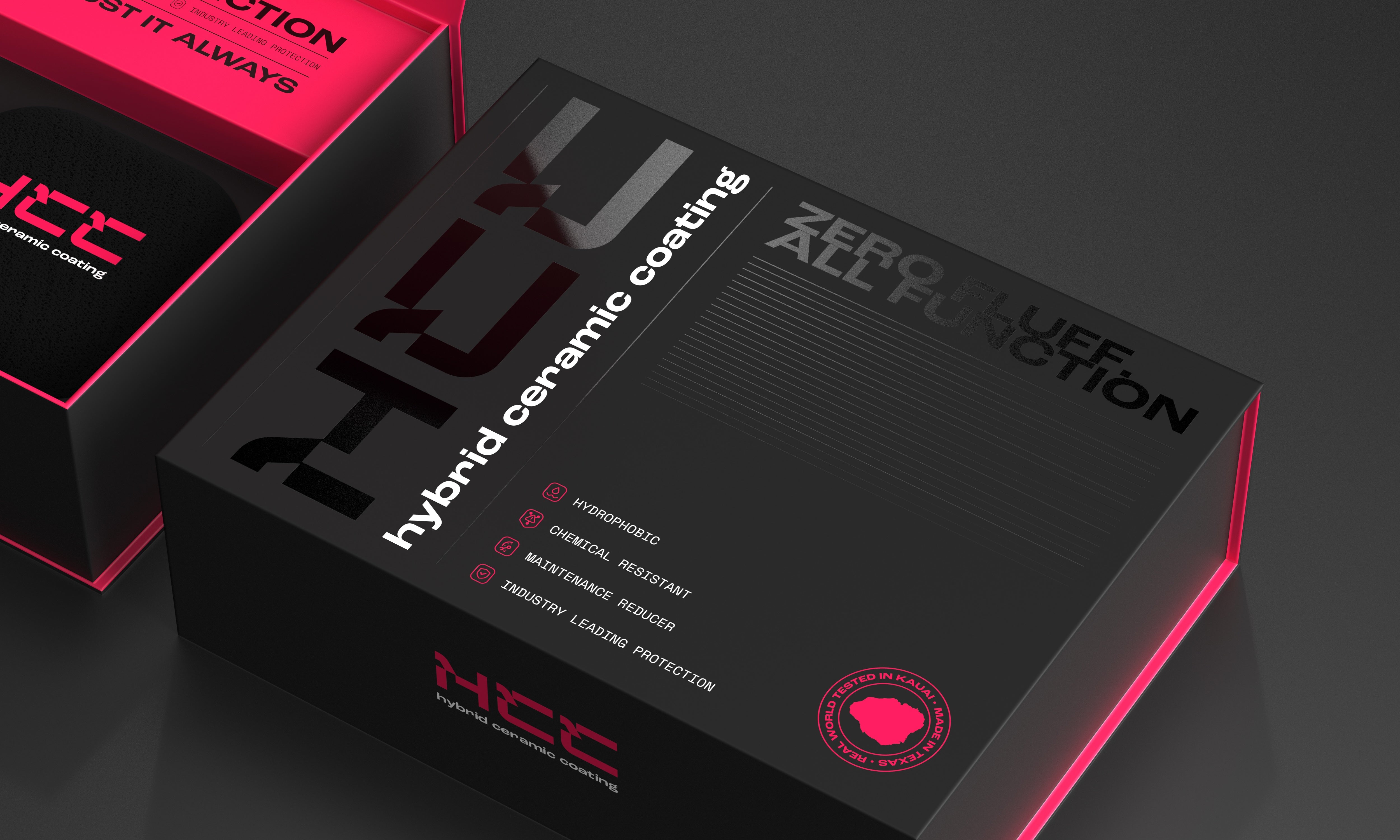
Coating the paint is a separate project. HCC Hybrid Ceramic Coating is Undrdog's all-surface flagship for cars, boats, planes, and bicycles, positioned for multi-year protection with durability dependent on preparation, exposure, use, and maintenance. Review the current surface and application directions if a new coating is appropriate; do not apply it inside passages, to moving components, or as a treatment for an unresolved leak.
For this seasonal task, keep the priorities in order: collect accessible debris, clean permitted surfaces, and address any service concern. A coating purchase is not required to remove leaves from the windshield base.

Frequently asked questions
Should I remove leaves from the base of my windshield?
Yes, remove accessible leaves and twigs as part of routine care, following your vehicle's manual. Volvo explicitly includes cleaning debris from windshield-base air intakes in its XC70 owner-maintenance guidance.
Can I pressure-wash leaves through the cowl grille?
Do not use the grille as a disposal route. Collect reachable debris first and follow your vehicle's washing instructions; Volvo specifically warns against direct high-pressure spray onto openings and air intakes in its XC90 exterior-care guidance.
Can I use a vacuum to pick up the leaves?
For reachable loose debris, a suitable vacuum attachment can be a practical option if you can control it without scraping surfaces or forcing it into openings. Follow the equipment instructions, and do not use a dry-only vacuum for pooled water.
Do I need to remove the wipers or cowl cover?
Not for the accessible-debris routine described here. If removal is necessary to reach the material, stop and use the correct vehicle-specific procedure or a qualified service provider instead of improvising.
Does wet carpet prove the cowl drain is blocked?
Do not make that diagnosis from wet carpet alone. Document where and when the moisture appears and arrange investigation; removing visible leaves does not establish that the cause of water entry has been identified or repaired.
How often should I check during fall?
Check according to actual accumulation and parking conditions. We recommend looking after time beneath shedding trees or windy weather, then removing accessible debris as needed rather than relying on one universal calendar interval.
Can car shampoo clear a blocked drain?
Do not use car shampoo as a drain-unblocking treatment. Reserve a compatible wash product for the intended exterior surfaces and seek vehicle-specific guidance for a suspected hidden blockage.
Will ceramic coating keep the cowl clear?
Keep coating decisions separate from debris removal. Continue checking and collecting leaves whether the surrounding paint is coated or not, and do not treat a coating as a substitute for cleaning or leak diagnosis.
Leaves collected? Finish the exterior wash.
Review Undrdog Soap's current directions for your next routine wash, while keeping air intakes and hidden passages out of the wash-product application.
Shop Undrdog Soap

Leave a comment
This site is protected by hCaptcha and the hCaptcha Privacy Policy and Terms of Service apply.