
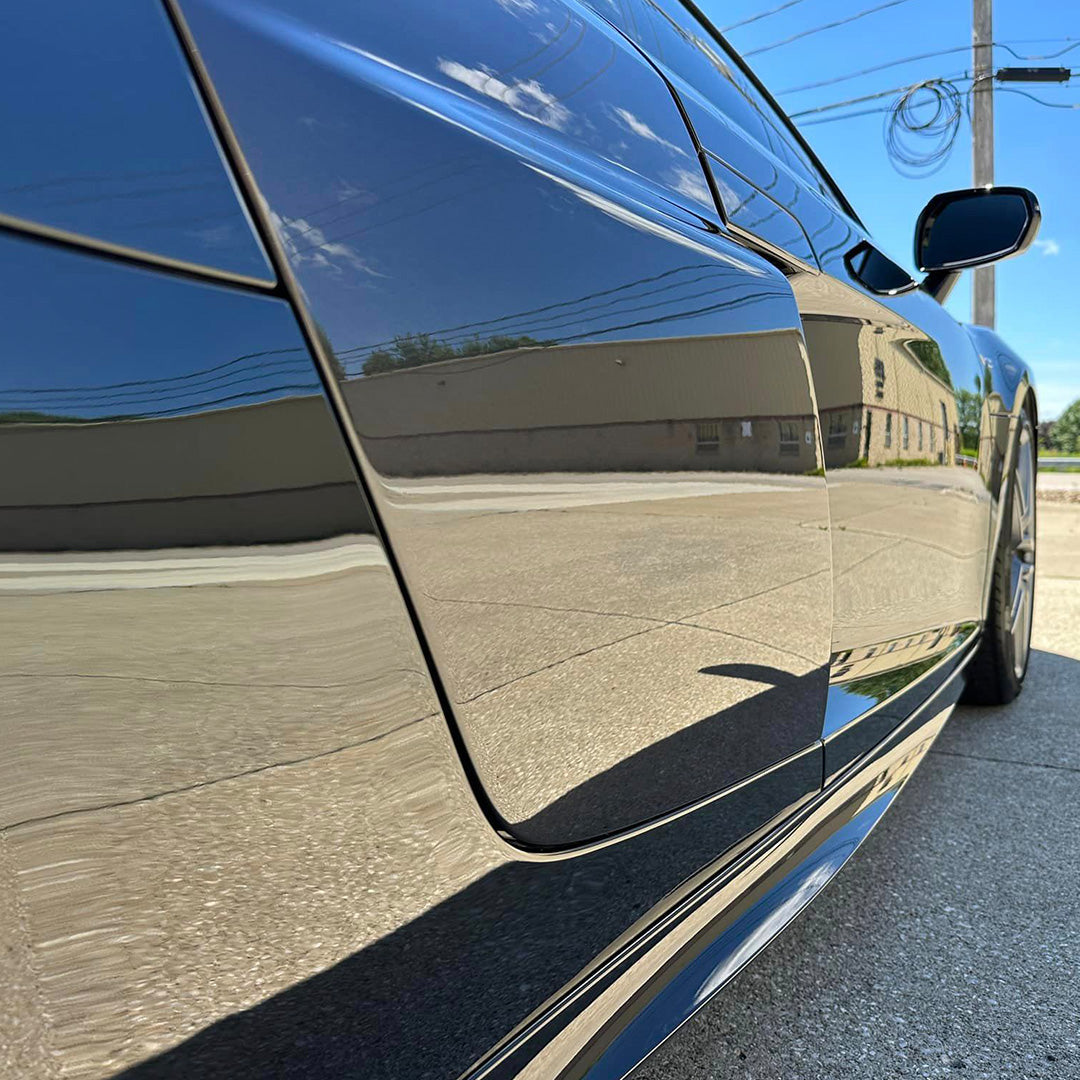
Use a clean microfiber drying towel for straightforward water pickup on reachable panels, and consider a suitable car-drying blower for water trapped around mirrors, grilles and seams. You can combine both: The Rag Company's blower-versus-towel comparison recommends air and towels together for removing water from different parts of the vehicle. Choose the setup you can use carefully and consistently, not the one advertised as automatically scratch-free.
Blower versus towel: compare the jobs first
A blower moves water with airflow; a towel absorbs water through contact. The distinction matters most around recesses: the towel maker's comparison guide identifies mirror surrounds, grilles, wheel wells and other hard-to-reach areas where water may remain after towel drying.
Our recommendation is to choose by the problem left at the end of your wash. If accessible panels are the main job, start with a suitable drying towel. If the car looks dry but water keeps escaping from trim and mirror housings, consider whether a blower would address that specific annoyance. Do not buy a second tool simply because the first one is less impressive in a video.
| Decision | Microfiber drying towel | Car-drying blower |
|---|---|---|
| Main role | Absorb water from surfaces you can reach. | Move water with airflow, including from accessible recesses. |
| What to inspect | Cleanliness, condition, intended use and care history. | Nozzle, hose, intake/filter and the model's operating instructions. |
| Setup to plan | Enough clean towels, plus separation for dirtier areas. | Power or battery arrangement, working space and equipment handling. |
| Handling priority | Gentle contact without rubbing harder to overcome contamination or saturation. | Keep the equipment controlled and avoid striking the vehicle. |
| Ongoing care | Launder and store according to the towel maker. | Maintain the machine and any filter according to its manual. |
| Combined approach | Collect remaining water on panels after air clears recesses. | Clear targeted drip sources before a final towel pass. |
Read this table as a planning checklist, not a measured ranking. For the underlying drying roles and the warning against hitting paint with the blower, see The Rag Company's guidance. We have not timed the same car with competing tools or assigned a universal damage-risk score.
When a microfiber drying towel makes sense
We would start with towels when you want a simple kit without powered equipment, have manageable panel access and can keep your laundry routine consistent. Choose a towel made for drying rather than assuming any soft cloth on the shelf is suitable. The Rag Company's selection guide considers blend, weave and size together instead of treating one number as the whole buying decision.
Think about control as well as coverage. Before choosing the largest towel, picture reaching the roof, working around mirrors and handling the towel near the lower doors. Our practical preference is a size you can keep off the ground and tires, with a clean spare ready, rather than a single towel you struggle to manage.
Follow the towel maker's technique. The same guide describes gently draping and drawing the towel over the surface, or blotting by lightly pressing and lifting. It does not justify applying extra pressure until a dirty or saturated towel finally produces the finish you want.
Do not make “one towel for the whole car” the goal. Pause if the towel picks up visible contamination or stops collecting water effectively, and switch to a clean suitable towel. Put a dropped or questionable towel aside for inspection and proper cleaning instead of shaking it once and returning it directly to the paint.
Keep drying towels separate from towels with uncertain coating-residue history. Our coating-towel cleaning guide explains why laundering alone does not establish that hardened residue is gone or that a towel is ready for finished paint. Drying and leveling a coating are different towel assignments.
When a car-drying blower earns its space
A blower is worth considering when the specific task is clearing water that towels do not readily reach. As a product-specific example, MetroVac describes its Air Force Blaster as using filtered, heated air and targeting side-view mirrors, body seams, grilles and similar areas on its manufacturer product page. Those are features and intended uses of that model, not specifications for every blower.
Before purchasing, check the actual manual for the model you are considering. Confirm the power requirements, any extension-cord restrictions, operating environment, protective-equipment guidance and filter maintenance. This comparison is not a substitute for those instructions and does not provide a universal cord gauge, nozzle distance or electrical rating.
Plan how you will carry or position the unit and control its hose or nozzle. Keep the outlet from striking the car; The Rag Company explicitly warns that hitting the vehicle with a blower can damage paint. “Touchless drying” describes the intended water-removal method, not a guarantee that equipment can never contact a panel.
We recommend using the blower deliberately on an accessible drip source, then checking the result, rather than turning the task into a hunt for every hidden drop. Stop if you cannot reach an area safely or cannot control the equipment. Do not force a nozzle into trim gaps or improvise a method that conflicts with the vehicle or equipment instructions.
Can a leaf blower or compressed air replace a car dryer?
Do not assume that matching the word “blower” makes two machines equivalent. The dedicated model cited above specifies filtered air, while its page does not establish the filtration or suitability of a yard tool you already own; see the model-specific description. Check your own equipment's intended use and condition before making the substitution.
Our recommendation is to avoid treating equipment previously used around dirt as clean simply because it blows rather than wipes. Inspect and maintain it according to its instructions, and do not aim at the ground while working around the vehicle. If you cannot confirm a suitable, controlled setup, use clean drying towels instead.
This article is not a compressed-air setup guide. It does not prescribe a pressure, nozzle or adapter for drying paint. If your shop uses compressed air, follow the system and tool requirements rather than borrowing settings from a consumer car-dryer comparison.
Neither method fixes an incomplete wash
Finish washing and rinsing before deciding which tool should remove the remaining water. For the wash stage, Undrdog Soap is intended for pre-coating preparation and post-application maintenance; its directions include removing soap residue and drying with a clean microfiber towel. Do not turn the drying pass into an attempt to rub away dirt you left behind.
Work in shade and avoid letting the wash solution dry on the surface, as the Soap instructions advise. If your wash product is unsuitable for the finish, a more elaborate drying tool is not the corrective step; our car shampoo versus dish soap comparison explains how to select the wash product first.

Keep any drying aid optional and product-specific. The Rag Company's towel-care guidance warns that some drying-aid ingredients can affect certain plush towels. Confirm compatibility with both the towel and the vehicle's protection rather than assuming every spray is an improvement.
A combined drying routine worth trying
If you already have both tools, try this conservative workflow and evaluate it on your own vehicle. Combining air with towels is also the approach suggested by The Rag Company's comparison, but the steps below are our practical organization of the job, not a timed laboratory protocol.
- Prepare before the final rinse. Have clean drying towels available and check the blower setup against its manual.
- Finish the wash. Remove soil and rinse away wash solution before beginning the drying pass.
- Address accessible drip sources. Use the suitable blower carefully around the areas that normally release water later.
- Collect remaining panel water. Use the towel maker's gentle method, keeping the towel controlled and changing it when needed.
- Make a final inspection. Check glass, mirrors, handles and seams for remaining drips without forcing access or opening components unnecessarily.
- Reset the equipment. Separate used towels and maintain and store the blower according to its instructions.
For your comparison, record the complete job: setup, water removal, dealing with late drips and cleanup. Do not compare only the blower's most satisfying panel pass against the towel's entire workload. Use the same vehicle and a comparable wash when possible, and treat the result as your own workflow observation, not proof that one category is universally faster.
Include convenience in the decision. If the blower stays on the shelf because setup is awkward, a simpler towel routine may be the better choice for you. If towels leave you repeatedly chasing water from the same mirror housing, a targeted air step may be worth the additional equipment.
Where coating care fits into the decision
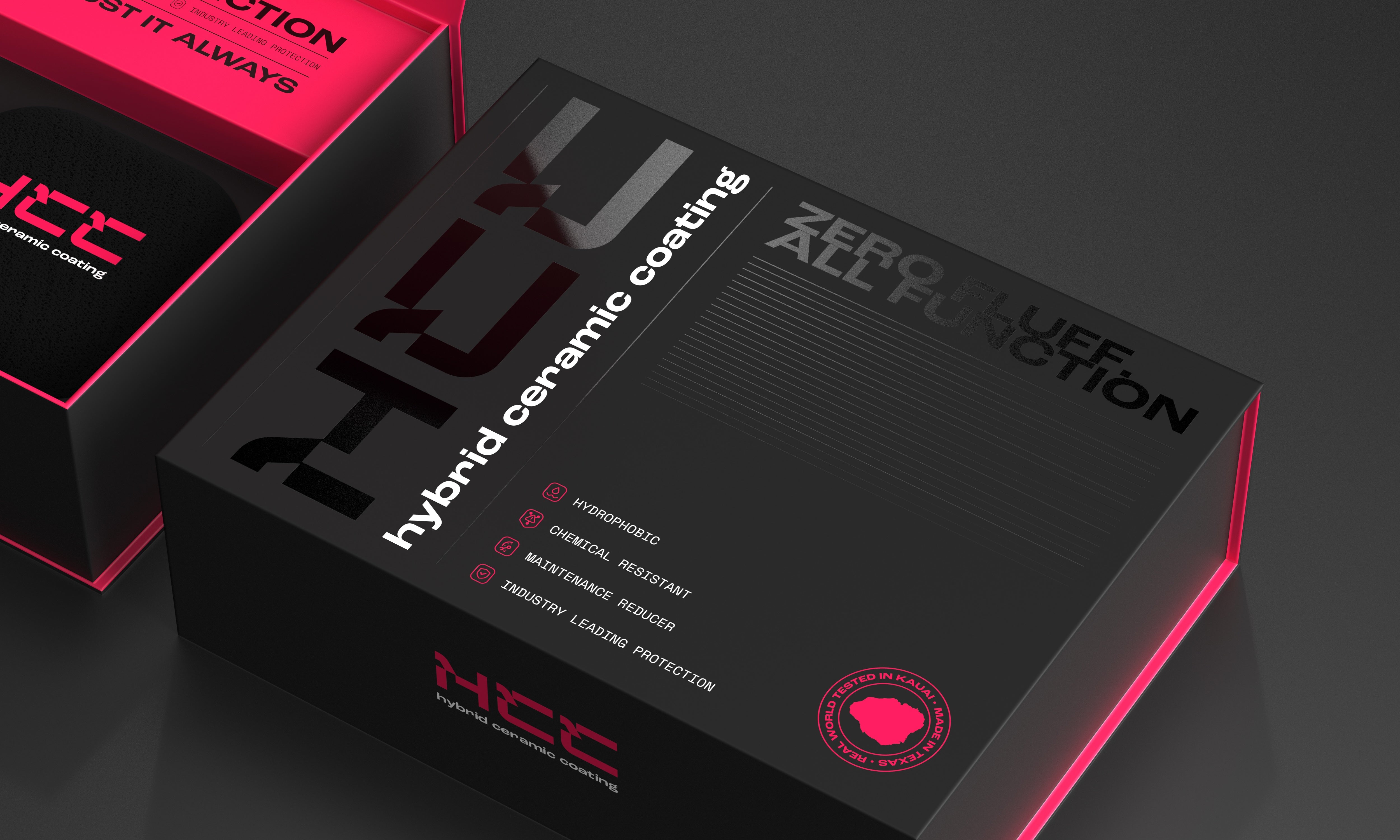
A ceramic coating is a separate protection decision, not a prerequisite for choosing a drying tool. If you are planning a coating installation, HCC Hybrid Ceramic Coating is Undrdog's all-surface flagship for cars, boats, planes and bicycles. Its multi-year positioning remains conditional on preparation, exposure, use and maintenance; it does not turn careless drying into an acceptable process.
For a freshly installed coating, follow the actual application and aftercare instructions before washing or drying. Do not confuse removing rinse water with curing a coating, and do not use this blower comparison as permission to accelerate cure with heat. The tool choice here concerns an ordinary maintenance wash once washing is permitted.
For towels, maintain the care routine as carefully as the drying routine. The Rag Company recommends washing after use, avoiding fabric softeners and dryer sheets, washing separately from other laundry, and air drying or using low heat in its care guidance. Follow your towel's specific label where it is more restrictive.

Frequently asked questions
Is a blower better than a microfiber towel for drying a car?
It depends on the job. Air can help clear accessible recesses, while towels collect water from reachable panels; The Rag Company recommends combining the methods when useful in its comparison guide.
Can a car blower damage paint?
Do not treat touchless drying as risk-free equipment handling. The Rag Company specifically warns against hitting the vehicle with the blower; keep control of the equipment and follow its manual. Read the warning.
Do I need a ceramic coating to use a drying towel?
No coating purchase is needed just to select a suitable drying towel. Choose the towel and method for the vehicle's finish and care instructions, and use it only on an appropriately cleaned surface.
Should I buy the largest or highest-GSM towel?
Do not use one specification as the whole buying decision. Consider weave, size, handling and care requirements together, as described in The Rag Company's selection guide.
Can I use any leaf blower on the car?
Do not assume any yard tool is a suitable car dryer. Check the actual equipment instructions, condition and intended use; if you cannot establish a suitable setup, use clean drying towels instead.
Why does water drip after I finish towel drying?
Water may remain in areas such as mirror surrounds and grilles that are difficult to reach with towels, according to The Rag Company's comparison. A controlled air step can target accessible drip sources.
Can I dry with towels previously used to level a coating?
Do not move them directly into the trusted drying-towel pile. Keep coating-residue towels separate and follow our inspection and cleaning guidance; washing alone does not establish that they are suitable for finished paint.
Does a drying aid replace a clean towel?
No. Keep a clean, suitable towel as the starting point and verify any drying aid against both the towel and surface instructions. Do not use a spray as a reason to keep working with contaminated equipment.
Start with a clean, thoroughly rinsed surface
Use Undrdog Soap for the wash stage, follow its directions, then choose a controlled drying routine that fits your vehicle and workspace.
Shop Undrdog Soap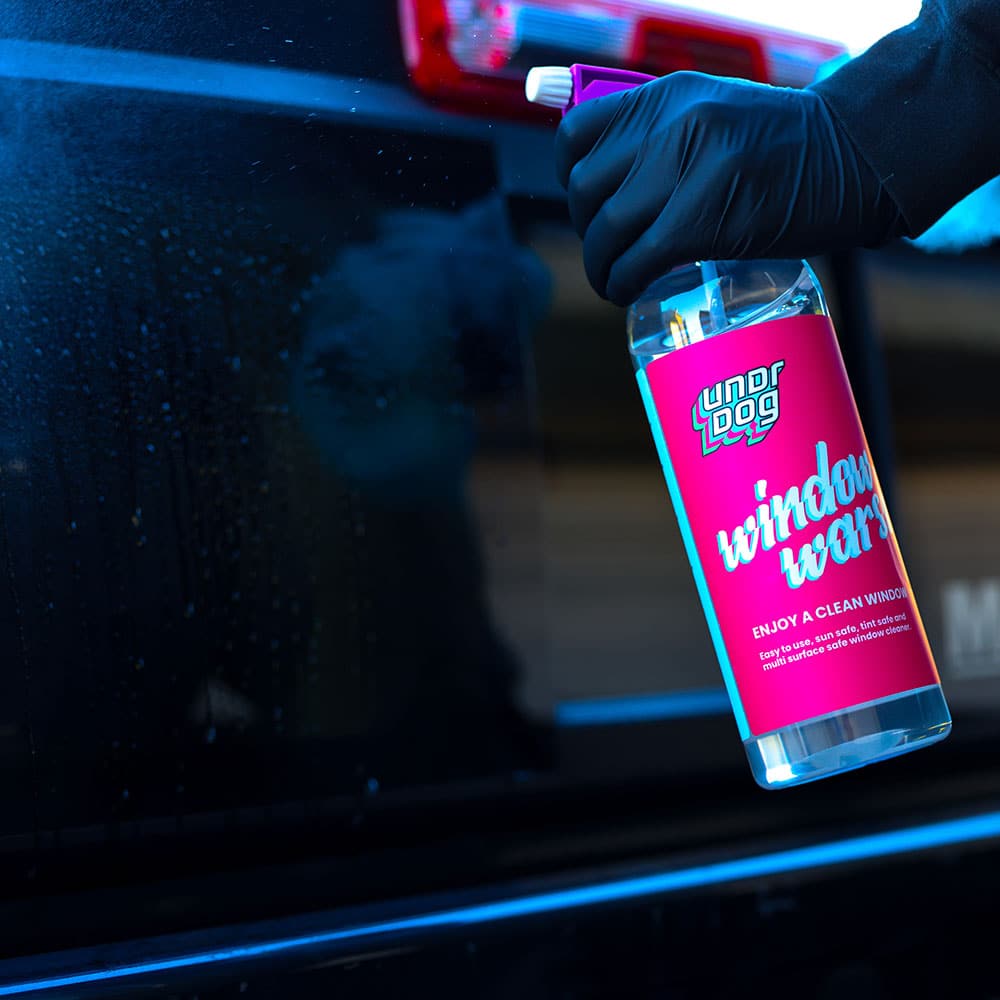

Leave a comment
This site is protected by hCaptcha and the hCaptcha Privacy Policy and Terms of Service apply.