

A ceramic coating's shelf life in the bottle is not the same as its durability after application. Check the instructions for the exact product, separating unopened storage time from any period after opening; a multi-year protection claim does not tell you how long a leftover bottle remains suitable to use. Treat missing dates or uncertain storage history as questions to resolve, not gaps you can fill with another brand's instructions.
The practical question is not simply “Does ceramic coating expire?” It is “Can I use this particular bottle, with this history, for the job I am about to do?” That question takes a little recordkeeping, but it is more useful than a universal shelf-life number that does not identify the product.
Separate shelf life, time after opening and installed durability
Start by giving each number a label. A storage instruction concerns product kept in its container under stated conditions. An after-opening instruction concerns a bottle that has already been opened. A durability statement concerns the coating after it has been applied to a suitable surface and put into service.
| The statement you are reading | The question it answers | What it does not establish |
|---|---|---|
| Unopened shelf life | What storage period and conditions does the manufacturer specify for a sealed bottle? | How long the installed coating will protect a vehicle. |
| Use within a period after opening | What instruction applies after the bottle is first opened? | A fresh unopened period every time the cap is put back on. |
| Application or cure instruction | How should the product be installed and cared for during that process? | Whether a bottle with an unknown history is suitable. |
| Multi-year protection | What service-life positioning applies after a suitable installation? | A storage deadline, a batch date or proof that every leftover bottle is usable. |
The distinction is visible in actual manufacturer instructions. For example, Gtechniq's HALOv2 page says, “An unopened bottle of HALOv2 has a 12 month shelf life from the time of purchase,” and separately, “Use within 3 months of opening.” It also says, “Store in a cool/dry place, out of direct sunlight.” Those are three specific instructions for that product, not a rule for all ceramic coatings (HALOv2 published application and storage instructions).
That example establishes how a manufacturer separates the dates and conditions. It does not rank one coating against another or explain their formulas. A shorter or longer bottle-storage period, on its own, is not a comparison of the protection you will get on your car.
Ask when the storage period starts
A time period is incomplete without its starting point. In the example above, the unopened instruction explicitly says “from the time of purchase.” Do not silently turn that into a manufacturing-date rule or a date-of-delivery rule; the wording belongs to that specific product's published storage guidance.
For the bottle in your hand, look for the product name, version, batch or lot identifier if present, and any dated label information. Keep the purchase receipt. If the instructions state a period but the starting point is unclear, ask the manufacturer or authorized seller to identify it before calculating a use-by date.
Do not assume a number stamped on the container is a date you know how to decode. Our recommendation is to send a clear photograph of the label and code rather than guessing at a month, year or batch format. Getting the correct interpretation is more useful than confidently recording the wrong date.
For an already opened bottle, add the first-opened date to your own records. If you cannot remember it, write “unknown” rather than substituting the most recent day you used it. Reclosing the cap is good handling when required by the instructions, but it is not a basis for rewriting the product's history.
Keep the container and its identifying label with the record. A screenshot of storage instructions can also help you explain which version you followed, especially when asking a support question months later. You are building traceability for a particular bottle, not trying to prove a category-wide rule.

Storage conditions belong beside the date
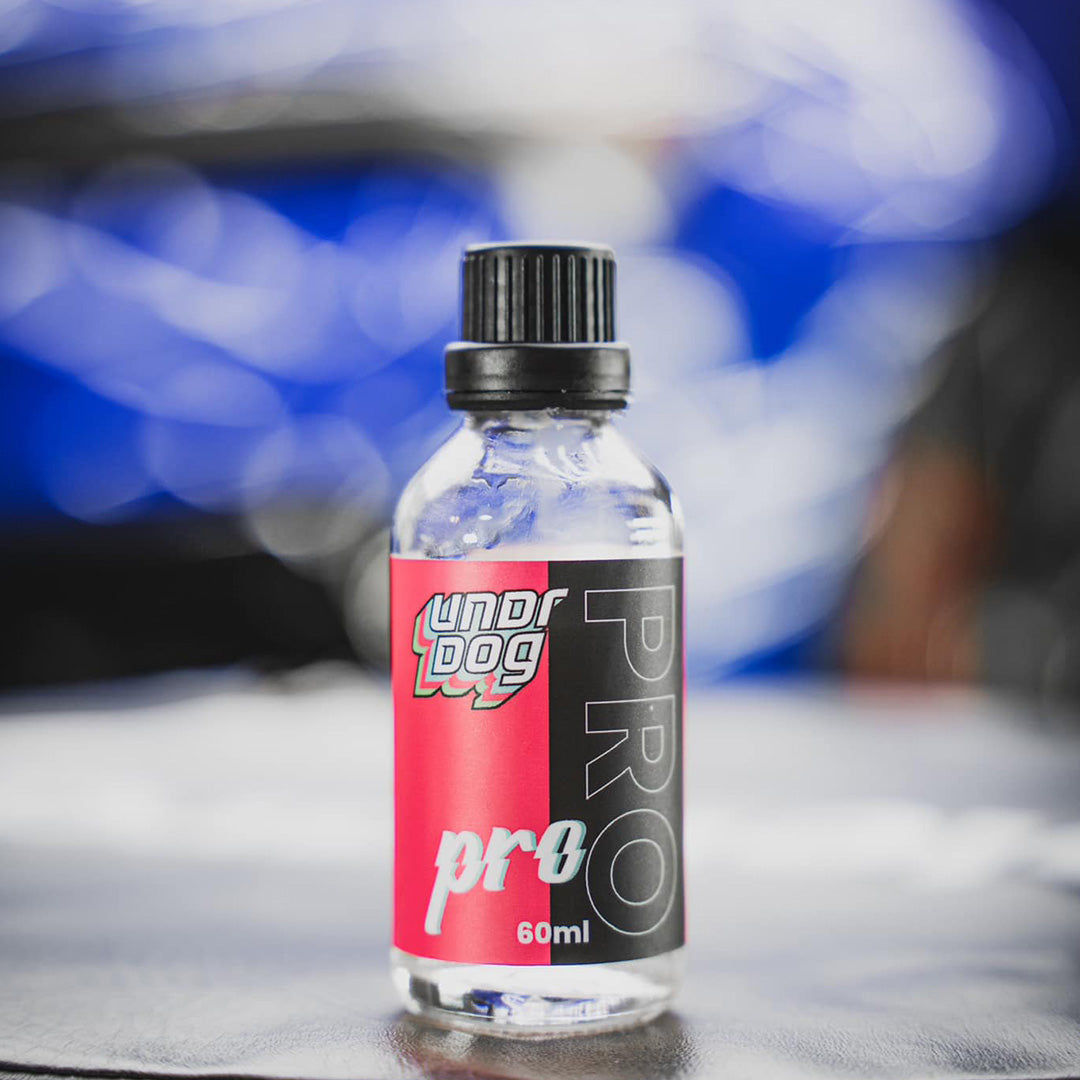
The storage section on the Undrdog Pro product page says, “Always store in a cool, dry location with the lid tightly closed.” Keep the conditions attached to the instruction; do not reduce storage guidance to a calendar reminder while ignoring where and how the bottle has been kept.
Our suggested bottle log has a field for the normal storage location and another for exceptions you actually know about. For example, if a bottle was left somewhere outside its stated storage conditions, record that fact and the approximate duration if known. Do not invent a temperature reading or declare a result that you did not measure.
That record gives the manufacturer something concrete to evaluate. “I opened it on this date and normally kept it in this location, but this happened yesterday” is a much better support question than “It should still be fine, right?” A useful answer depends on the actual product and circumstances.
Do not invent a refrigerator or freezer routine from the word “cool.” Likewise, do not add heat, solvent or another liquid in an attempt to restore a bottle unless the manufacturer explicitly provides an appropriate procedure. This guide is recommending that you follow the product instructions, not offering a chemical repair method.
Keep handling and safety instructions in the same decision. Read the current label and safety information before opening or using the product. Storage uncertainty is not a reason to smell the contents closely, pour samples into household containers or experiment on a customer's finish.
A leftover-bottle checklist before the next installation
Use the following checklist before committing the bottle to a full job. This is a practical intake process, not a laboratory test or a certification that the product meets its original performance specifications.
- Identity: Can you confirm the exact product and version, with its original label and any available batch information?
- Dates: Do you know the applicable starting date and, if opened, the first-opened date?
- Instructions: Have you found the current storage and after-opening guidance for that product?
- History: Can you describe how the bottle was stored and any known departures from the directions?
- Container: Is there anything about the cap, seal or container condition that needs the manufacturer's assessment?
- Contents: Is there an unexpected visible change compared with what the product instructions say to expect?
- Decision: Is the next step supported use, a manufacturer question, or setting the bottle aside pending an answer?
Do not turn that checklist into an automatic pass because the liquid looks familiar. A casual visual check is not evidence of the years of service a future installation will deliver. If someone makes that leap, ask what product-specific evidence connects the observed appearance to the claimed durability.
An unexpected change is a reason to stop and investigate, not a reason to assign your own chemical diagnosis. Equally, this guide does not say every variation in appearance means the same thing. Let the manufacturer identify what is normal for the actual formulation and what requires replacement or disposal.
If product-specific guidance calls for a limited application check, follow that guidance within its stated scope. A satisfactory small-area application is not, by itself, a long-term outdoor durability study. For that separate evidence question, our guide to coating test hours and service years explains why even formal test results need careful interpretation.
Decide what to do without guessing at chemistry
| What you know | Recommended next step | Shortcut to avoid |
|---|---|---|
| Identity, dates and storage history are documented and fit the product instructions. | Follow the normal product-specific application and inspection process. | Treating documentation as a promise of a fixed installed lifespan. |
| The product is known, but the opening date or storage history is uncertain. | Contact the manufacturer with the facts you do have before planning the installation around it. | Borrowing a storage period from another product. |
| The stated period has passed or the bottle has a concerning change. | Set it aside and request the appropriate use or disposal guidance. | Extending the deadline because the job is already booked. |
| The product or container contents cannot be identified. | Do not use it on the vehicle; seek appropriate identification and disposal guidance. | Trying it on a hidden area as a substitute for knowing what it is. |
When contacting support, send a concise record: product name, photographs of the bottle and label, purchase information, first-opened date, storage location, known incidents and the concern you observed. Ask a specific question about using that bottle for the intended surface. Do not lead with a conclusion that pressures the person answering to confirm it.
If the answer is that the bottle should not be used, follow the label and applicable local disposal requirements. Do not improvise disposal by pouring the contents into a drain or applying unwanted material to a vehicle. The practical goal is a dependable installation, not finding a way to consume every remaining drop.
For professional work, explain the decision as quality control. Checking stock suitability, preparing the surface and following application instructions are legitimate parts of a detailer's job. A fresh replacement bottle does not replace that labor, and careful labor does not resolve an unidentified or unsupported product choice.

Buy for real jobs, not hypothetical leftover value
A larger package can fit a real schedule of work, but only if your intended use fits that product's instructions. Before buying, list the jobs you actually expect to complete, the surfaces involved and when the product will be opened. Avoid assigning full future value to a remainder whose use date and storage plan are both unknown.
Keep purchase outlay separate from the amount consumed on one job. Our coating cost-per-application guide covers that calculation. The shelf-life question comes first: a theoretical second application is not a saving if you cannot support using the bottle for it.
For a small shop, put the opening date where the next person handling the bottle can find it without covering the original product or hazard label. Keep the records with inventory rather than relying on someone's memory. For a DIY owner, a simple note and receipt stored together can serve the same purpose.
Do not confuse this planning advice with a recommendation to replace bottles on an invented schedule. The appropriate period comes from the exact product's instructions and any clarification for its history. The goal is to avoid both unsupported use and unnecessary disposal based on a rule copied from elsewhere.
Frequently asked questions
Does ceramic coating expire in the bottle?
Follow the shelf-life and after-opening instructions for the exact product. Manufacturers can specify separate periods and storage conditions; there is no category-wide date established by the product examples in this guide.
Does a multi-year coating claim mean the bottle lasts that long?
No. Installed protection and storage suitability answer different questions. Obtain the bottle's storage instructions rather than converting a service-life description into an unopened or opened-bottle deadline.
When does the unopened shelf-life period begin?
Use the starting point specified by the manufacturer. If it is unclear whether the period runs from manufacture, purchase or another date, ask with the product and batch information instead of choosing a starting point yourself.
Does closing the bottle restart its after-opening period?
Do not restart the record when you replace the cap. Keep the first-opened date and follow the actual after-opening instruction; closing the bottle does not make it unopened again.
Can I use the same storage deadline for every coating?
No. A period published for one named coating should stay attached to that product. Do not transfer it to HCC, Undrdog Pro or a different formula simply because all are sold as protective coatings.
Is normal-looking liquid proof the coating is still suitable?
Appearance alone is not a substitute for product identification, storage instructions and history. If suitability is uncertain, send the facts to the manufacturer rather than using a visual check to promise application performance or long-term durability.
Should I refrigerate a leftover coating bottle?
Do not invent a refrigeration or freezing routine. Follow the exact product's storage directions, and ask the manufacturer if you cannot meet or interpret them in your work environment.
What should I do with a bottle that is past its stated period?
Set it aside and request product-specific use or disposal guidance. Do not add solvent, apply heat or use a customer's vehicle to experiment with restoring it.
How Undrdog does it
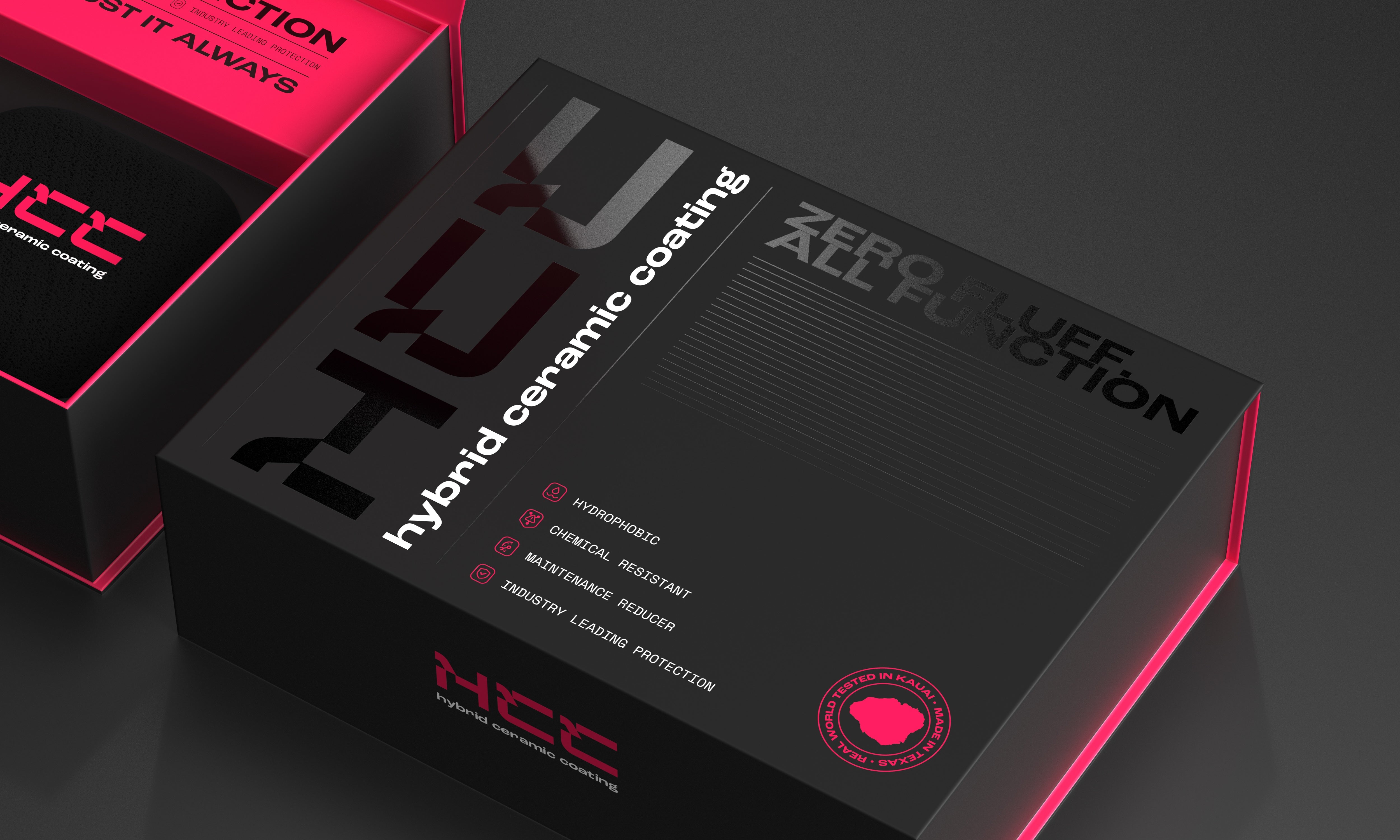
HCC Hybrid Ceramic Coating is Undrdog's flagship all-surface recommendation for suitable projects on cars, boats, planes and bicycles. Its multi-year protection depends on preparation, exposure, use and maintenance. That installed-protection positioning is not an HCC bottle-storage deadline, and we are not substituting another product's interval for one.
Undrdog makes its coatings available to professional detailers and DIY owners without a certification purchase requirement. Whichever route you choose, use the actual product's instructions and ask about uncertain bottle history before committing to an installation. Product access and professional preparation are separate questions, and both deserve a clear answer.
Our recommendation is straightforward: identify the bottle, document its history, follow its instructions and judge the installed coating on evidence appropriate to the claim. Shelf time is one part of a sound process, not a shortcut for predicting years on a vehicle.
Choose the coating, then plan the whole job.
Review HCC for your next suitable protection project, with preparation, application, storage and aftercare treated as separate parts of the plan.
Shop HCC Hybrid Ceramic Coating

Leave a comment
This site is protected by hCaptcha and the hCaptcha Privacy Policy and Terms of Service apply.