
Before you accept a dealer paint-protection add-on, get three things in writing: exactly what will be treated, exactly what it costs, and exactly what the terms require from you afterward. The Federal Trade Commission discusses paint-protection products among optional dealership add-ons and advises buyers to check charges and read the contract before signing. Its automobile guidance also addresses honest disclosure and the need not to represent optional purchases as required. The FTC’s consumer guidance and automobile-industry FAQs are useful starting points, but they are not a substitute for reviewing the documents in your transaction.
The goal is not to assume every dealer package is identical or worthless. A well-defined service may be worth considering. The problem is agreeing to a vague line item that leaves you unsure whether you bought a coating, a temporary treatment, a maintenance plan, or simply a sales description. Use the checklist below before you sign.
Start with the exact name of the add-on
Ask the salesperson to identify the product or service by its actual name, not only by a broad phrase such as “paint protection,” “appearance package,” or “exterior protection.” Write down the brand, product name, service name and any package code shown on the paperwork.
A broad label can cover very different work. It may refer to a coating, a surface treatment, a warranty-backed package, or a combination of products and services. You do not need to decide that the package is bad simply because the description is brief. You do need enough information to compare the promise with the price and with the terms.
Ask these questions:
- What is the exact product or service name?
- Is this a physical product application, a service plan, or both?
- Is the treatment intended for paint only, or are other exterior surfaces included?
- Is the package optional?
- Where does the exact description appear in the documents?
If the answer remains a slogan rather than a defined service, pause. A clear name is not proof of quality, but an unclear name makes the rest of the review difficult.
Get the scope in writing before discussing benefits
Ask for a written scope that describes the surfaces and work included. “The vehicle” is not a sufficiently useful scope by itself. Ask whether the package includes painted panels, exterior trim, wheels, glass, lights, or any other surface. If a surface is excluded, that should also be clear.
Do not infer that an exterior paint package applies to upholstery, touchscreens or every material inside the vehicle. Different surfaces can require different products and instructions. If the dealer cannot state the included surfaces, record that uncertainty rather than filling it in with an assumption.
The scope should also say whether preparation is included. For example, ask whether the price covers cleaning, decontamination, correction, or only application. Do not assume that a dealer’s description of “application” includes every preparation step. At the same time, do not treat a limited preparation scope as evidence that the technician is careless. The practical issue is whether the written service matches the condition and expectations you have for the vehicle.
| Item to document | Useful question | Why it matters |
|---|---|---|
| Product identity | What exact product or service is being sold? | Prevents a broad package label from standing in for a defined service. |
| Surfaces | Which surfaces are included and excluded? | Stops you from assuming every exterior or interior surface is covered. |
| Preparation | What preparation is included before application? | Clarifies what the quoted work actually involves. |
| Price | What is the standalone price, including applicable charges? | Lets you compare the add-on with declining it or buying another service. |
| Terms | What maintenance, inspection or claim conditions apply? | Shows what you may need to do after delivery. |
| Cancellation | What happens if the add-on is removed before signing or if the transaction changes? | Prevents a verbal answer from replacing the written transaction terms. |

Separate the vehicle price from the add-on price
Ask for the add-on as a separate line item rather than accepting a revised total without a clear explanation. The FTC advises consumers to check charges and read the contract before signing, including in the context of optional dealership add-ons. Read the FTC consumer alert alongside the actual transaction documents.
Review the buyer’s order, retail installment contract, addendum and any separate protection agreement that refers to the service. The same package may appear in more than one document. Compare the names and amounts. If a line appears in the paperwork that you did not request, ask for it to be explained and corrected before signing.
Do not rely on a statement that the add-on is “already included” unless the documents clearly show what that means. A package can be included in a negotiated vehicle price and still deserve an itemized description. Your practical test is simple: can you identify the vehicle price without the add-on, identify the add-on price, and see how the total changes?
Ask whether the purchase is optional
Optional products should be presented as optional. The FTC’s automobile FAQs discuss honest add-on disclosures and not representing optional purchases as required. The FTC automobile FAQs provide the relevant federal guidance, but they do not answer every transaction-specific question or provide a jurisdiction-specific legal conclusion.
Ask directly: “Can I buy the vehicle without this add-on?” If the answer is yes, ask the dealer to show the price and paperwork without it. If the answer is no, ask why and request the explanation in writing. Avoid turning the conversation into an argument about the salesperson or the detailer. The useful question is whether the service is optional and whether the documents say the same thing.
If you do not want the add-on, say so clearly and check the revised documents. If you do want it, do not skip the scope review just because the dealer says it is a standard package. Standardized packages can still have written terms worth reading.
Read the warranty and maintenance language literally
A protection package may include warranty or maintenance language. Read the conditions, exclusions, duration language and claim process exactly as written. Do not treat a large durability phrase as a complete explanation of what the dealer will cover.
Look for requirements involving washing, inspections, service visits, approved products, documentation, damage, transfer to another owner and the location where claims must be made. Record each obligation in plain language before deciding. If the document says you must return for an inspection or follow a specified maintenance process, ask how that works and whether the requirement is included in the price.
Ask what the remedy is if the dealer determines that the service did not meet the written terms. The answer may be a reapplication, inspection, service visit or another remedy stated in the agreement. Do not assume that a warranty means replacement of every panel, correction of every mark, or protection against every condition. Those outcomes require support in the actual terms.
Also ask whether the package has a separate agreement from the vehicle purchase documents. Keep copies of everything you sign, including a receipt or application record that identifies the vehicle and date of service.

Clarify what you are expected to do after delivery
Maintenance language matters because it can affect whether the package remains useful or whether a claim can be made. Ask for the required routine care in a form you can follow. If the dealer gives verbal advice that is not in the written terms, ask whether it is a requirement or merely a recommendation.
Do not accept a vague instruction such as “use the right soap” without asking what the document means. If a product is named, write down the exact product and the relevant directions. If no product is named, avoid assuming that every automotive wash is suitable for every treated surface.
For a separate coating or maintenance plan, the same discipline applies. Undrdog Soap is described by Undrdog as a pH-neutral automotive wash suitable for routine coating maintenance according to its product page. Follow its label dilution and surface directions, and do not treat pH alone as proof that a product is compatible with every surface. Read the product directions before using it.
Compare the add-on with a separate detailer
A dealer package is not the only way to arrange paint protection. You can compare the written dealer scope with a separate detailer’s written quote. Ask both providers to describe the product, surfaces, preparation, application, aftercare and terms. This creates a fair comparison without assuming that dealer work or independent detailing work is automatically better.
Keep labor in the comparison. A professional is selling time, preparation, application skill and responsibility, not only a bottle. A lower price may reflect a narrower scope, while a higher price may include more preparation or more detailed terms. The documents should help you understand that difference.
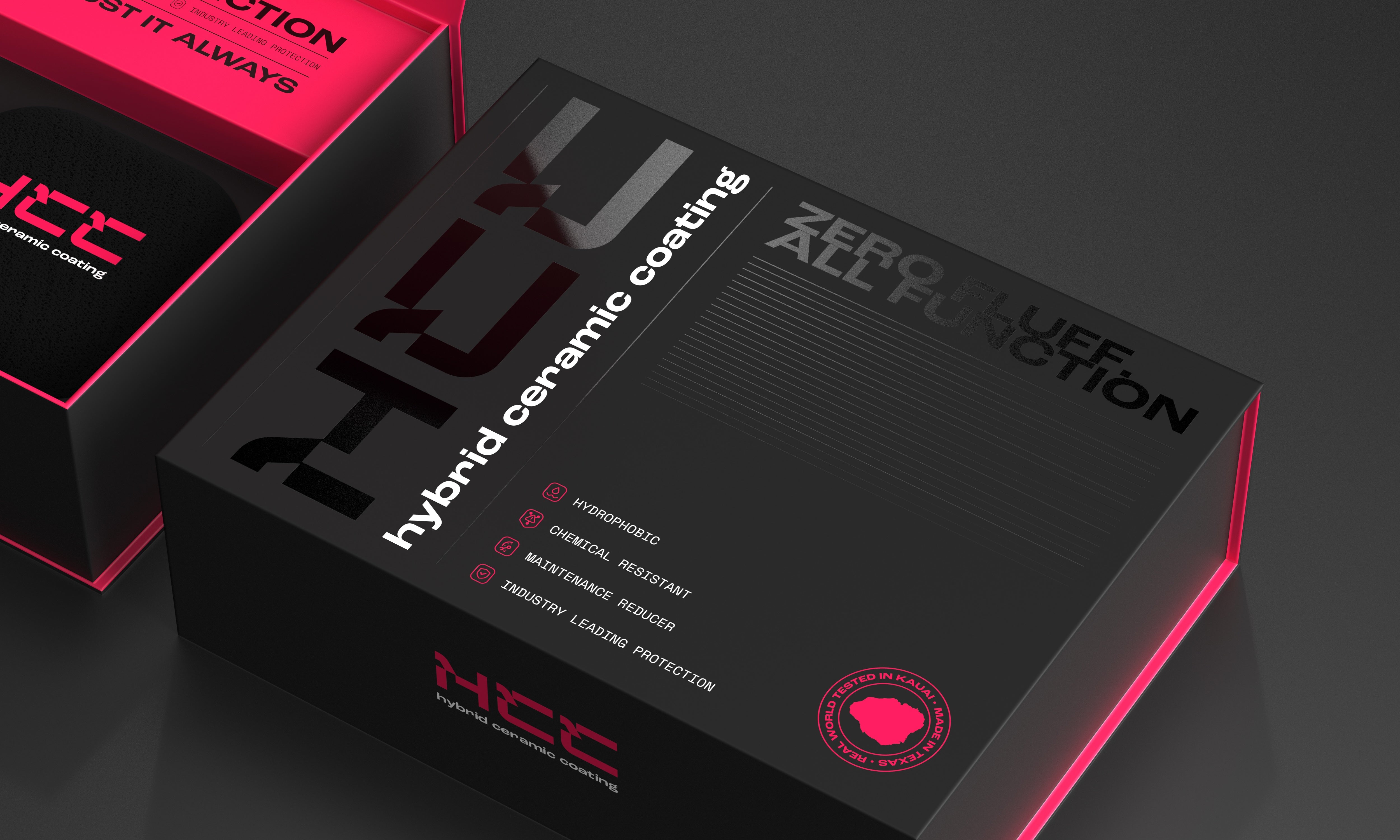
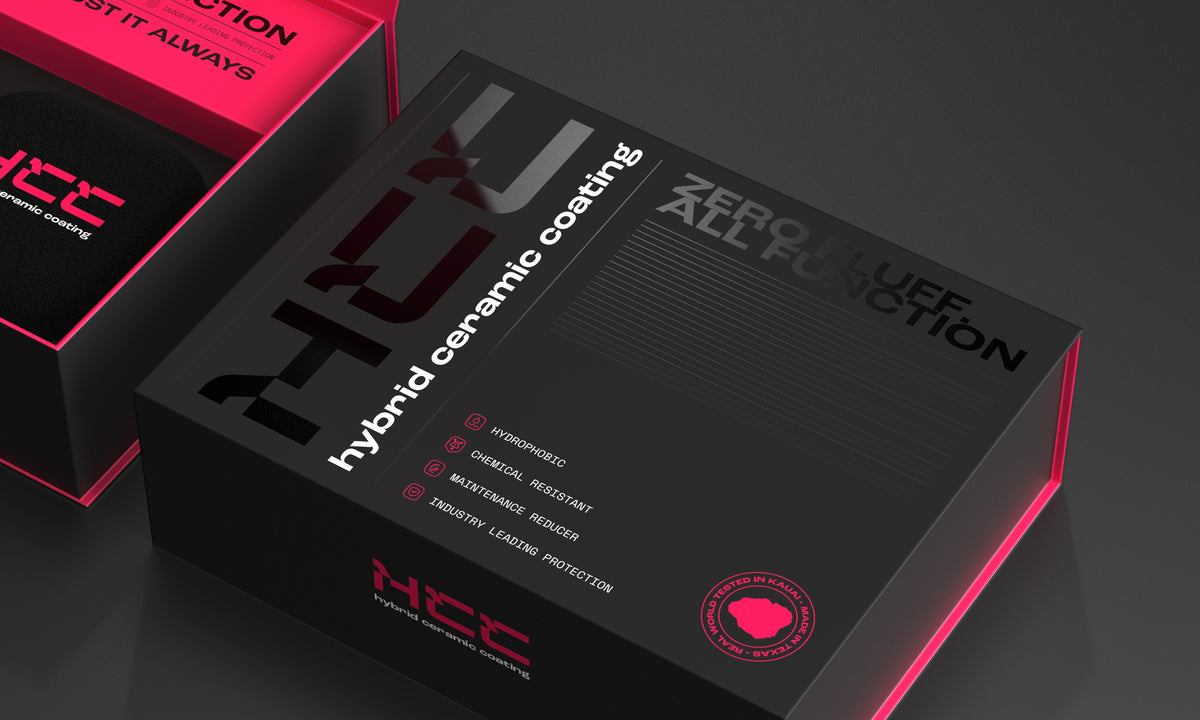
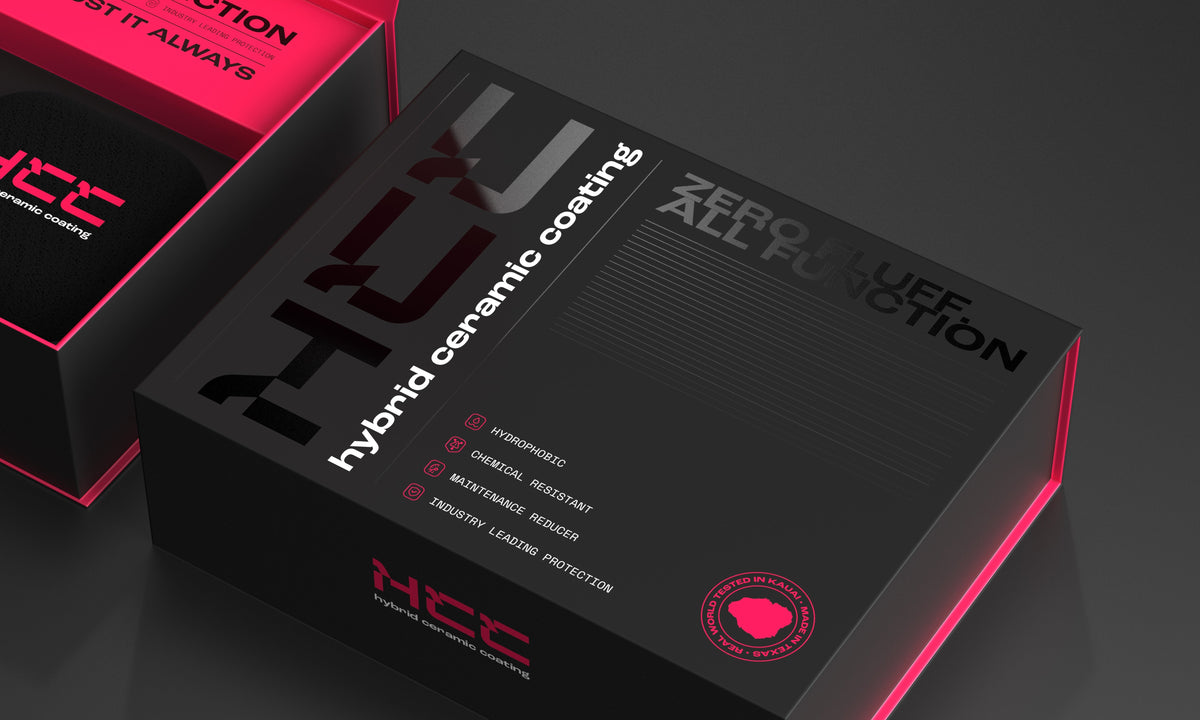
If you are considering doing the work yourself, use the exact product instructions rather than transferring the dealer’s instructions to another product. HCC, Undrdog’s Hybrid Ceramic Coating, is described as an all-surface coating for cars, boats, planes and bicycles. Its multi-year protection depends on preparation, exposure, use and maintenance, so it should not be treated as a fixed lifespan promise. Confirm suitability and current application instructions for the exact surface. It is not a recommendation for upholstery or touchscreens.
Undrdog Pro is another coating available to detailers and DIYers and is not certification-gated. Its own current application and aftercare instructions control. Comparing it with a dealer package requires comparing actual scope and terms, not assuming that product names alone establish performance or value.
Use a simple decision worksheet
Before signing, fill in the following worksheet. If a blank cannot be answered from the documents or a clear written response, mark it “unresolved.” That is a decision signal, not a reason to guess.
- Exact add-on name: ______________________________
- Product or service identifier: _____________________
- Included surfaces: _______________________________
- Excluded surfaces: _______________________________
- Preparation included: ____________________________
- Add-on price and listed charges: __________________
- Optional purchase confirmed in writing: ____________
- Maintenance requirements: ________________________
- Warranty or service terms: ________________________
- Claim process and remedy: ________________________
- Cancellation or removal terms: ____________________
- Documents and copies received: ___________________
Imagine a hypothetical buyer who receives a package described only as “paint protection,” with no product name, no surface list and no separate price. That buyer does not need to prove the package is bad. The sensible next step is to request the missing information. If the dealer supplies a clear scope and acceptable terms, the buyer can evaluate it. If the information remains unavailable, declining the add-on is a reasonable stopping point.
Know when to stop the review
Stop and ask for corrected paperwork when the add-on appears in the documents after you declined it, when the price changes without an explanation, or when the written scope conflicts with the salesperson’s description. Recheck the final documents before signing.
Stop and compare alternatives when the package has a clear price but no meaningful description of the work, when maintenance obligations are unclear, or when a warranty phrase is prominent but the remedy and exclusions are difficult to find. You do not need to make a rushed decision merely because the vehicle transaction is otherwise ready.
If you are comfortable with the price, scope and terms, keep the signed documents and any application or delivery record. If you are not comfortable, decline the add-on or ask for time to review the documents. The right choice depends on the service you actually want, not on pressure created by an undefined line item.
How Undrdog does it
If you decide that a coating is relevant and want to arrange it separately, start by defining the surface and the person applying it. HCC is Undrdog’s flagship all-surface coating for cars, boats, planes and bicycles. Preparation, exposure, use and maintenance affect multi-year protection, so confirm the current instructions for the exact surface rather than relying on a fixed-duration promise.
For a detailer or DIYer considering another coating option, Undrdog Pro has its own application and aftercare directions. For routine coated-vehicle washing, Undrdog Soap is described as a pH-neutral automotive wash. Use the label directions and keep the product choice tied to the actual surface and maintenance requirements.
Further reading
For a separate look at how coating work can be broken into preparation, labor and materials, read What Does Ceramic Coating Actually Cost? A Line-Item Breakdown of a $1,500 Install. For the obligations that can sit behind durability language, read The Ceramic Coating Warranty Fine Print: What “5-Year” and “Lifetime” Actually Require of You.
Before you sign a dealer add-on, make the scope, price and terms visible. If you choose a separate coating route, review the product instructions and arrange the work around the actual surface and maintenance plan. Start with HCC when an exterior coating fits your needs, then document the same details you would request from any provider.
Frequently Asked Questions
Can a car dealer charge for a paint-protection add-on I did not want?
The FTC discusses paint-protection products as optional dealership add-ons and advises consumers to check charges and read the contract before signing. Review the buyer’s order and related documents, ask for an unexplained line item to be removed, and confirm the revised paperwork before signing. See the FTC consumer guidance.
What should a dealer paint-protection package include in writing?
Ask for the exact product or service name, included and excluded surfaces, preparation, itemized price, maintenance requirements, warranty or service terms, claim process, remedy and cancellation language. The written scope should make clear whether the package covers paint only or other surfaces too. Do not fill missing details with assumptions.
Is dealer paint protection the same as ceramic coating?
Not necessarily. “Paint protection” is a broad description and may refer to different products or services. Ask for the exact product name and application scope before comparing it with a coating. Product identity alone does not establish performance, preparation quality, durability or value. Compare the written terms and work included.
Should the add-on price appear separately from the vehicle price?
Yes, request a separate line item or another clear written breakdown showing the vehicle price, add-on price and applicable charges. The FTC advises consumers to check charges and read the contract before signing. The FTC consumer alert supports that document-review approach.
What maintenance questions should I ask before accepting the package?
Ask which washing products and methods are required, whether inspections or service visits are required, how often they occur, whether they cost extra, and what happens if a requirement is missed. Request these details in writing. If a named wash product is provided, follow its own label directions rather than assuming that general advice applies to every surface.
Can I compare a dealer package with a separately arranged coating?
Yes. Request the same information from both providers: product, surfaces, preparation, application, price, aftercare and terms. HCC is described as an all-surface coating for cars, boats, planes and bicycles, with multi-year protection dependent on preparation, exposure, use and maintenance. Compare actual scope, not labels alone.
Is Undrdog Pro certification-gated?
No. Undrdog describes Undrdog Pro as a coating available to detailers and DIYers and not certification-gated. Follow its current application and aftercare instructions. That availability does not by itself establish that it matches a particular dealer package or surface.
What is a reasonable reason to decline a dealer add-on?
You can decline when the scope, price, optional status, maintenance obligations or written terms remain unclear after you ask. You do not need to prove that every dealer package is poor. If the documents clearly define the service and you find the terms acceptable, you can evaluate it on that basis. If they do not, pause or compare a separate provider.
Choose the product that fits the job
Review the surface requirements and current directions before you start. Choose the right product for your project, not a bigger promise.
Explore HCC - Hybrid Ceramic Coating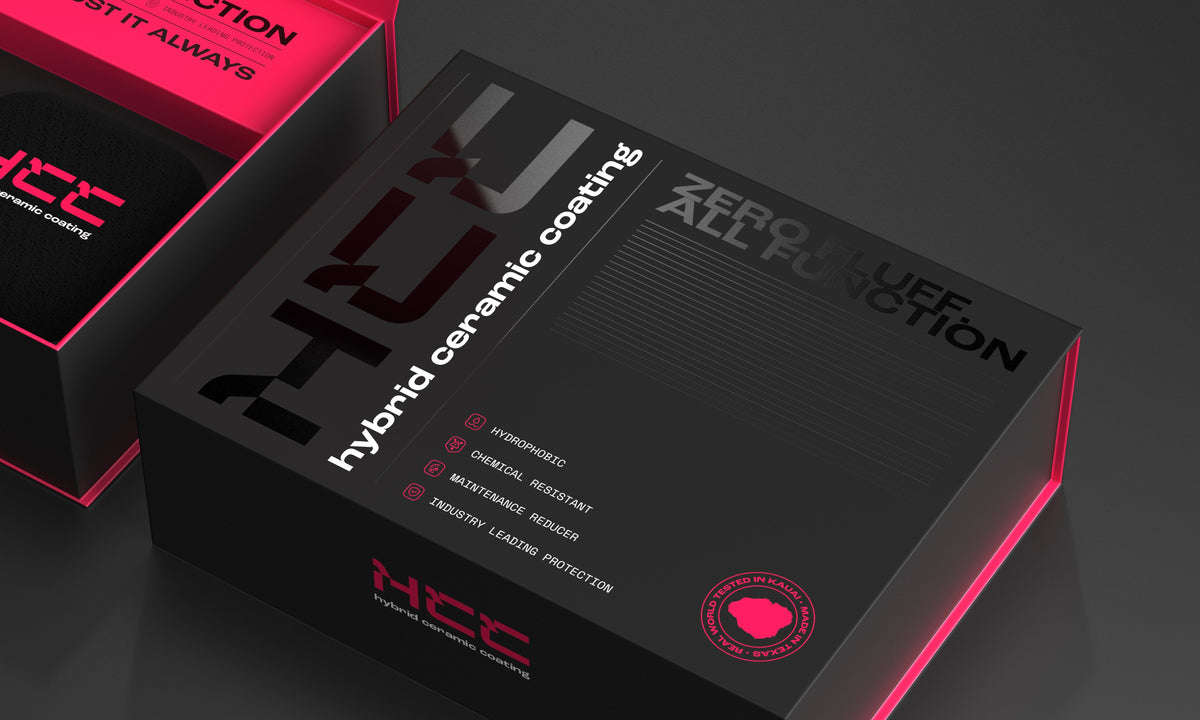

Leave a comment
This site is protected by hCaptcha and the hCaptcha Privacy Policy and Terms of Service apply.