

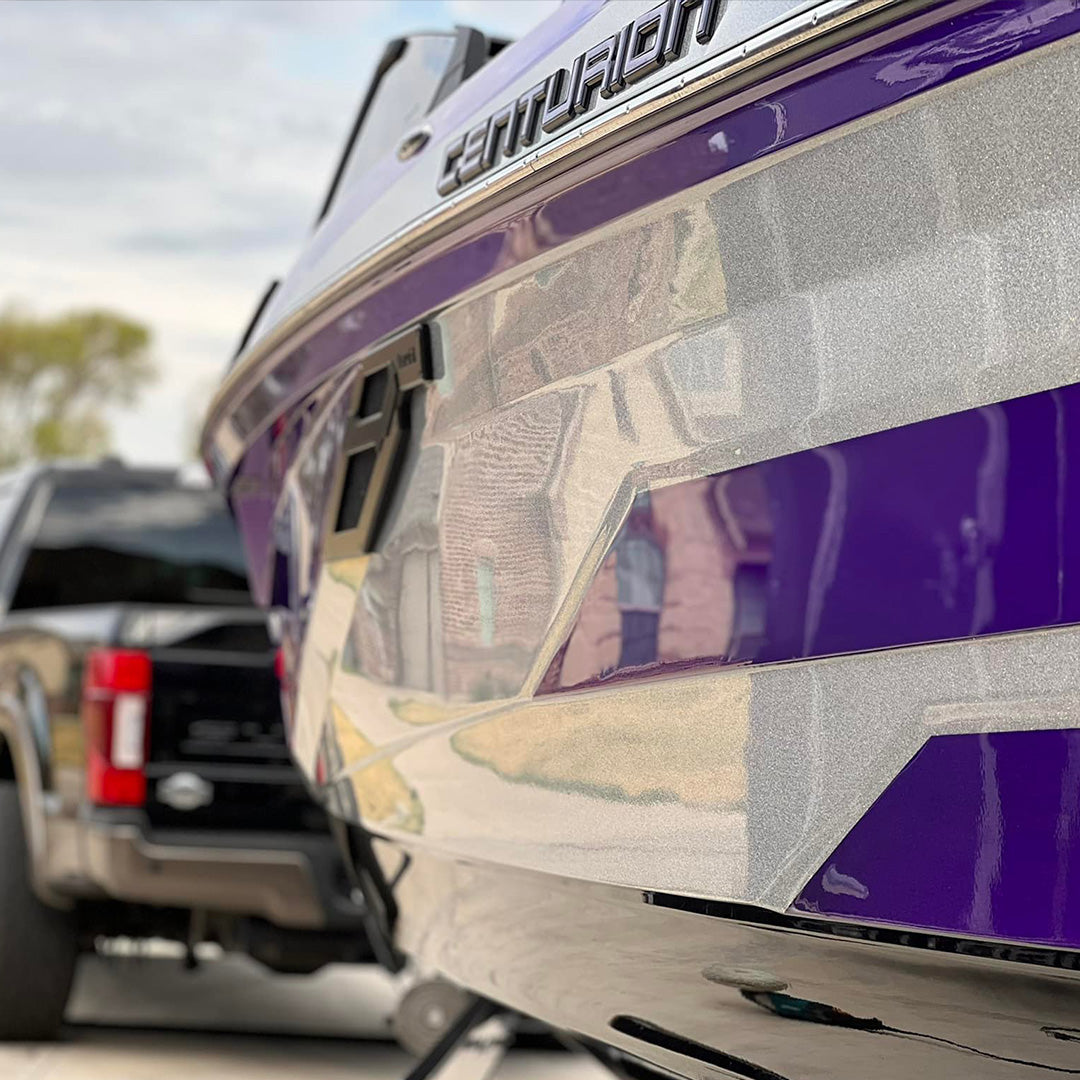
To clean boat stainless steel, start with fresh water, a suitable mild soap, and a soft cleaning tool, then rinse and dry before judging the remaining marks. If rust-colored staining remains, use a treatment approved for the specific stainless finish and nearby boat materials rather than jumping to steel wool or a strong acid. Grady-White recommends regular soapy freshwater cleaning for its stainless hardware and explicitly warns against steel wool because fragments can remain and rust (281 CE maintenance guidance).
The goal is not simply to make every brown mark disappear. You also want to distinguish a cosmetic cleaning job from hardware that needs inspection, and avoid fixing the metal's appearance at the expense of the gelcoat, decking, or seals around it.
Identify the metal and finish before choosing a cleaner
A shiny fitting is not automatically bare stainless steel. Use the boat manual, component information, or the manufacturer's advice to identify what you are cleaning and whether it has a finish or treatment with its own care requirements. If the material is uncertain, stop at a compatible routine wash and get the identification settled before using a dedicated stain remover or polish.
Keep neighboring surfaces in the same decision. A rail base may sit beside gelcoat, a sealed joint, or a different metal; the product must be suitable for the work area, not merely the center of the fitting. Grady-White's 281 CE guidance gives separate instructions for stainless steel, anodized aluminum, and gelcoat. Its restrictions for one material should not be casually transferred into approval for another (material-specific maintenance instructions).
Make a small surface map before starting: the part you want to clean, the surrounding materials, any existing protective treatment, and where rinse water will travel. This is especially useful when a brown streak runs from a fitting onto the hull. Identify both surfaces before choosing a product for either one.
Understand what rust-colored staining can mean
The Australian Stainless Steel Development Association defines tea staining as surface discoloration caused by corrosion and describes that particular condition as cosmetic. It also identifies other causes of staining, including carbon-steel contamination and uncleaned welds, and warns that poorly drained crevices can develop more serious corrosion. Do not use the word “cosmetic” as a diagnosis for every brown mark on a boat (ASSDA's tea-staining guidance).
Sea salt is one of the contributing factors in tea staining, and sheltered areas, poor drainage, and surface condition can influence the problem. ASSDA's practical point is that stainless steel is low-maintenance, not generally maintenance-free. Regular washing removes deposits that contribute to corrosion (coastal exposure and maintenance).
For an owner, the first useful action is to clean gently enough to inspect the surface. Do not declare a fitting sound because a stain became lighter, and do not declare it ruined from color alone. If you see cavities, cracking, movement, or material loss, or cannot determine the condition of a safety-critical part, arrange a qualified inspection before relying on it.
| What you observe | Practical next step | What not to assume |
|---|---|---|
| Loose salt or ordinary surface dirt | Compatible mild wash, freshwater rinse, and drying | That a strong rust treatment is needed |
| Brown staining remaining after washing | Identify the finish and obtain approved stain-treatment guidance | That every brown mark is harmless tea staining |
| A stain repeatedly returning at a joint | Document the location and have the cause assessed | That another coat of polish resolves the underlying issue |
| Pitting, cracking, looseness, or uncertain structural condition | Stop cosmetic work and seek qualified inspection | That a shiny surface proves the hardware is safe |
Set up for controlled cleaning, not aggressive scrubbing
Choose a work position that lets you reach the part safely and control the cleaner and rinse water. Do not lean beyond safe access or loosen rail bases, cleats, or other functional hardware to make a detailing job easier. Removal, rebedding, torque checks, and repair belong to the appropriate service procedure.
Gather fresh water, clean soft cloths, a compatible mild cleaner, and the protective equipment required by the product label. Keep metal-care tools separate from dirty deck or wheel tools. Inspect the cloth before it touches the finish and replace it when it becomes loaded with contamination.
Keep steel wool out of the kit. Grady-White warns that pieces can remain on stainless and rust quickly, while ASSDA advises against abrasive cleaners and products containing chlorides or bleach. A tool that removes a stain quickly is not automatically an acceptable tool for preserving the original finish (Grady-White's steel-wool caution; ASSDA cleaning restrictions).
Read the directions before opening a specialist cleaner. Check the permitted surfaces, application method, protective equipment, rinsing requirements, and disposal instructions. Follow marina or wash-area rules, and plan to keep runoff away from surfaces the product is not approved to contact.
Wash, rinse, dry, then inspect again
Begin with a gentle freshwater rinse to remove loose deposits. Apply a compatible mild wash according to its directions, work a manageable area with a soft tool, and rinse thoroughly. Grady-White's stainless guidance calls for soapy fresh water and rinsing; ASSDA likewise recommends routine soap or mild-detergent washing, a clean-water rinse, and drying to improve appearance (boat maintenance guidance; routine stainless washing).
Undrdog Soap is a pH-neutral car and boat wash intended for routine cleaning and coating maintenance. For a particular fitting or finish, confirm that its use fits the component manufacturer's instructions; the general boat-wash description is not proof of compatibility with every hardware assembly. Use current label dilution and safety directions rather than treating extra foam as a reason to increase the concentration.
Soap's application guidance says to remove residue fully and dry with clean microfiber, and its FAQ recommends shade. Do not let the washed surface dry in direct sunlight during cleaning. Its eye-irritation and ingestion warnings still apply despite the pH-neutral description, so follow the label's protective-equipment requirements (Soap application and precautions).
Once the area is dry, inspect it in useful light. Note whether the mark was loose dirt, a removable water mark, or a persistent stain. Photograph recurring areas and record what you used. That record helps a service provider assess a pattern instead of seeing only a freshly polished surface.

Treat remaining stains without creating a second problem
If a mark survives the wash, identify an appropriate marine stainless cleaner through the boat or hardware manufacturer. Grady-White recommends a marine-grade stainless cleaner for rust and water marks, but its general cleaning-tips page does not provide a universal chemical recipe or dwell time. Use the directions for the actual product and finish (Grady-White boat cleaning tips).
When the instructions allow a test area, choose a small, inconspicuous location and check the result before treating the visible surface. Control application so the cleaner does not spread into neighboring materials. Do not assume a product approved for stainless is also suitable for clear vinyl, anodized aluminum, foam decking, painted surfaces, or seals.
Avoid improvised strong-acid treatments. ASSDA specifically warns against hydrochloric acid on stainless steel and discusses chemical cleaning, passivation, and other restoration processes as distinct from routine washing. Its technical guidance is not a do-it-yourself recipe for treating assembled boat hardware beside sensitive finishes (chemical restrictions and restoration considerations).
If the approved treatment does not give a satisfactory result, stop rather than escalating through unrelated products. A recurring stain may call for assessment of contamination, drainage, surface condition, or the component itself. ASSDA notes that simple mechanical polishing is unlikely both to remove existing tea staining and prevent it from returning (why staining can recur).
Keep the deck's requirements separate throughout the job. Our non-skid boat-deck cleaning guide covers that material decision in more detail. Do not turn a hardware-cleaning session into an unplanned acid treatment of the flooring below it.
Choose protection only after the surface is clean and sound
Follow the hardware maker's recommendation for any polish or protective treatment. Grady-White's 281 CE guidance places metal protection after thorough cleaning and drying. ASSDA explains that oils or waxes can temporarily restrict chloride access but need renewal; they are not a permanent substitute for washing or attention to the conditions causing staining (Grady-White protection sequence; ASSDA maintenance guidance).
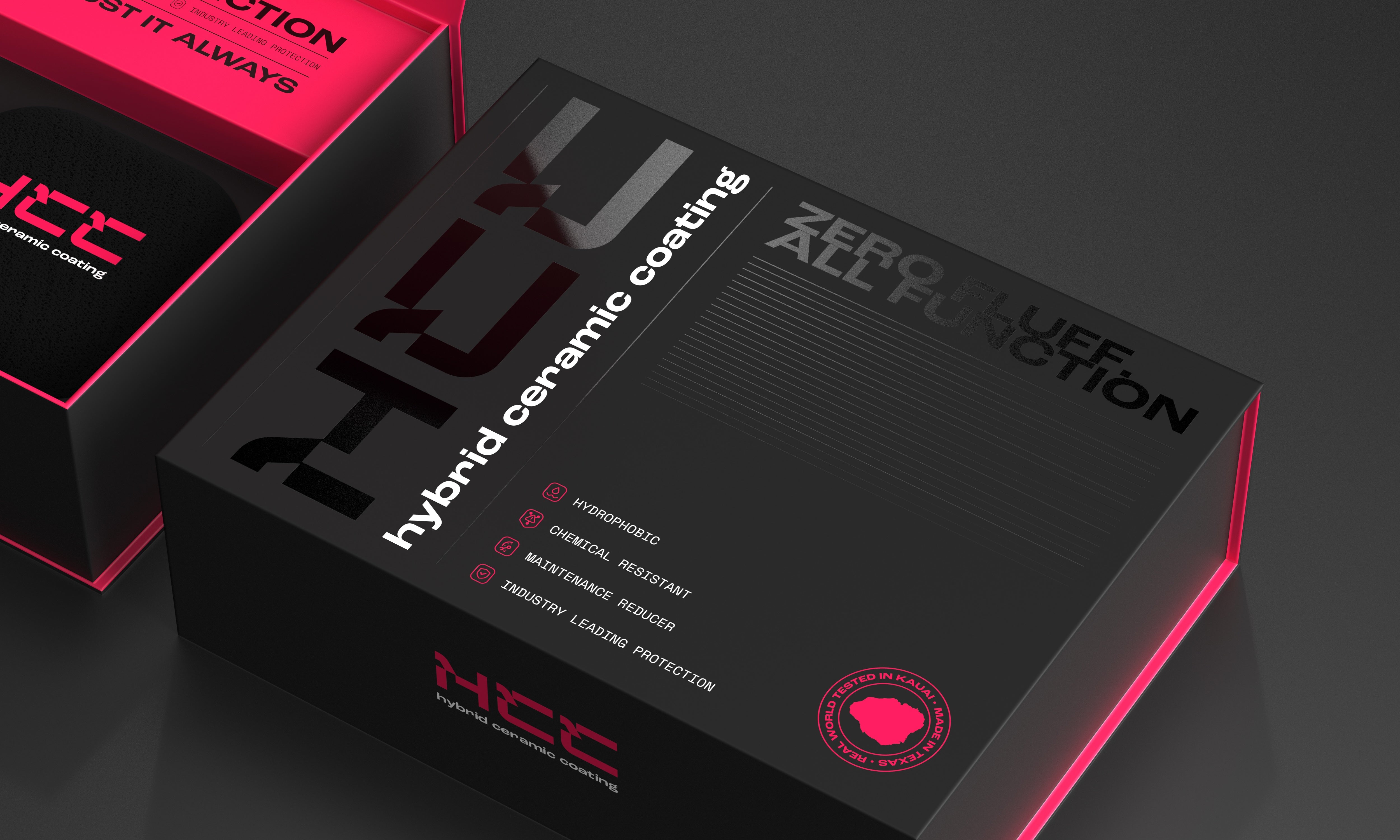
For suitable exterior coating work elsewhere on the boat, HCC Hybrid Ceramic Coating is Undrdog's all-surface flagship for cars, boats, planes, and bicycles. Its multi-year protection depends on preparation, exposure, use, and maintenance. Confirm the exact surface and current application instructions before choosing it.
The HCC page lists metal and gelcoat among compatible surface categories, but it does not provide a stainless-hardware corrosion-repair procedure. This guide therefore does not prescribe HCC as a rust remover, structural repair, or blanket treatment for rails, gripping surfaces, threads, and moving mechanisms. Keep hardware care and a planned exterior coating installation as separate decisions.

Make hardware inspection part of the maintenance routine
Add accessible fittings and their surrounds to the regular wash checklist instead of waiting until staining dominates the appearance. Choose frequency around actual use, exposure, and the manufacturer's instructions rather than a universal calendar. ASSDA identifies exposure, drainage, surface condition, and maintenance as relevant factors in coastal staining (coastal staining factors).
Before storage, record unresolved marks and arrange any inspection while you can still access the boat easily. Our boat storage-care checklist helps organize the wider wash, inspection, and handoff. A clean-looking boat is a useful starting point, not confirmation that every fitting underneath it is sound.
Frequently asked questions
Why does stainless steel on a boat show brown stains?
Possible causes include tea staining, contamination, and other corrosion conditions. Sea salt and maintenance conditions can contribute to tea staining, but color alone does not establish the cause or prove the hardware is structurally sound.
What should I try first on dirty stainless hardware?
Identify the material and finish, then use a compatible mild wash with fresh water and a soft cleaning tool. Rinse, dry, and inspect before deciding whether a specialist stain treatment is necessary.
Can I use steel wool to remove boat rust stains?
No. Grady-White warns that fragments can remain on stainless steel and rust. Use the boat or hardware manufacturer's approved cleaning method rather than introducing steel wool into the job.
Is tea staining the same as dangerous corrosion?
ASSDA describes tea staining itself as cosmetic, but that does not make every corrosion mark harmless. Pitting, cracking, looseness, material loss, or uncertainty about safety-critical hardware warrants qualified inspection rather than cosmetic reassurance.
Can a stainless cleaner run onto the deck?
Do not assume that is acceptable. Check compatibility with every adjacent material and follow the product's application and rinsing instructions. A cleaner suitable for stainless may not be approved for the flooring, seals, or finishes around it.
Will stronger acid clean the fitting faster?
Do not use that as a selection rule. ASSDA warns against hydrochloric acid on stainless steel. Choose an approved product and seek specialist advice when routine cleaning fails rather than improvising an acid treatment.
Can ceramic coating repair a corroded rail or fitting?
This guide does not prescribe ceramic coating as corrosion repair. Establish that the component is sound and follow its manufacturer's maintenance requirements before considering any compatible surface treatment.
What if the stain keeps coming back?
Document its location, the cleaning method, and how quickly it returns, then ask the boat or hardware manufacturer or a qualified marine service provider to assess it. Repeated polishing alone may not address the conditions causing the staining.
Plan protection around the actual surface
Resolve hardware condition first. For suitable boat exterior surfaces, review HCC and confirm the preparation, application, and aftercare requirements before coating.
Shop HCC Hybrid Ceramic Coating

Leave a comment
This site is protected by hCaptcha and the hCaptcha Privacy Policy and Terms of Service apply.