



Before winter car storage, wash away accumulated grime, dry the vehicle thoroughly, and use a clean cover designed for the place where the car will actually sit. Treat cleaning, coating aftercare, and mechanical winterization as separate jobs: a freshly detailed finish does not settle the battery, fuel, tire, or cooling-system requirements in your owner's manual. Ford recommends a dry, ventilated storage location, and Covercraft specifically advises drying the car before putting its cover on (Ford storage guidance; Covercraft cover guidance).
Plan the storage space before the final wash
The useful question is not simply whether the car will be covered. Ask where it will be parked, what can reach it there, and whether someone can inspect it. A closed garage, an open-sided carport, and an exposed driveway are different environments. Choose the cleaning schedule and cover around the real space, not the space you wish you had.
Ford's gas-powered vehicle guidance addresses storage of 30 days or more and recommends protection from sunlight alongside a dry, ventilated location. It also calls for periodic washing when the vehicle is stored in an exposed place. That is a reason to plan access, not to treat the day you fit the cover as the last day of care (Ford's long-term storage recommendations).
For this detailing checklist, give yourself enough time to finish the wash, remove residual water, inspect the surface, and resolve a dirty or unsuitable cover. Do not book all four jobs into the final minutes before leaving town. If the only available wash window leaves the car wet when you must cover it, change the sequence or arrange appropriate help rather than pretending the drying step is optional.
| Storage situation | Finish-care priority | Question to resolve first |
|---|---|---|
| Enclosed garage | Clean, dry vehicle and clean indoor-rated cover if used | Is the space suitable, and is there clearance around the car? |
| Carport exposed to wind-driven weather | Cover selected for the actual exposure, not just the roof overhead | What rain, debris, and wind can still reach the vehicle? |
| Outdoor parking | Outdoor-rated cover and an inspection and cleaning plan | Who can check the cover and surface after changing conditions? |
| Freshly coated vehicle | Product-specific aftercare before fabric contact | Has the installer or manufacturer confirmed when covering is acceptable? |
Wash what is there, not what the calendar suggests
Start with an inspection in useful light. Identify ordinary dirt, stubborn spots, and areas that need separate attention. The goal is a clean vehicle going into storage, not an automatic full correction package because autumn arrived. Write down anything you cannot safely resolve during a normal maintenance wash so it does not disappear from your plan once the cover goes on.
Ford specifically includes exterior surfaces, the rear-wheel housing, and the underside of the front fenders in its storage-cleaning guidance. Those areas can be easy to overlook when the visible paint already looks presentable. Follow your vehicle's washing instructions for access and equipment; this is not a reason to crawl beneath an unsupported car or direct high-pressure water indiscriminately at components (Ford body-care checklist).
Undrdog Soap is a pH-neutral car and boat wash intended for routine cleaning, including coating maintenance. Use its current directions and your vehicle's finish-care requirements, rinse away residue, and finish with clean microfiber. Although the product description mentions outdoor use, its precautions say not to let the washed surface dry in direct sunlight; choosing shade is the more straightforward workflow (Soap application and safety guidance).
Work in manageable sections and keep the tools for dirtier areas separate from paint-contact tools. If a spot remains after washing, identify it before adding another chemical or scrubbing harder. Do not make stronger dilution, clay, or machine polishing a default storage step. Stop when a treatment's suitability for the surface is unclear, particularly on repainted panels, matte finishes, wraps, or film.
Use the protective equipment specified by the cleaner and keep product containers away from children and pets. Storage season is also a good time to check where the products themselves will spend winter: Soap's instructions say to keep it closed in a cool, dry place and not store it below 32°F or above 90°F. Those are Soap's limits, not a temperature rule for every bottle in your cabinet (Undrdog Soap precautions).

Give drying its own place in the schedule
Do not judge readiness only by the middle of the hood. After drying the main panels, make a second pass around mirror bases, handles, accessible jamb edges, and other places where you can still see water. Use clean towels and avoid forcing tools into openings. Our car-drying towel guide covers tool selection and drying technique in more detail.
Build a simple hold point into the job: no cover until the car is dry. Covercraft expressly recommends drying the vehicle before cover installation to prevent moisture buildup. That instruction is more useful than inventing a universal waiting period after washing, because a clock alone cannot tell you whether water remains on your particular vehicle (Covercraft's cover-care FAQ).
Check the cabin separately. Remove loose rubbish and personal items you do not want left in storage, and account for any damp towels or recently cleaned removable mats. If upholstery or carpet is wet, investigate and resolve that condition rather than considering the job finished because the exterior shines. Persistent dampness, a leak, or an unexplained odor deserves attention before the vehicle is left unattended.
Take a few clear photographs of the clean vehicle before covering it. This is a practical record of the condition you observed, not proof that storage cannot cause a problem. Include any existing marks or areas you intend to revisit. A short written note is often more useful than trying to remember in spring whether a spot was already there.
Choose the cover for its job, then inspect its condition
Indoor and outdoor are not interchangeable labels. Covercraft says its indoor covers are intended for controlled storage environments and lack the weatherproof features needed for outdoor rain, snow, and sun exposure. If weather reaches the parking space, verify the exact cover's intended use rather than relying on softness, thickness, or the word “premium” (Covercraft indoor-cover guidance).
Check fit against the vehicle and any accessories. Follow the cover maker's instructions for installation, retention, removal, and weather limitations. Do not improvise attachments against painted surfaces or assume a cover suitable for a sheltered garage is suitable for severe weather. A cover is one part of the storage arrangement, not a replacement for a suitable location.
Before installation, inspect the side that contacts the car as carefully as the visible outer side. If it has been dropped on a dirty floor or stored with debris, clean it according to its own instructions first. Covercraft advises keeping covers clean and checking their maintenance requirements; machine washing is not a universal instruction for every material. Its indoor-cover guidance also says to air-dry the cover completely before storage (cover maintenance; indoor-cover cleaning and drying).
Keep the installation simple: a clean vehicle, a clean cover, enough space to handle it, and no dragging the fabric through dirt on the way to the car. If you need a second person to fit it without wrestling the material across the vehicle, arrange that help. Plan a clean place for the cover when it comes off, too.
Maintain a sound coating; do not rush a new one
Storage preparation does not automatically call for stripping a coating that is still being maintained successfully. Separate a routine clean-and-inspect visit from a corrective service or a new installation. If you are unsure what is already on the paint, ask the installer for the product and aftercare instructions before layering another treatment over it.
When a new coating is appropriate, HCC Hybrid Ceramic Coating is Undrdog's all-surface flagship for cars, boats, planes, and bicycles. Its multi-year protection depends on preparation, exposure, use, and maintenance. For a stored car, the relevant decision is whether the surface preparation, installation environment, and aftercare can all be handled properly, not whether a coating can replace the storage checklist.
Do not turn “dry to the touch,” “rain-ready,” or a general cure estimate into permission to put fabric on a freshly coated surface. HCC's public product instructions do not specify a cover-contact interval. Ask the manufacturer or installer for that specific restriction and follow the actual product's directions; our install-or-maintain decision guide helps you plan the broader pre-winter service.

Leave a handoff note, not just a covered car
Record the final wash date, the cover used, any unresolved condition, and the person responsible for checking the vehicle. Keep mechanical requirements on a separate list taken from the correct owner's manual. Ford's gas-vehicle storage page includes engine, fuel, cooling-system, and battery procedures, but those should not be generalized into instructions for every vehicle or powertrain (Ford's vehicle-specific storage advice).
Set inspection reminders around the storage arrangement rather than claiming one interval works everywhere. For outdoor storage, plan how to respond if the cover shifts, gets dirty, or no longer fits securely. If the vehicle needs washing during storage, repeat the clean-and-dry process before covering it again. Keep access practical so inspection is something you can actually do.
When the car comes out, remove and store the cover according to its instructions, inspect the finish, and choose the next cleaning step from what you find. Do not automatically dry-wipe an unfamiliar deposit or assume every mark requires polishing. Mechanical return-to-service checks still belong to the vehicle manual or a qualified service provider.
Frequently asked questions
Should I wash my car before winter storage?
Yes, plan a thorough wash before storage, followed by drying and inspection. Ford's gas-powered vehicle storage guidance specifically includes cleaning exterior surfaces and selected wheel-housing areas; follow your own vehicle's washing instructions for the exact method.
Can I put a cover on a wet car?
Do not use that as your planned storage method. Covercraft advises drying the car before putting its cover on to prevent moisture buildup. Check the exact cover instructions and resolve remaining water before installation.
Is an indoor cover suitable under a carport?
Not automatically. Assess the rain, sun, and wind that can reach the car. Covercraft says its indoor covers are not designed for outdoor exposure, so choose according to the actual conditions and the specific cover's rating.
Do I need to polish the car before storing it?
Not simply because it is going into storage. Start with cleaning and inspection, then decide whether a specific defect warrants correction. A seasonal deadline is not by itself a reason to polish an otherwise satisfactory finish.
Does a ceramic coating replace a storage cover?
Treat coating care and cover selection as separate decisions. Maintain the coating according to its instructions, and decide whether a suitable cover is needed for the storage environment. Neither decision removes the need to clean, dry, and inspect the vehicle.
When can I cover a freshly coated car?
Use the coating manufacturer's or installer's specific cover-contact guidance. Do not convert a tack-free, rain-ready, or general cure statement into permission for fabric contact. If the instructions do not answer this question, get confirmation before covering.
Can I wash every car cover in a washing machine?
No universal machine-washing method applies. Check the cover's material-specific care instructions, including detergent and drying restrictions. Covercraft allows machine washing for some covers but tells owners to verify the particular cover's requirements.
Does this checklist cover batteries, fuel, and tires?
No. This checklist concerns cleaning, finish care, and cover readiness. Use the correct owner's manual or a qualified service provider for mechanical storage and return-to-service procedures, including any powertrain-specific requirements.
Start storage season with a clean finish
Choose a proper maintenance wash first, then decide whether your car needs additional finish work. Leave enough time to dry, inspect, and fit the right cover without rushing.
Shop Undrdog Soap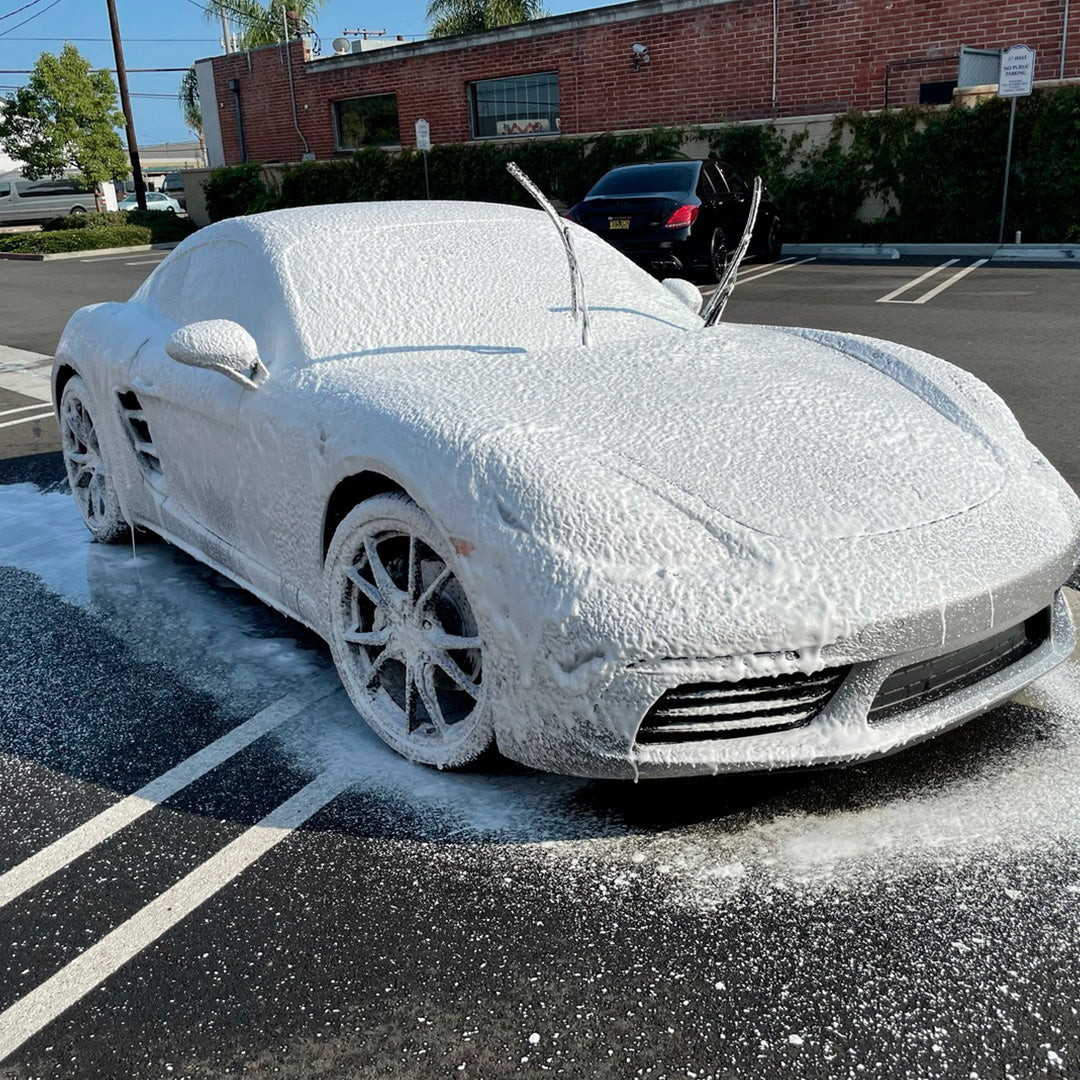

Leave a comment
This site is protected by hCaptcha and the hCaptcha Privacy Policy and Terms of Service apply.