

You can arrange for a detailer to install a ceramic coating you supply if that shop agrees to the exact product and job. Do not buy a bottle assuming the installer will accept it, deduct its retail price from a package, or include the same follow-up terms. Ask first, then put the product, preparation, price, and responsibilities in writing.
This is a third option worth evaluating alongside a complete professional package and a fully DIY installation. The useful question is not whether the bottle is available to the public. It is whether you and the person doing the work can agree on a clear, workable service.
Separate buying the coating from hiring the installer
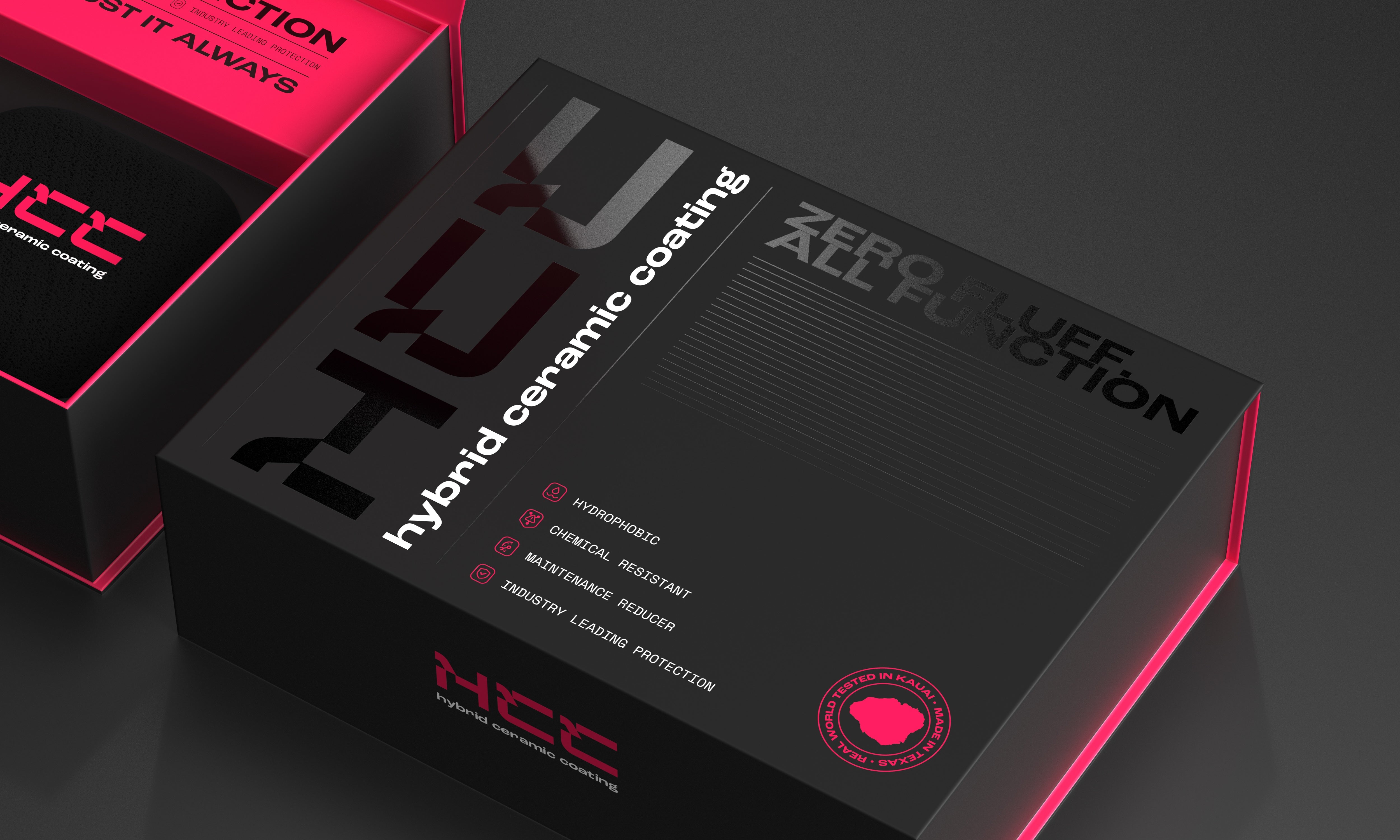
Product access and a shop's service policy answer different questions. Undrdog offers HCC Hybrid Ceramic Coating for owners and detailers, with no certification class required to purchase it. That open access is not a promise that an independent detailer will install a customer-supplied bottle.
A published policy can still leave the important details unresolved. For example, Autosomnia's services FAQ says: “Yes. We offer professional installation for select customer-supplied products. Compatibility and pricing may vary depending on the item.” That wording does not specifically promise acceptance of customer-supplied ceramic coating. It is a reason to ask about the exact item, not evidence that any bottle is approved. See Autosomnia's own services FAQ.
We recommend treating acceptance as a decision made before the booking, not a negotiation at drop-off. Send the exact product name and bottle size, explain which surfaces you want treated, and ask whether the shop wants to supply the product instead. If the answer is no, decide whether you prefer that shop's complete service or a different installer. There is no need to turn a purchasing preference into an argument about someone's skill.
Keep credential questions separate, too. If you want to verify a person's training or product authorization, use our guide to detailer certification versus coating authorization. Here, the decision is narrower: will this installer accept this bottle for this particular vehicle?
Send a product file, not just a shopping link
Give the installer enough information to assess your proposal without guessing. We suggest sending photographs of the original labeled bottle and packaging, the purchase record, the product instructions, and the safety data sheet. Include the batch identifier if present. Keep the original container rather than transferring the liquid into an unmarked bottle.
Safety information is a practical part of that discussion, not paperwork for its own sake. OSHA's safety-data-sheet headings identify Section 7 as “Handling and storage” and Section 8 as “Exposure controls/personal protection.” Its Hazard Communication standard also states that employers shall have an SDS in the workplace for each hazardous chemical they use. See the OSHA standard, paragraph (g).
Ask the manufacturer for missing instructions rather than expecting the installer to infer them from a similar-looking product. An SDS and an application guide serve different purposes: the OSHA headings identify safety information, not a complete cosmetic installation procedure. Use the manufacturer's current application instructions alongside the safety document; do not replace either with a social-media clip.
- Product identity: Send the full name, version if listed, bottle size, and original-label photographs.
- Opening history: State whether the bottle is unopened. If opened, give the date as accurately as you can.
- Storage history: Describe where you kept it and any known unusual exposure. Do not fill gaps with guesses.
- Quantity: Ask the installer to confirm that the available amount suits the agreed surfaces and application plan.
- Unknowns: Resolve unclear condition, storage limits, or instructions with the manufacturer before committing the appointment.
Do not use this checklist to invent an after-opening shelf life. If neither you nor the installer has a current manufacturer answer, leave the question unresolved and get that answer. A half-used bottle of uncertain history is not a useful place to force a deadline.
Set a simple stop rule: if the installer cannot identify the product, confirm its suitability, or get the necessary instructions, pause the coating portion of the job. That is a recommended decision process, not a claim that your bottle has failed.
Agree on preparation without minimizing the labor
Write down what you are buying from the detailer. Our recommended scope separates inspection, washing, decontamination, any agreed paint correction, final preparation, application, inspection, and handover. Ask which steps are included, which depend on the vehicle's condition, and which require approval before extra charges.
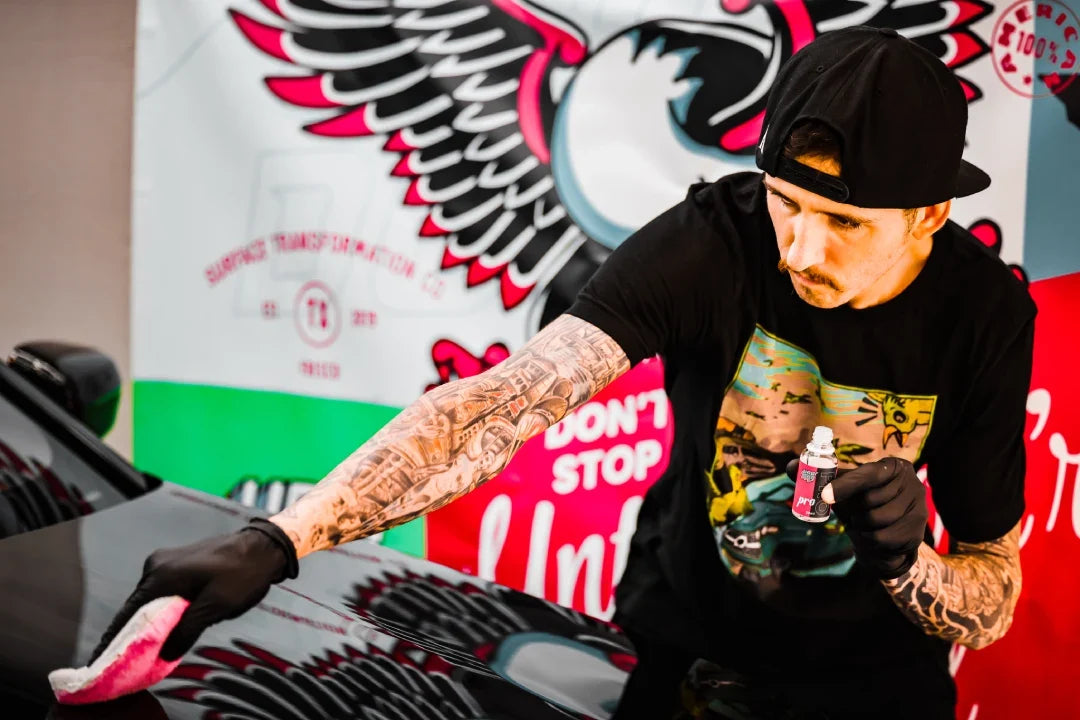
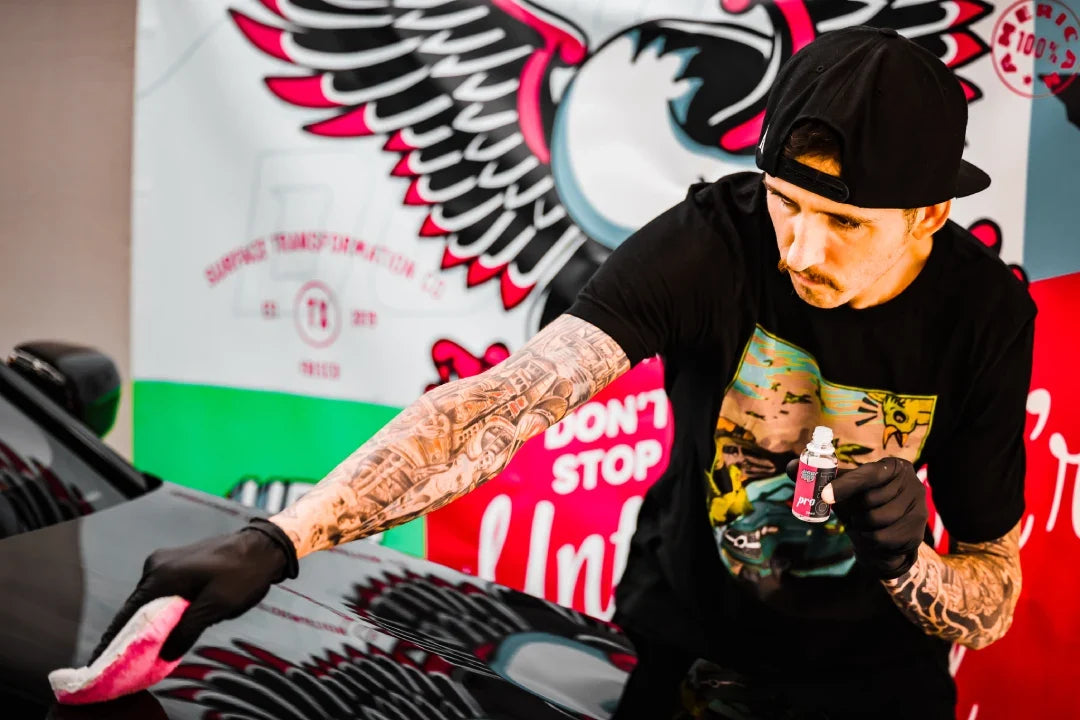
Do not begin with “I have the coating, so you only need to wipe it on.” Instead, explain your finish goals and ask the installer to assess what the vehicle needs. You might want a clean, protected daily driver while accepting some existing marks. Or you might want correction work within an agreed limit. Those are different requests, even when the same bottle is involved.

If you want to do some preparation yourself, propose the division of work before starting. Ask what condition the installer expects at arrival and what they will inspect or repeat before application. Do not assume your home wash, polishing, or previous protection will meet another person's acceptance criteria.
For HCC, the product information identifies paint, gel coat, metal, glass, PPF, vinyl, and plastic trim among the intended surfaces. That list is a starting point for a surface-specific discussion, not permission to coat every component without checking its finish and instructions. Review the current HCC information with the installer.
Define exclusions just as carefully as inclusions. “Exterior coating” is less helpful than an agreed list of panels and components. Ask separately about glass, trim, wheels, and anything repaired or refinished. For an uncertain surface, request confirmation before work rather than treating broad product positioning as a substitute for judgment.
Compare complete proposals, not the bottle deduction
We recommend getting two complete proposals where the shop offers both: one with its supplied product and one using your bottle. Keep preparation, treated surfaces, inspection, collection arrangements, and follow-up as comparable as possible. Then compare the total commitment rather than a guessed discount.
Buying a bottle first does not establish the price of someone else's service. Ask for the customer-supplied option's actual written price and any conditions. Do not assume a retail bottle price equals the amount the shop will remove from a package, or that bringing product will reduce the total.
| Decision | Ask before booking | Record in the proposal |
|---|---|---|
| Product acceptance | Will you install this exact product in its current condition? | Product name, bottle size, and any acceptance conditions. |
| Preparation | What is included, and what depends on inspection? | Included steps and the approval process for additional work. |
| Coverage | Which surfaces are included or excluded? | A component-by-component scope rather than “whole car.” |
| Price | What is the full price using my supplied product? | Total, deposit terms, and agreed possible extras. |
| Unsuitable bottle | What happens if the product cannot be used? | Pause, reschedule, or separately approved replacement plan. |
| Follow-up | Who handles an application concern or product question? | Named contacts and the actual written terms. |
Decide how to handle leftovers, too. Ask for the remaining product and labeled packaging to be returned if that is what you want, and confirm any manufacturer storage instructions before keeping it for future use. Do not treat leftover liquid as automatically suitable for a later job.
Consider convenience as well as price. If you prefer one point of contact for product supply and installation, ask about a shop-supplied arrangement. If your priority is a particular product, ask whether the shop can source it itself. Bringing your own bottle is an option to evaluate, not a goal that must win every comparison.
Resolve responsibility before there is a problem
Separate three questions in the written proposal: what the installer agrees to do, what product support is available, and whether any separate warranty is offered. Request the applicable documents and ask who answers each type of concern. Do not infer coverage from the fact that the bottle was accepted.
This article does not determine anyone's legal rights or rewrite a warranty. Its recommendation is simpler: identify the parties, read the actual terms, and resolve uncertainties before payment. If a particular protection matters to your decision, get confirmation for this product and this installation rather than relying on a general verbal reassurance.
For example, ask how you should report an uneven-looking area after collection, who should inspect it first, and whether you should avoid attempting a repair before that inspection. Ask separately who answers a question about bottle condition or application instructions. These are proposed questions, not promises about what any provider must cover.

Before collection, request aftercare instructions for the product actually applied. For a structured walk-through of the finished job and its records, use our ceramic coating pickup checklist. Keep today's pre-booking agreement with those handover documents so you can refer to both later.
Use this message before buying or booking
Send a specific request rather than asking only whether the shop “does ceramic.” Here is a suggested message to adapt; it is not a customer testimonial or a quoted shop policy.
I'd like professional preparation and coating installation on my vehicle. I'm considering supplying [exact product and size], which is [unopened/opened on date]. Would you accept that product, and what information would you need first? Please quote the preparation, agreed surfaces, installation, and follow-up separately from any product I supply. If you prefer to source it yourself, please quote that option too. I would like to agree on what happens if the bottle is unsuitable or the vehicle needs additional work before booking.
Add your vehicle, its known repair or coating history, your finish goals, and your preferred dates. Be candid when you do not know what is already on the surface. Let the installer request an inspection instead of asking for certainty from incomplete information.
If the shop accepts, save its reply and confirm that the final proposal reflects it. If it declines, ask whether the issue is product familiarity, condition, service policy, or the proposed scope. Use that answer to choose your next step without assuming a refusal says anything about the coating's quality or the installer's motives.
Frequently asked questions
Can I bring my own ceramic coating to a detailer?
You can arrange this if the installer accepts the exact product and service scope. Get that agreement before buying the bottle or booking the work, and confirm preparation, price, and follow-up in writing.
Will supplying the bottle make the installation cheaper?
Do not assume it will. Request the full customer-supplied-product quote and compare it with a shop-supplied proposal covering the same preparation, surfaces, and follow-up. A bottle's retail price is not an agreed service discount.
Should I bring an opened bottle?
Disclose that it is opened, when it was opened, and what you know about storage. Ask the manufacturer and installer whether it is suitable. Do not invent a shelf life or assume appearance alone settles the question.
What documents should I send the installer?
Send the exact product details, original-label photographs, purchase record, current application instructions, and safety data sheet. Include the batch identifier if present, opening history, intended surfaces, and any unresolved questions about condition.
Does a publicly available coating have to be accepted by a shop?
Do not treat public availability as an agreement to install it. Ask the independent shop about its service policy and the exact job. Choose a mutually acceptable arrangement rather than arriving with an unapproved bottle.
Can I prepare the car myself and pay only for application?
Propose that division of work before starting. Ask what condition the installer will accept, what they will inspect or repeat, and how any additional preparation will be approved and priced.
Does accepting my bottle guarantee warranty coverage?
Do not infer coverage from acceptance. Request the actual product, installation, and any separate warranty terms, identify who handles each concern, and get unresolved coverage questions answered before booking.
What if the shop will not use my chosen coating?
Ask whether it can source the product itself or explain its preferred alternative. You can then choose its complete service or find another willing installer. A refusal alone is not evidence about product performance or someone's motives.
How Undrdog does it
Undrdog's position is open product access with respect for professional work. HCC is our flagship all-surface coating for cars, boats, planes, and bicycles, available to detailers and DIYers without a certification purchase gate. Its multi-year protection depends on preparation, exposure, use, and maintenance; review the current HCC product information and confirm suitability for your exact surface.
Undrdog Pro is also available to professional detailers and DIYers, with its own application requirements. Product availability should not be confused with an independent shop's acceptance policy. We do not promise that any particular installer will take a customer-supplied bottle or offer specific service terms.
Our recommendation is to choose the product and the working arrangement together. Pay for the preparation and skill you need, be transparent about what you supply, and agree on responsibilities before the vehicle arrives. Open access and professional installation can fit together without diminishing either.
Choose the coating. Agree on the work.
Review HCC with your detailer before purchasing for a customer-supplied installation. Confirm the product, surfaces, preparation, and aftercare together.
Shop HCC Hybrid Ceramic Coating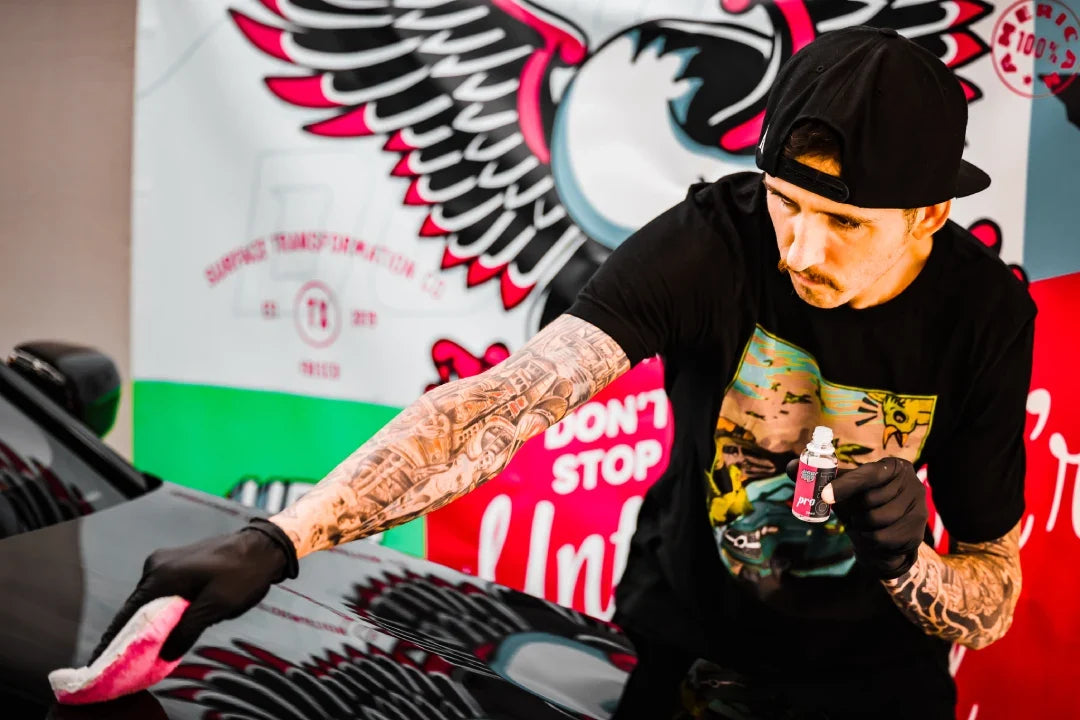

Leave a comment
This site is protected by hCaptcha and the hCaptcha Privacy Policy and Terms of Service apply.